
 English
 日本語
日本語 عربى
عربى Español
Product Categories
Recent Posts
Aikang excels in eco-friendly aluminum foil products, delivering innovative packaging solutions and upholding quality and customer satisfaction globally.
contact usRound Aluminum Foil Containers Supplier
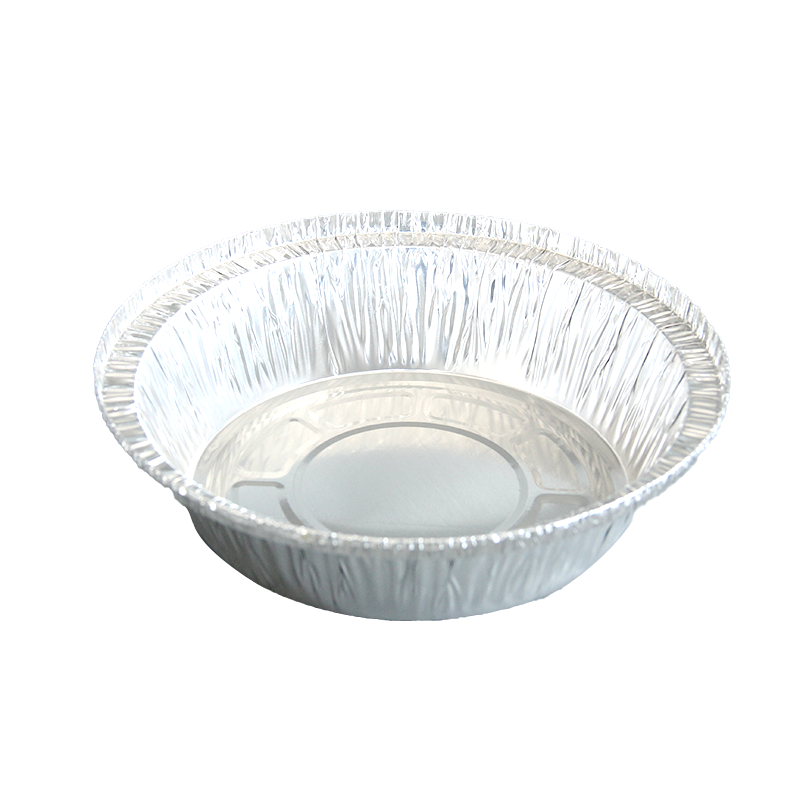
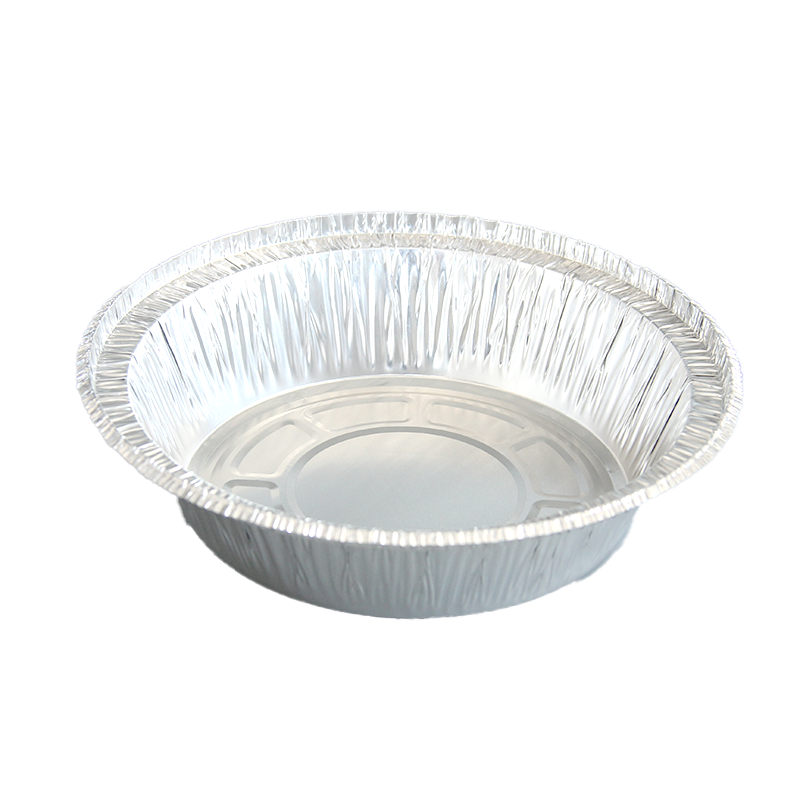
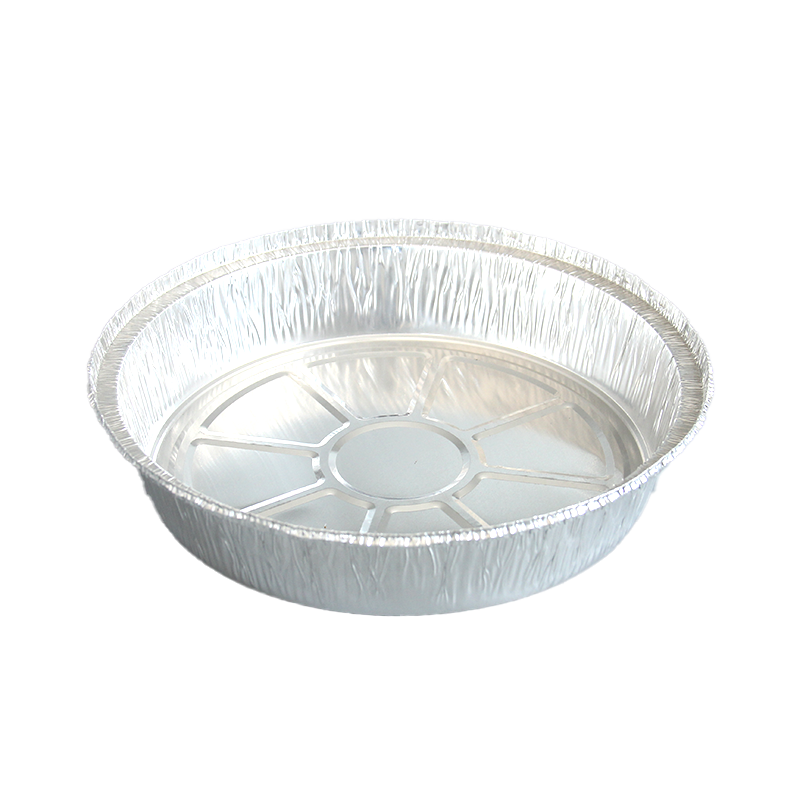
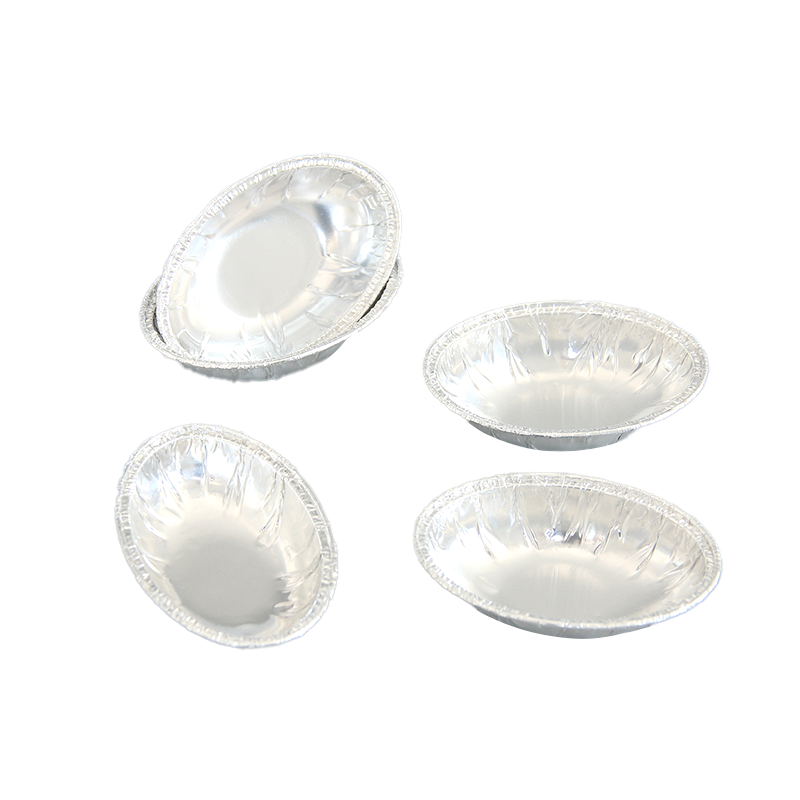
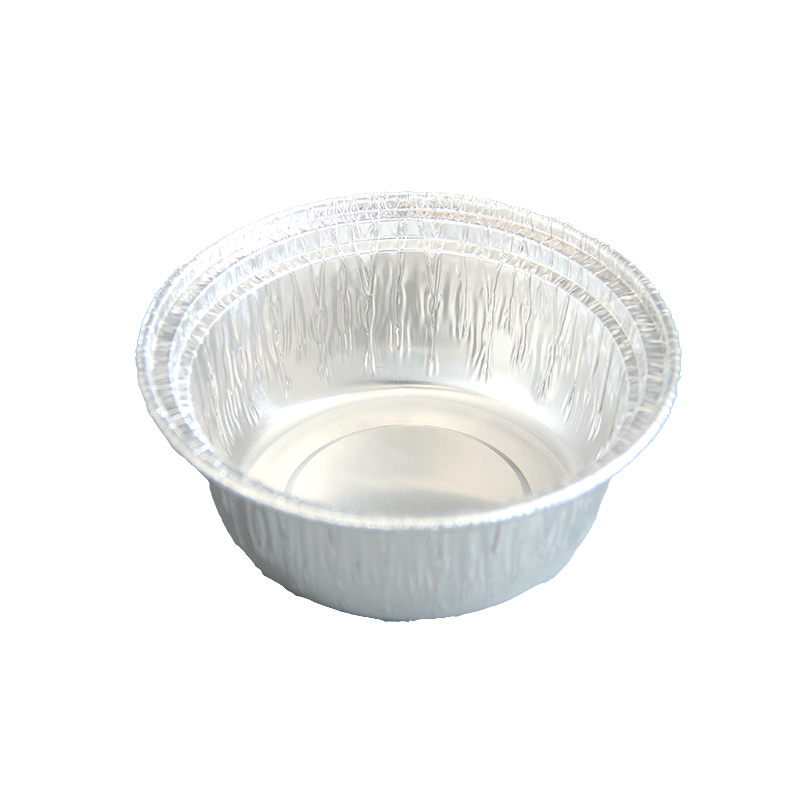
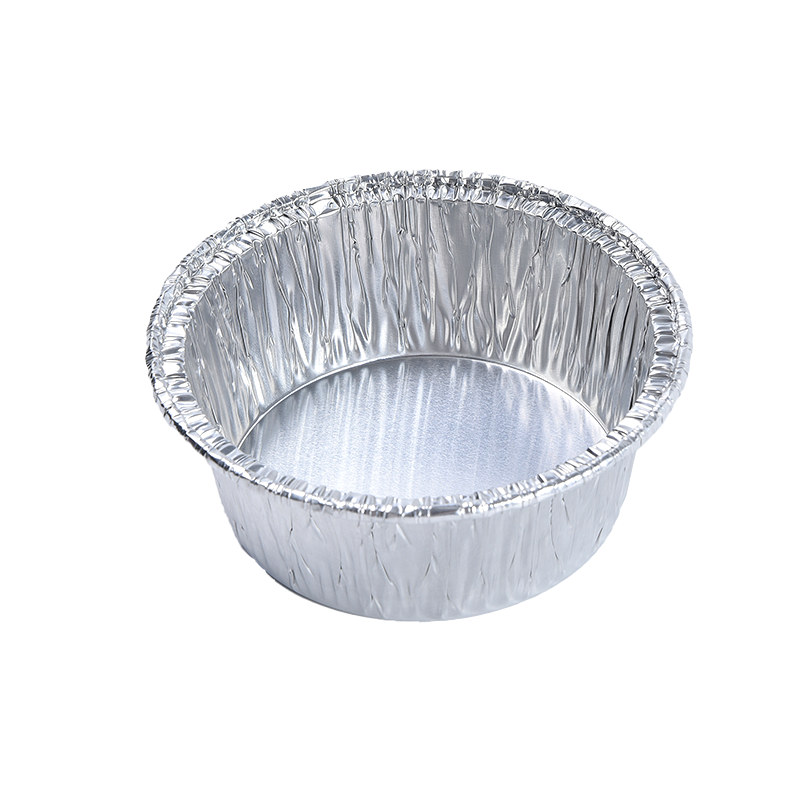
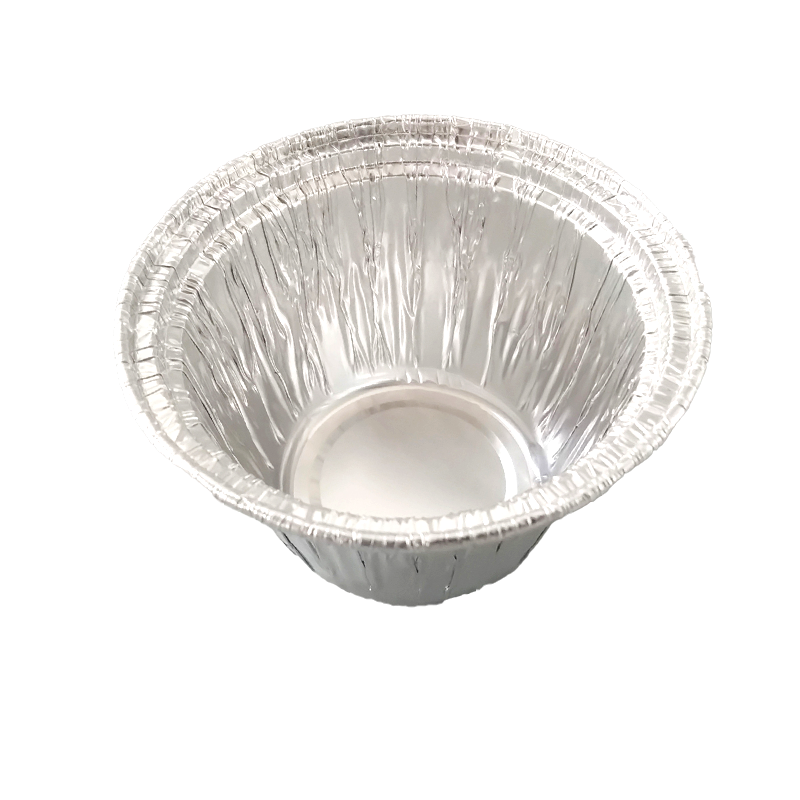
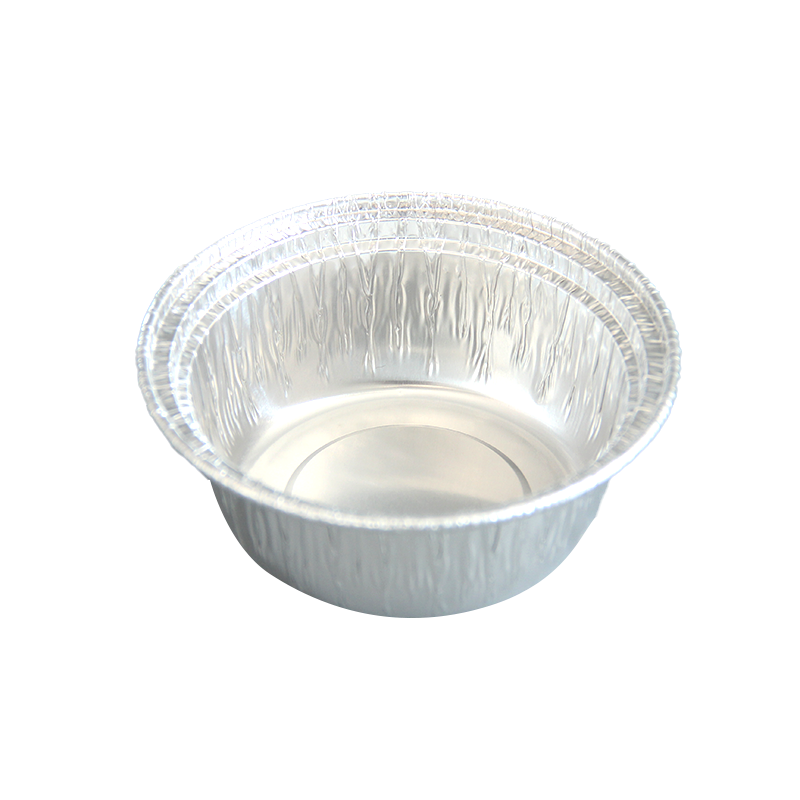

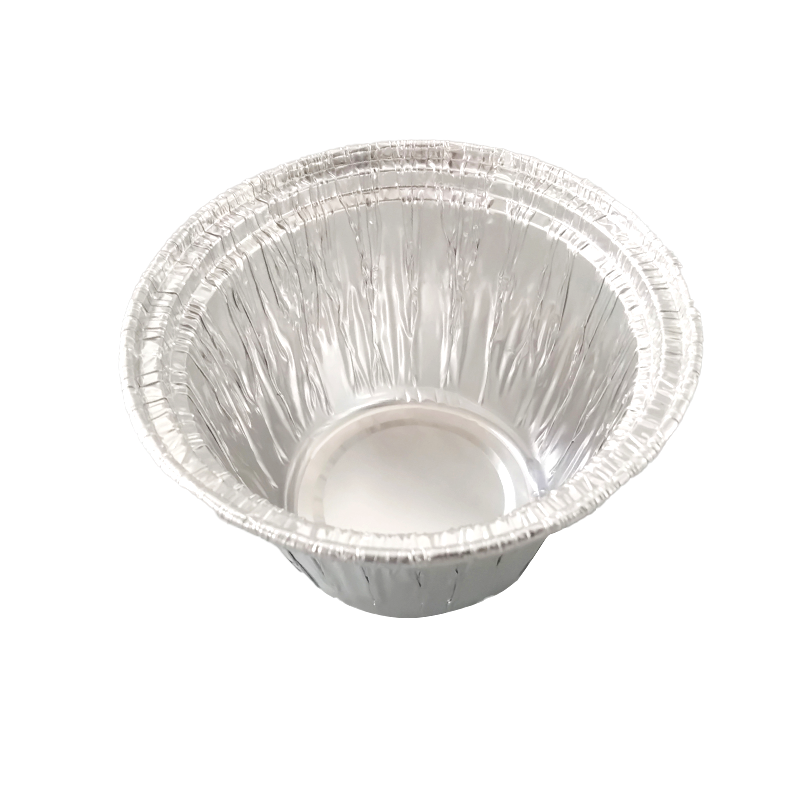
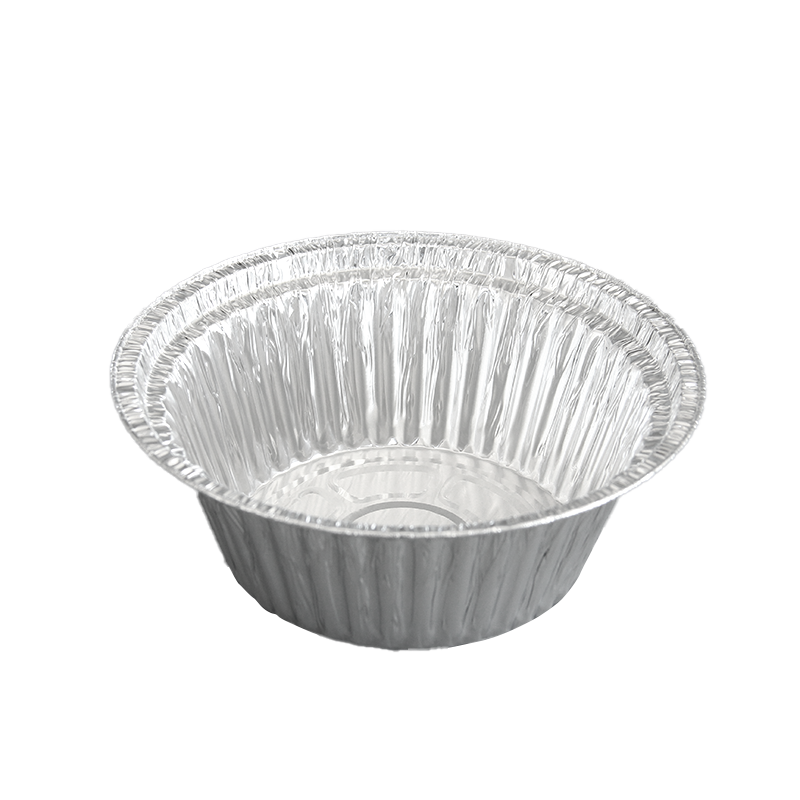
Round aluminum foil containers are a popular choice for food packaging, baking, takeaway, and catering applications where an even shape and attractive presentation are important. Their circular design is ideal for pizzas, cakes, pies, tarts, grilled dishes, roasted foods, and single-portion meals, making them widely used by restaurants, bakeries, supermarkets, food processors, and catering companies.
Manufactured from food-grade aluminum foil, these containers provide excellent heat conductivity for consistent cooking and baking results. They are suitable for use in conventional ovens, can withstand freezing temperatures, and help preserve food quality during storage and transportation. The rigid structure offers reliable strength while remaining lightweight, making handling and distribution more efficient.
Our round aluminum foil containers are available in a variety of diameters, depths, capacities, and foil thicknesses to accommodate different food products and serving sizes. Matching aluminum foil lids, plastic lids, and paperboard lids are available for secure sealing and convenient takeaway or delivery. Customized dimensions, embossed logos, printed lids, and private label packaging can also be supplied to meet specific branding and market requirements.
With their practical design, recyclable material, and broad application range, round aluminum foil containers provide an efficient packaging solution for commercial food production, retail sales, and food service operations worldwide.
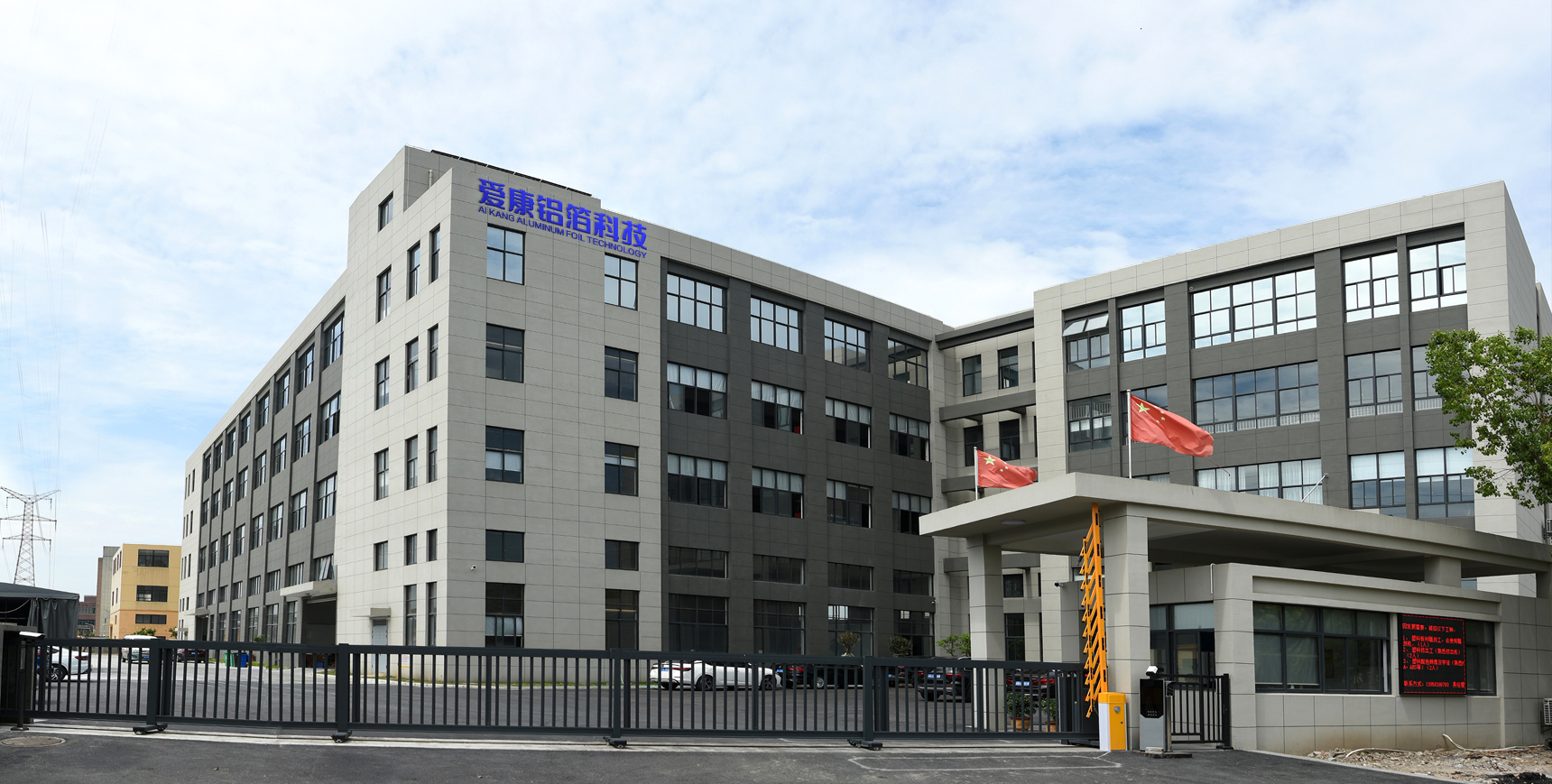

Ningbo Aikang Aluminum Foil Technology Co., Ltd.
Ningbo Aikang Aluminum Foil Technology Co., Ltd. is China Round Aluminum Foil Containers Supplierand Round Aluminum Foil Containers Factory, located in Haishu District, Ningbo, one of the most important port cities in China. The company is committed to the design, development, and production of environmentally disposable aluminum foil products and providing practical and advanced packaging solutions to meet the dynamic change of the market.
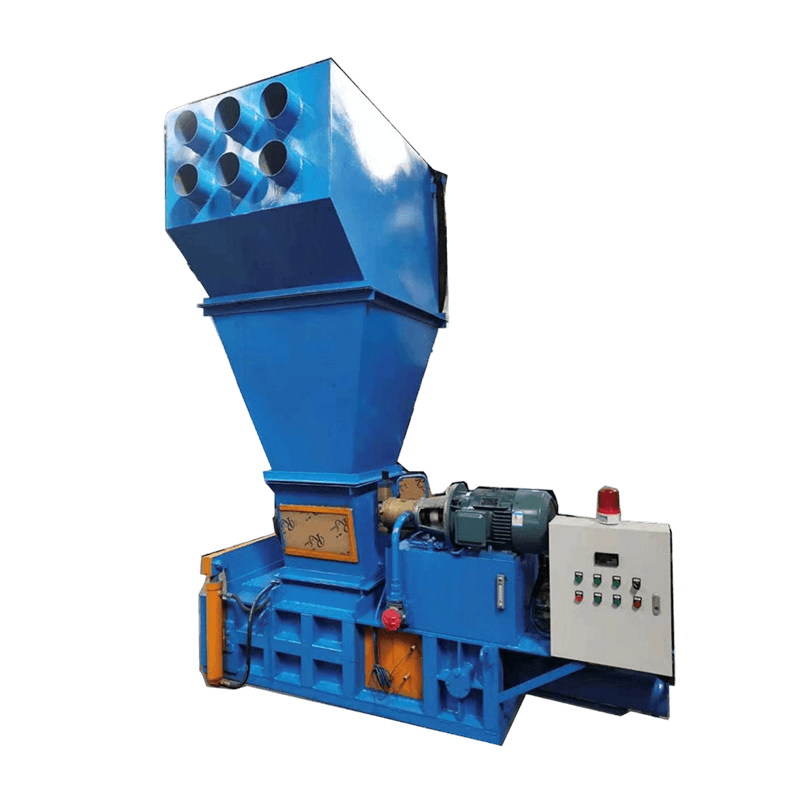
The main products consist of aviation aluminum foil containers, barbecue pans, Turkey pans, aluminum loaf pans, and other varied aluminum foil containers. Moreover, the company has developed several automatic production lines and molds to fully ensure the quality and diversity of the products. Equipped with professional design, advanced manufacturing facilities, and molds, qualified products, and a dedicated sales and service team, Aikang has ranked itself the top-notch enterprise in China.
The company has and will always hold the principle of " sincerity and integrity" to provide the best products and service to the customers at home and abroad and finally create a double-win situation. Looking forward to your visit and the cooperation with your esteemed company!
-
0Years of industry experience
We bring a wealth of knowledge and expertise to every project. Our extensive experience allows us to understand the unique challenges and requirements of the industry, enabling us to deliver tailored solutions that meet the highest standards.
-
0+Manufacturing Facilities
Aikang's extensive manufacturing and distribution network is a key driver of our ability to quickly and efficiently serve our customers.
-
0+Employees
We work hard as a team to continuously earn and sustain the trust of our customers and the consumers they serve.
Latest Updates
Pay Attention To Our Latest News And Exhibitions
-
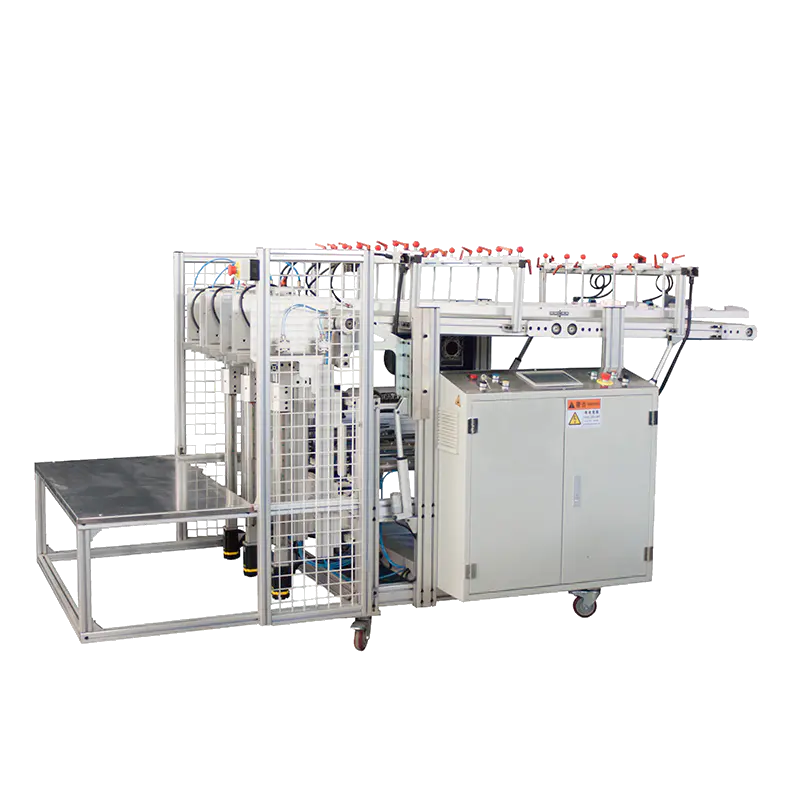 Automatic Stacking Machine: The Complete Guide to Automated Packaging EfficiencyIn today‘s fast-paced manufacturing environment, the automatic stacking machine has emerged as an in...View More >
 -
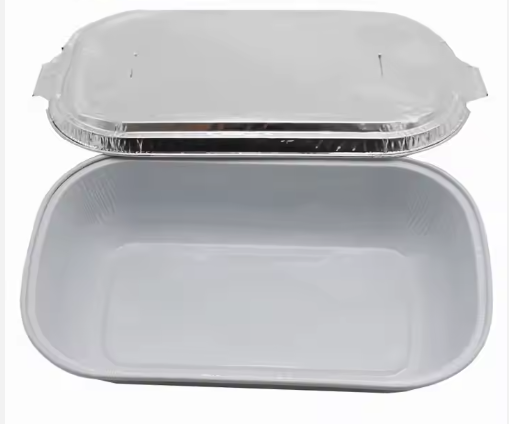 Aluminum Pans with Lids: The Complete SolutionWhile traditional foil baking pans are excellent for cooking, aluminum pans with lids offer an addit...View More >
 -
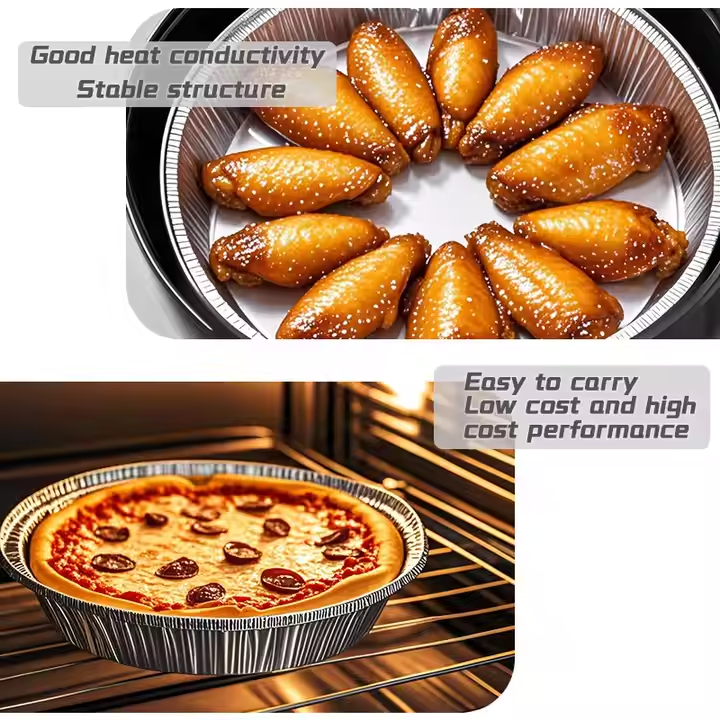 The Foil Baking Pans Sizes in AiKang factoryWhen it comes to baking, roasting, meal prep, or food storage, few kitchen tools offer the versatili...View More >
 -
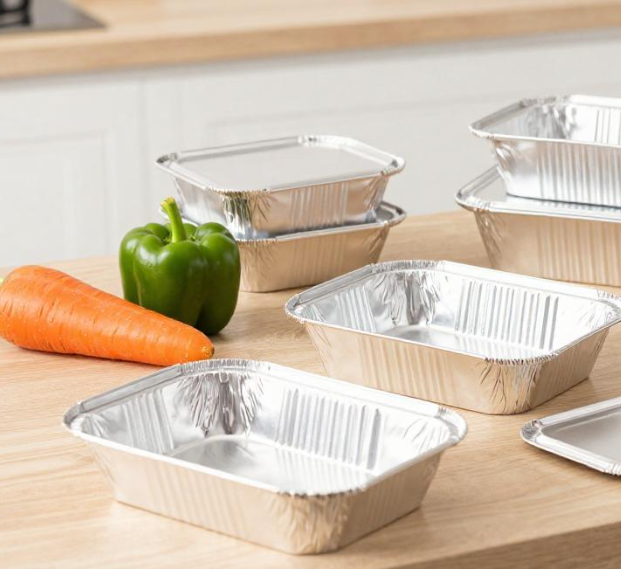 Can You Put Foil in the Grill? Safe Methods and Precautions You Must FollowYou are grilling salmon and zucchini, but the fish is flaking apart and the vegetables are falling...View More >
 -
 Does Aluminum Conduct Heat? Facts and Practical Insights for Food Packaging BuyersDoes aluminum conduct heat? Yes. Pure aluminum has a thermal conductivity of about 237 W/m·K, which...View More >
 -
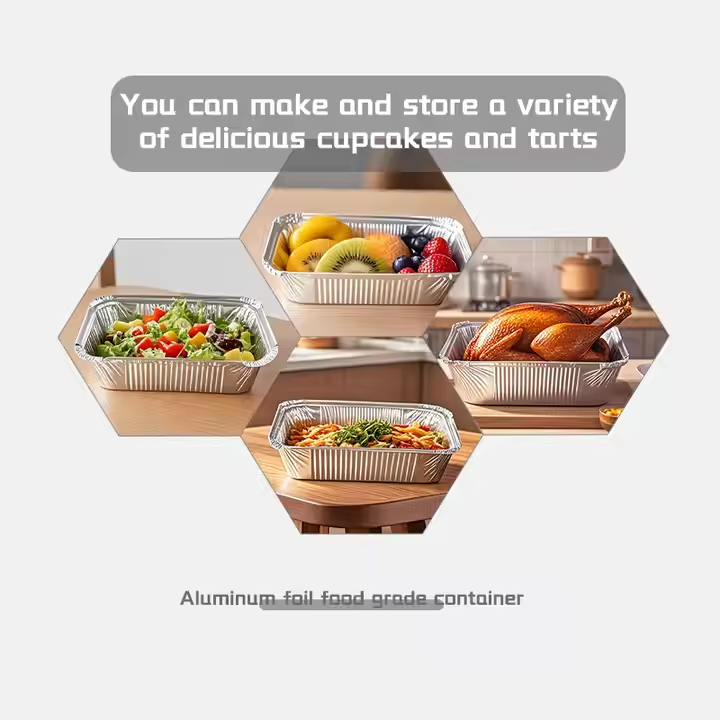 The Ultimate Guide to Aluminum Foil Lunch Boxes: Are They Safe, Reusable, and Worth It? | Ai Kang foil companyPicture this: you're packing lunch for the week, meal-prepping for a busy family, or running a takeo...View More >
Honor //
Honor / Warehouse Display
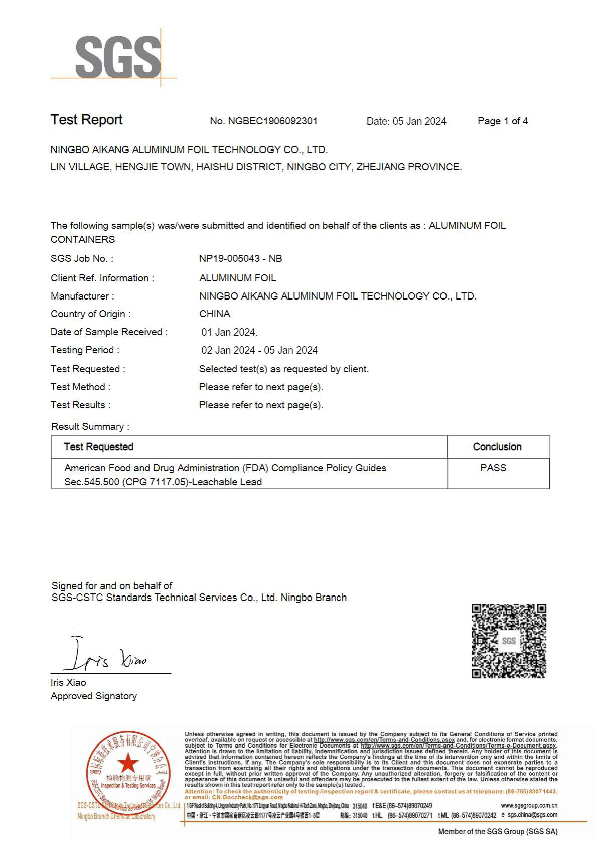
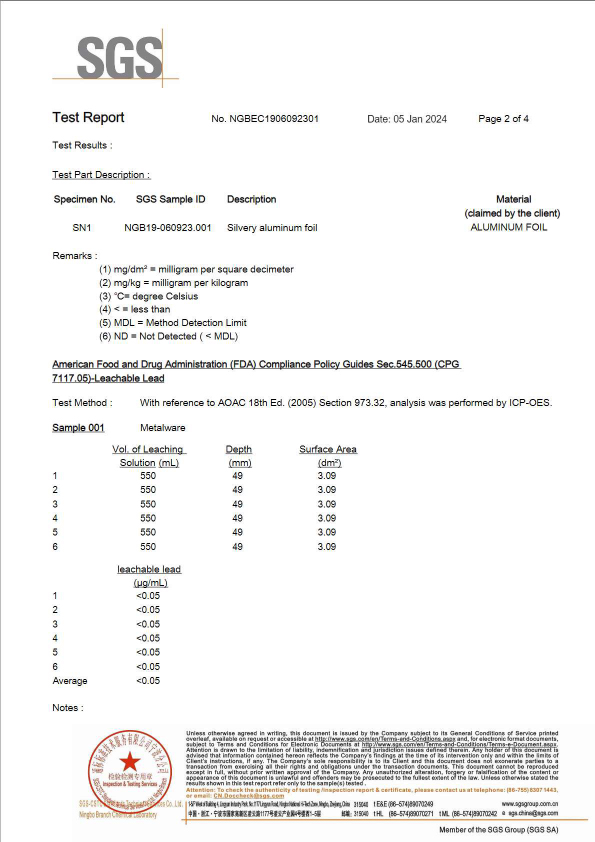
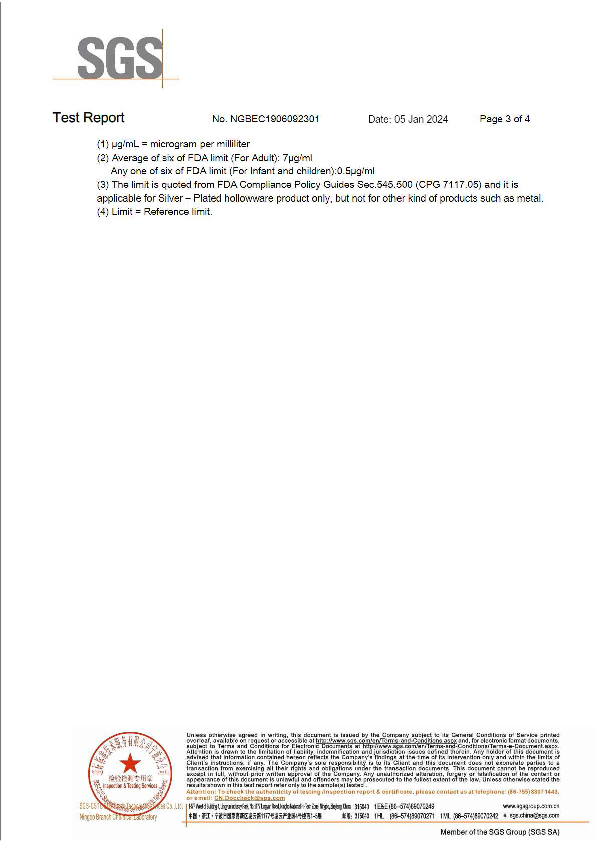
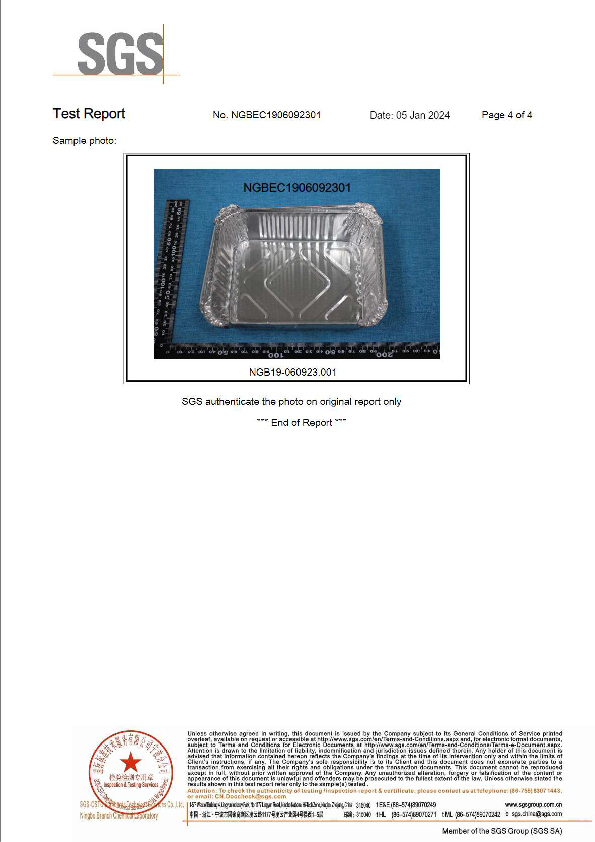
1. What Are Round Aluminum Foil Containers?
Round aluminum foil containers are disposable food packaging products manufactured from food-grade aluminum foil. Their circular structure provides a practical combination of presentation, heat performance, rigidity, and efficient storage. They are widely used by restaurants, bakeries, food manufacturers, supermarkets, catering companies, meal-preparation businesses, and takeaway operators.
Compared with irregular packaging formats, the round shape is particularly suitable for pizzas, pies, cakes, tarts, roasted foods, grilled dishes, casseroles, desserts, and single-portion meals. For B2B buyers, container diameter, depth, capacity, foil thickness, lid compatibility, carton quantity, and pallet efficiency are important purchasing considerations.
Aluminum is also highly thermally conductive, allowing heat to transfer efficiently during baking and reheating. This makes round foil containers suitable for commercial kitchens and food production environments where consistent temperature performance is important.
2. Why Businesses Choose Round Aluminum Foil Containers
(1) Strong Heat Performance
Aluminum foil transfers heat rapidly and evenly, which can help commercial bakeries and foodservice operators achieve consistent cooking and baking results. Depending on the container specification and intended use, aluminum containers can be used for conventional oven applications, refrigeration, freezing, and reheating.
(2) Lightweight but Rigid Construction
For distributors and food manufacturers, packaging weight directly affects handling and logistics. Aluminum containers provide structural strength while remaining relatively lightweight. The pressed and formed rim also helps maintain container geometry during filling, stacking, transportation, and serving.
(3) Flexible Food Applications
One container format can support multiple product categories. For example, a 6-inch or 7-inch round container may be suitable for individual pies, baked pasta, roasted meals, desserts, or other prepared foods, while deeper models can support larger portions and higher-volume food products.
(4) Convenient Takeaway and Delivery Packaging
Matching lids can help reduce exposure during storage and transportation. Depending on the application, buyers can select aluminum foil lids, plastic lids, or paperboard lids. A secure lid solution is especially important for catering, delivery, supermarket prepared foods, and meal-kit operations.
3. Key Specifications B2B Buyers Should Compare
When sourcing round aluminum foil containers wholesale, purchasing teams should avoid comparing products by diameter alone. The combination of dimensions, capacity, material thickness, rim design, lid compatibility, and packaging quantity determines the actual suitability and cost of the product.
| Specification | Why It Matters | Typical B2B Consideration |
|---|---|---|
| Diameter | Determines serving and product footprint | Match food size and equipment |
| Depth | Controls food volume and stacking height | Select according to portion size |
| Foil Thickness | Influences rigidity and product cost | Balance strength with material efficiency |
| Capacity | Defines approximate serving volume | Match recipes and SKU requirements |
| Lid Type | Affects sealing and presentation | Choose according to delivery and retail needs |
For large-volume procurement, even a small difference in unit weight can affect total material consumption across hundreds of thousands or millions of containers. Buyers should therefore request complete technical specifications and packaging details before comparing quotations.
4. Applications of Round Aluminum Foil Containers
(1) Bakery and Dessert Packaging
Round foil containers are commonly used for pies, cakes, tarts, puddings, and other baked products. Their shape provides a clean presentation while allowing food to be baked, stored, transported, and served in the same package where the specific product and container specification permit.
(2) Catering and Foodservice
Catering companies can use different diameters and depths to package individual meals, side dishes, baked dishes, and desserts. Standardized container sizes can simplify purchasing and inventory management across multiple locations.
(3) Food Processing and Ready Meals
Food processors can select deeper containers for prepared meals, roasted foods, pasta dishes, and other high-volume products. For industrial applications, container dimensions should be matched with filling equipment, sealing equipment, ovens, freezers, and distribution cartons.
(4) Supermarket and Retail Food
Prepared food departments can use round aluminum containers for ready-to-eat or ready-to-heat products. Customized lids, printed packaging, labels, and private-label solutions can help retailers maintain consistent brand presentation across multiple SKUs.
5. Food Safety and Regulatory Considerations in 2026
Food-contact compliance is a critical issue for international B2B buyers. In the United States, the U.S. Food and Drug Administration maintains an inventory of food-contact substances authorized under applicable provisions of 21 CFR, with authorization depending on the substance, intended food type, and conditions of use. FDA guidance also distinguishes conditions such as refrigerated storage, frozen storage, hot filling, pasteurization, and cooking above 250°F. :contentReference[oaicite:0]{index=0}
For the European market, food-contact materials must comply with the general safety requirements of Regulation (EC) No 1935/2004 and applicable Good Manufacturing Practice requirements. The European Commission states that food-contact materials must not release constituents at levels harmful to health or cause unacceptable changes to food composition, taste, or odor. :contentReference[oaicite:1]{index=1}
As of August 7, 2026, the EU Packaging and Packaging Waste Regulation (PPWR) is particularly important for companies selling packaging into Europe because its general application begins on August 12, 2026. The regulation covers packaging across its life cycle and introduces requirements related to recyclability, waste prevention, and packaging design. :contentReference[oaicite:2]{index=2}
For B2B purchasing, compliance should therefore be evaluated according to the destination market rather than relying on a generic statement such as “food grade.” Buyers should request appropriate declarations, material specifications, test documentation, and intended-use information from suppliers.
6. Sustainability and Recycling Advantages
Aluminum is widely valued for its recycling potential. For commercial buyers, however, sustainability claims should be supported by the actual material specification, manufacturing process, local recycling infrastructure, and applicable market requirements. The EU's PPWR is moving packaging policy toward greater recyclability, reduced material use, and stronger circular-economy principles, with a stated objective that packaging on the EU market be recyclable in an economically viable way by 2030. :contentReference[oaicite:3]{index=3}
For procurement teams, an efficient approach is to evaluate both product performance and material efficiency. A container that uses an appropriate foil thickness while maintaining sufficient rigidity can potentially reduce unnecessary material consumption without compromising the packaging function.
7. Why Choose Ningbo Aikang Aluminum Foil Technology Co., Ltd.?
Ningbo Aikang Aluminum Foil Technology Co., Ltd. is a China Round Aluminum Foil Containers Supplier and Round Aluminum Foil Containers Factory, located in Haishu District, Ningbo, one of China's important port cities. The company focuses on the design, development, and production of environmentally disposable aluminum foil products and provides practical packaging solutions for changing international market requirements.
Our round aluminum foil containers are available in different diameters, depths, capacities, and foil thicknesses to support diverse commercial food applications. Matching aluminum foil lids, plastic lids, and paperboard lids are available for secure packaging and takeaway applications.
For distributors, food manufacturers, catering groups, and private-label customers, customized dimensions, embossed logos, printed lids, and private-label packaging can be supplied according to project requirements. This allows buyers to develop packaging around their product size, branding strategy, production process, and target market.
A professional supplier should be evaluated not only by unit price but also by dimensional consistency, material control, production capacity, quality management, packaging method, customization capability, lead time, and export experience. For high-volume B2B procurement, stable specifications and reliable supply are often as important as the initial quotation.
8. How to Select the Right Round Aluminum Foil Container Supplier
A structured supplier evaluation can reduce purchasing risks. Before placing a bulk order, buyers should confirm the following:
- Food-contact material and compliance documentation for the target market.
- Container diameter, depth, capacity, rim dimensions, and foil thickness.
- Compatibility with aluminum, plastic, or paperboard lids.
- Packaging quantity per carton and carton dimensions for logistics planning.
- Production capacity and expected lead time for repeat orders.
- Sample approval procedures and quality inspection standards.
- Customization options including logo embossing, printed lids, and private labeling.
- Export documentation and support for the destination market.
| Buyer Type | Recommended Focus | Important Question |
|---|---|---|
| Food Manufacturer | Production compatibility | Does the container fit our filling and sealing process? |
| Restaurant Chain | Consistency and supply | Can the supplier maintain the same specification across repeat orders? |
| Distributor | SKU range and logistics | Can multiple sizes be supplied efficiently? |
| Private-Label Brand | Customization | Can logos, lids, and packaging be customized? |
9. Frequently Asked Questions About Round Aluminum Foil Containers
Q1. Are round aluminum foil containers safe for food?
Food-contact safety depends on the specific material, manufacturing process, intended food type, and conditions of use. Commercial buyers should select containers manufactured for food-contact applications and request relevant compliance documentation for their target market. FDA food-contact requirements, for example, can depend on both food type and conditions such as heating, refrigeration, or freezing. :contentReference[oaicite:4]{index=4}
Q2. Can round aluminum foil containers be used in an oven?
Many aluminum foil containers are designed for conventional oven use because aluminum conducts heat efficiently. However, buyers should always confirm the supplier's stated temperature and application limits for the exact container model. The container should also be compatible with the food product, oven process, and any coating or lid used.
Q3. Can round aluminum foil containers be frozen?
Yes, suitable aluminum food containers can be used for frozen food applications. FDA guidance recognizes frozen storage as a distinct condition of use for food-contact substances, so commercial buyers should verify that the selected specification is appropriate for their intended freezing and storage process. :contentReference[oaicite:5]{index=5}
Q4. What sizes of round aluminum foil containers are available?
Sizes vary by manufacturer and application and can be specified by diameter, depth, and capacity. Common commercial applications range from individual dessert and meal containers to larger catering and food-processing formats. For accurate sourcing, buyers should provide the desired diameter, depth, approximate volume, food type, and lid requirement instead of ordering based only on a nominal size.
Q5. Can aluminum foil containers be customized with a logo?
Yes. Depending on the manufacturer's production capabilities, customization can include embossed logos, customized dimensions, printed lids, paperboard packaging, and private-label solutions. For B2B projects, buyers should confirm artwork requirements, minimum order quantities, tooling costs, color specifications, sampling procedures, and production lead times before approval.
Q6. Are aluminum foil containers recyclable?
Aluminum is a recyclable material, but actual recycling depends on local collection and sorting systems as well as contamination and local regulations. For companies selling into Europe, packaging requirements are becoming increasingly important because the PPWR entered into force in 2025 and generally applies from August 12, 2026, with stronger requirements concerning packaging recyclability and waste prevention. :contentReference[oaicite:6]{index=6}
Q7. What should I consider when buying round aluminum foil containers wholesale?
The most important factors include material specification, foil thickness, diameter, depth, capacity, container rigidity, lid compatibility, food-contact compliance, carton quantity, pallet efficiency, customization, MOQ, lead time, and supplier production capacity. For large orders, requesting samples and conducting dimensional and performance checks before mass production can significantly reduce the risk of receiving unsuitable packaging.
Q8. How can I choose the best round aluminum foil container for my food product?
Start with the food product and production process. Define the required portion size, diameter, depth, filling weight, storage temperature, cooking or reheating method, lid type, stacking requirements, and transportation conditions. Then compare samples from qualified suppliers. The best container is not necessarily the cheapest unit; it is the specification that delivers the required performance at the lowest practical total cost of packaging, logistics, labor, and waste.

Ningbo Aikang Aluminum Foil Technology Co., Ltd, based in Ningbo, produces eco-friendly disposable aluminum foil products. They prioritize quality and customer satisfaction, serving the global market with innovative packaging solutions.


Quick Links
Contact
-
 No. 5 Yongxing East Road, Fengshan Street, Yuyao City, Zhejiang Province, China
-
 Tel: +86-15867468784
-
 E-mail: [email protected]
Send Us A Message
