
 English
 日本語
日本語 عربى
عربى Español
Product Categories
Recent Posts
Aikang excels in eco-friendly aluminum foil products, delivering innovative packaging solutions and upholding quality and customer satisfaction globally.
contact usContainer Handling Systems Supplier
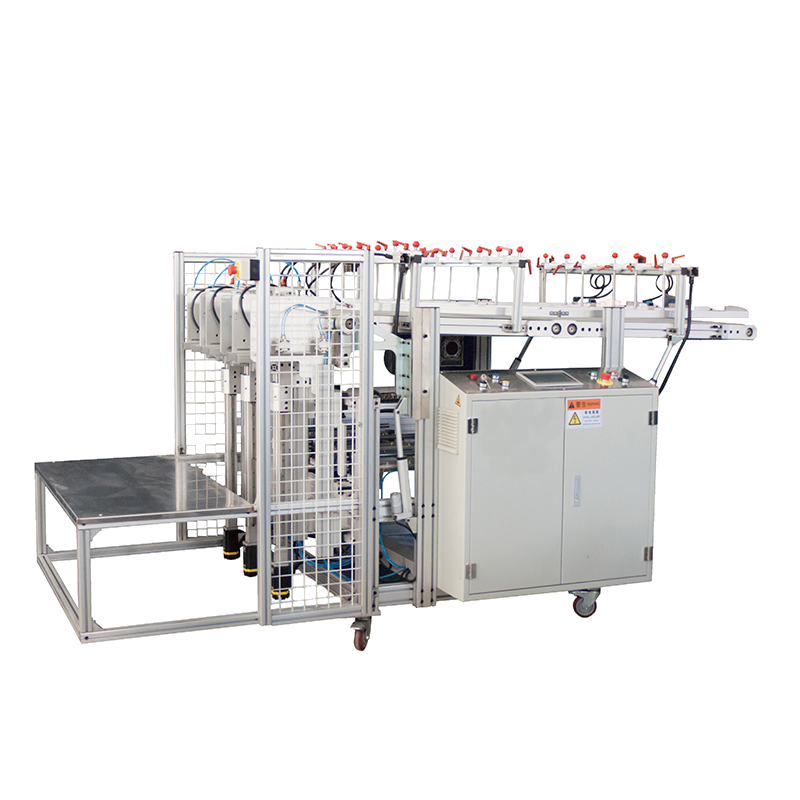
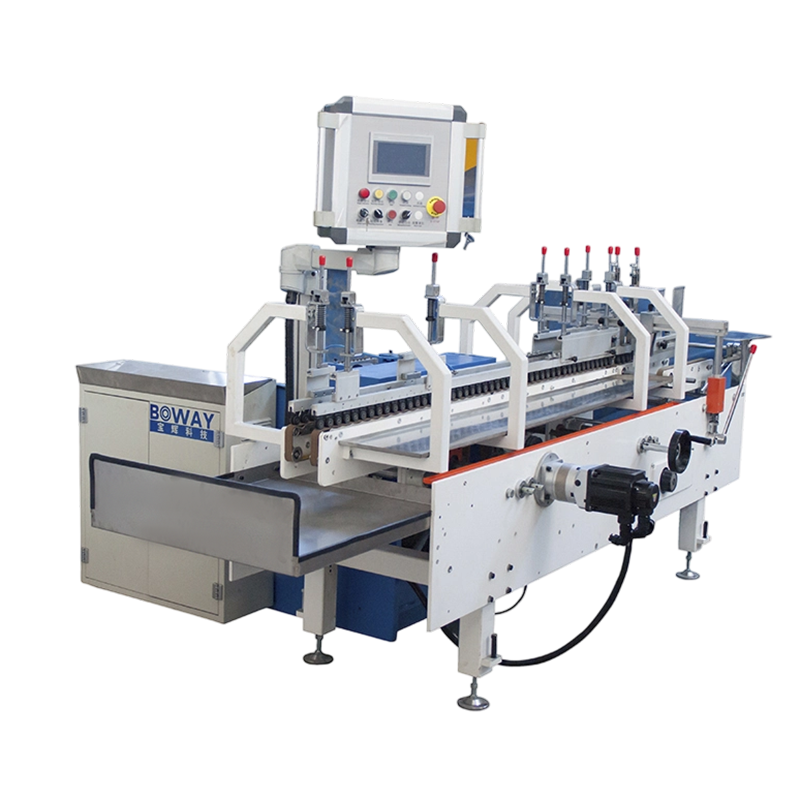
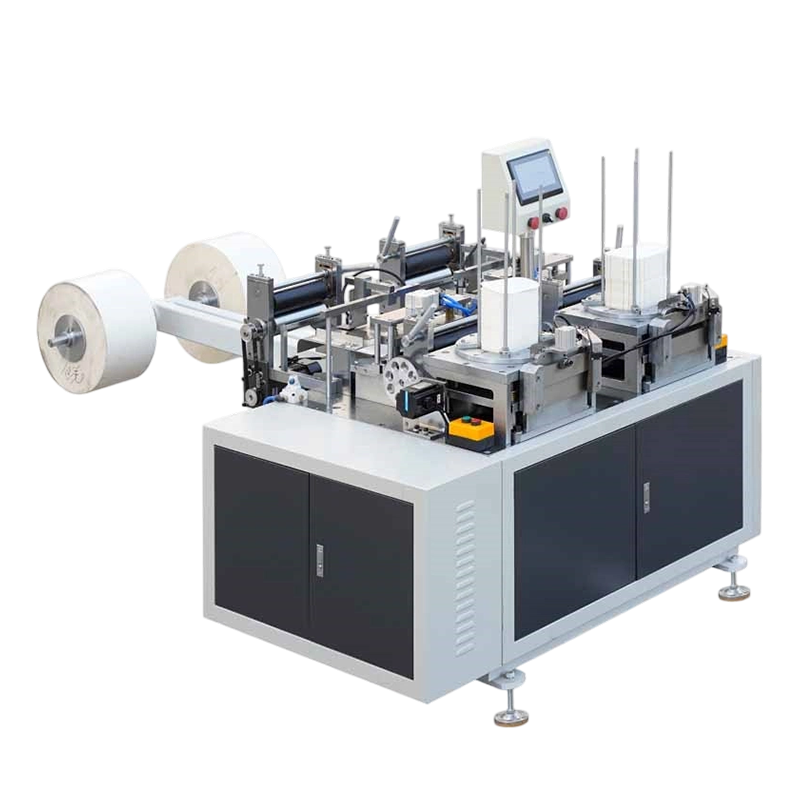
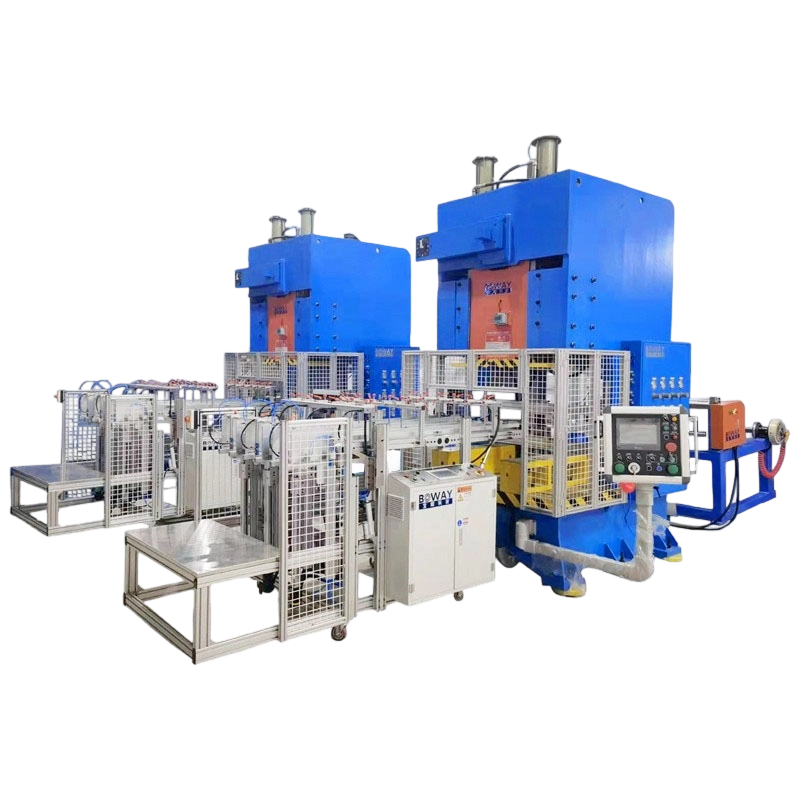
Container handling systems are designed to automate the collection, stacking, counting, conveying, and transfer of finished aluminum foil containers after the forming process. By replacing manual handling with continuous automated operation, these systems improve production efficiency, reduce labor costs, and minimize the risk of product deformation during high-speed manufacturing. They are widely used in aluminum foil container factories, food packaging production facilities, and fully automated manufacturing lines.
Integrated with container forming machines, container handling systems accurately receive finished products and arrange them into neat, uniform stacks for downstream packaging or storage. Servo-driven controls and intelligent sensors ensure stable operation, synchronized production flow, and precise counting, allowing the entire production line to maintain high output with minimal interruption. Automated handling also reduces product contact, helping preserve container appearance and improve packaging consistency.
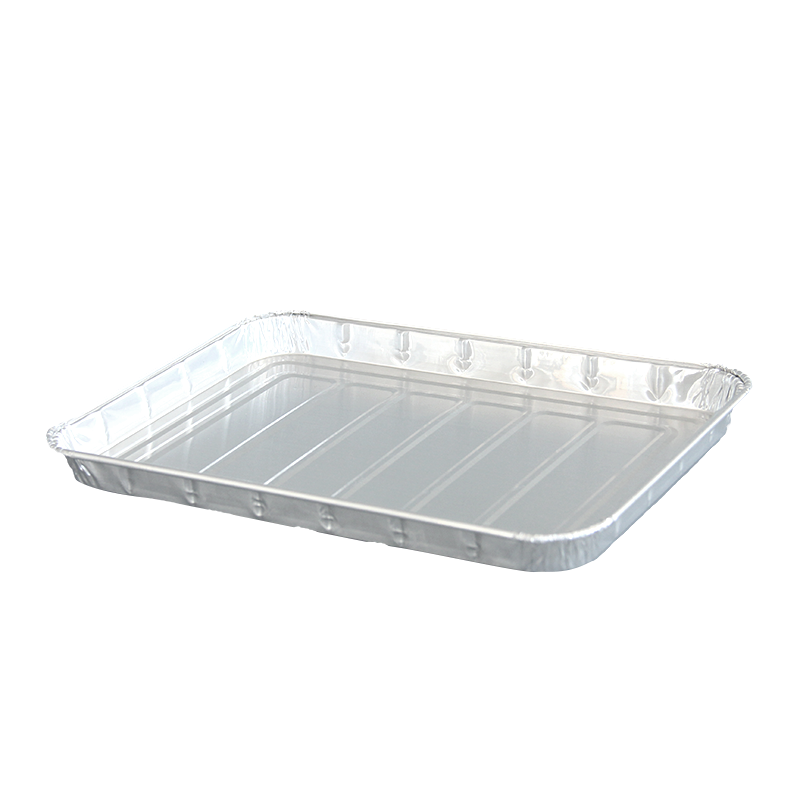
The systems can be configured with automatic stacking, conveying, counting, sorting, robotic pick-and-place, and packaging integration functions to match different production capacities and factory layouts. Compatible with rectangular containers, round containers, compartment trays, roasting pans, and customized foil products, container handling systems provide flexible solutions for manufacturers seeking higher automation, greater production efficiency, and reliable large-scale operation. OEM customization and complete production line integration are available to meet the requirements of equipment manufacturers, packaging companies, and global aluminum foil container producers.
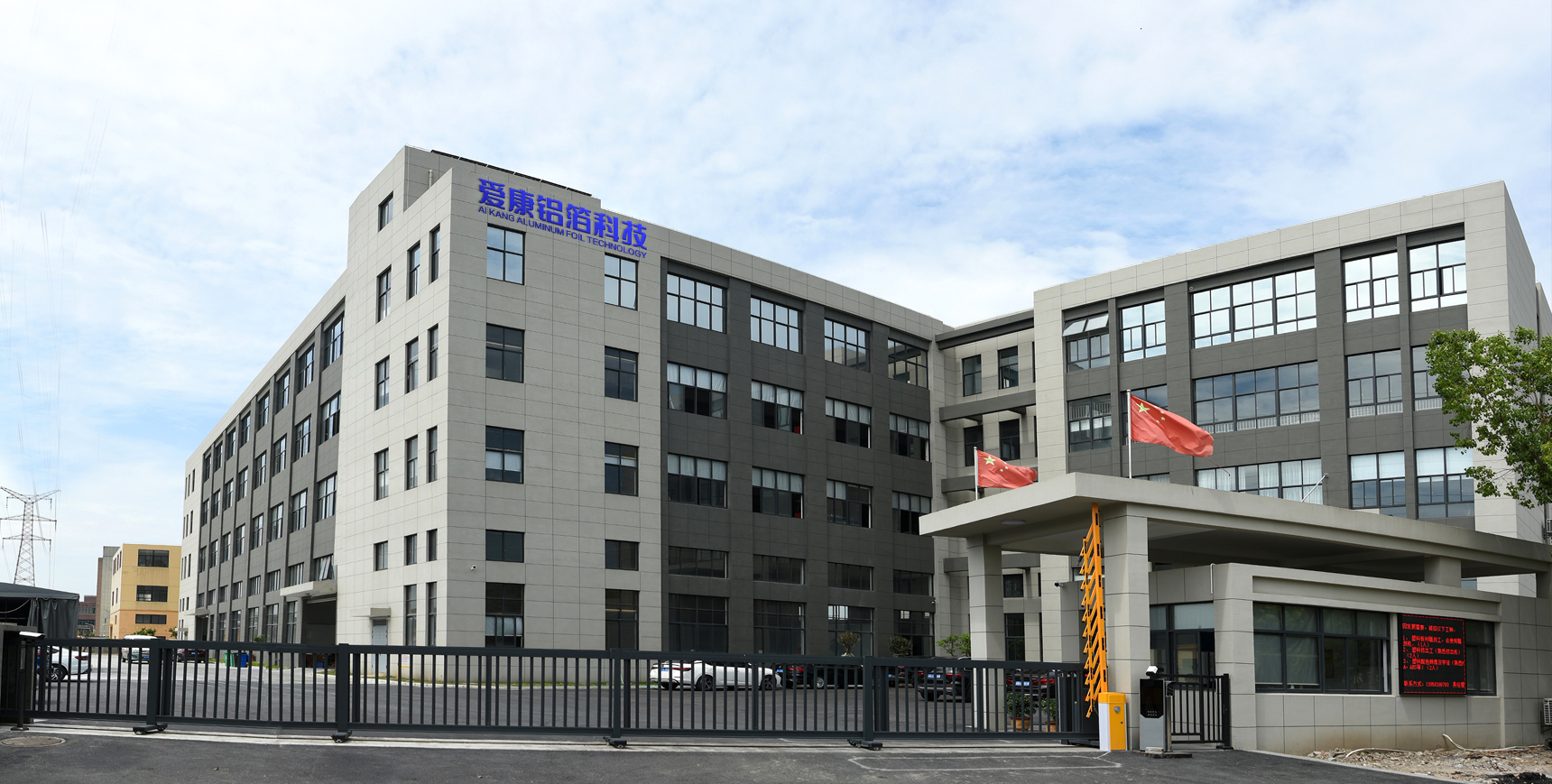

Ningbo Aikang Aluminum Foil Technology Co., Ltd.
Ningbo Aikang Aluminum Foil Technology Co., Ltd. is China Container Handling Systems Supplierand Container Handling Systems Factory, located in Haishu District, Ningbo, one of the most important port cities in China. The company is committed to the design, development, and production of environmentally disposable aluminum foil products and providing practical and advanced packaging solutions to meet the dynamic change of the market.
The main products consist of aviation aluminum foil containers, barbecue pans, Turkey pans, aluminum loaf pans, and other varied aluminum foil containers. Moreover, the company has developed several automatic production lines and molds to fully ensure the quality and diversity of the products. Equipped with professional design, advanced manufacturing facilities, and molds, qualified products, and a dedicated sales and service team, Aikang has ranked itself the top-notch enterprise in China.
The company has and will always hold the principle of " sincerity and integrity" to provide the best products and service to the customers at home and abroad and finally create a double-win situation. Looking forward to your visit and the cooperation with your esteemed company!
-
0Years of industry experience
We bring a wealth of knowledge and expertise to every project. Our extensive experience allows us to understand the unique challenges and requirements of the industry, enabling us to deliver tailored solutions that meet the highest standards.
-
0+Manufacturing Facilities
Aikang's extensive manufacturing and distribution network is a key driver of our ability to quickly and efficiently serve our customers.
-
0+Employees
We work hard as a team to continuously earn and sustain the trust of our customers and the consumers they serve.
Latest Updates
Pay Attention To Our Latest News And Exhibitions
-
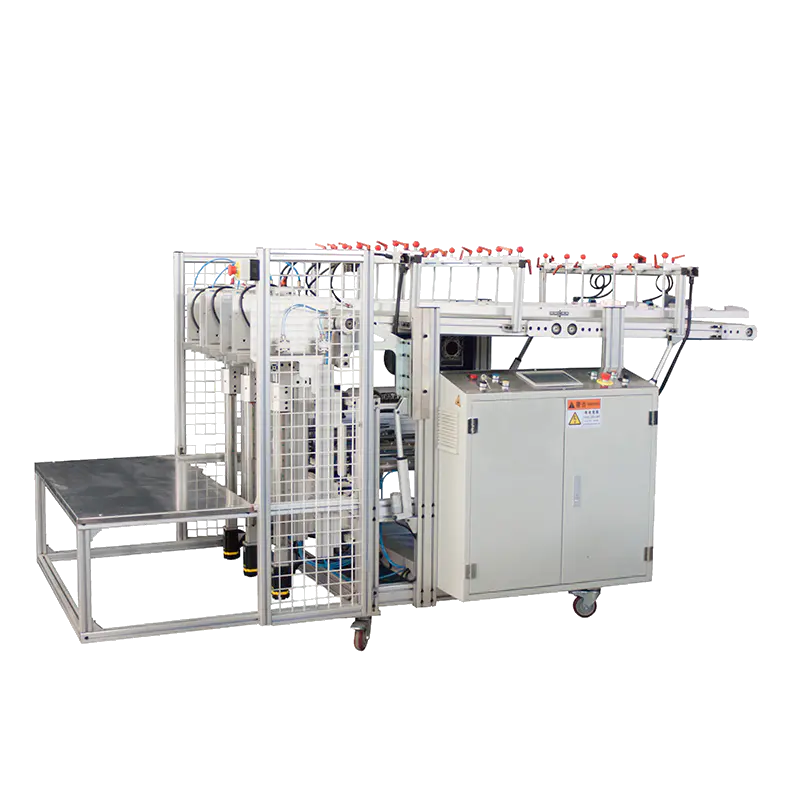 Automatic Stacking Machine: The Complete Guide to Automated Packaging EfficiencyIn today‘s fast-paced manufacturing environment, the automatic stacking machine has emerged as an in...View More >
 -
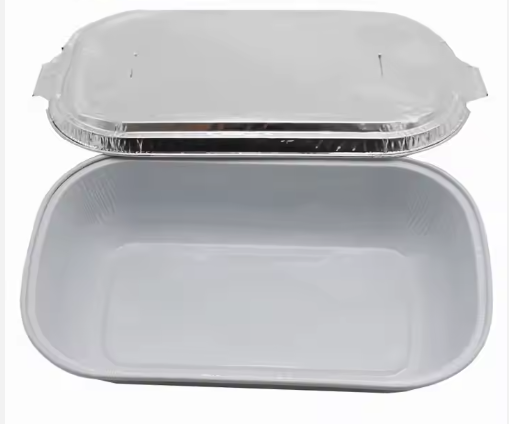 Aluminum Pans with Lids: The Complete SolutionWhile traditional foil baking pans are excellent for cooking, aluminum pans with lids offer an addit...View More >
 -
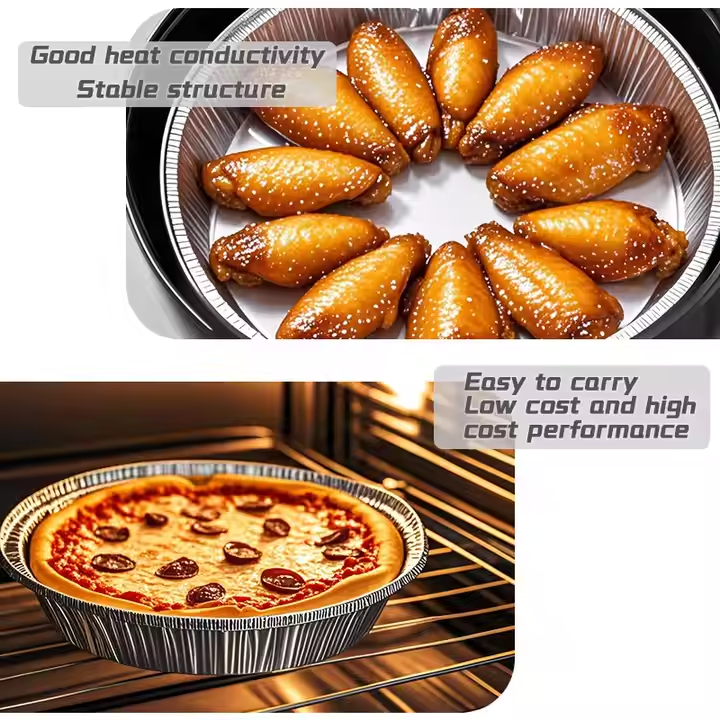 The Foil Baking Pans Sizes in AiKang factoryWhen it comes to baking, roasting, meal prep, or food storage, few kitchen tools offer the versatili...View More >
 -
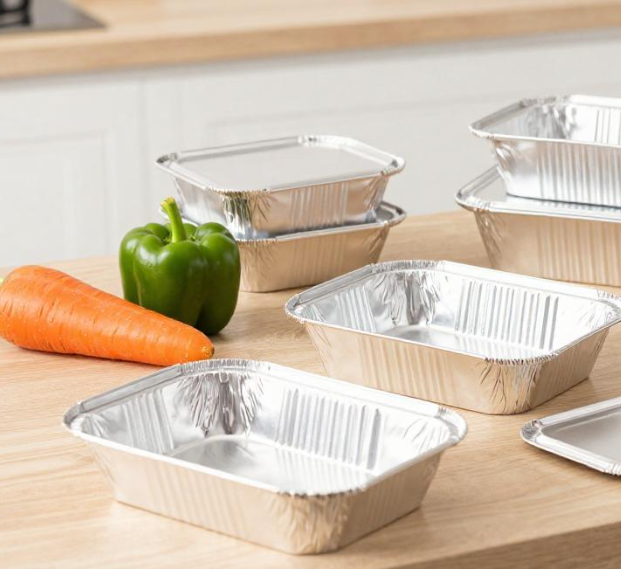 Can You Put Foil in the Grill? Safe Methods and Precautions You Must FollowYou are grilling salmon and zucchini, but the fish is flaking apart and the vegetables are falling...View More >
 -
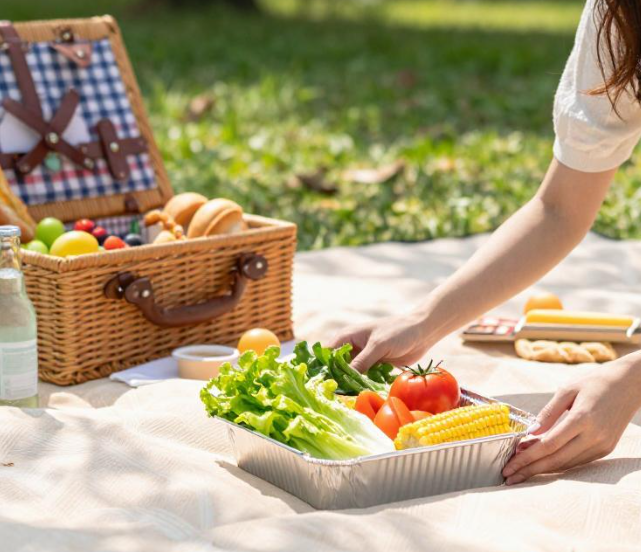 Does Aluminum Conduct Heat? Facts and Practical Insights for Food Packaging BuyersDoes aluminum conduct heat? Yes. Pure aluminum has a thermal conductivity of about 237 W/m·K, which...View More >
 -
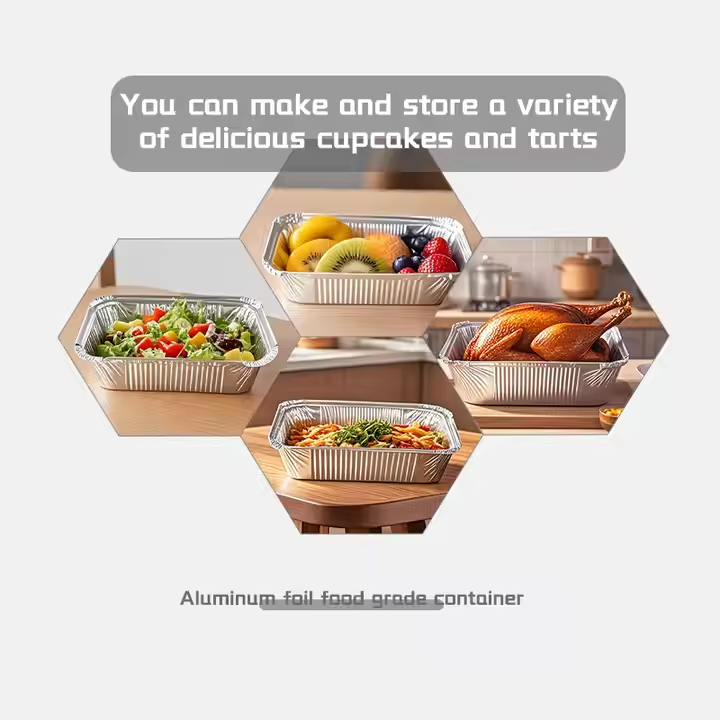 The Ultimate Guide to Aluminum Foil Lunch Boxes: Are They Safe, Reusable, and Worth It? | Ai Kang foil companyPicture this: you're packing lunch for the week, meal-prepping for a busy family, or running a takeo...View More >
Honor //
Honor / Warehouse Display
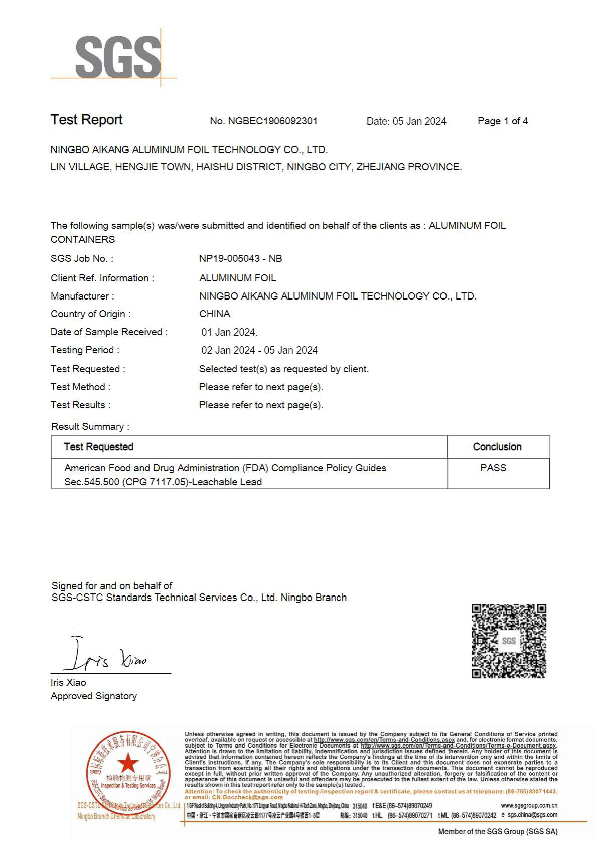
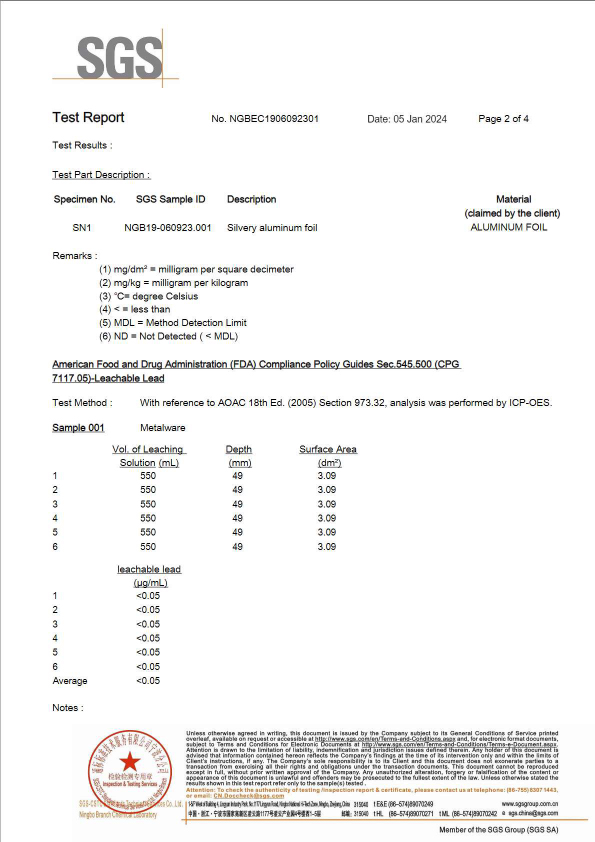
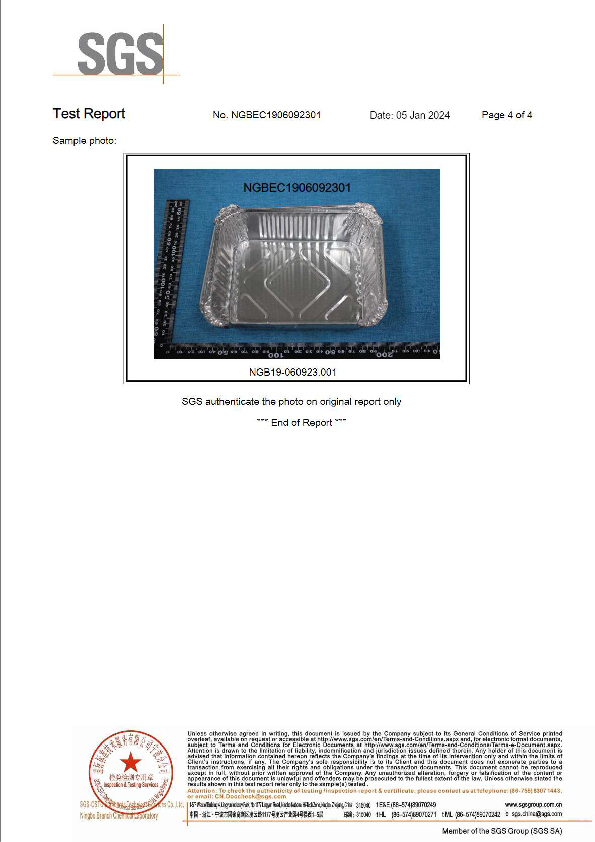
1. What Are Container Handling Systems?
Container handling systems automate the collection, stacking, counting, conveying, and transfer of finished aluminum foil containers immediately after they exit the forming press. Replacing manual handling with continuous automated operation removes one of the most labor-intensive steps in the production line, while also reducing the risk of dents, scratches, and deformation caused by manual contact. For factories running multiple shifts, this step alone can account for up to 20% of total labor hours when performed manually.
By synchronizing directly with the forming machine's output rate, handling systems keep pace with high-speed stamping cycles, preventing bottlenecks that would otherwise limit overall line throughput regardless of how fast the forming press itself runs.
2. Core Functions and Technology
A complete container handling system typically combines several automated functions working in sequence to move finished products from the press to the packaging stage.
(1) Automatic Stacking
Stacking modules arrange containers into neat, uniform piles at controlled heights, preventing tipping or misalignment that could damage products or slow downstream packaging.
(2) Servo-Driven Conveying
Servo-controlled conveyors transport stacked containers to packaging or storage stations at synchronized speeds, maintaining a continuous flow that matches the forming machine's cycle rate, commonly up to 150 strokes per minute on high-speed lines.
(3) Intelligent Counting and Sorting
Sensor-based counting ensures accurate batch quantities for packaging, while sorting functions can separate products by size or detect defective pieces before they reach the next stage.
(4) Robotic Pick-and-Place
Robotic arms handle more complex product arrangements, such as compartment trays or irregular shapes, offering flexibility that fixed mechanical stackers cannot always achieve.
3. Configuration Levels and Output Comparison
Manufacturers select handling system configurations based on production volume, container complexity, and available automation budget. The table below compares three common configuration levels.
| Configuration | Handling Function | Typical Output (pcs/hour) | Labor Requirement |
|---|---|---|---|
| Basic Conveying | Manual stacking, auto conveying | 8,000–12,000 | Medium |
| Automatic Stacking | Auto stack, count, convey | 15,000–20,000 | Low |
| Robotic Integration | Full pick-place, sort, pack | 22,000–28,000 | Minimal |
4. Key Advantages for Large-Scale Manufacturers
For factories aiming to scale output without proportionally increasing labor costs, automated handling systems deliver measurable operational advantages.
- Reduced labor costs by eliminating manual stacking and counting positions.
- Lower product damage rates through reduced manual contact and controlled handling.
- Improved production consistency with synchronized, sensor-driven operation.
- Accurate real-time counting for reliable inventory and order fulfillment tracking.
- Seamless integration with downstream packaging lines for end-to-end automation.
5. Choosing a Reliable Container Handling System Supplier
Container handling systems are designed to automate the collection, stacking, counting, conveying, and transfer of finished aluminum foil containers after the forming process. By replacing manual handling with continuous automated operation, these systems improve production efficiency, reduce labor costs, and minimize the risk of product deformation during high-speed manufacturing. They are widely used in aluminum foil container factories, food packaging production facilities, and fully automated manufacturing lines.
Integrated with container forming machines, container handling systems accurately receive finished products and arrange them into neat, uniform stacks for downstream packaging or storage. Servo-driven controls and intelligent sensors ensure stable operation, synchronized production flow, and precise counting, allowing the entire production line to maintain high output with minimal interruption.
The systems can be configured with automatic stacking, conveying, counting, sorting, robotic pick-and-place, and packaging integration functions to match different production capacities and factory layouts. Compatible with rectangular containers, round containers, compartment trays, roasting pans, and customized foil products, container handling systems provide flexible solutions for manufacturers seeking higher automation and reliable large-scale operation.
Ningbo Aikang Aluminum Foil Technology Co., Ltd. is a China Feeding Systems Supplier and Feeding Systems Factory, located in Haishu District, Ningbo, one of the most important port cities in China. The company is committed to the design, development, and production of environmentally disposable aluminum foil products and providing practical and advanced packaging solutions to meet the dynamic change of the market.
The main products consist of aviation aluminum foil containers, barbecue pans, Turkey pans, aluminum loaf pans, and other varied aluminum foil containers. Moreover, the company has developed several automatic production lines and molds to fully ensure the quality and diversity of the products. Equipped with professional design, advanced manufacturing facilities, and molds, qualified products, and a dedicated sales and service team, Aikang has ranked itself as a top-notch enterprise in China.
6. Frequently Asked Questions
Q1: Can handling systems work with irregularly shaped containers?
Yes, robotic pick-and-place modules can handle compartment trays and irregular shapes that fixed mechanical stackers may struggle to process accurately.
Q2: How much labor can automated handling systems save?
Manufacturers commonly report reducing manual handling staff by 60–80% after implementing automatic stacking and conveying systems.
Q3: Can handling systems be retrofitted onto existing forming lines?
Most handling systems are modular and can be integrated with existing container forming machines without requiring a full line replacement.
Q4: How accurate is automatic counting?
Sensor-based counting systems typically achieve accuracy rates above 99.5%, reducing discrepancies in packaging and order fulfillment.
Q5: Do handling systems reduce product damage rates?
Yes, by minimizing manual contact and controlling stacking height and speed, automated handling significantly lowers dent and deformation rates compared to manual processes.
Q6: What container sizes are compatible with automatic stacking?
Most systems accommodate a wide range of sizes, from small aviation containers to large roasting pans, with adjustable stacking parameters for each product type.
Ningbo Aikang Aluminum Foil Technology Co., Ltd, based in Ningbo, produces eco-friendly disposable aluminum foil products. They prioritize quality and customer satisfaction, serving the global market with innovative packaging solutions.


Quick Links
Contact
-
 No. 5 Yongxing East Road, Fengshan Street, Yuyao City, Zhejiang Province, China
-
 Tel: +86-15867468784
-
 E-mail: [email protected]
Send Us A Message
