
 English
 日本語
日本語 عربى
عربى Español
Product Categories
Recent Posts
Aikang excels in eco-friendly aluminum foil products, delivering innovative packaging solutions and upholding quality and customer satisfaction globally.
contact usAluminum Foil Trays/Roasting Pans Supplier
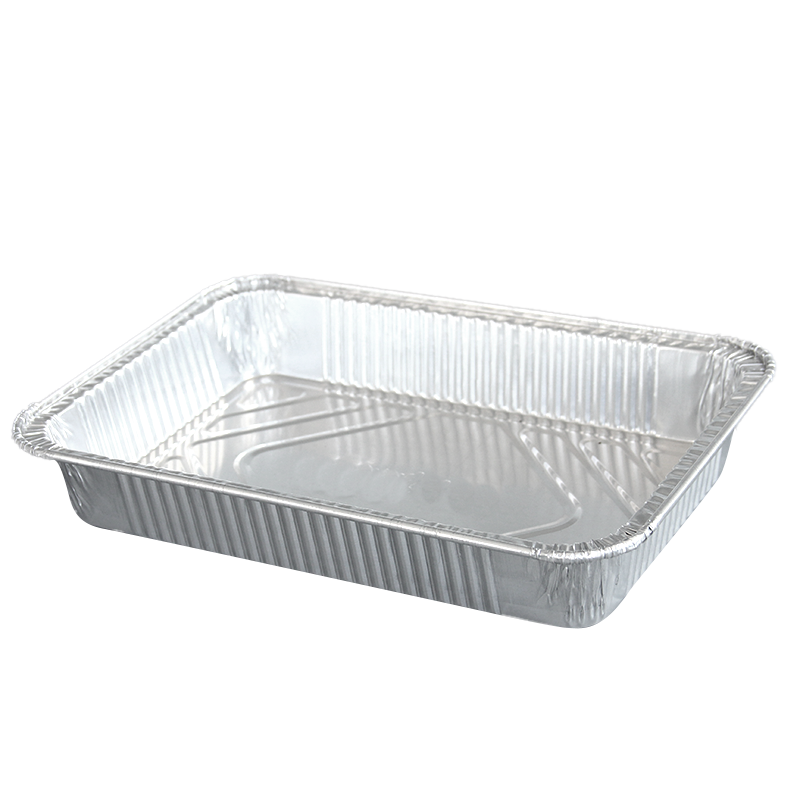
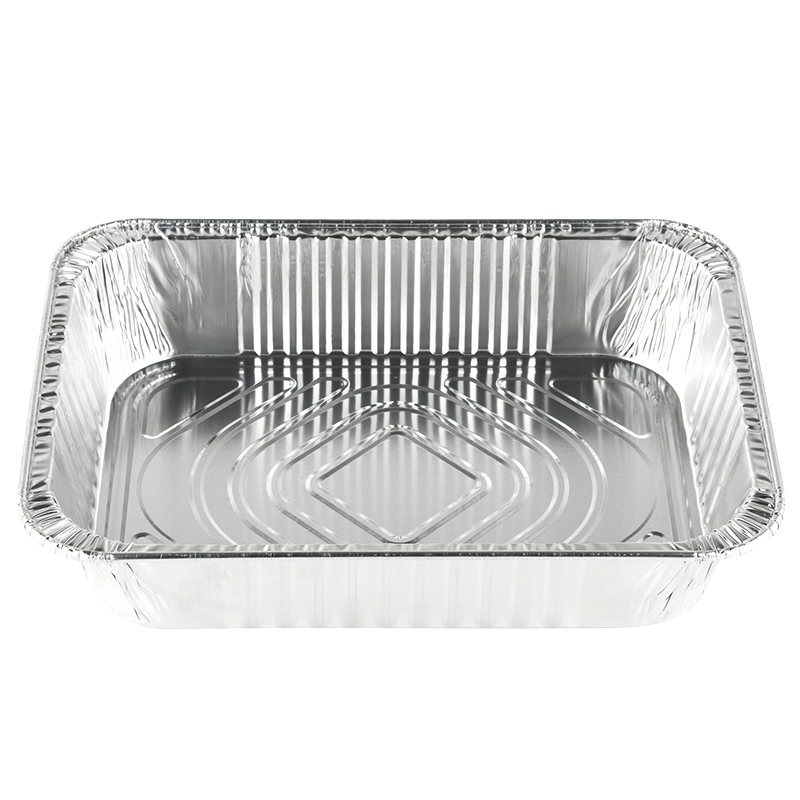
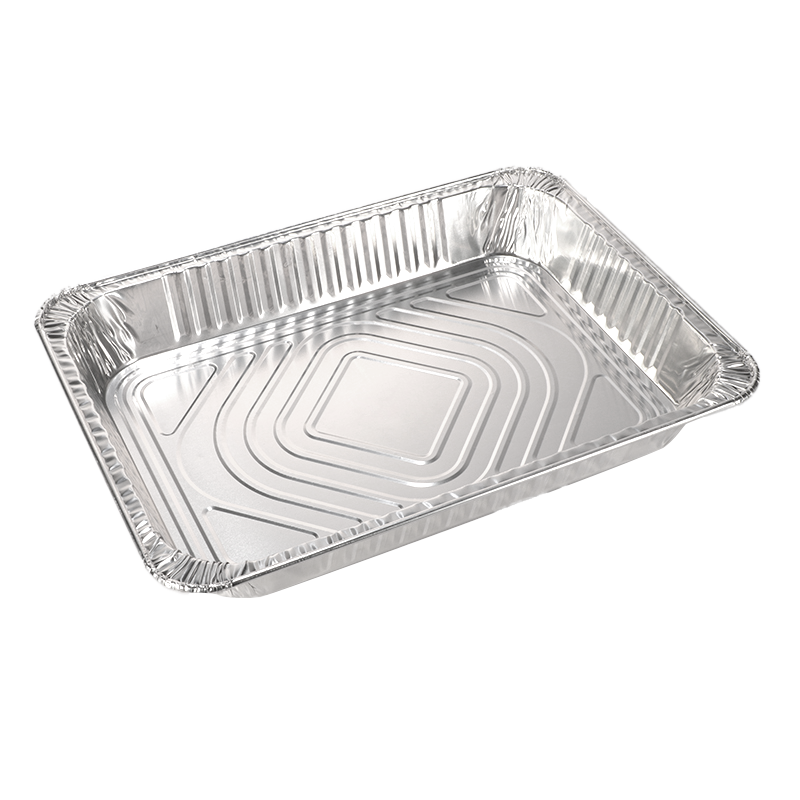
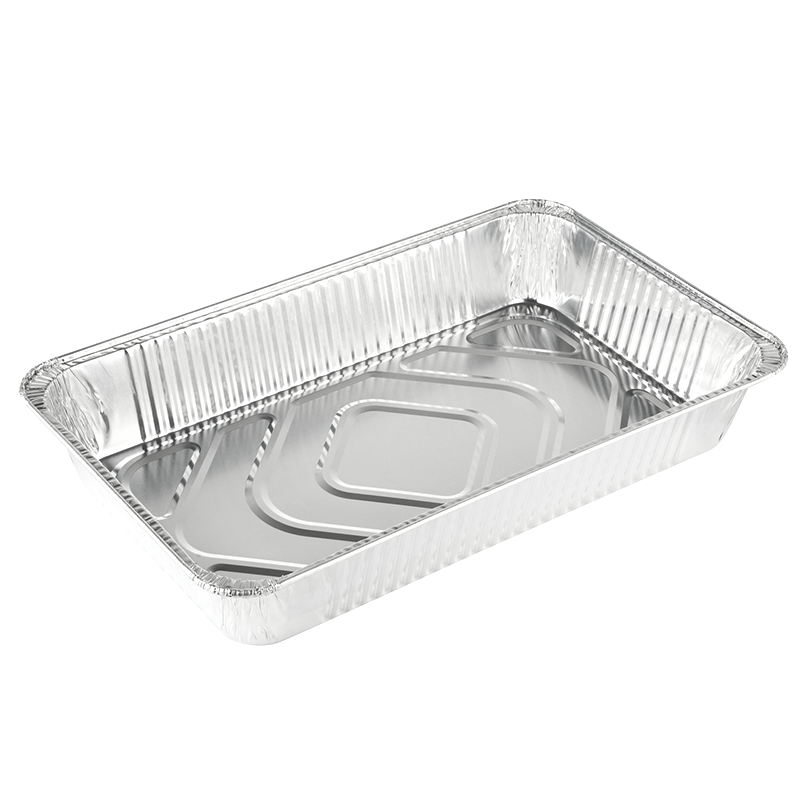
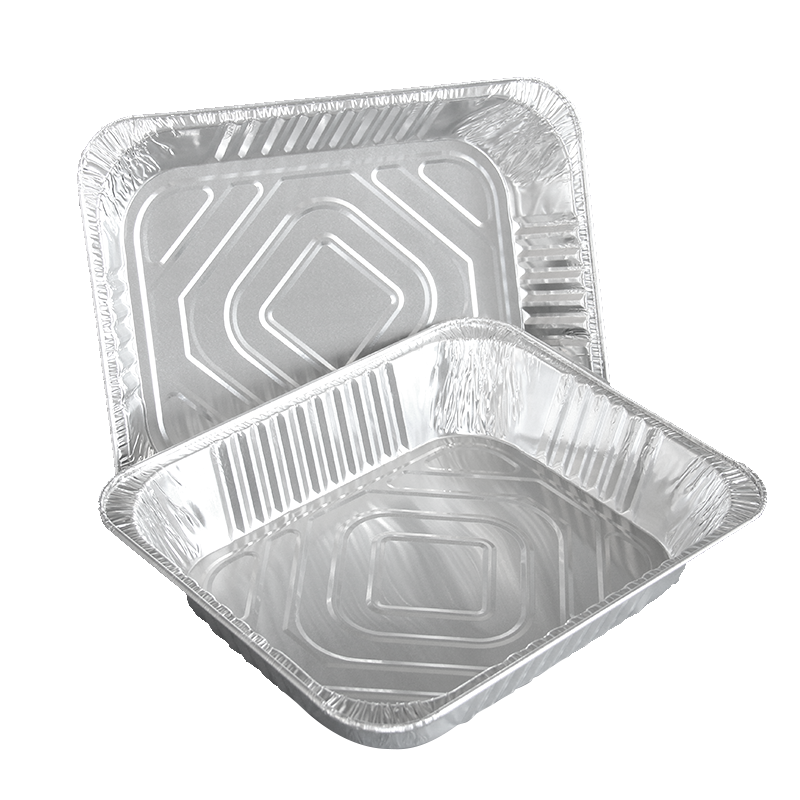
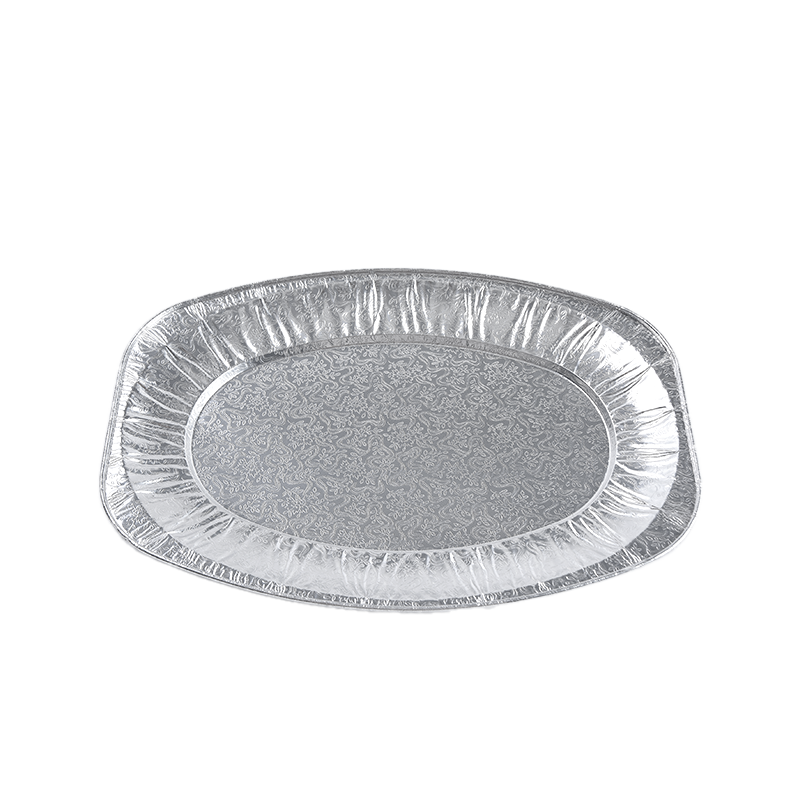
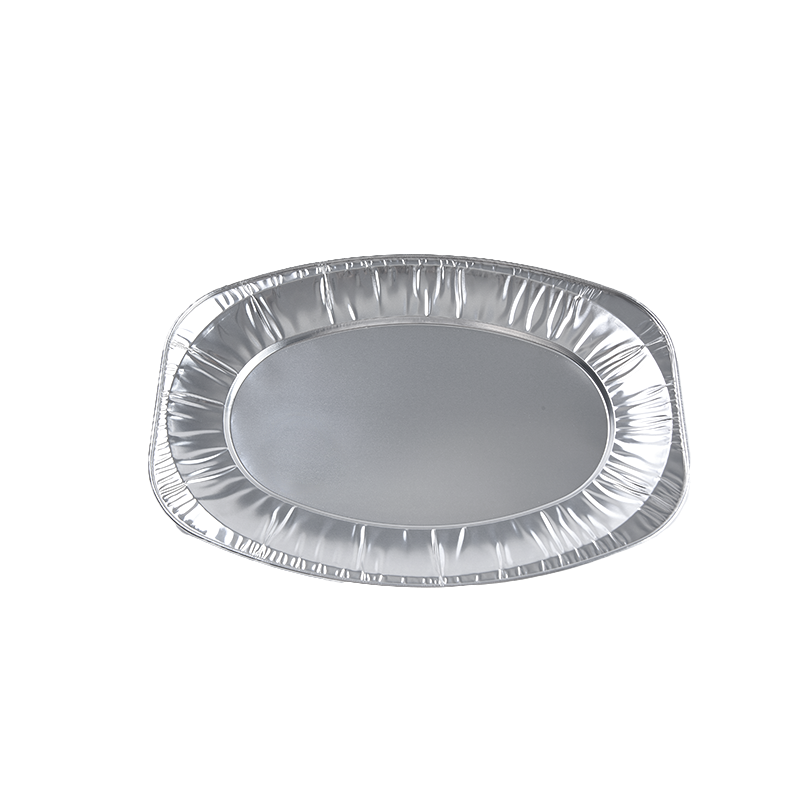
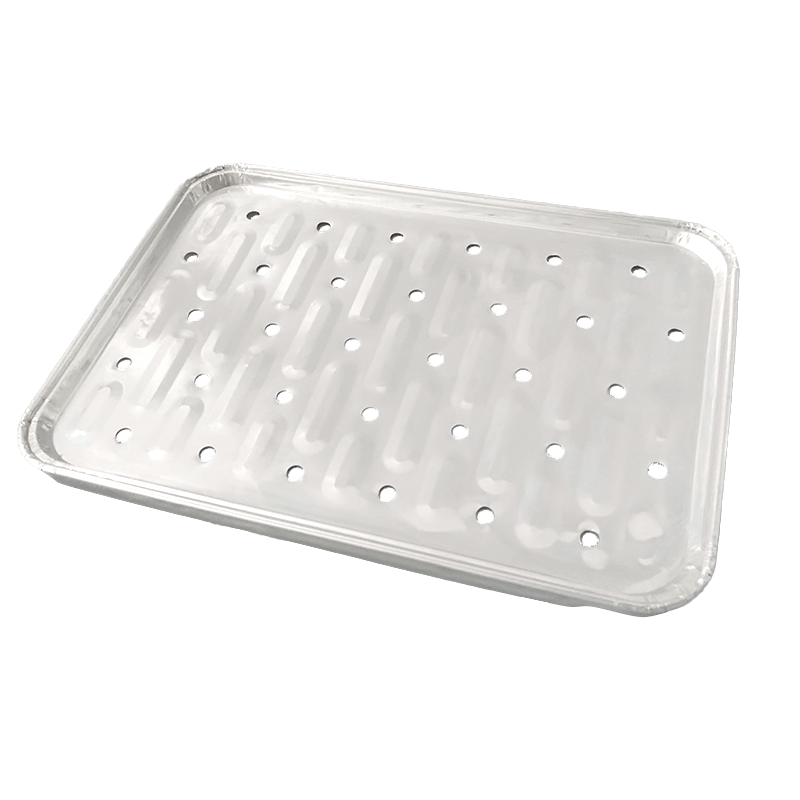
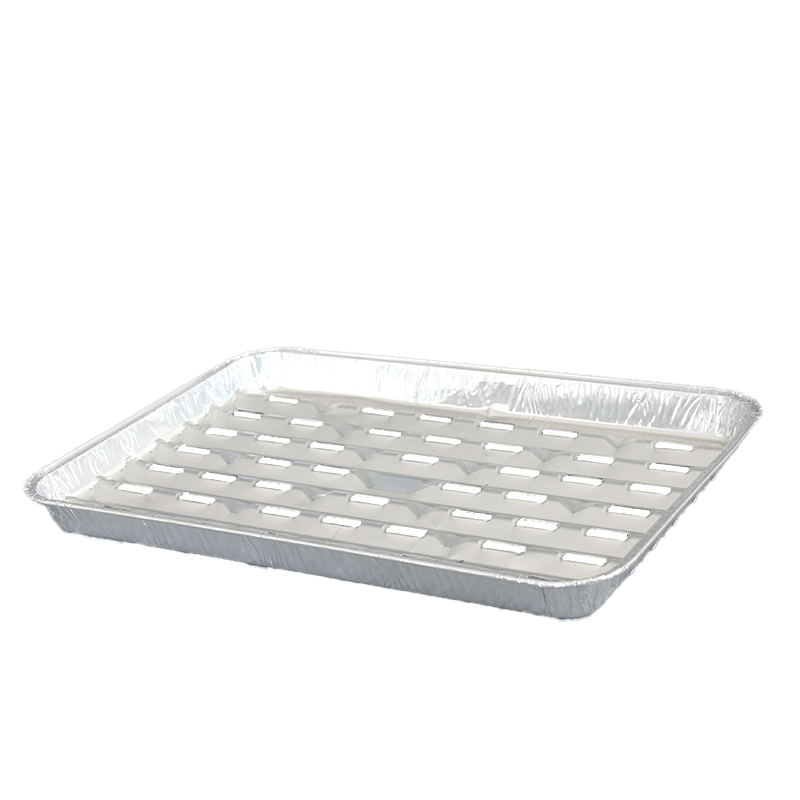
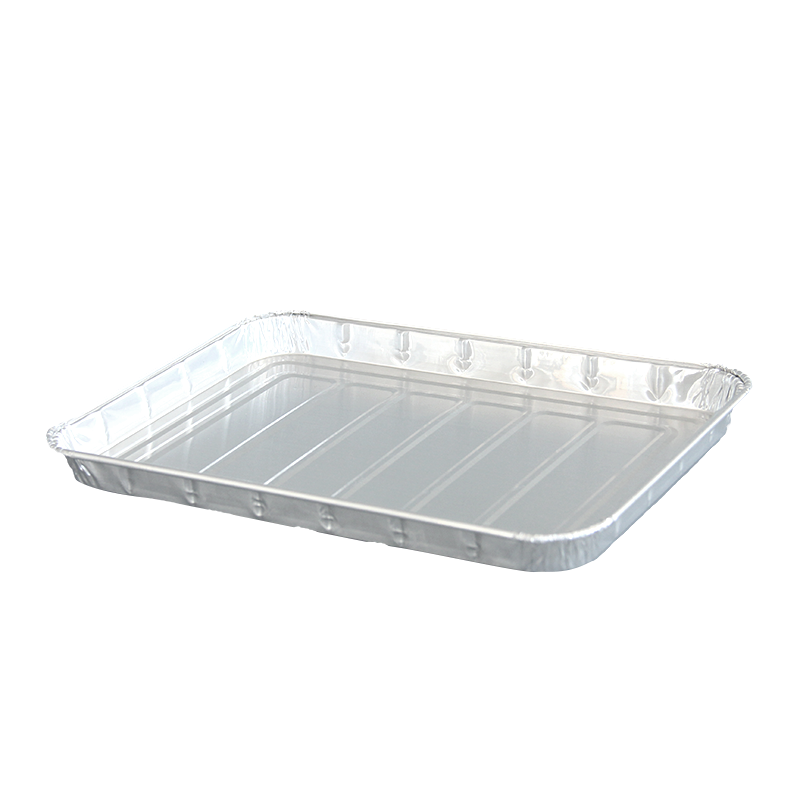
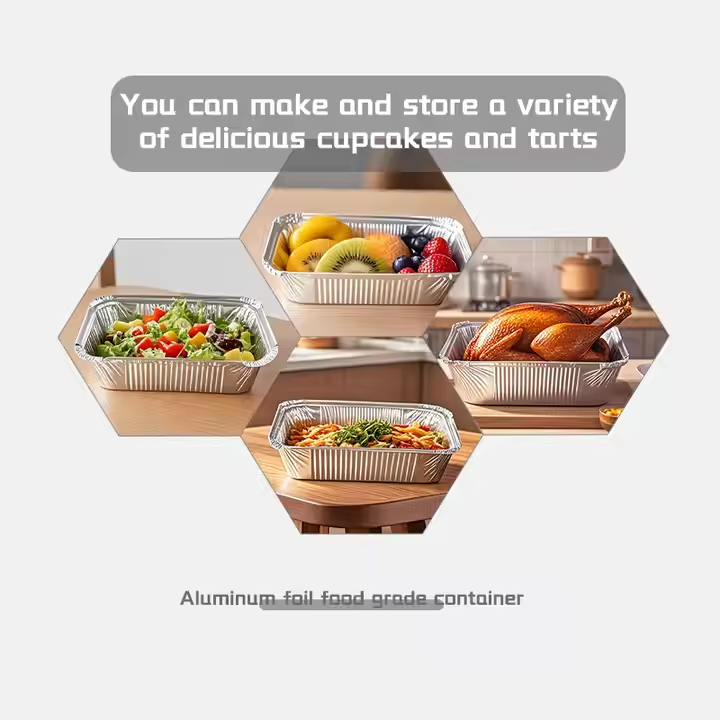
Aluminum foil trays and roasting pans are widely used for baking, roasting, grilling, food preparation, takeaway packaging, and large-scale catering. Their excellent heat conductivity allows food to cook evenly while helping retain moisture and flavor, making them a practical choice for both commercial kitchens and food processing facilities.
Produced from food-grade aluminum foil, these trays are suitable for high-temperature oven cooking as well as refrigerated and frozen food storage. Their sturdy structure provides reliable support for meats, poultry, seafood, vegetables, baked goods, and prepared meals, reducing the risk of bending or leakage during handling and transportation. After use, they can be recycled, offering a convenient packaging solution for businesses focused on operational efficiency and sustainability.
Our aluminum foil trays and roasting pans are available in a wide variety of shapes, sizes, depths, and foil thicknesses to meet different cooking and packaging requirements. Options include shallow trays for baking, deep roasting pans for large portions, and heavy-duty designs for commercial food production. Matching foil lids, transparent plastic lids, and customized packaging are available for retail, takeaway, and catering applications.
These products are widely supplied to restaurants, bakeries, supermarkets, catering companies, food manufacturers, and packaging distributors. OEM and ODM services are available, including customized dimensions, embossed logos, private label packaging, and tailored product specifications to support different market demands.
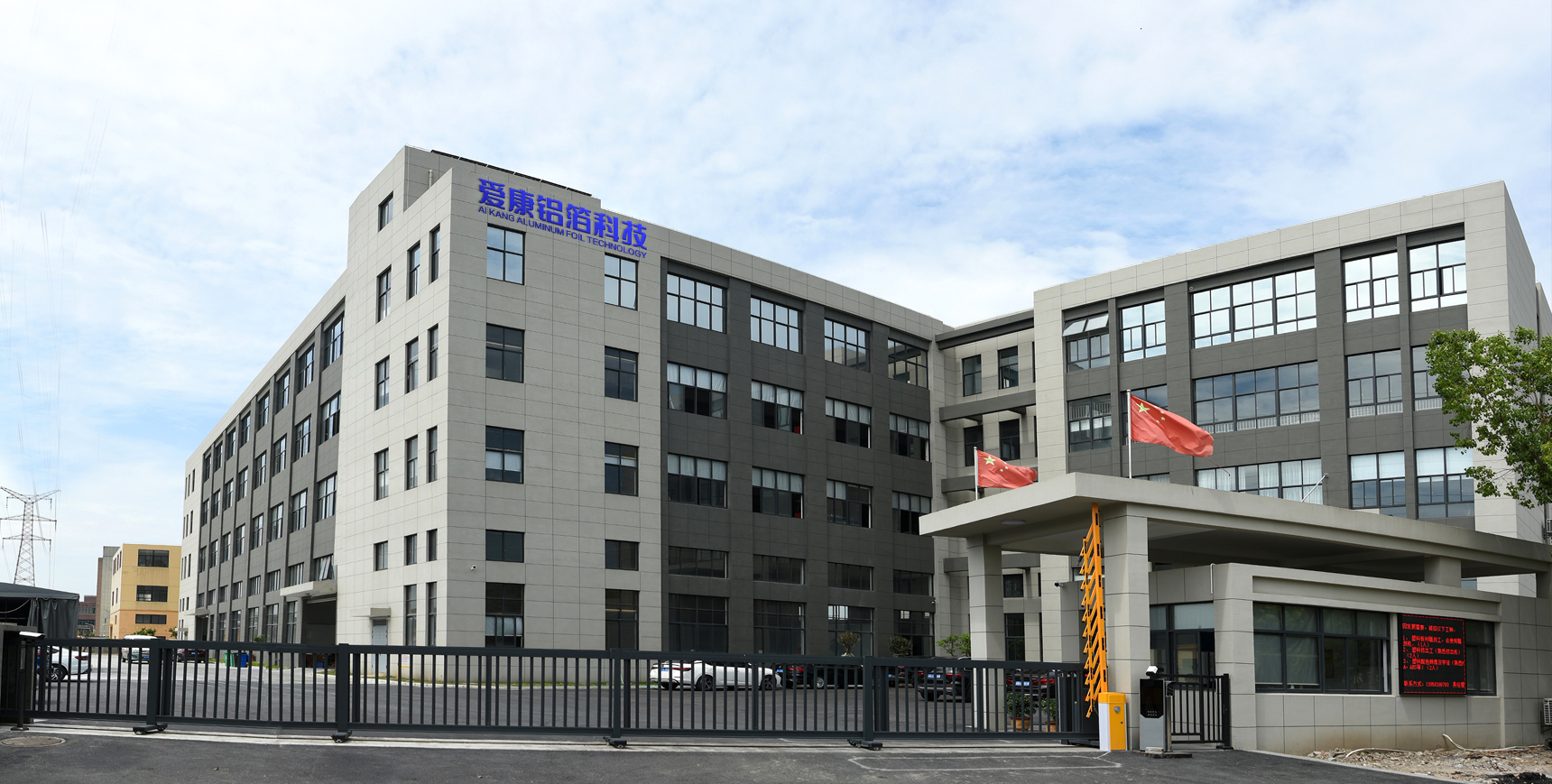

Ningbo Aikang Aluminum Foil Technology Co., Ltd.
Ningbo Aikang Aluminum Foil Technology Co., Ltd. is China Aluminum Foil Trays/Roasting Pans Supplierand Aluminum Foil Trays/Roasting Pans Factory, located in Haishu District, Ningbo, one of the most important port cities in China. The company is committed to the design, development, and production of environmentally disposable aluminum foil products and providing practical and advanced packaging solutions to meet the dynamic change of the market.
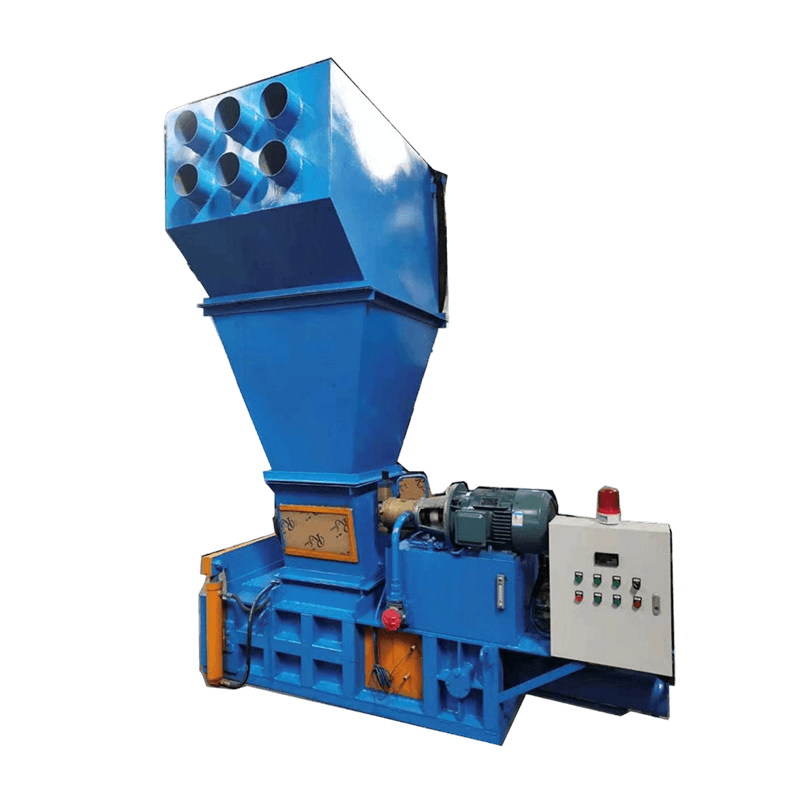
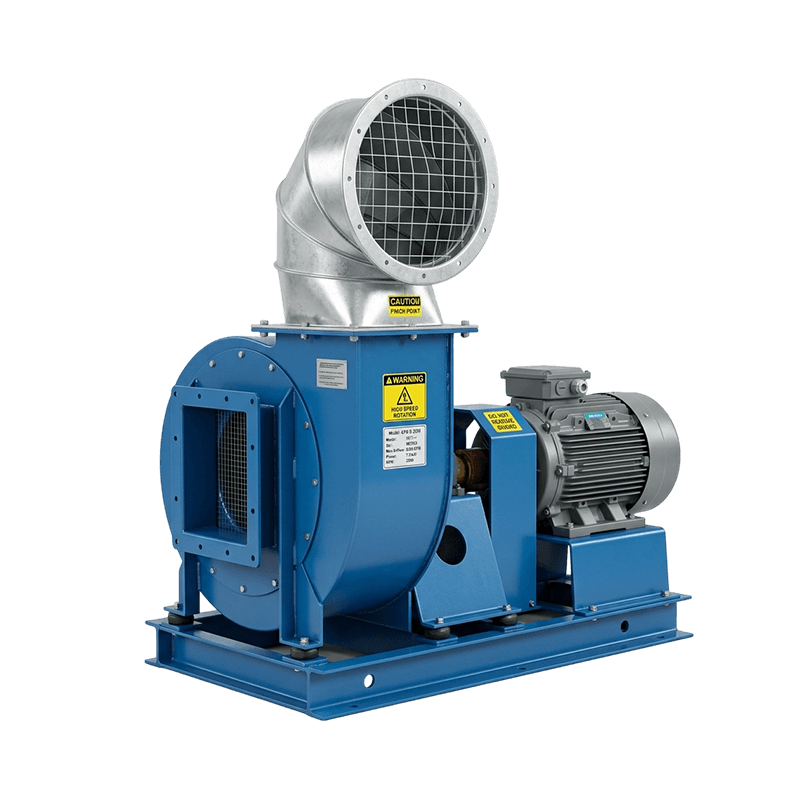
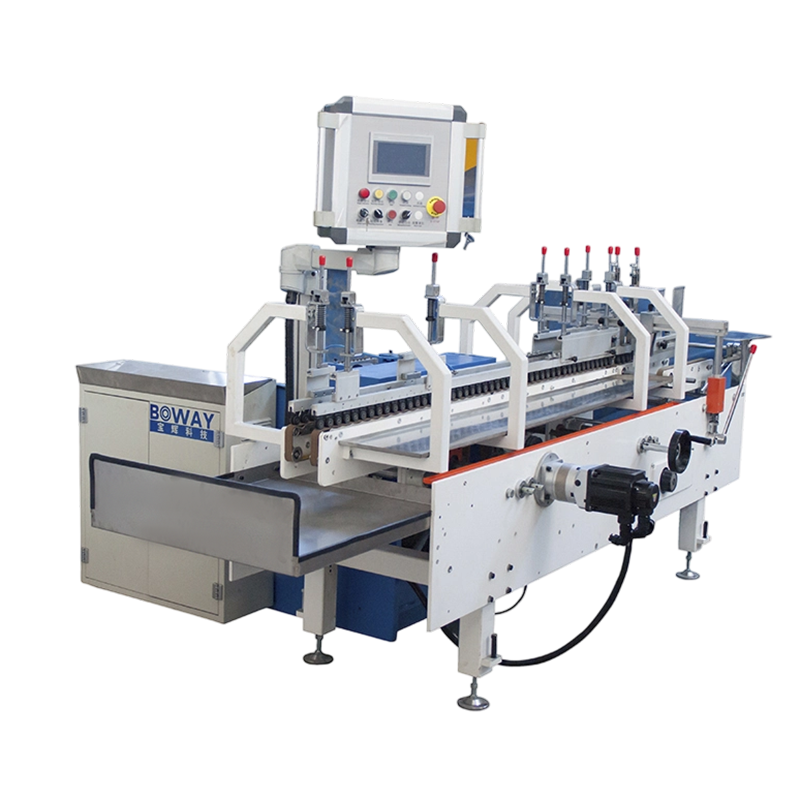
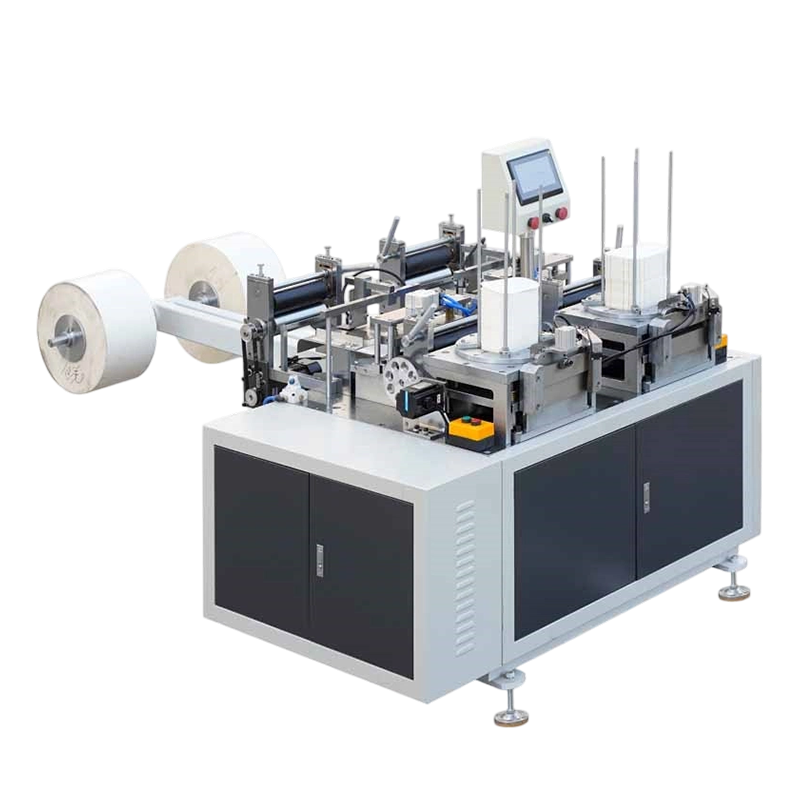
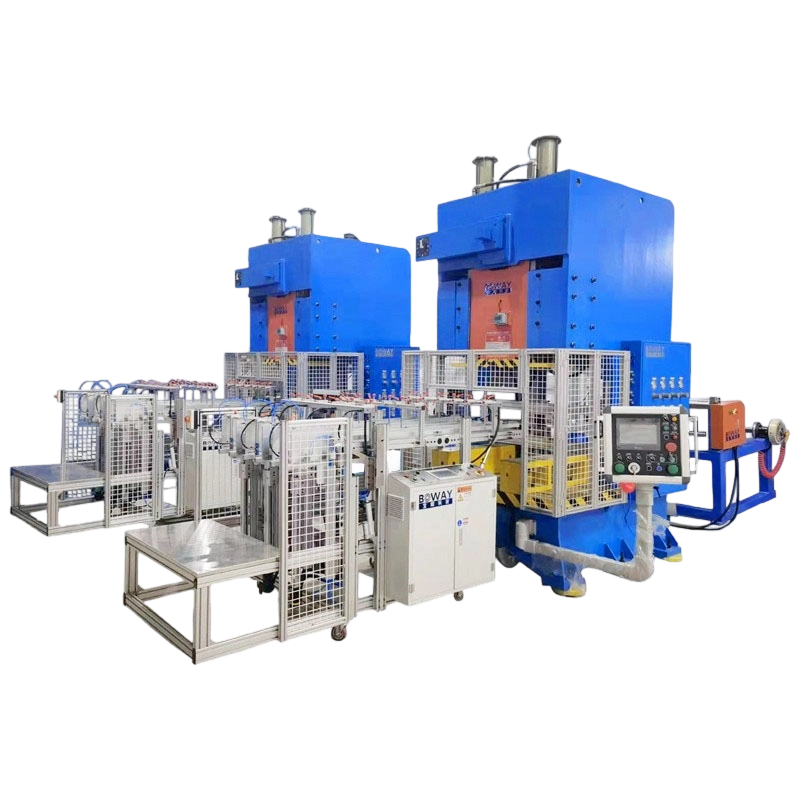
The main products consist of aviation aluminum foil containers, barbecue pans, Turkey pans, aluminum loaf pans, and other varied aluminum foil containers. Moreover, the company has developed several automatic production lines and molds to fully ensure the quality and diversity of the products. Equipped with professional design, advanced manufacturing facilities, and molds, qualified products, and a dedicated sales and service team, Aikang has ranked itself the top-notch enterprise in China.
The company has and will always hold the principle of " sincerity and integrity" to provide the best products and service to the customers at home and abroad and finally create a double-win situation. Looking forward to your visit and the cooperation with your esteemed company!
-
0Years of industry experience
We bring a wealth of knowledge and expertise to every project. Our extensive experience allows us to understand the unique challenges and requirements of the industry, enabling us to deliver tailored solutions that meet the highest standards.
-
0+Manufacturing Facilities
Aikang's extensive manufacturing and distribution network is a key driver of our ability to quickly and efficiently serve our customers.
-
0+Employees
We work hard as a team to continuously earn and sustain the trust of our customers and the consumers they serve.
Latest Updates
Pay Attention To Our Latest News And Exhibitions
-
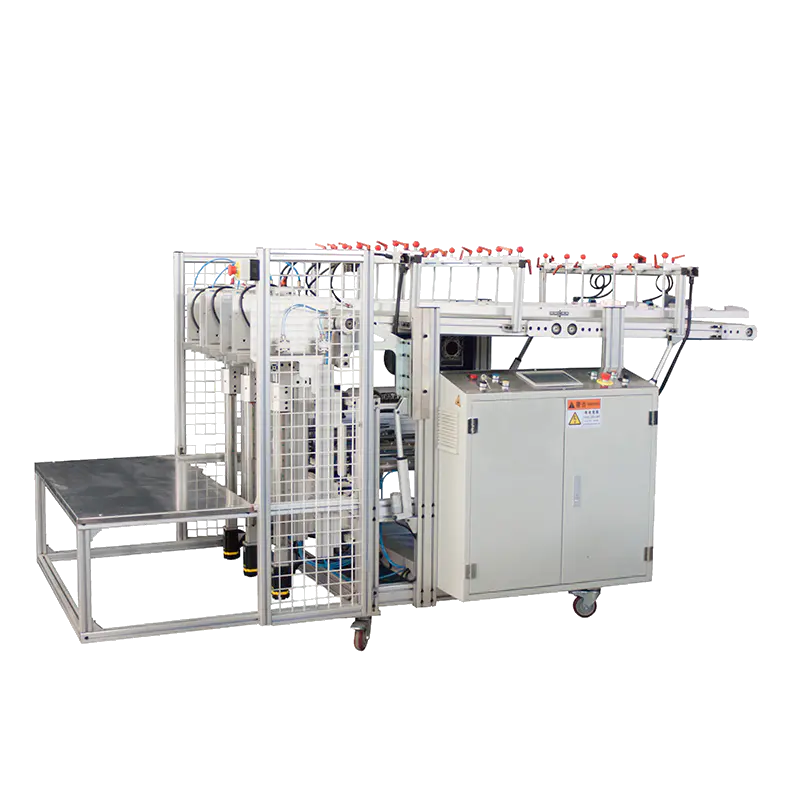 Automatic Stacking Machine: The Complete Guide to Automated Packaging EfficiencyIn today‘s fast-paced manufacturing environment, the automatic stacking machine has emerged as an in...View More >
 -
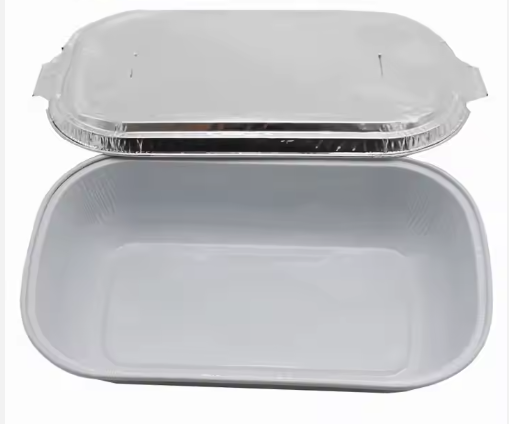 Aluminum Pans with Lids: The Complete SolutionWhile traditional foil baking pans are excellent for cooking, aluminum pans with lids offer an addit...View More >
 -
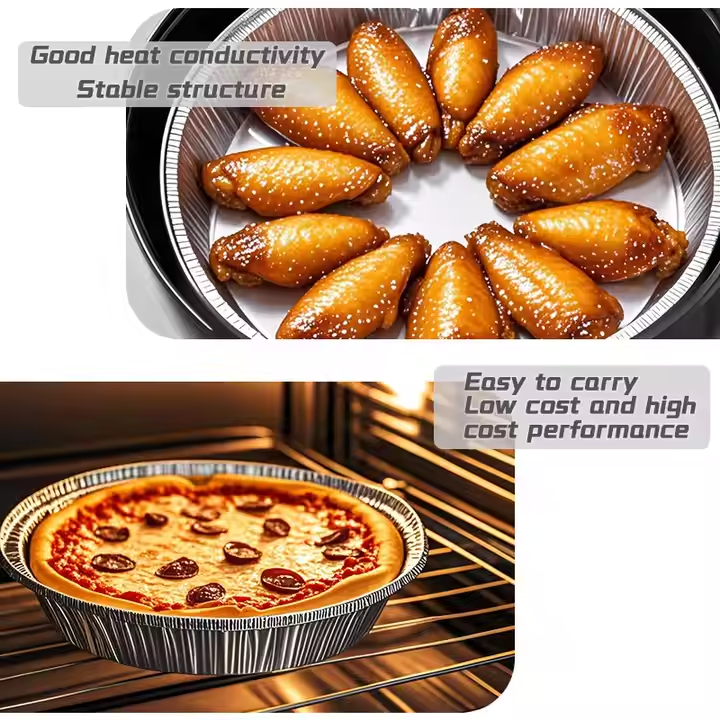 The Foil Baking Pans Sizes in AiKang factoryWhen it comes to baking, roasting, meal prep, or food storage, few kitchen tools offer the versatili...View More >
 -
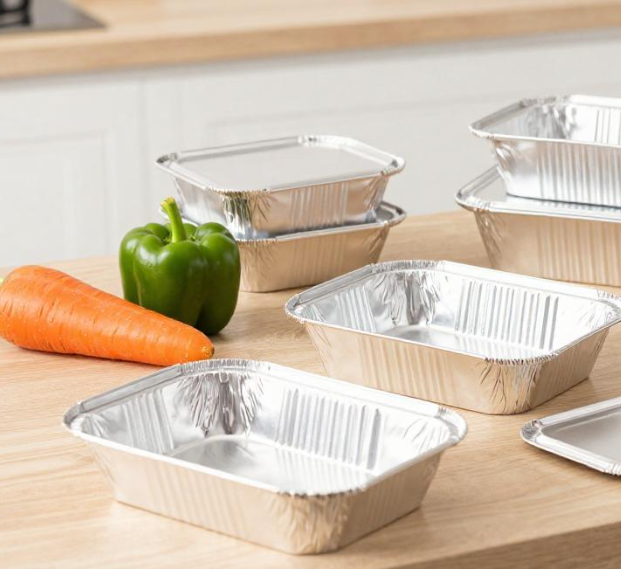 Can You Put Foil in the Grill? Safe Methods and Precautions You Must FollowYou are grilling salmon and zucchini, but the fish is flaking apart and the vegetables are falling...View More >
 -
 Does Aluminum Conduct Heat? Facts and Practical Insights for Food Packaging BuyersDoes aluminum conduct heat? Yes. Pure aluminum has a thermal conductivity of about 237 W/m·K, which...View More >
 -
 The Ultimate Guide to Aluminum Foil Lunch Boxes: Are They Safe, Reusable, and Worth It? | Ai Kang foil companyPicture this: you're packing lunch for the week, meal-prepping for a busy family, or running a takeo...View More >
Honor //
Honor / Warehouse Display
1. What Are Aluminum Foil Trays/Roasting Pans?
Aluminum foil trays and roasting pans are lightweight, heat-conductive food containers designed for baking, roasting, grilling, food preparation, takeaway service, catering, and food processing. For B2B buyers, they combine cooking performance with packaging convenience, allowing food manufacturers, restaurants, caterers, supermarkets, and meal-preparation companies to use one container for multiple stages of the supply chain.
Produced from food-grade aluminum foil, these containers can support hot food preparation while also being suitable for refrigerated and frozen applications when the specific product specification and local food-contact requirements are met. Their rigid formed structure helps reduce bending, leakage, and handling damage compared with very thin flexible packaging.
For commercial buyers, the key value is not simply the low weight of aluminum, but the combination of cooking, storage, transportation, presentation, and disposal in one packaging format.
2. Why Aluminum Foil Trays Are Important for B2B Food Businesses
(1) Efficient Heat Transfer
Aluminum has excellent thermal conductivity, helping heat move efficiently through the tray. This makes aluminum containers suitable for roasting poultry, meat, seafood, vegetables, bakery products, and prepared meals. For high-volume kitchens, consistent heating can help standardize cooking processes and reduce variations between production batches.
(2) One Container for Multiple Operations
A suitable aluminum tray can move from food preparation to oven cooking, cooling, storage, transportation, and final serving. This can reduce the number of packaging transfers and handling steps. For example, a meal-preparation company producing 10,000 ready meals per day can potentially simplify its workflow when the same container is used throughout production and distribution.
(3) Lightweight and Stackable Design
Aluminum offers a useful strength-to-weight ratio, which is important for logistics. Properly designed trays can be nested or stacked to reduce warehouse volume before use. For distributors purchasing large quantities, tray dimensions, carton packing, nesting depth, and pallet utilization can have a direct effect on total logistics costs.
3. Common Types of Aluminum Foil Trays/Roasting Pans
| Product Type | Typical B2B Application | Key Purchasing Consideration |
|---|---|---|
| Roasting Pans | Turkey, chicken, beef and large roasted foods | Capacity, rigidity and rim strength |
| Barbecue Pans | Grilling, outdoor catering and food service | Shape, depth and heat resistance |
| Loaf Pans | Bread, cakes and bakery production | Dimensions and forming consistency |
| Takeaway Trays | Ready meals, catering and delivery | Leak resistance, lid compatibility and stacking |
The most suitable design depends on the customer's production process. A large food processor may prioritize deep-wall roasting pans, while a takeaway business may focus on standard dimensions, lid compatibility, carton efficiency, and consistent monthly supply.
4. Key Specifications B2B Buyers Should Evaluate
(1) Material and Foil Thickness
Foil thickness affects rigidity, weight, forming performance, and cost. Buyers should avoid selecting products based only on the lowest unit price. A thinner tray may reduce material cost but could create higher product-loss risks if it bends or leaks during filling and transportation.
(2) Dimensions and Capacity
Length, width, depth, rim structure, and usable volume should match the food portion and production equipment. Standardized dimensions can also improve carton loading and warehouse management.
(3) Lid and Packaging Compatibility
For takeaway and ready-meal applications, buyers should confirm whether compatible aluminum, paperboard, plastic, or other approved lids are available. A reliable lid system can improve spill prevention, labeling, stacking, and customer presentation.
(4) Manufacturing Consistency
Large B2B orders require consistent dimensions, forming depth, edge quality, and packing specifications. Buyers should evaluate sample approval procedures, production capacity, quality inspection, mold capability, and batch consistency before signing long-term supply agreements.
5. Aluminum Foil Trays for Catering, Takeaway and Food Processing
Aluminum foil containers are particularly useful in commercial food operations because they can combine preparation and packaging. Catering companies can prepare large quantities of food in roasting pans, while takeaway businesses can portion meals directly into individual containers.
For food processors, container performance should be considered together with filling speed, sealing equipment, cold-chain requirements, palletization, and final distribution. A packaging format that saves only a small amount per unit can create substantial annual savings when production reaches hundreds of thousands or millions of units.
Example: a reduction of just $0.01 per container represents $10,000 in direct purchasing savings for every 1 million units purchased. However, total cost should also include freight, cartons, storage space, labor, defects, and product damage.
6. Sustainability and Aluminum Recycling
Sustainability has become increasingly important for B2B packaging procurement. Aluminum is highly recyclable, although actual recycling depends on local collection and sorting infrastructure and whether the used container is accepted by the relevant recycling system.
According to the Aluminum Association, recycling aluminum requires approximately 95% less energy than producing primary aluminum. The International Aluminium Institute reports a similar figure, with recycled aluminum requiring about 8.3 gigajoules per tonne compared with 186 gigajoules per tonne for primary aluminum in its cited global production comparison.
For European B2B buyers, recyclability is also becoming a more important packaging-design consideration. The European Aluminium Foil Association notes that the EU Packaging and Packaging Waste Regulation adopted in 2025 requires packaging placed on the EU market to be recyclable by 2030 at the latest. Therefore, packaging design, material selection, and end-of-life considerations should increasingly be evaluated together.
7. Why Choose Ningbo Aikang Aluminum Foil Technology Co., Ltd.?
Aluminum foil trays and roasting pans are widely used for baking, roasting, grilling, food preparation, takeaway packaging, and large-scale catering. Their excellent heat conductivity allows food to cook evenly while helping retain moisture and flavor, making them a practical choice for both commercial kitchens and food processing facilities.
Produced from food-grade aluminum foil, these trays are suitable for high-temperature oven cooking as well as refrigerated and frozen food storage when the product specification and applicable regulations are satisfied. Their sturdy structure provides reliable support for meats, poultry, seafood, vegetables, baked goods, and prepared meals, helping reduce the risk of bending or leakage during handling and transportation.
Ningbo Aikang Aluminum Foil Technology Co., Ltd. is a China Aluminum Foil Trays/Roasting Pans Supplier and Aluminum Foil Trays/Roasting Pans Factory, located in Haishu District, Ningbo, one of China's important port cities. The company focuses on the design, development, and production of environmentally oriented disposable aluminum foil products and practical packaging solutions for changing market requirements.
Its product range includes aviation aluminum foil containers, barbecue pans, Turkey pans, aluminum loaf pans, and other aluminum foil containers. Aikang has developed multiple automatic production lines and molds to support product diversity and production efficiency. Its capabilities include professional product design, advanced manufacturing equipment, mold development, quality control, and sales and service support, making it a potential manufacturing partner for wholesalers, distributors, foodservice companies, retailers, and food manufacturers seeking customized aluminum packaging.
8. How to Select an Aluminum Foil Tray Supplier
B2B buyers should evaluate suppliers beyond the quoted FOB or EXW price. A professional sourcing process should include the following factors:
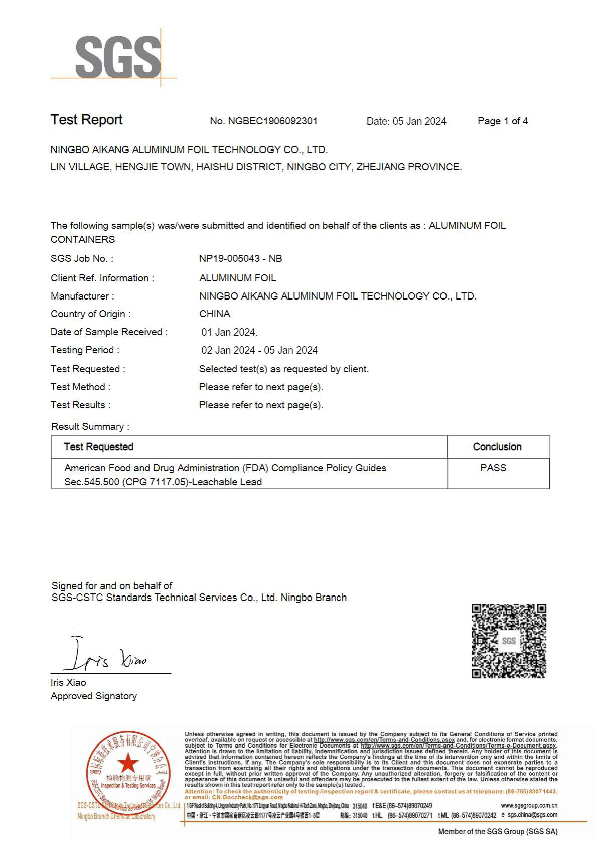
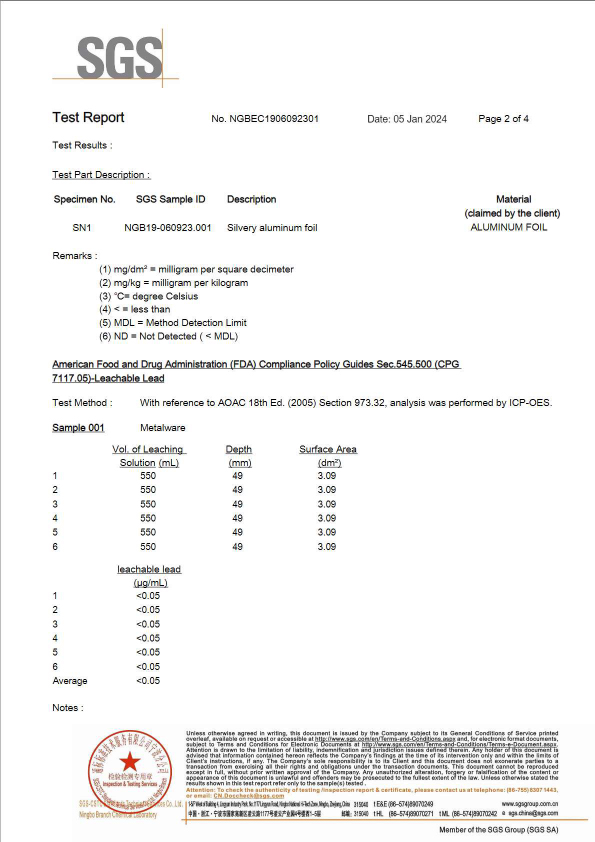
- Food-contact material and applicable compliance documentation
- Aluminum foil thickness and product weight
- Mold development and customization capability
- Production capacity and monthly output
- Quality inspection and sample approval procedures
- Packaging configuration and container loading efficiency
- Lead time, MOQ and repeat-order stability
- Export experience and logistics support
The best supplier is not necessarily the supplier with the lowest unit price; it is the supplier that provides the lowest reliable total cost while maintaining quality, delivery, compliance, and production continuity.
9. Common Questions About Aluminum Foil Trays/Roasting Pans
Q1. Are aluminum foil trays suitable for commercial ovens?
Yes. Aluminum foil trays are widely used for baking and roasting in commercial food operations. However, the buyer should confirm the manufacturer's recommended temperature range, tray thickness, food-contact specification, and oven compatibility before large-scale use. Direct exposure to heating elements or open flames should be evaluated according to the specific product design and application.
Q2. Can aluminum foil roasting pans be used for frozen food?
Many aluminum food containers are designed for refrigerated or frozen food applications. The exact suitability depends on material, forming design, temperature conditions, sealing method, and the requirements of the destination market. B2B buyers should request product specifications and conduct application testing before mass production.
Q3. Are aluminum foil trays recyclable?
Aluminum itself is highly recyclable, but whether a used tray can enter a recycling stream depends on local collection and sorting systems. Food contamination and mixed-material components can affect recyclability. Businesses should check the requirements of their local waste-management system and, where possible, remove excessive food residue before recycling.
Q4. What aluminum foil tray thickness is best for wholesale orders?
There is no single thickness that is ideal for every application. Heavy roasting pans require greater rigidity than lightweight takeaway containers. The correct specification should be based on food weight, container dimensions, stacking requirements, filling process, transportation conditions, and target unit cost. Buyers should compare samples using real production conditions rather than selecting solely by nominal thickness.
Q5. Can aluminum foil trays be customized?
Yes. Manufacturers can often customize dimensions, depth, shape, rim structure, embossing, packaging, and molds according to production requirements. Custom tooling is especially valuable for large-volume buyers that need a specific portion size or packaging format. Before approving a mold, buyers should confirm tooling cost, MOQ, sample procedure, production lead time, and ownership terms.
Q6. How do I choose a reliable aluminum foil tray manufacturer in China?
Look for a factory with stable production capacity, professional mold-development capabilities, documented quality-control procedures, export experience, clear specifications, and responsive technical support. Request samples, verify dimensions and weight, perform practical tests, and compare the supplier's packaging and loading plan. For long-term B2B cooperation, also evaluate lead times, MOQ, production scalability, replacement policies, and communication efficiency.
Q7. What should wholesalers ask before placing a large aluminum tray order?
Wholesalers should confirm material specification, tray dimensions, weight per piece, carton quantity, MOQ, production lead time, loading quantity, payment terms, available lids, customization options, quality standards, and destination-market compliance requirements. A detailed pre-production specification can significantly reduce misunderstandings and quality disputes during repeat orders.
10. Conclusion: A Practical Packaging Choice for B2B Buyers
Aluminum foil trays and roasting pans remain a practical packaging solution for commercial kitchens, catering companies, food processors, supermarkets, takeaway businesses, and distributors. Their combination of thermal performance, lightweight construction, convenient handling, and recycling potential makes them suitable for a broad range of food applications.
For B2B procurement, the most important decision is to match tray design with the complete supply chain, from cooking and filling to storage, transportation, presentation, and end-of-life management. By evaluating material specifications, manufacturing consistency, customization capability, logistics efficiency, compliance, and total cost, buyers can build a more reliable and scalable aluminum food packaging supply chain.

Ningbo Aikang Aluminum Foil Technology Co., Ltd, based in Ningbo, produces eco-friendly disposable aluminum foil products. They prioritize quality and customer satisfaction, serving the global market with innovative packaging solutions.


Quick Links
Contact
-
 No. 5 Yongxing East Road, Fengshan Street, Yuyao City, Zhejiang Province, China
-
 Tel: +86-15867468784
-
 E-mail: [email protected]
Send Us A Message
