
 English
 日本語
日本語 عربى
عربى Español
-
 01
01
Aviation Aluminum Foil: The Complete Guide to Airline-Grade Foil Containers and Applications
Company News-Content
- 1 Introduction: Why Aviation Aluminum Foil Matters
- 2 What Is Aviation Aluminum Foil?
- 3 Key Alloys and Specifications for Aviation Aluminum Foil
- 4 Applications of Aviation Aluminum Foil
- 5 Why Airlines Choose Aluminum Foil Containers
- 6 Sourcing and Manufacturing Considerations
- 7 Frequently Asked Questions About Aviation Aluminum Foil
- 8 Conclusion: Partnering for Aviation Foil Excellence
Introduction: Why Aviation Aluminum Foil Matters
In the high-stakes world of commercial aviation, every component—from engine parts to meal service trays—must meet exacting standards for safety, performance, and reliability. Aviation aluminum foil sits at the intersection of these demands, serving dual roles as both a critical material in aircraft insulation systems and the preferred packaging for in-flight catering. The global aluminum foil container market was valued at USD 3.2 billion in 2023 and is projected to reach USD 4.6 billion by 2030, with airline catering representing one of the fastest-growing application segments.
This guide explores the full spectrum of aviation aluminum foil: its specifications, alloys, manufacturing standards, and why it has become indispensable to modern aviation operations. Whether you are an airline procurement specialist, a catering supply chain manager, or a food packaging distributor, understanding the technical and practical dimensions of aviation-grade foil is essential for making informed sourcing decisions.
What Is Aviation Aluminum Foil?
Aviation aluminum foil refers to aluminum foil products specifically engineered for aerospace and airline applications. The term encompasses two primary categories:
-
In-flight catering foil containers – the trays, casseroles, and lidded containers used to prepare, transport, and serve passenger meals
-
Aircraft insulation and shielding foils – lightweight reflective layers used in fuselage insulation, thermal barriers, and protective laminates
Both categories share a common foundation: high-purity aluminum alloys processed to precise thicknesses and tempers that deliver an exceptional strength-to-weight ratio, thermal conductivity, and barrier performance.
Aviation aluminum foil sheet is characterized by its moisture-proof, air-tight, light-shielding, wear-resistant, non-toxic, and tasteless properties, making it suitable for cooking, freezing, baking, and food storage in demanding aviation environments.
Key Alloys and Specifications for Aviation Aluminum Foil
Alloy Selection: 8011, 3003, and 8006
The most common alloys for aviation aluminum foil are 8011, 3003, and 8006. These alloys are selected for their balance of formability, strength, and food-contact safety.
-
8011 aluminum foil is widely used for airline lunch boxes due to its cost-effectiveness and excellent formability. It is a workhorse alloy for both container bodies and heat-seal lids.
-
3003 aluminum foil offers higher strength and corrosion resistance, making it suitable for applications requiring greater structural integrity.
-
8006 aluminum foil is specifically engineered for wrinkle-free aviation meal containers. It adopts a hot-rolling process with tensile strength ranging between 123 and 135 MPa, making it especially suitable for aerospace lunch boxes that demand a smooth, aesthetic finish.
Typical thickness ranges for aviation catering foil containers are 0.02–0.09 mm, with common tempers including O, H22, H24, and H18 depending on the forming process and required rigidity.
Thickness and Mechanical Properties
Airline food trays must be thick enough to maintain structural integrity during handling and reheating, yet light enough to minimize fuel costs associated with aircraft weight. Typical specifications for airline foil containers include:
| Parameter | Typical Range | Notes |
|---|---|---|
| Thickness (tray body) | 0.05–0.10 mm | Thicker for larger trays |
| Thickness (lid) | 0.025–0.05 mm | Heat-sealable lacquered foil |
| Tensile Strength | 100–160 MPa | Alloy-dependent |
| Temper | O, H22, H24 | O for deep drawing; H22/H24 for rigidity |
| Width | 100–1,600 mm | For coil-fed stamping lines |
For example, a standard airline hot meal tray may have a top dimension of 174 × 98 mm, a height of 40 mm, and a wall thickness of 0.1 mm, weighing approximately 8.5 g. Smaller side-dish containers may use 0.06–0.09 mm foil to reduce weight while maintaining performance.
Applications of Aviation Aluminum Foil
1. Airline Catering: Foil Containers and Trays
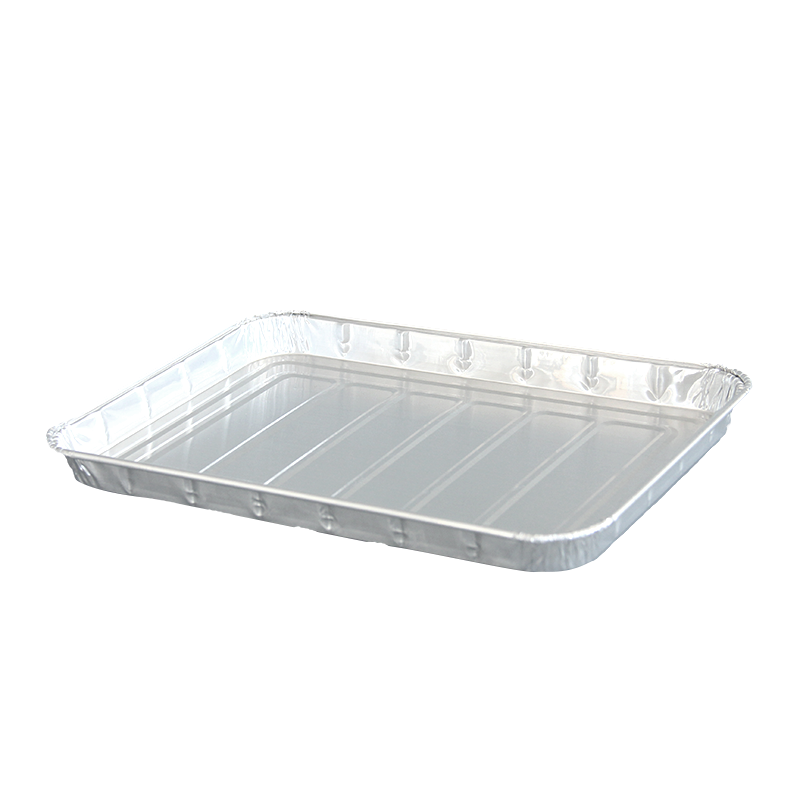
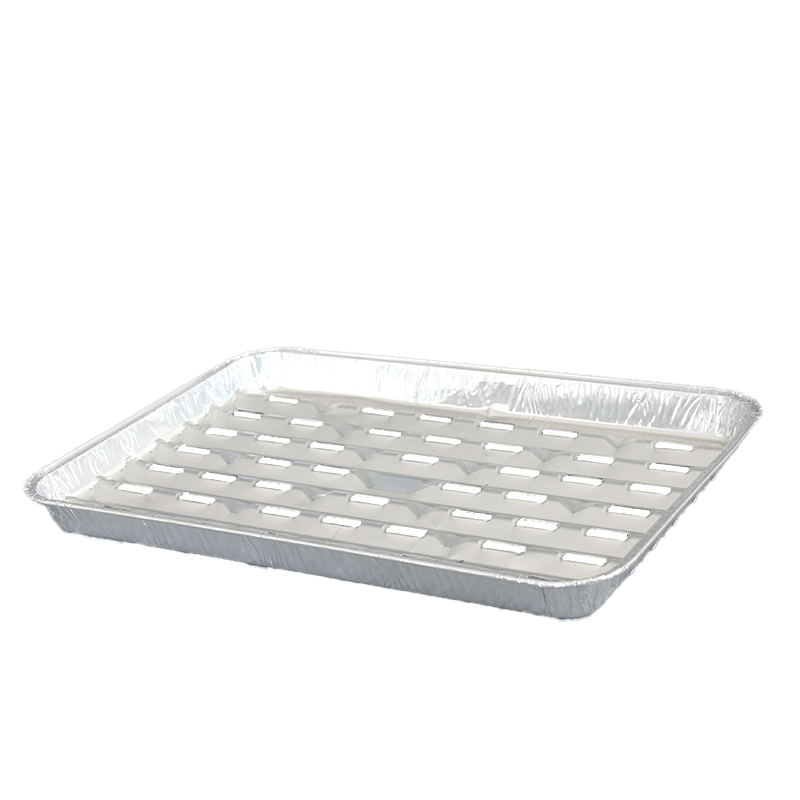
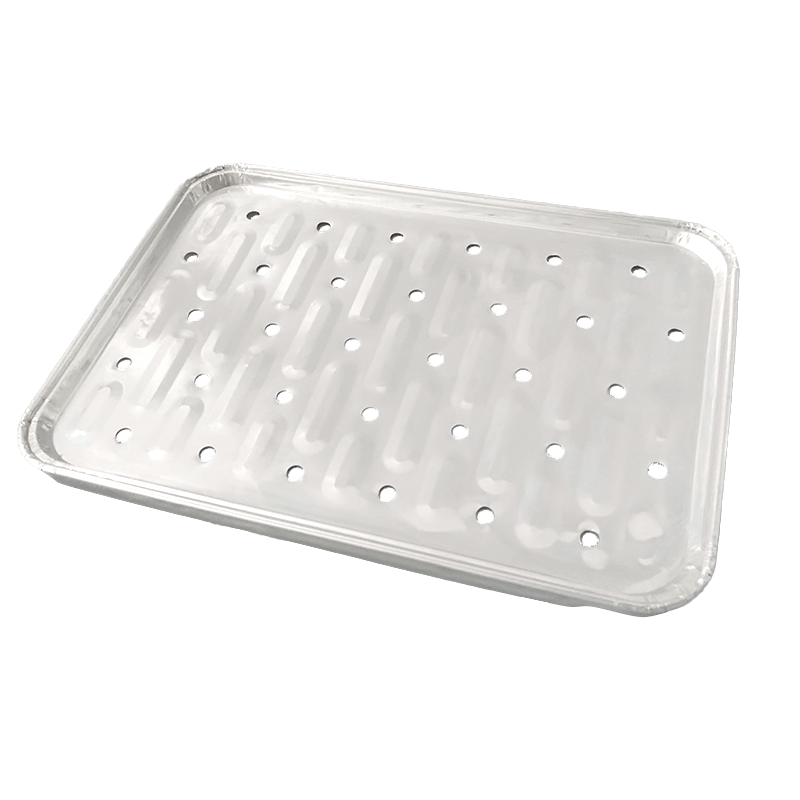
The most visible application of aviation aluminum foil is in in-flight meal service. Aluminum foil casserole sets are specifically engineered for the demanding environment of airline catering, featuring reinforced sidewalls, even heat distribution, and compatibility with heat-seal lidding systems.
Key advantages of aluminum foil for airline catering include:
-
Superior thermal conductivity – enables rapid and even reheating of chilled or frozen meals in convection ovens
-
Excellent barrier properties – protects food from moisture, oxygen, light, and bacterial contamination during extended transport and storage
-
Weight efficiency – aluminum foil containers are significantly lighter than alternative materials, reducing fuel burn
-
Stackability – uniform dimensions and sturdy rims allow efficient loading into catering carts
-
Recyclability – aluminum is infinitely recyclable, aligning with airline sustainability commitments
The aluminum foil heat-seal lid is a critical component of this system. By combining the lid with the container's edge through heat sealing, a completely sealed environment is created that prevents oxygen, bacteria, and other external factors from contaminating the food. This extends shelf life and ensures food safety from catering kitchen to passenger tray table.
For a comprehensive overview of container types and specifications, explore our aluminum foil tableware product range, which covers everything from compartmentalized meal trays to deep soup bowls.
2. Aircraft Insulation and Thermal Barriers
Beyond catering, aviation aluminum foil plays a vital role in aircraft construction and maintenance. Aluminum foil is used as a reflective layer in fuselage insulation systems, where it is laminated with fiberglass batting or encapsulated in composite insulation bags. These systems provide:
-
Thermal insulation – reflecting radiant heat to maintain cabin temperature
-
Moisture barrier – preventing condensation that could corrode structural components
-
Sound dampening – combined with acoustic materials to reduce cabin noise
Aircraft insulation systems often comprise a foil extending at a distance from the inner surface of the aircraft outer shell, creating an air gap that enhances thermal performance. High-strength aluminum foil is also used in lightweight protective laminates, high-load shielding layers, and thermal barrier structures for defense electronics and precision optical instruments.
3. Protective Tapes and Masking Foils
During aircraft painting and maintenance, aluminum foil tapes are used for sealing, masking, and protecting sensitive surfaces. These foils provide heat and light reflection, acting as barriers against moisture, dust, flame, and chemicals used in paint stripping operations. While these are technically adhesive tapes rather than containers, they share the same metallurgical foundation as aviation catering foil.
Why Airlines Choose Aluminum Foil Containers
Performance Under Extreme Conditions
Aluminum foil containers withstand temperatures from -40°C to 315°C, making them suitable for freezing, baking, and grilling. In the aviation context, this means meals can be blast-frozen at the catering facility, transported chilled to the aircraft, and reheated to serving temperature without any change in packaging.
Hygiene and Food Safety
Aluminum foil does not leach harmful chemicals into food or the environment, and over 75% of all aluminum ever produced is still in use today, demonstrating its durability and recyclability. Aviation catering operations benefit from the fact that aluminum foil containers are FDA-compliant and safe for direct food contact, with smooth, non-porous surfaces that are easy to sanitize and difficult for bacteria to colonize.
Environmental Compliance
As environmental regulations tighten, eco-friendly foil tableware has emerged as a leading alternative to single-use plastics. Recycling aluminum requires only 5% of the energy needed to produce virgin aluminum, and recycling one ton of aluminum saves 9 tons of CO₂ emissions compared to primary production. For airlines facing pressure to reduce cabin waste and meet EU Single-Use Plastics Directive targets, aluminum foil containers offer a proven, recyclable solution.
Sourcing and Manufacturing Considerations
Stamping and Forming
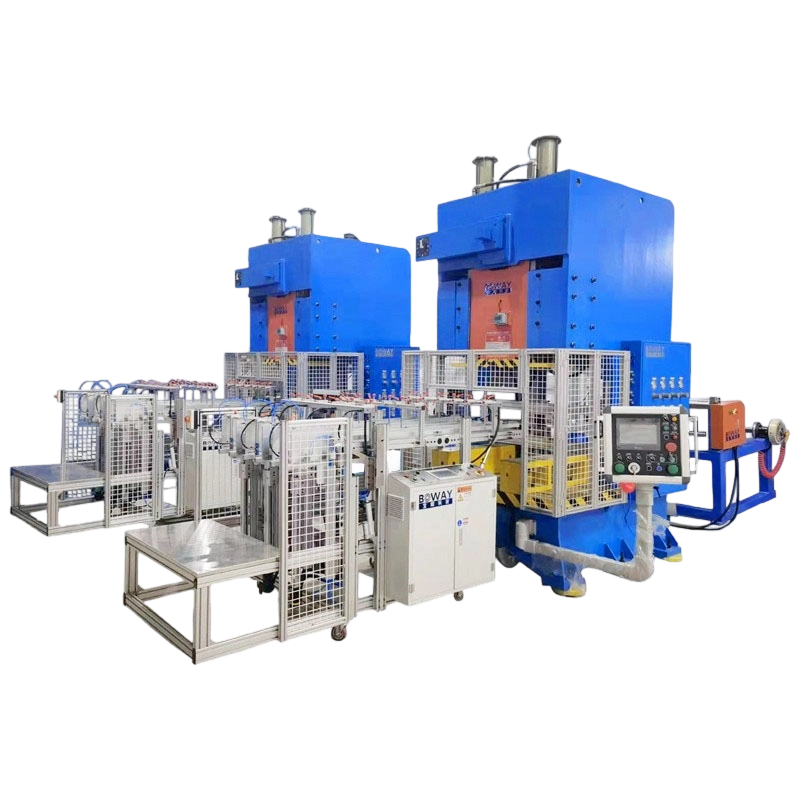
Aviation foil containers are typically produced through a single-stroke stamping process using precision molds. For wrinkle-free containers—the preferred aesthetic for premium airline service—8006 aluminum foil is formed using specialized equipment and molds in a fully automated cold-stamping operation. This produces containers with smooth walls, uniform thickness distribution, and excellent dimensional accuracy.
Heat-Seal Lidding Systems
A complete airline catering packaging system includes both the container and a matching heat-seal lid. Lidding foil is typically 8011 aluminum foil in O temper, with a thickness range of 0.025–0.05 mm, coated with a heat-seal lacquer on one side. The lacquer formulation is critical: it must adhere reliably to the container rim under sealing pressure and temperature, yet peel cleanly when the passenger opens the meal.
Quality Standards
Aviation-grade aluminum foil should meet recognized international standards, including GB/T 3198-2010, ASTM B479-10, DIN 1712-1, and JIS H 4000-2006. Suppliers serving the aviation sector should also hold relevant food-contact certifications and, for structural or insulation foils, aerospace quality management certifications such as AS9100.
Frequently Asked Questions About Aviation Aluminum Foil
Q: What is the difference between aviation aluminum foil and regular household foil?
Aviation aluminum foil is engineered to tighter tolerances, often uses specific alloys like 8011, 3003, or 8006, and may include heat-seal lacquer coatings or enhanced mechanical properties for demanding in-flight conditions. Household foil is typically thinner, softer, and not subject to the same food-safety and performance documentation requirements.
Q: Can aluminum foil containers be used in microwave ovens?
Standard aluminum foil containers are not suitable for microwave use due to arcing risks. However, some modern airline catering systems use foil containers that are designed for convection reheating only. Passengers should always follow the airline's or catering provider's instructions.
Q: How does aluminum foil compare to plastic for airline meal packaging?
Aluminum foil offers superior thermal conductivity, a more effective oxygen and moisture barrier, and significantly better recyclability. Plastic containers may be lighter in some cases but generally have lower heat tolerance and contribute to plastic pollution. For premium hot meal service, aluminum foil remains the preferred choice.
Q: What thickness of aluminum foil is used for airline food trays?
Most airline hot meal trays use foil between 0.05 mm and 0.10 mm in thickness. Larger trays or those requiring greater rigidity may use foil at the upper end of this range, while smaller side dishes and lids typically use 0.025–0.06 mm foil.
Q: Is aviation aluminum foil food-safe?
Yes. Food-grade aluminum foil is non-toxic, does not leach harmful substances, and is compliant with FDA and equivalent international food-contact regulations. The key is to source from suppliers who provide appropriate food-safety documentation and use virgin aluminum rather than recycled scrap for direct food-contact applications.
Conclusion: Partnering for Aviation Foil Excellence
Aviation aluminum foil is more than a commodity—it is a precision-engineered material that supports the safety, efficiency, and sustainability of modern air travel. From the heat-seal lids that keep meals fresh at 35,000 feet to the insulation foils that protect aircraft structures from thermal extremes, aluminum foil's unique combination of lightness, strength, and barrier performance is unmatched.
For airlines, caterers, and packaging distributors seeking reliable aviation foil solutions, working with an experienced manufacturer is essential. A qualified supplier should offer a full range of alloys and tempers, support custom tooling for proprietary container designs, and provide the documentation and certifications required by aviation and food-safety regulators.
Explore our aluminum foil tableware solutions to discover how our aviation-grade containers and eco-friendly foil products can support your in-flight catering operations. From standard casserole trays to custom-compartmentalized meal containers, we deliver the performance and reliability that aviation demands.
Choose AiKang for Top-Quality
Aluminum Foil Products
Explore Our
Featured Products

Ningbo Aikang Aluminum Foil Technology Co., Ltd, based in Ningbo, produces eco-friendly disposable aluminum foil products. They prioritize quality and customer satisfaction, serving the global market with innovative packaging solutions.


Quick Links
Contact
-
 No. 5 Yongxing East Road, Fengshan Street, Yuyao City, Zhejiang Province, China
-
 Tel: +86-15867468784
-
 E-mail: [email protected]
Send Us A Message
