
 English
 日本語
日本語 عربى
عربى Español
Product Categories
Recent Posts
Aikang excels in eco-friendly aluminum foil products, delivering innovative packaging solutions and upholding quality and customer satisfaction globally.
contact usContainer Forming Machines Supplier
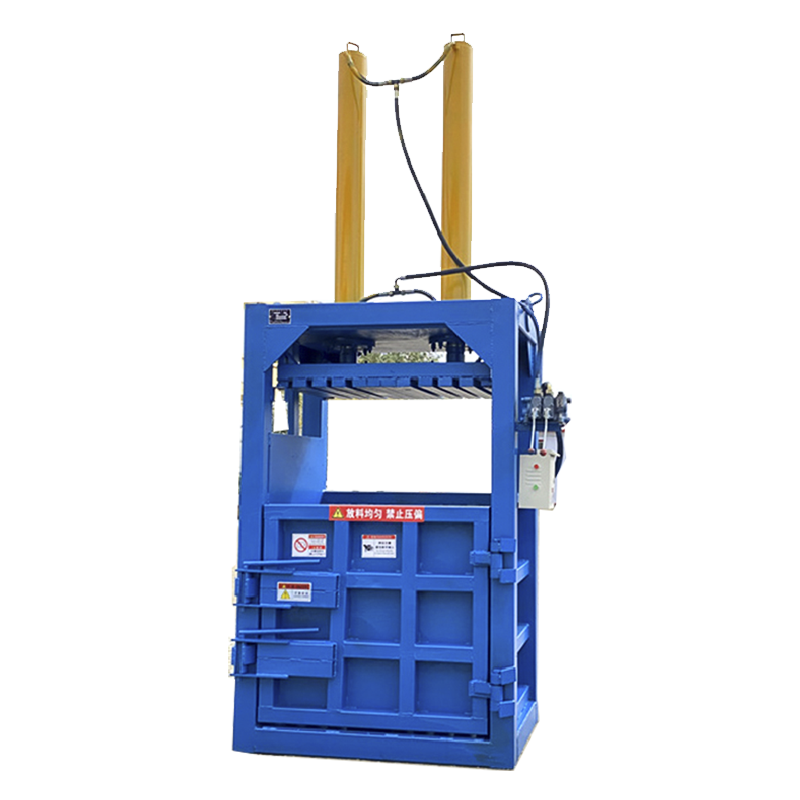
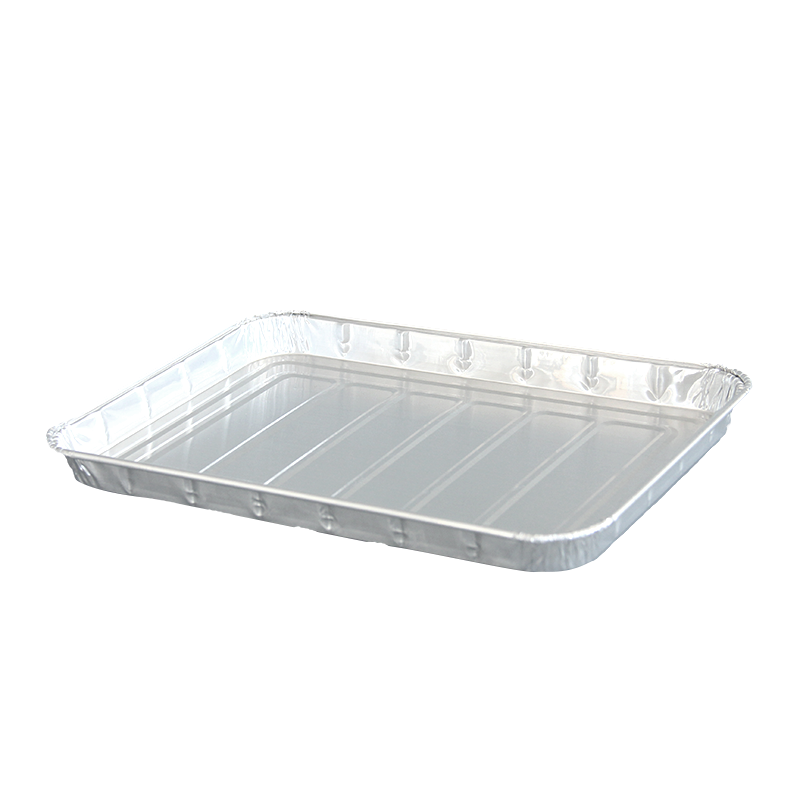
Container forming machines are the core equipment in aluminum foil container manufacturing, designed to produce a wide range of disposable aluminum foil containers with high precision and consistent quality. Suitable for manufacturing rectangular containers, round containers, compartment trays, roasting pans, and customized foil packaging, these machines are widely used by food packaging manufacturers, disposable tableware producers, and aluminum foil container factories.
Built for continuous, high-speed production, container forming machines combine precision stamping technology with automated control systems to ensure accurate forming, clean edge finishing, and stable product dimensions. Servo-driven operation and PLC control improve production efficiency while reducing material waste and manual intervention. The machines support multiple mold configurations, allowing manufacturers to switch between different container sizes and designs quickly to meet changing production requirements.
Compatible with various aluminum foil alloys, thicknesses, and container specifications, container forming machines can be integrated with automatic feeding systems, scrap collection units, stacking equipment, and packaging lines to create a complete production solution. Optional functions, including automatic lubrication, mold quick-change systems, online counting, robotic stacking, and intelligent monitoring, help improve productivity and lower operating costs. Customized machine configurations are available to match production capacity, factory layout, and specific application requirements for OEM manufacturers, equipment distributors, and global packaging producers.
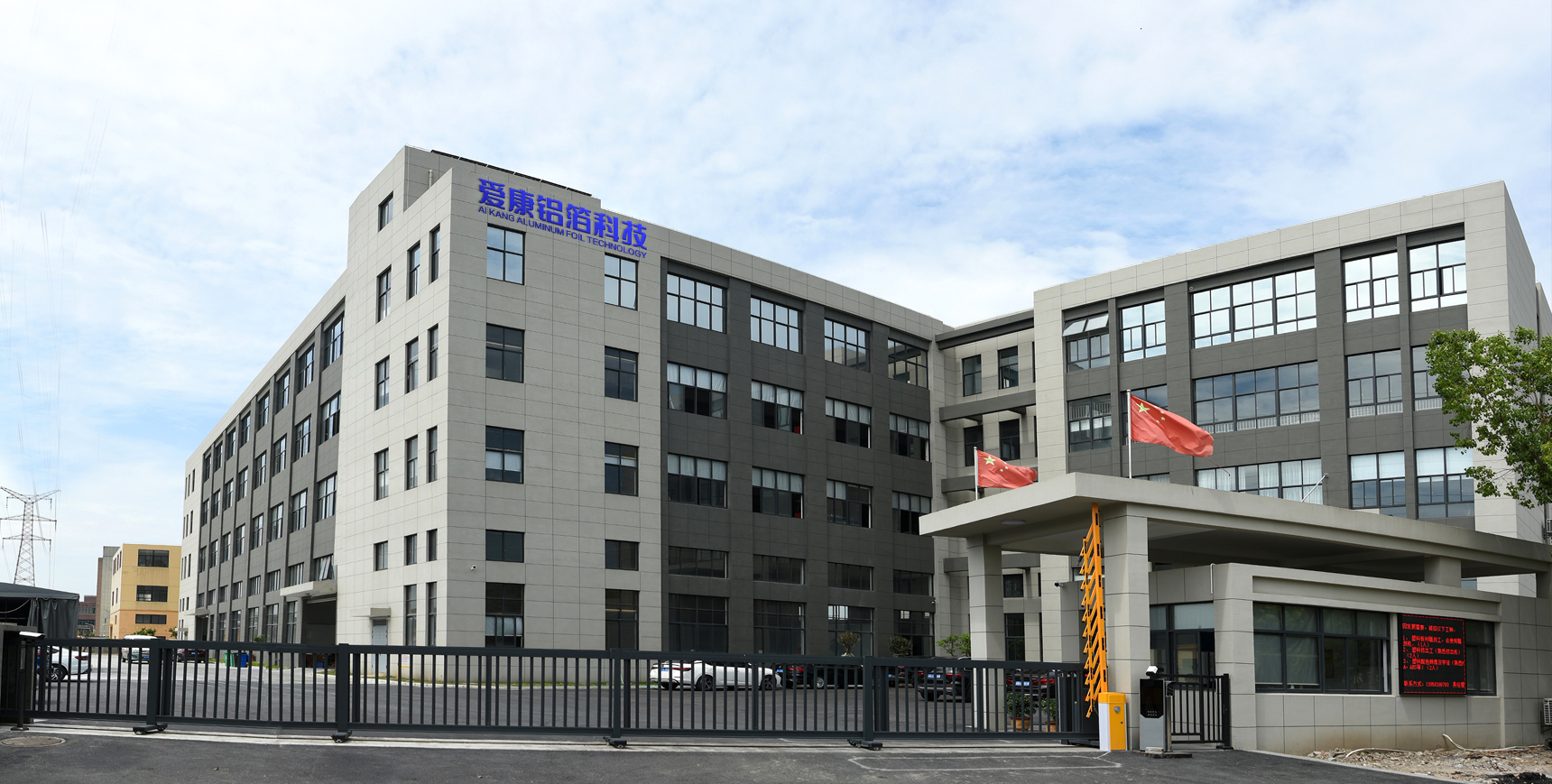

Ningbo Aikang Aluminum Foil Technology Co., Ltd.
Ningbo Aikang Aluminum Foil Technology Co., Ltd. is China Container Forming Machines Supplierand Container Forming Machines Factory, located in Haishu District, Ningbo, one of the most important port cities in China. The company is committed to the design, development, and production of environmentally disposable aluminum foil products and providing practical and advanced packaging solutions to meet the dynamic change of the market.
The main products consist of aviation aluminum foil containers, barbecue pans, Turkey pans, aluminum loaf pans, and other varied aluminum foil containers. Moreover, the company has developed several automatic production lines and molds to fully ensure the quality and diversity of the products. Equipped with professional design, advanced manufacturing facilities, and molds, qualified products, and a dedicated sales and service team, Aikang has ranked itself the top-notch enterprise in China.
The company has and will always hold the principle of " sincerity and integrity" to provide the best products and service to the customers at home and abroad and finally create a double-win situation. Looking forward to your visit and the cooperation with your esteemed company!
-
0Years of industry experience
We bring a wealth of knowledge and expertise to every project. Our extensive experience allows us to understand the unique challenges and requirements of the industry, enabling us to deliver tailored solutions that meet the highest standards.
-
0+Manufacturing Facilities
Aikang's extensive manufacturing and distribution network is a key driver of our ability to quickly and efficiently serve our customers.
-
0+Employees
We work hard as a team to continuously earn and sustain the trust of our customers and the consumers they serve.
Latest Updates
Pay Attention To Our Latest News And Exhibitions
-
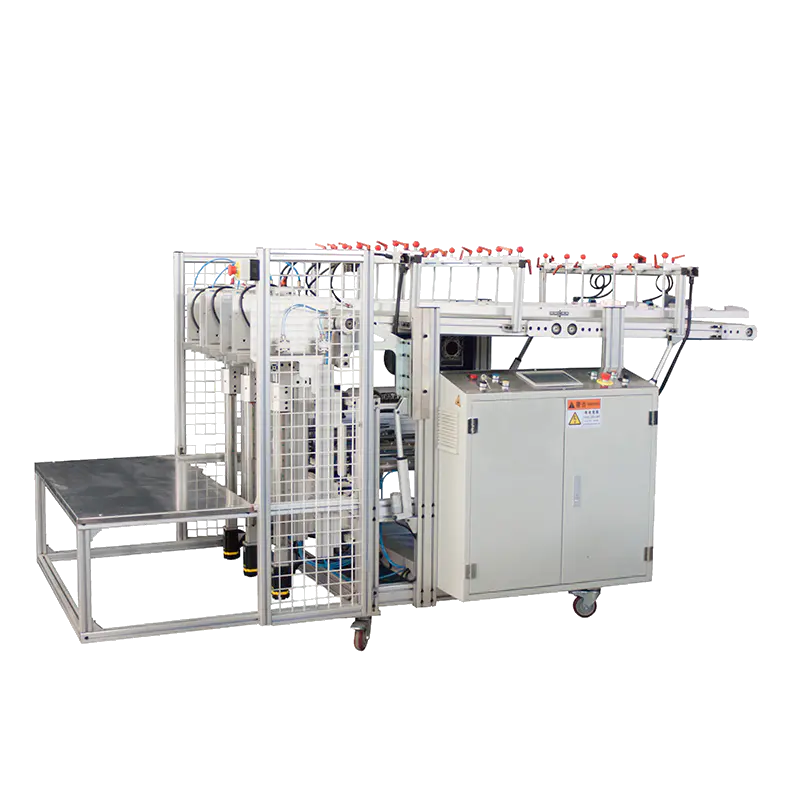 Automatic Stacking Machine: The Complete Guide to Automated Packaging EfficiencyIn today‘s fast-paced manufacturing environment, the automatic stacking machine has emerged as an in...View More >
 -
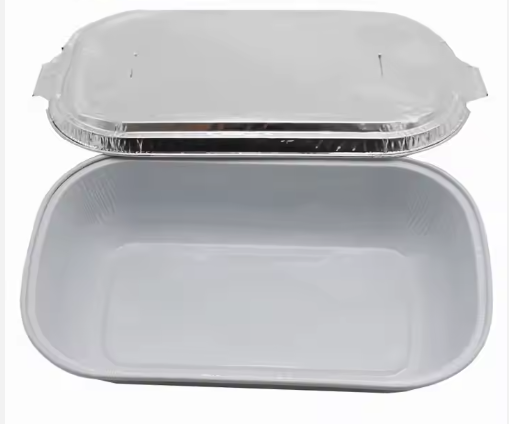 Aluminum Pans with Lids: The Complete SolutionWhile traditional foil baking pans are excellent for cooking, aluminum pans with lids offer an addit...View More >
 -
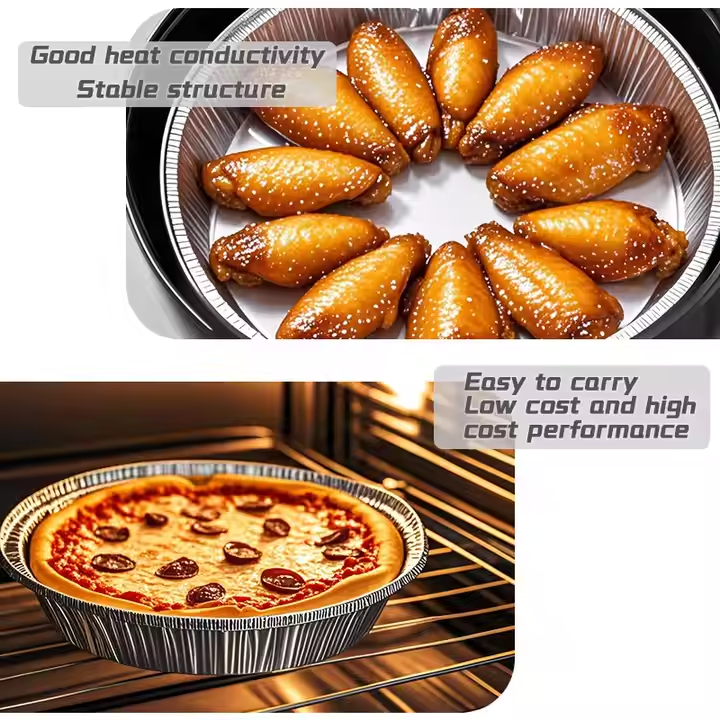 The Foil Baking Pans Sizes in AiKang factoryWhen it comes to baking, roasting, meal prep, or food storage, few kitchen tools offer the versatili...View More >
 -
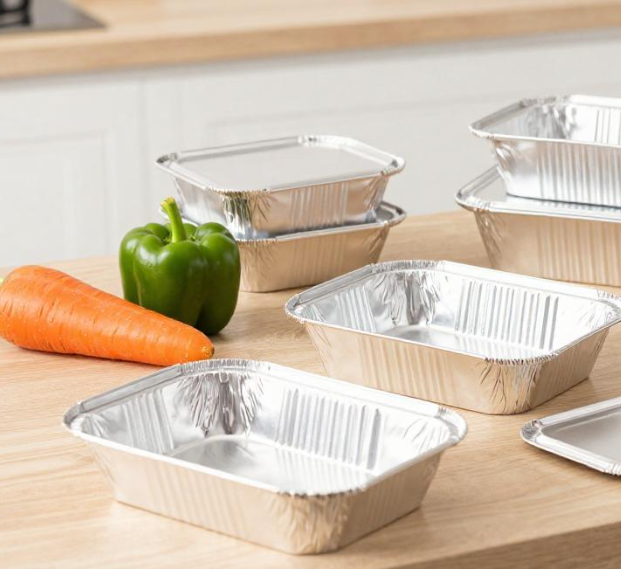 Can You Put Foil in the Grill? Safe Methods and Precautions You Must FollowYou are grilling salmon and zucchini, but the fish is flaking apart and the vegetables are falling...View More >
 -
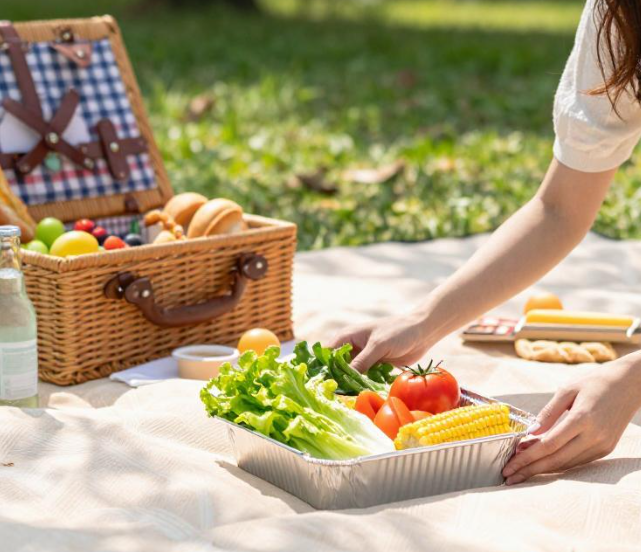 Does Aluminum Conduct Heat? Facts and Practical Insights for Food Packaging BuyersDoes aluminum conduct heat? Yes. Pure aluminum has a thermal conductivity of about 237 W/m·K, which...View More >
 -
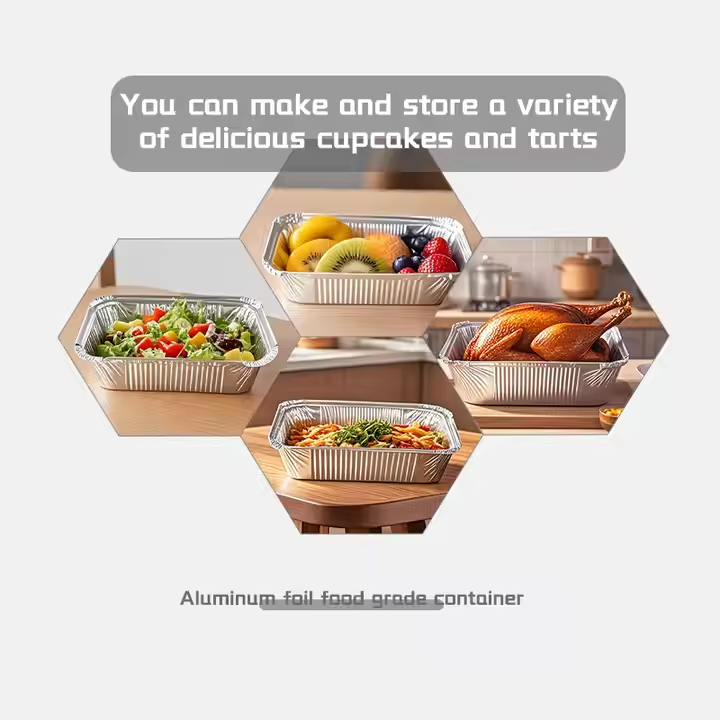 The Ultimate Guide to Aluminum Foil Lunch Boxes: Are They Safe, Reusable, and Worth It? | Ai Kang foil companyPicture this: you're packing lunch for the week, meal-prepping for a busy family, or running a takeo...View More >
Honor //
Honor / Warehouse Display
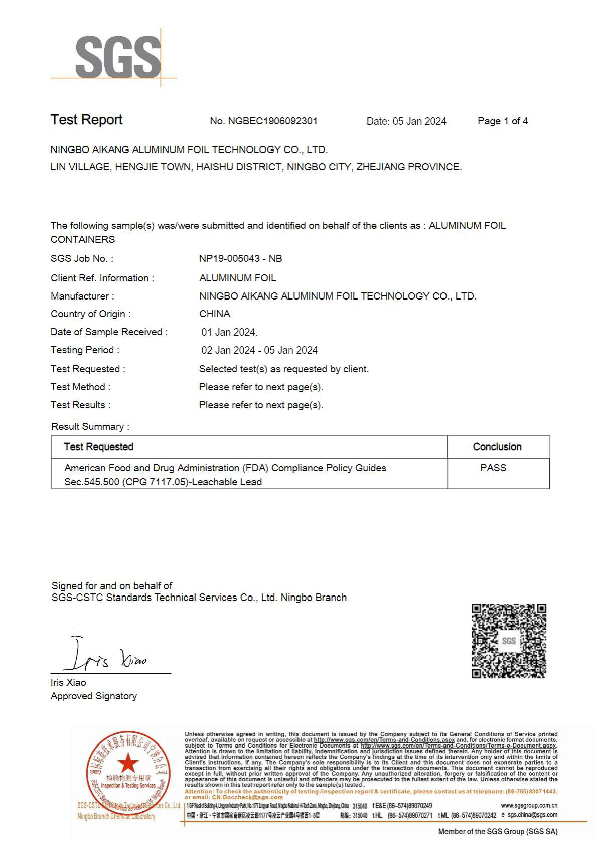
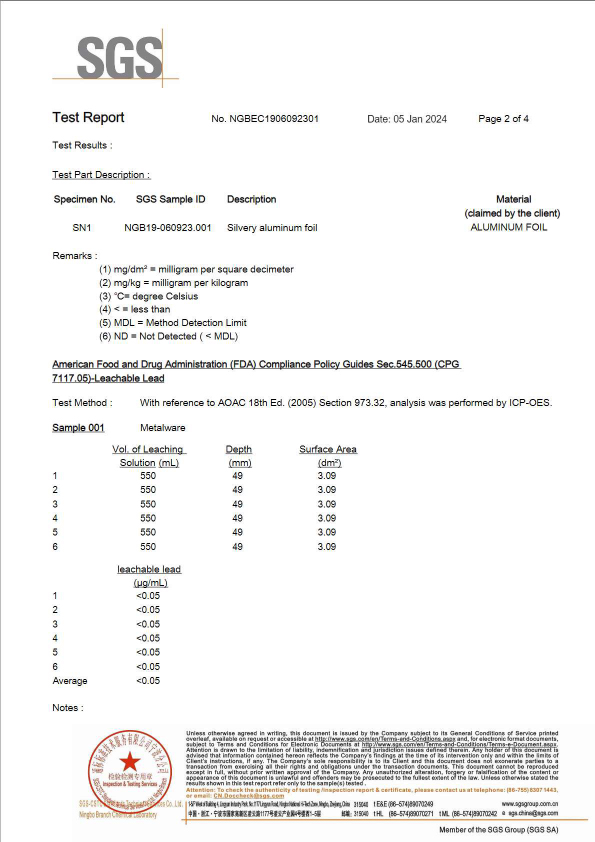
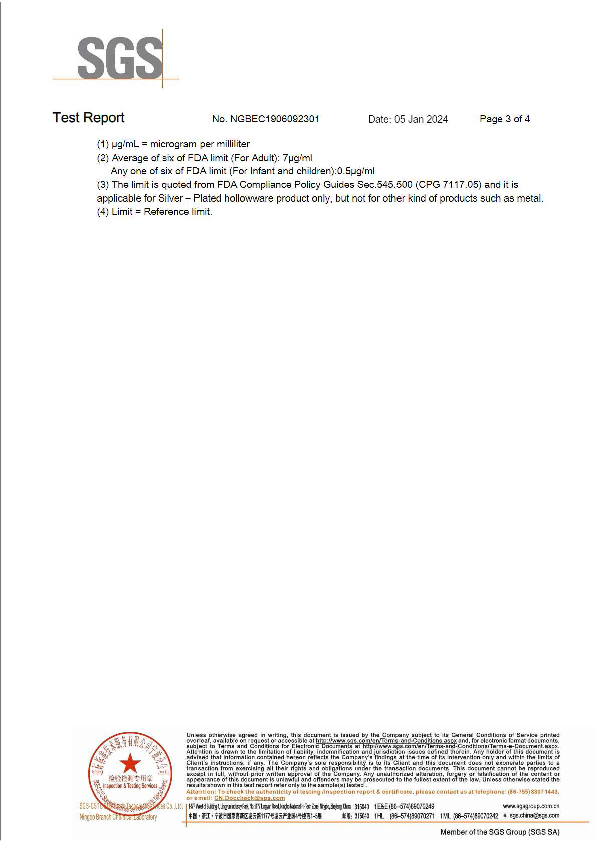
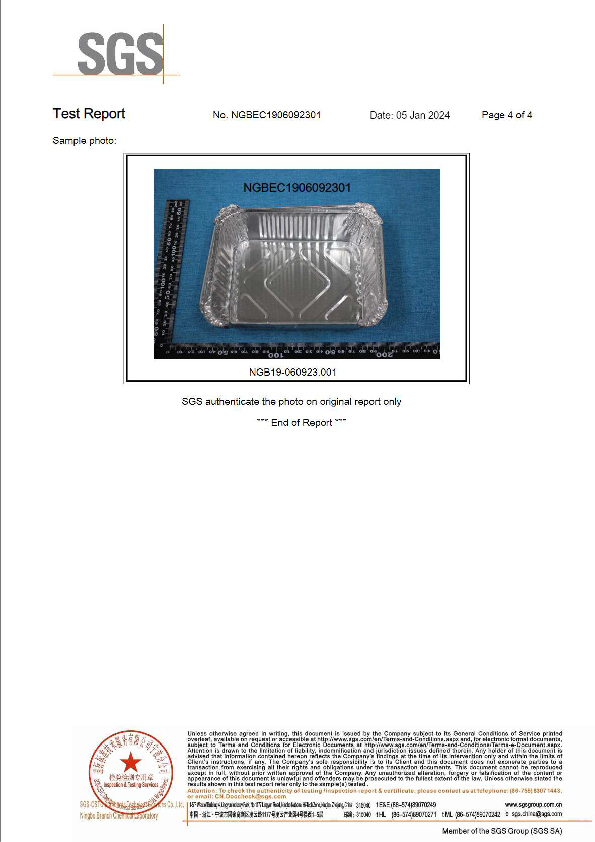
1. What Are Container Forming Machines?
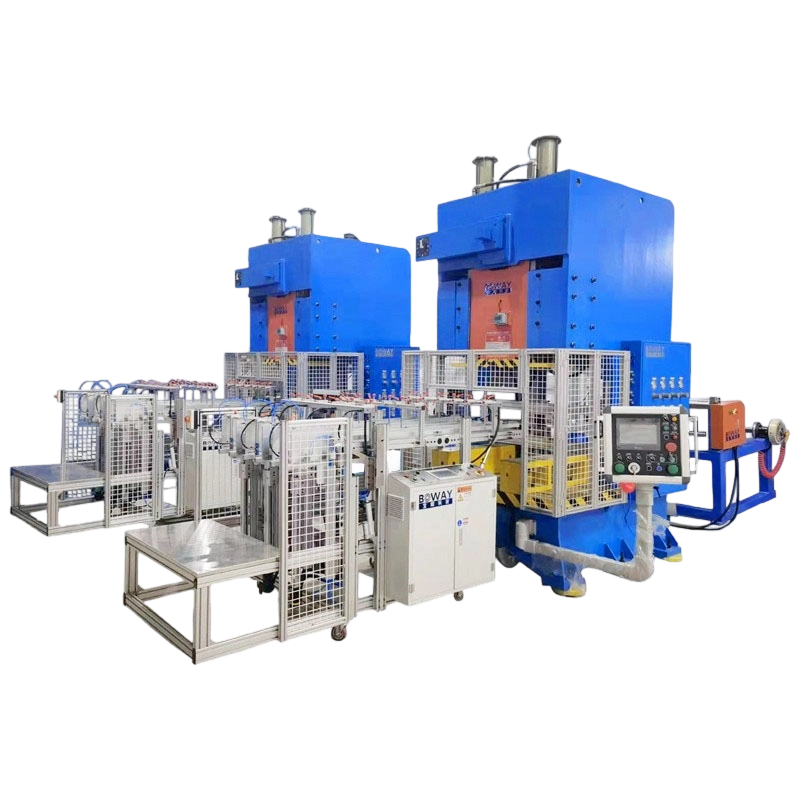
Container forming machines are the core stamping equipment used to transform flat aluminum foil coils into finished disposable containers such as rectangular trays, round containers, compartment trays, and roasting pans. These machines apply high-tonnage stamping pressure through precision molds to shape, cut, and finish the foil in a single continuous cycle. For food packaging manufacturers, forming accuracy directly determines product sealing performance, stacking stability, and appearance quality on retail shelves.
Modern forming machines operate at speeds ranging from 40 to 150 strokes per minute depending on container size and mold complexity, with servo-driven models achieving significantly tighter dimensional tolerances than older mechanical presses.
2. Core Technology Behind Precision Forming
Achieving consistent forming quality at high speed depends on a combination of mechanical precision and intelligent control.
(1) Servo-Driven Stamping System
Servo motors replace traditional flywheel-driven mechanisms, allowing variable stroke speed and pressure curves tailored to different foil thicknesses. This reduces mechanical stress on molds and extends mold service life by up to 25% compared to fixed-speed presses.
(2) PLC-Based Control System
Programmable logic controllers synchronize feeding, stamping, and ejection sequences, enabling real-time adjustment of forming parameters without stopping the line. Operators can store multiple product recipes for fast changeover between container designs.
(3) Mold Quick-Change System
Quick-change mold systems reduce changeover time from several hours to under 30 minutes, a critical advantage for manufacturers running multiple SKUs on the same production line.
(4) Automatic Lubrication and Monitoring
Automatic lubrication systems reduce friction-related wear, while intelligent monitoring tracks stamping force, cycle count, and fault alerts to prevent unplanned downtime.
3. Machine Types by Production Capacity
Manufacturers typically select container forming machines based on target output volume, container complexity, and available factory space. The table below outlines three common capacity tiers.
| Machine Tier | Speed (strokes/min) | Typical Output (pcs/hour) | Best For |
|---|---|---|---|
| Entry-Level | 40–60 | 7,000–10,000 | Small factories, trial production |
| Mid-Range | 70–100 | 12,000–18,000 | Mid-size manufacturers, multi-SKU lines |
| High-Speed | 110–150 | 20,000–28,000 | Large-scale export production |
4. Building a Complete Production Line
Container forming machines rarely operate as standalone units in modern factories. Integrating supporting equipment maximizes throughput and reduces labor dependency.
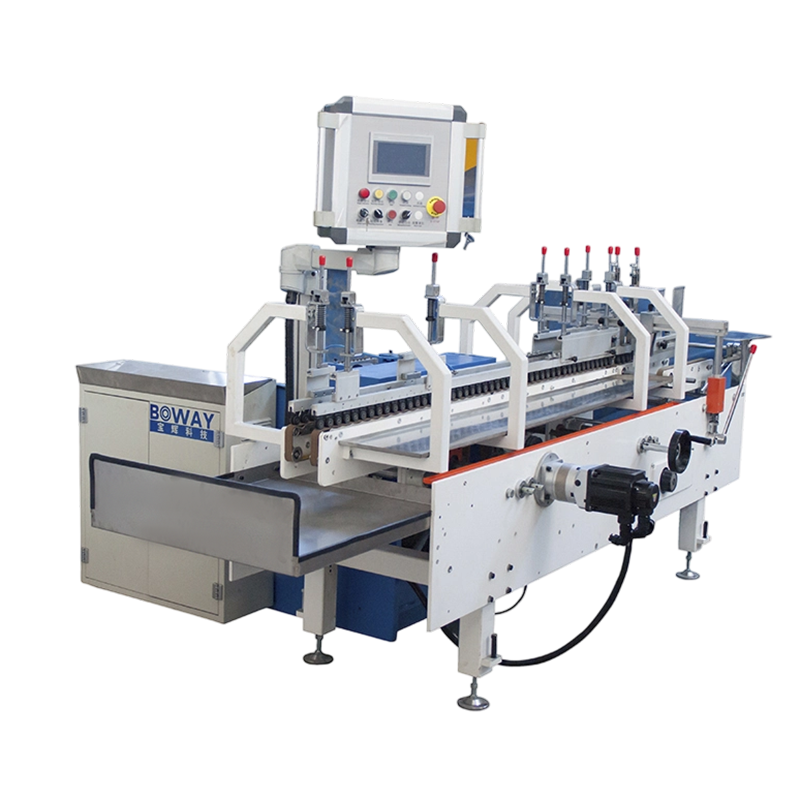
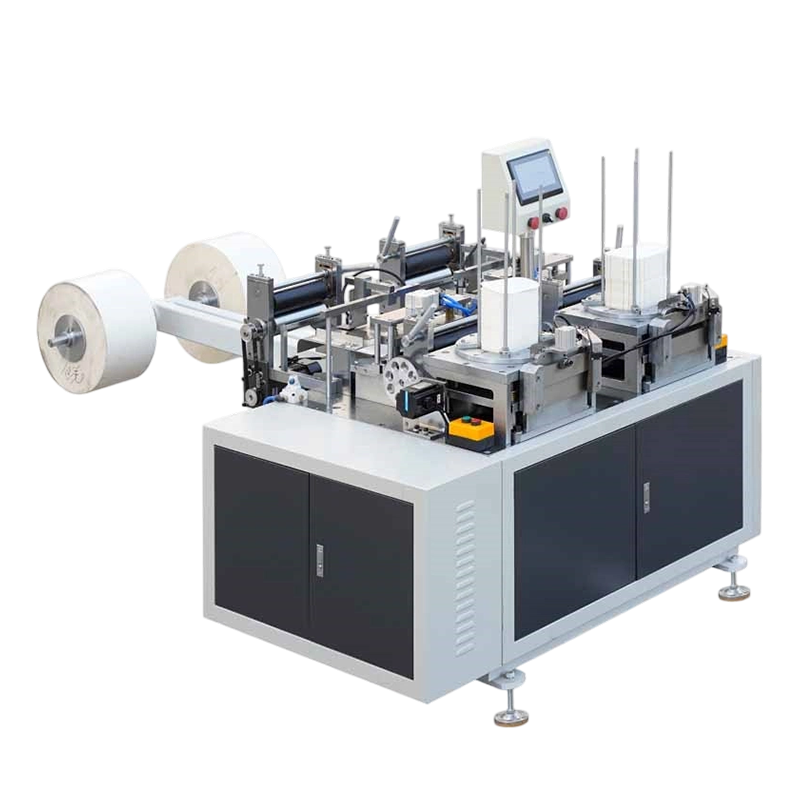
- Automatic feeding systems ensure continuous, precisely timed foil delivery into the press.
- Scrap collection units remove stamping waste automatically, keeping the line running without manual clearing.
- Robotic stacking equipment sorts and stacks finished containers by count for downstream packaging.
- Online counting systems track output in real time, supporting accurate production reporting.
- Packaging line integration allows finished containers to move directly into bagging or boxing stations.
5. Choosing a Reliable Container Forming Machine Supplier
Container forming machines are the core equipment in aluminum foil container manufacturing, designed to produce a wide range of disposable aluminum foil containers with high precision and consistent quality. Suitable for manufacturing rectangular containers, round containers, compartment trays, roasting pans, and customized foil packaging, these machines are widely used by food packaging manufacturers, disposable tableware producers, and aluminum foil container factories.
Built for continuous, high-speed production, container forming machines combine precision stamping technology with automated control systems to ensure accurate forming, clean edge finishing, and stable product dimensions. Servo-driven operation and PLC control improve production efficiency while reducing material waste and manual intervention. The machines support multiple mold configurations, allowing manufacturers to switch between different container sizes and designs quickly to meet changing production requirements.
Compatible with various aluminum foil alloys, thicknesses, and container specifications, container forming machines can be integrated with automatic feeding systems, scrap collection units, stacking equipment, and packaging lines to create a complete production solution. Optional functions, including automatic lubrication, mold quick-change systems, online counting, robotic stacking, and intelligent monitoring, help improve productivity and lower operating costs.
Ningbo Aikang Aluminum Foil Technology Co., Ltd. is a China Feeding Systems Supplier and Feeding Systems Factory, located in Haishu District, Ningbo, one of the most important port cities in China. The company is committed to the design, development, and production of environmentally disposable aluminum foil products and providing practical and advanced packaging solutions to meet the dynamic change of the market.
The main products consist of aviation aluminum foil containers, barbecue pans, Turkey pans, aluminum loaf pans, and other varied aluminum foil containers. Moreover, the company has developed several automatic production lines and molds to fully ensure the quality and diversity of the products. Equipped with professional design, advanced manufacturing facilities, and molds, qualified products, and a dedicated sales and service team, Aikang has ranked itself as a top-notch enterprise in China.
6. Frequently Asked Questions
Q1: What container shapes can a forming machine produce?
Standard forming machines can produce rectangular containers, round containers, oval containers, compartment trays, and custom shapes with mold changes.
Q2: How long does it take to change molds for a new product?
With a quick-change mold system, changeover typically takes under 30 minutes, compared to several hours on older equipment without this feature.
Q3: What aluminum foil thickness range is compatible?
Most container forming machines handle foil gauges from 0.04mm to 0.09mm, covering household, catering, and aviation-grade container specifications.
Q4: How much floor space does a full production line require?
A complete line with feeding, forming, and stacking equipment typically requires 15–25 square meters, though this varies with machine tier and mold size.
Q5: What is the expected service life of a container forming machine?
With proper maintenance, servo-driven forming machines commonly operate reliably for 10–15 years, with molds typically requiring replacement or refurbishment sooner.
Q6: Can existing production lines be upgraded with servo-driven forming machines?
Yes, many manufacturers retrofit older mechanical lines with servo-driven forming units to improve precision and reduce material waste without replacing the entire line.
Ningbo Aikang Aluminum Foil Technology Co., Ltd, based in Ningbo, produces eco-friendly disposable aluminum foil products. They prioritize quality and customer satisfaction, serving the global market with innovative packaging solutions.


Quick Links
Contact
-
 No. 5 Yongxing East Road, Fengshan Street, Yuyao City, Zhejiang Province, China
-
 Tel: +86-15867468784
-
 E-mail: [email protected]
Send Us A Message
