
 English
 日本語
日本語 عربى
عربى Español
Product Categories
Recent Posts
Aikang excels in eco-friendly aluminum foil products, delivering innovative packaging solutions and upholding quality and customer satisfaction globally.
contact usRectangular Aluminum Foil Containers Supplier
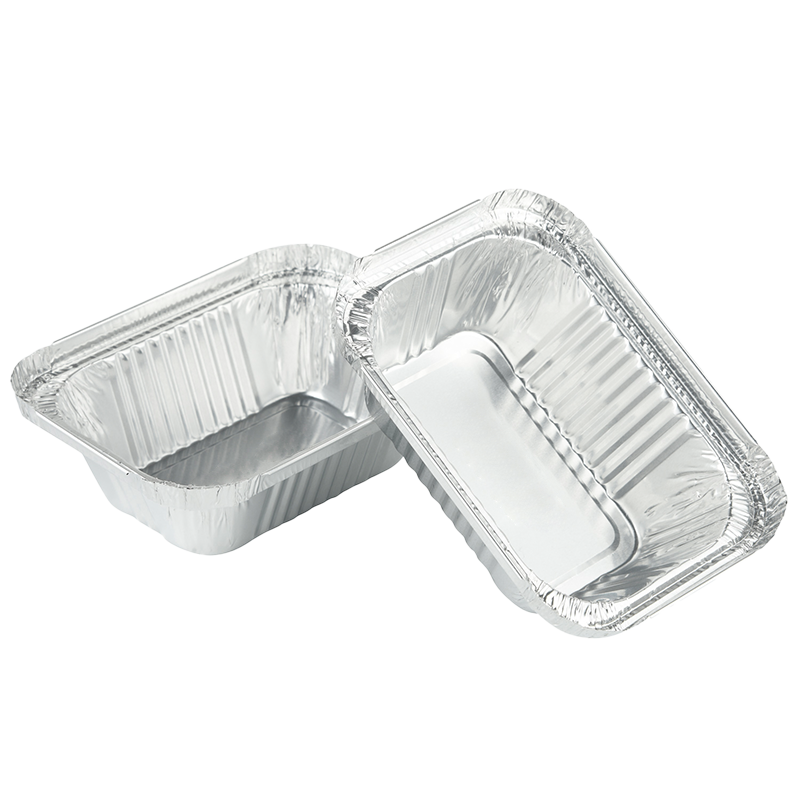
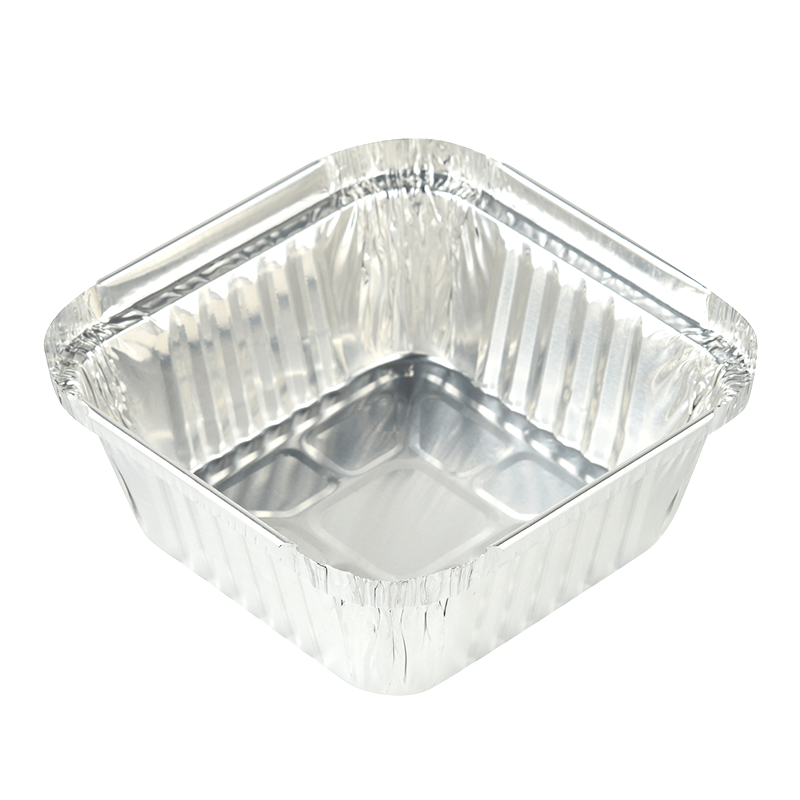
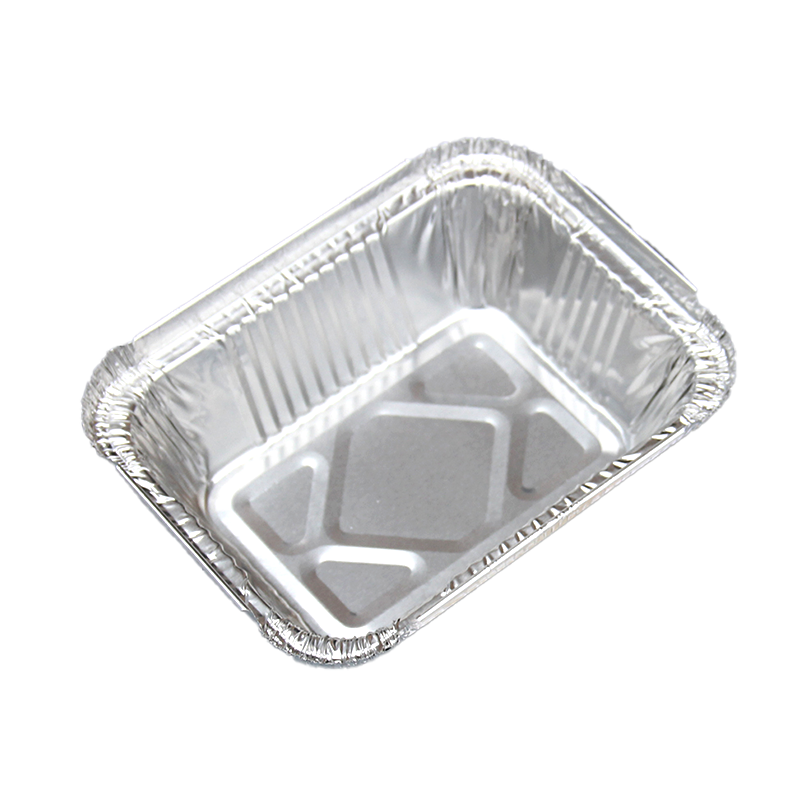
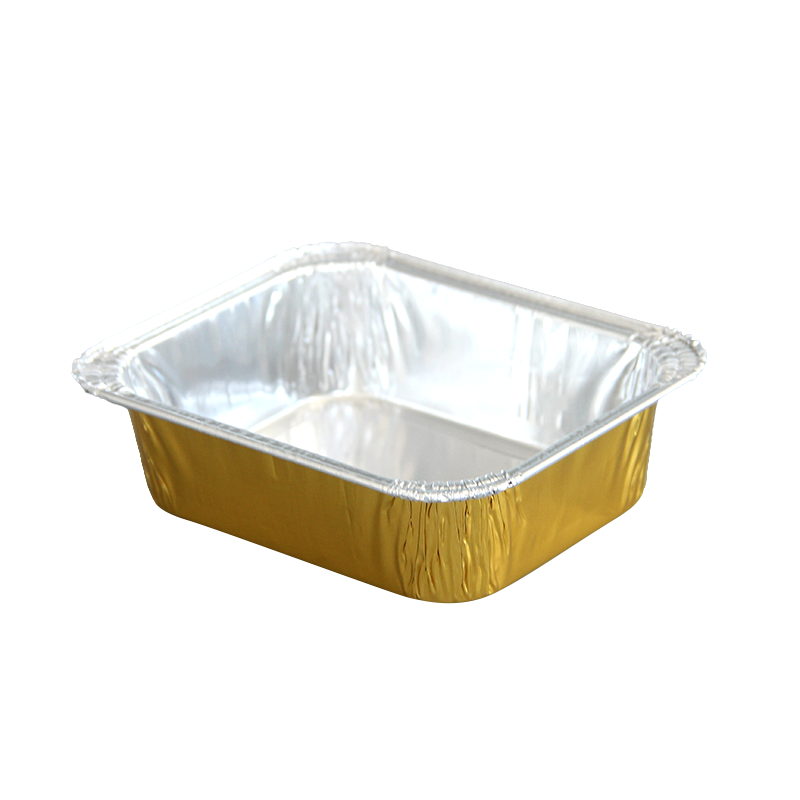
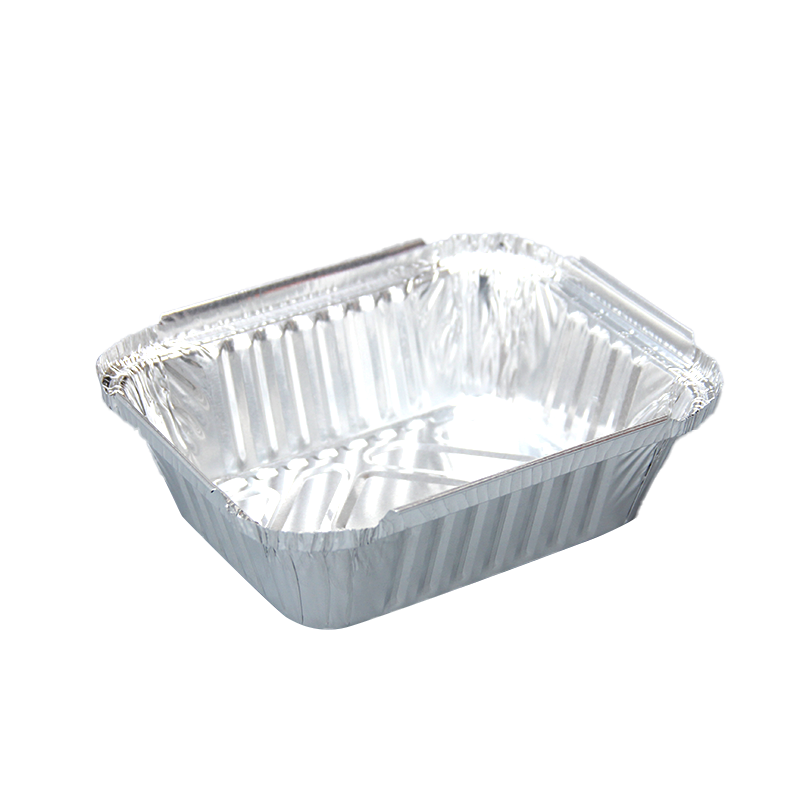
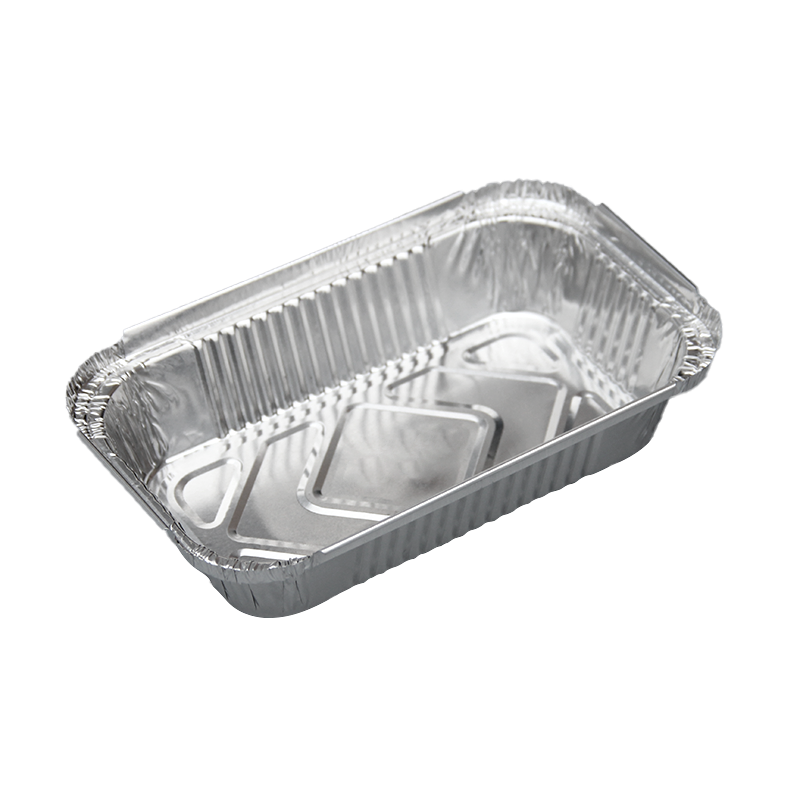
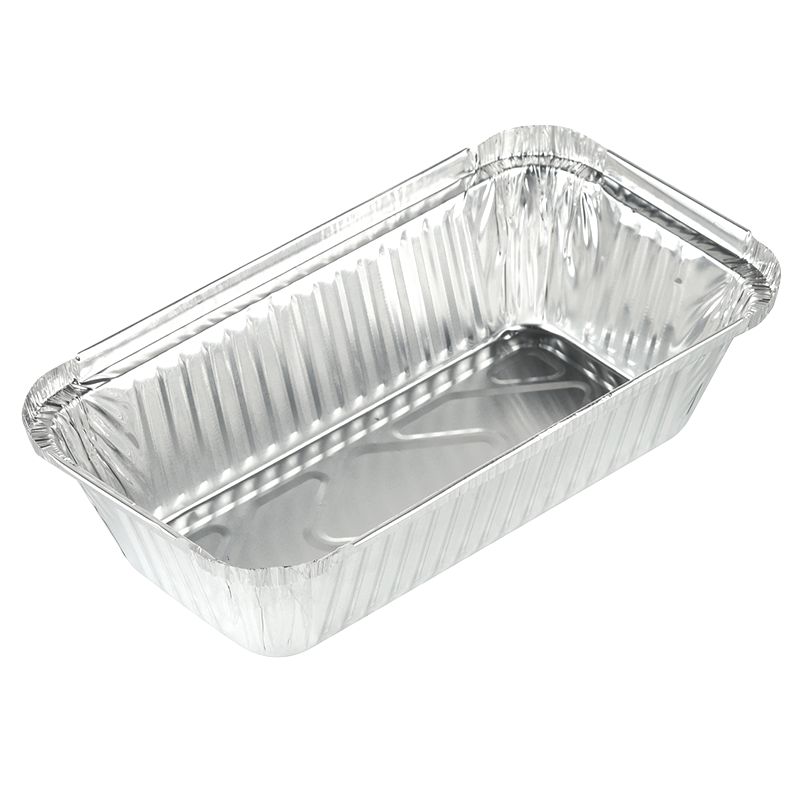
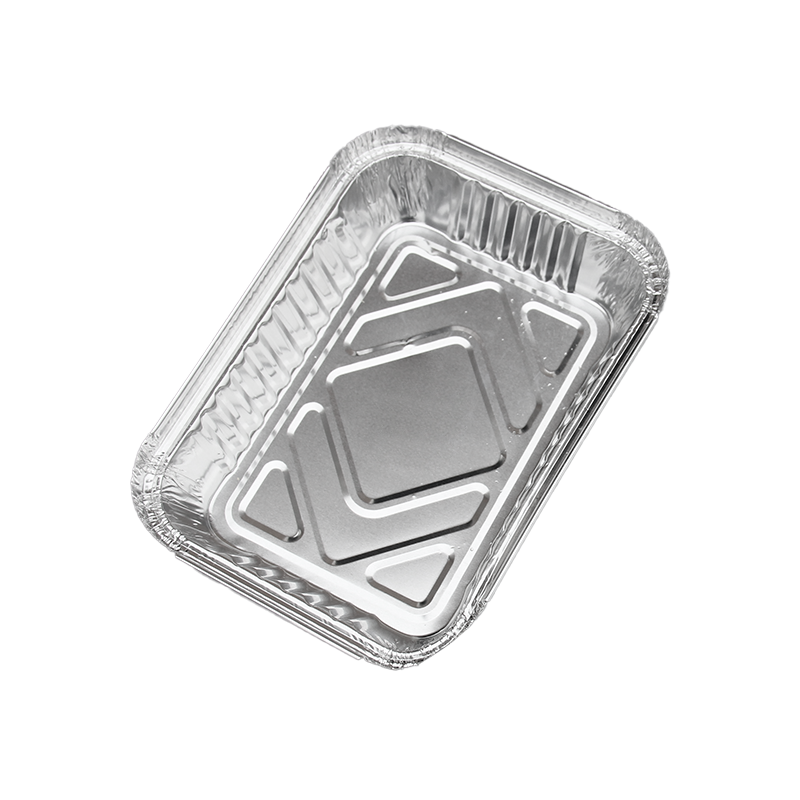
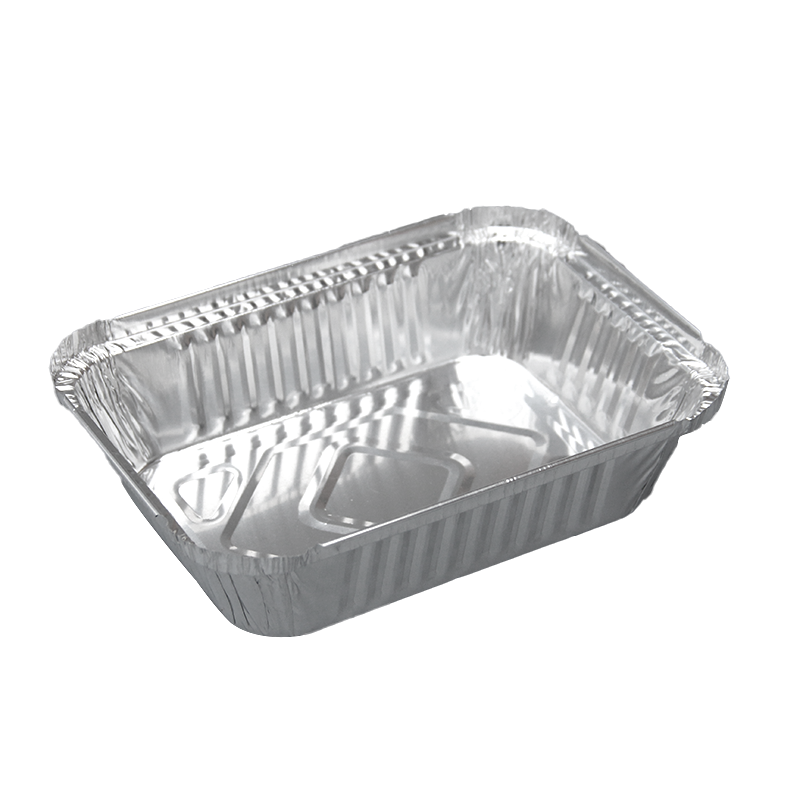
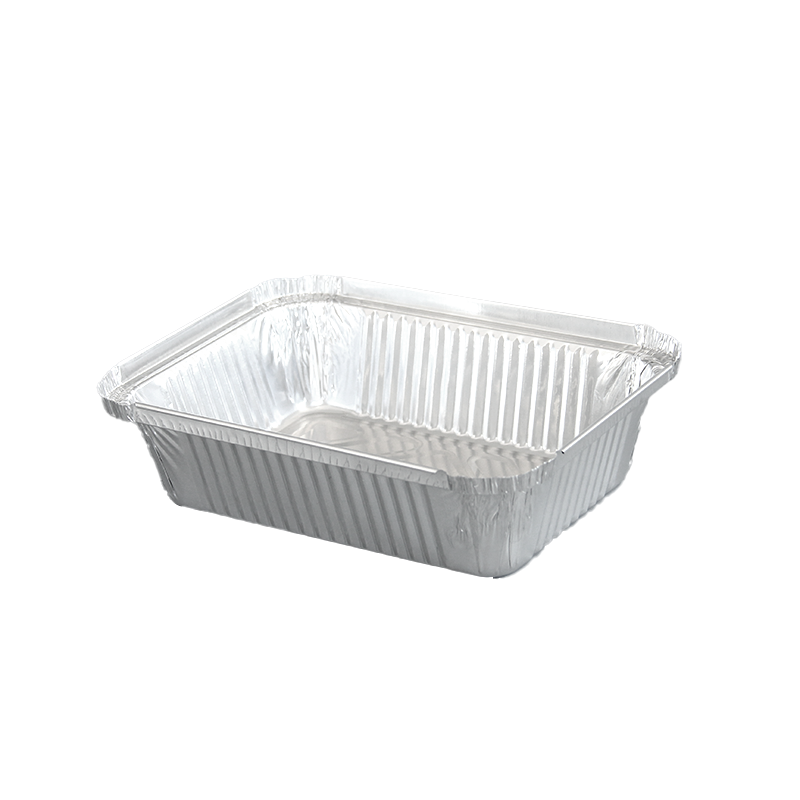
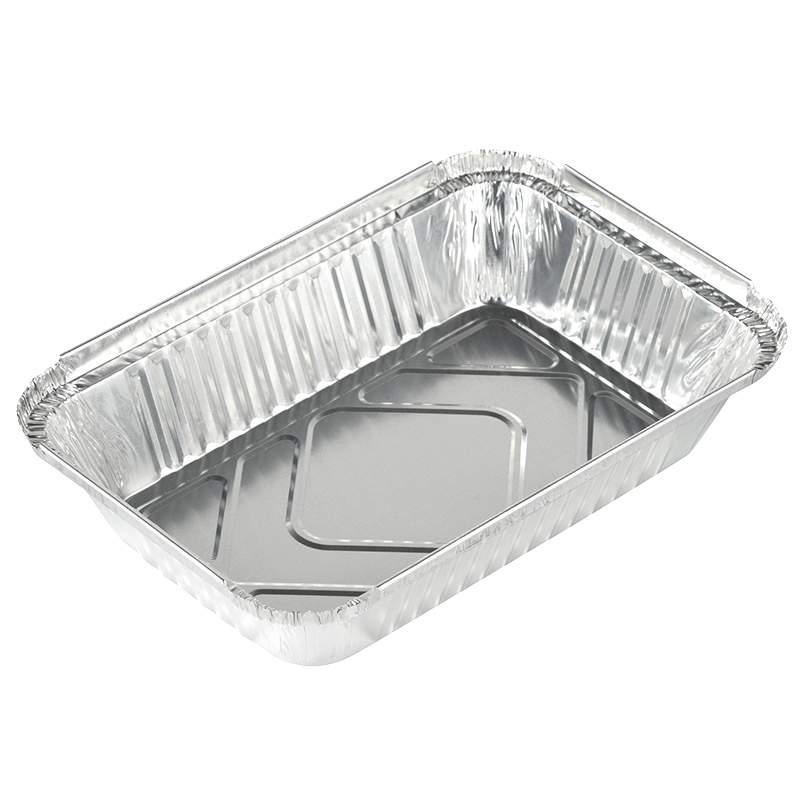
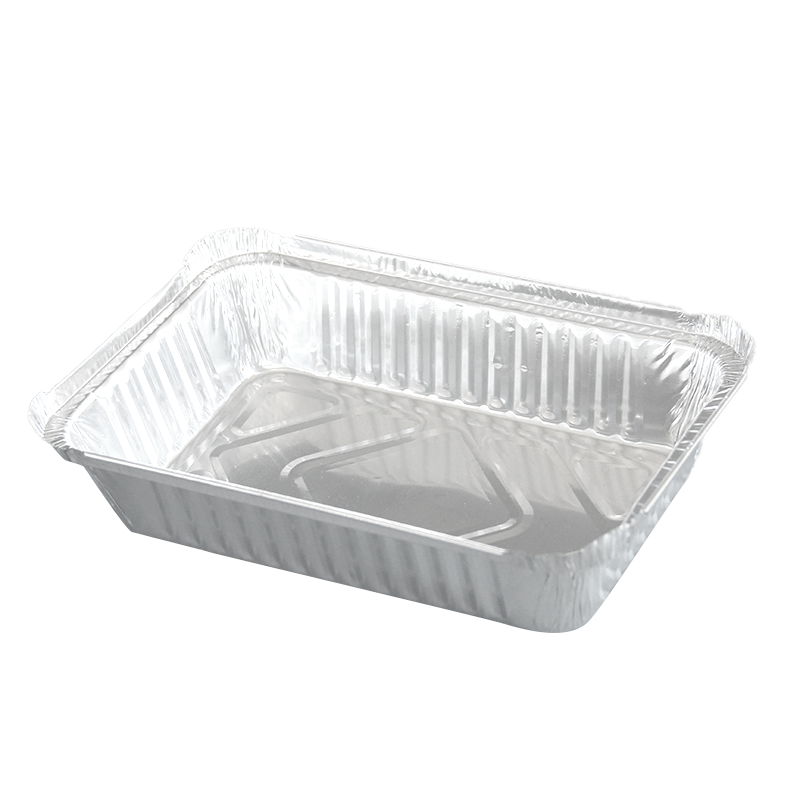
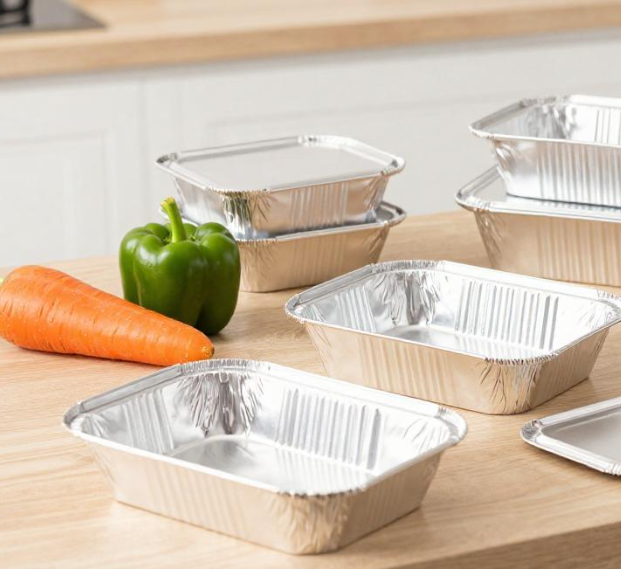
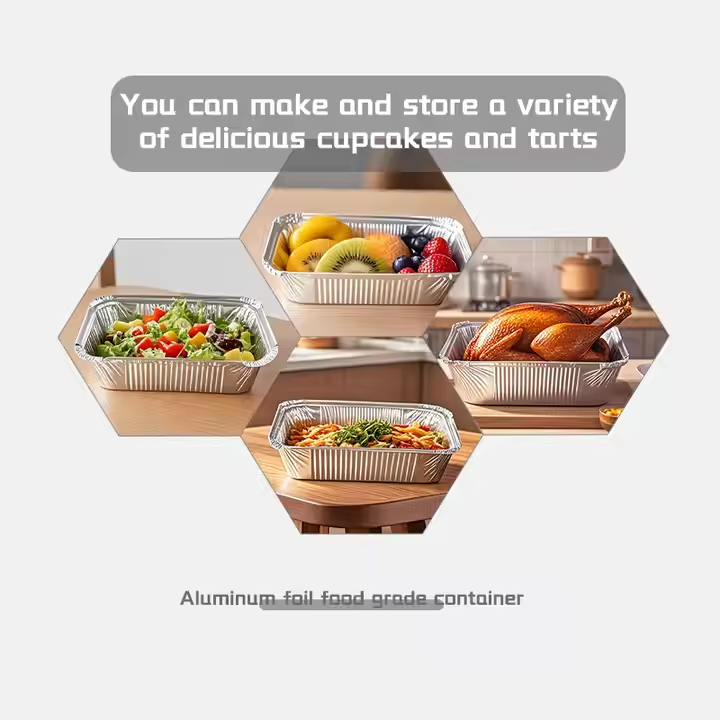
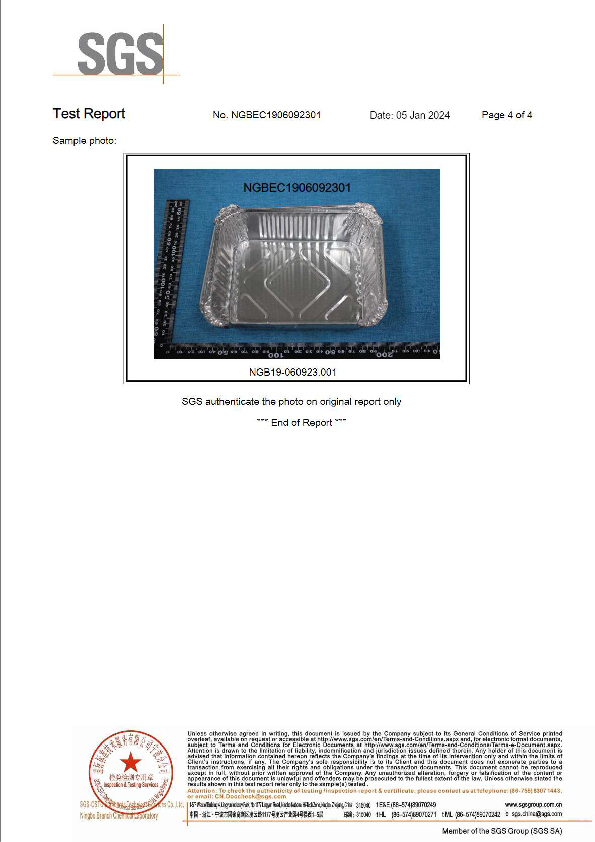
Rectangular aluminum foil containers are one of the most widely used packaging solutions in the food service and catering industry. Their practical shape makes full use of storage and transportation space while providing ample capacity for a variety of meals. They are commonly used for ready-to-eat meals, takeaway packaging, food processing, baking, roasting, frozen foods, and meal preparation.
Made from food-grade aluminum foil, these containers offer excellent thermal conductivity, allowing food to heat evenly in conventional ovens while maintaining its original flavor and texture. They can also withstand low-temperature storage, making them suitable for freezing and long-term food preservation. Their leak-resistant structure and high strength help protect food during transportation and reduce the risk of deformation.
Our rectangular aluminum foil containers are available in a wide selection of sizes, depths, capacities, and thicknesses to meet different packaging requirements. Compatible with aluminum foil lids, paper lids, and transparent plastic lids, they provide secure sealing for takeaway, retail, and food delivery applications. Custom embossing, logo printing, and private label packaging are also available to support brand promotion and market differentiation.
Widely supplied to restaurants, catering companies, supermarkets, airlines, food manufacturers, and packaging distributors, rectangular aluminum foil containers offer an efficient, recyclable, and cost-effective solution for modern food packaging.
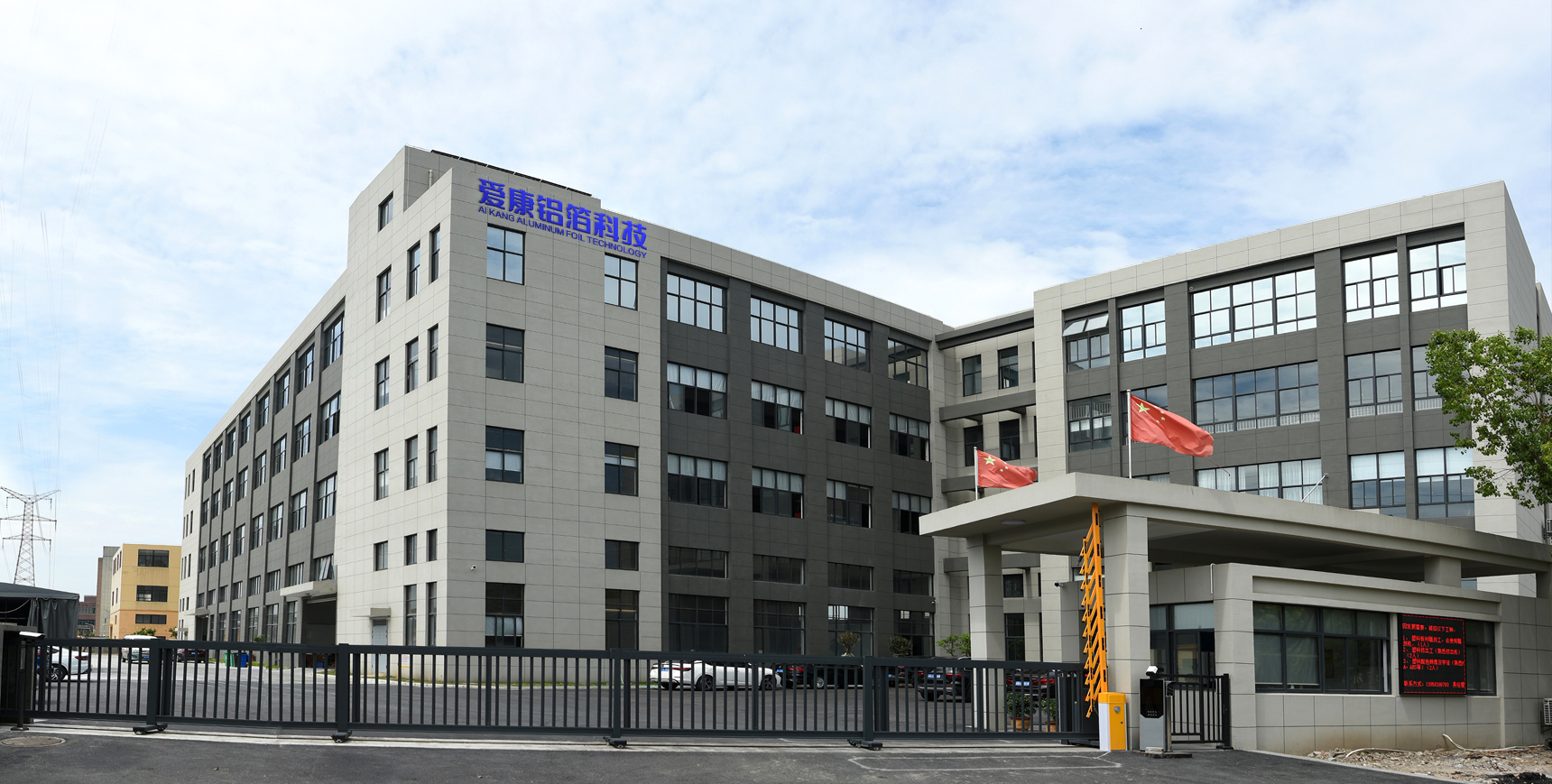

Ningbo Aikang Aluminum Foil Technology Co., Ltd.
Ningbo Aikang Aluminum Foil Technology Co., Ltd. is China Rectangular Aluminum Foil Containers Supplierand Rectangular Aluminum Foil Containers Factory, located in Haishu District, Ningbo, one of the most important port cities in China. The company is committed to the design, development, and production of environmentally disposable aluminum foil products and providing practical and advanced packaging solutions to meet the dynamic change of the market.
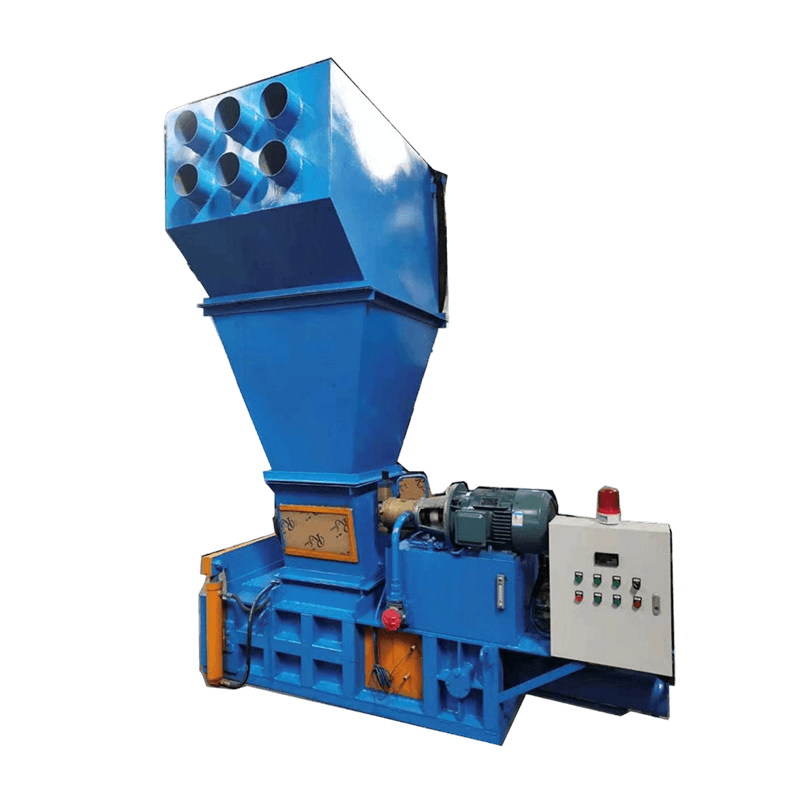
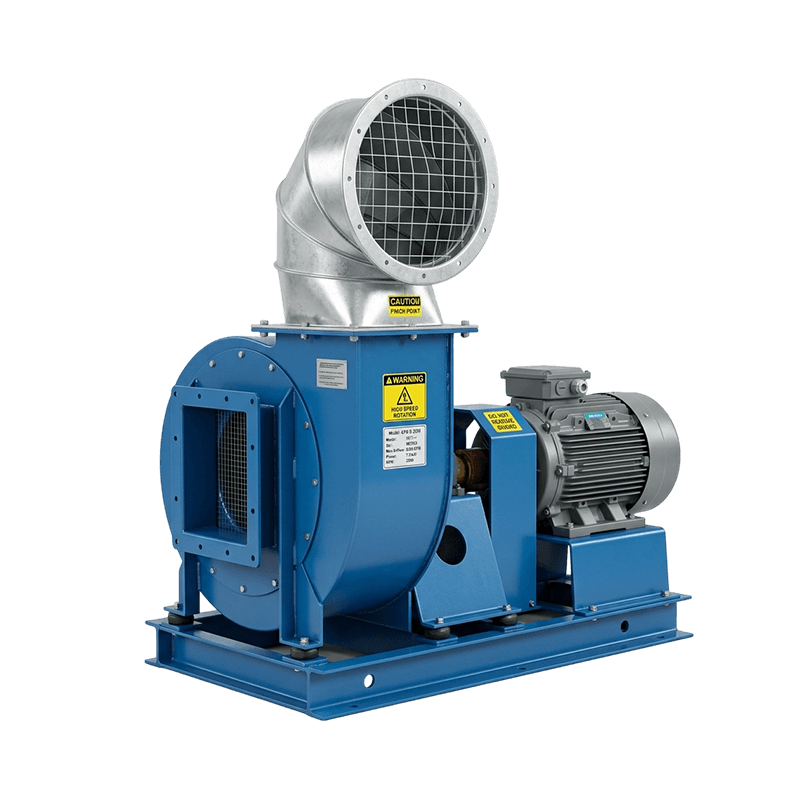
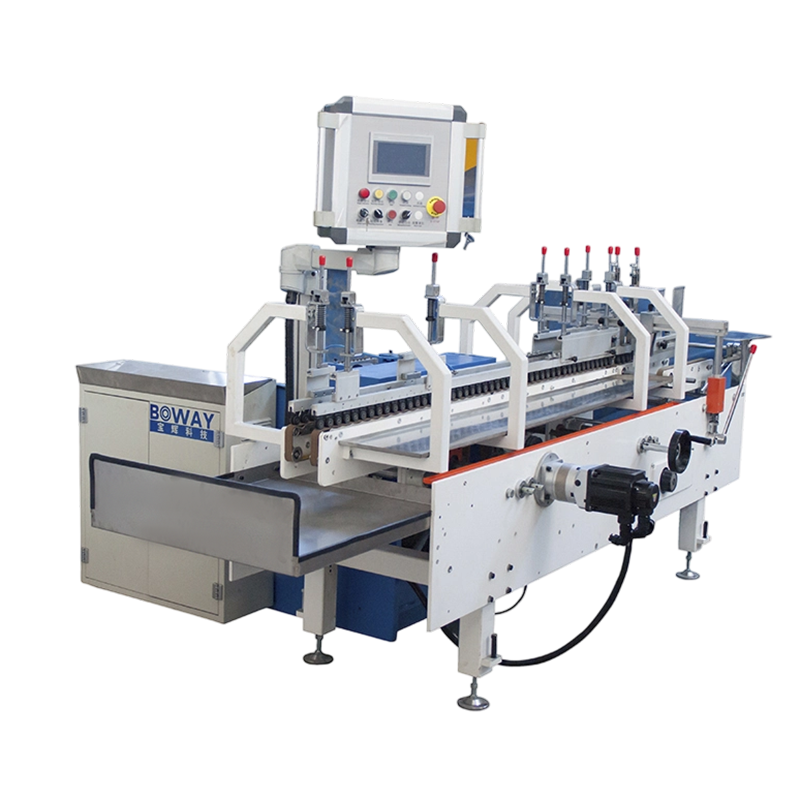
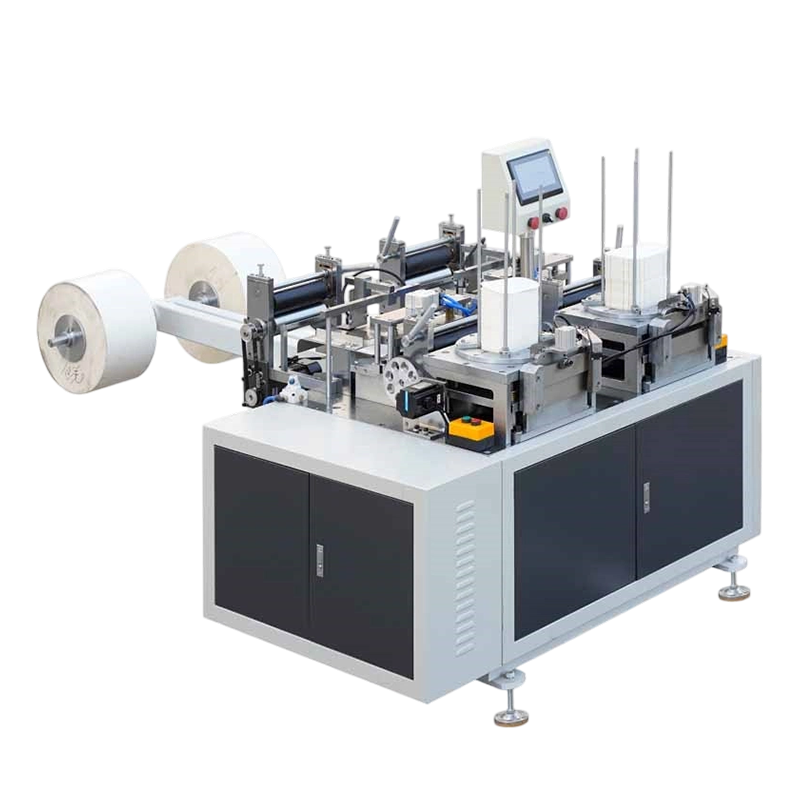
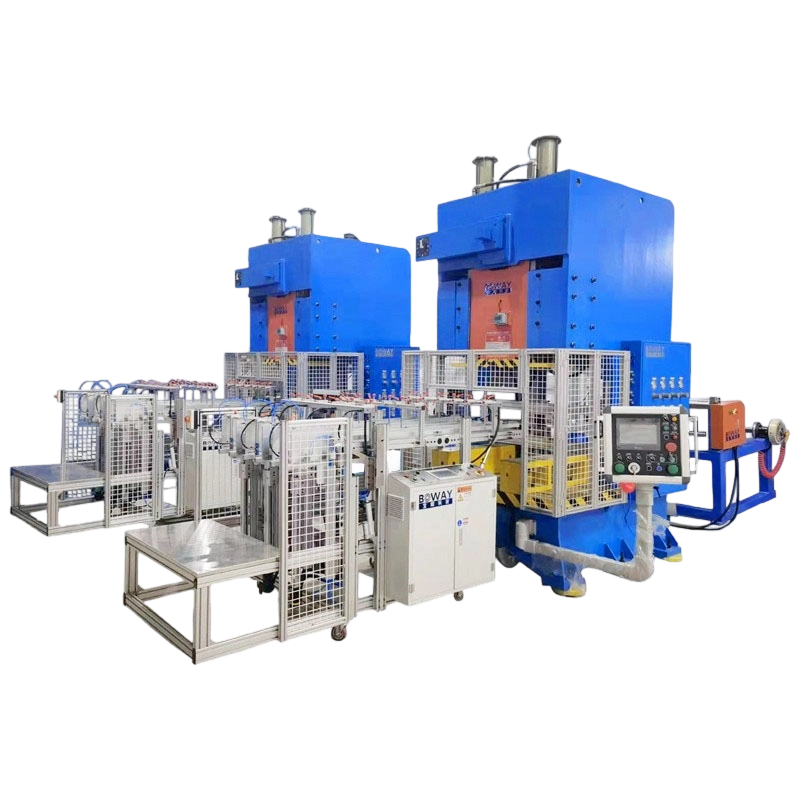
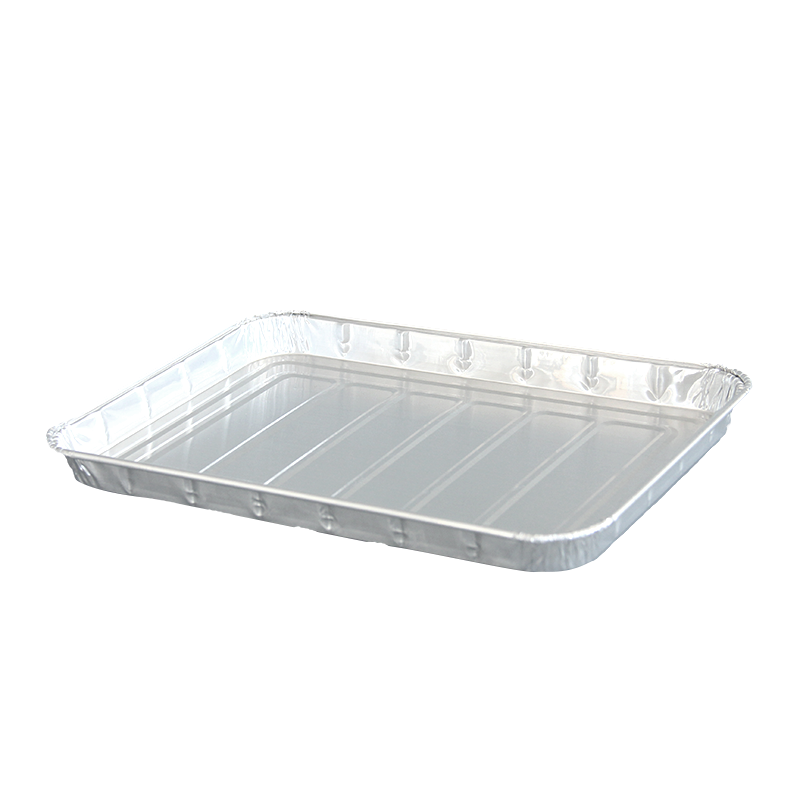
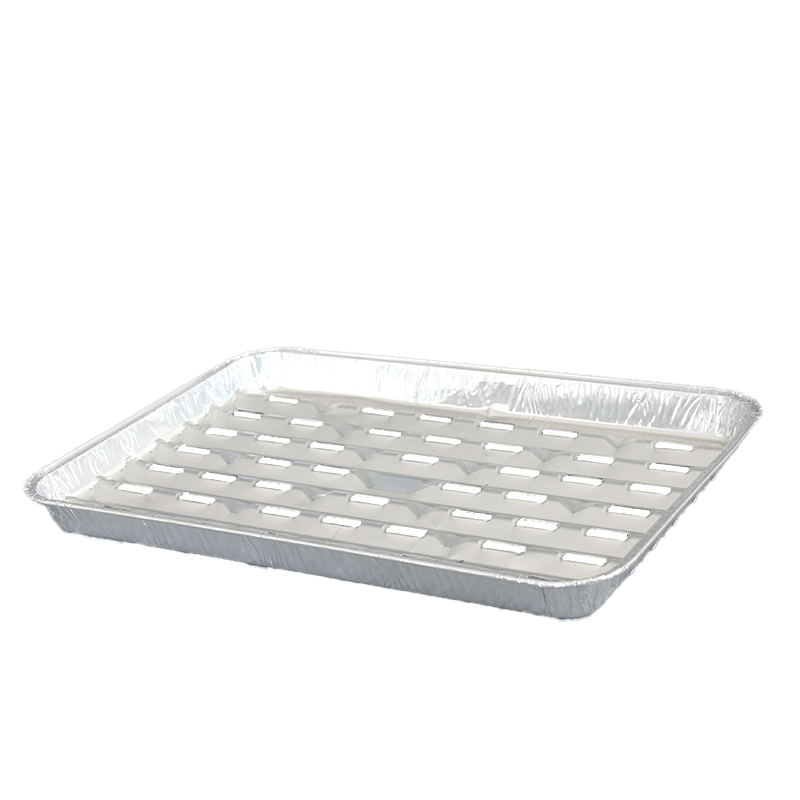
The main products consist of aviation aluminum foil containers, barbecue pans, Turkey pans, aluminum loaf pans, and other varied aluminum foil containers. Moreover, the company has developed several automatic production lines and molds to fully ensure the quality and diversity of the products. Equipped with professional design, advanced manufacturing facilities, and molds, qualified products, and a dedicated sales and service team, Aikang has ranked itself the top-notch enterprise in China.
The company has and will always hold the principle of " sincerity and integrity" to provide the best products and service to the customers at home and abroad and finally create a double-win situation. Looking forward to your visit and the cooperation with your esteemed company!
-
0Years of industry experience
We bring a wealth of knowledge and expertise to every project. Our extensive experience allows us to understand the unique challenges and requirements of the industry, enabling us to deliver tailored solutions that meet the highest standards.
-
0+Manufacturing Facilities
Aikang's extensive manufacturing and distribution network is a key driver of our ability to quickly and efficiently serve our customers.
-
0+Employees
We work hard as a team to continuously earn and sustain the trust of our customers and the consumers they serve.
Latest Updates
Pay Attention To Our Latest News And Exhibitions
-
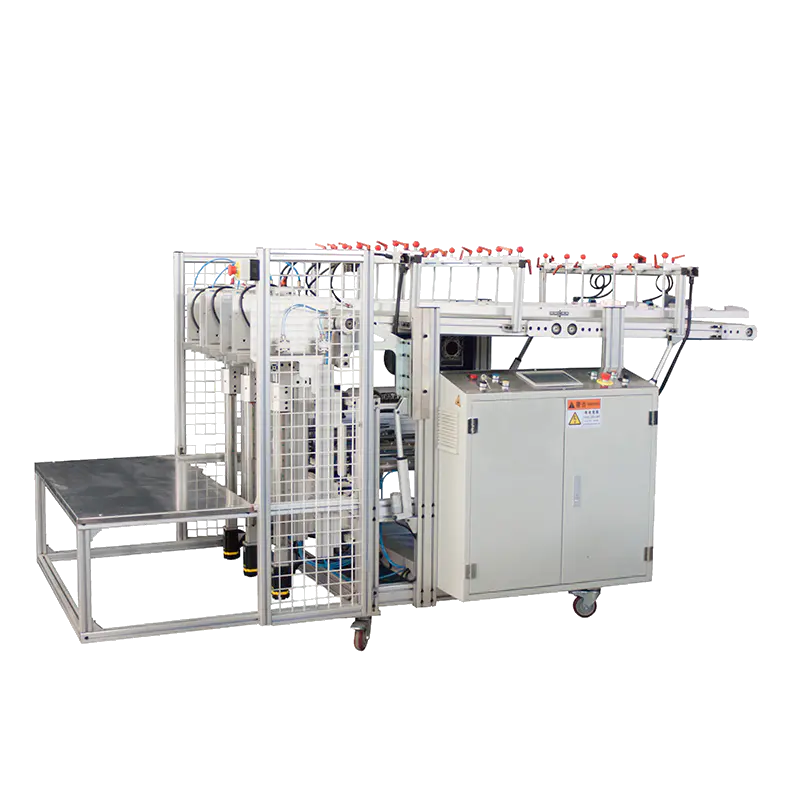 Automatic Stacking Machine: The Complete Guide to Automated Packaging EfficiencyIn today‘s fast-paced manufacturing environment, the automatic stacking machine has emerged as an in...View More >
 -
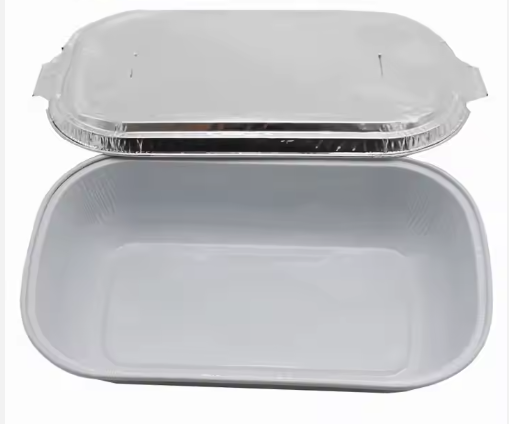 Aluminum Pans with Lids: The Complete SolutionWhile traditional foil baking pans are excellent for cooking, aluminum pans with lids offer an addit...View More >
 -
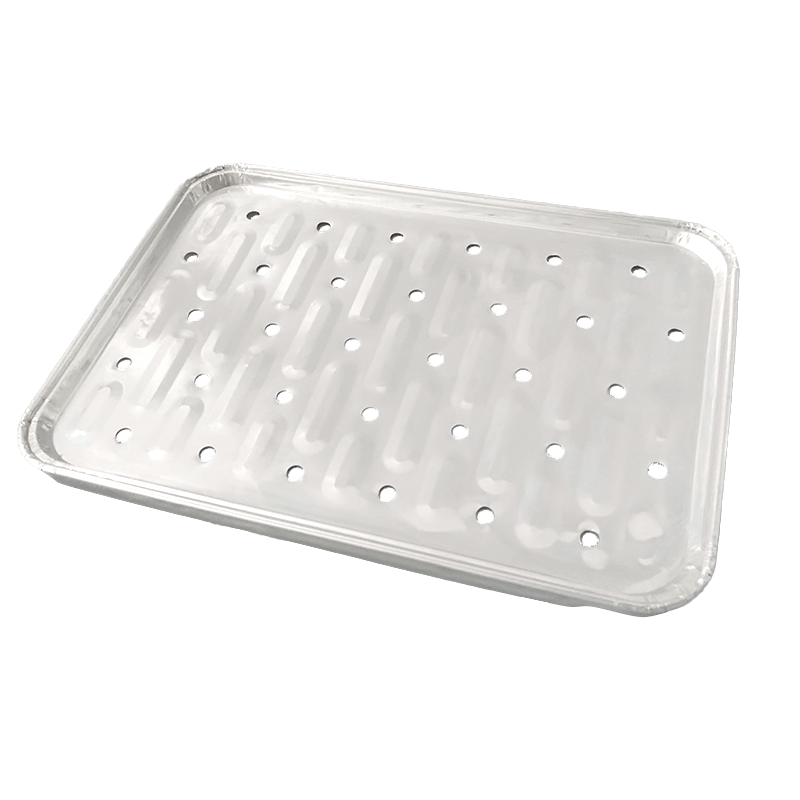
 The Foil Baking Pans Sizes in AiKang factoryWhen it comes to baking, roasting, meal prep, or food storage, few kitchen tools offer the versatili...View More >
 -
 Can You Put Foil in the Grill? Safe Methods and Precautions You Must FollowYou are grilling salmon and zucchini, but the fish is flaking apart and the vegetables are falling...View More >
 -
 Does Aluminum Conduct Heat? Facts and Practical Insights for Food Packaging BuyersDoes aluminum conduct heat? Yes. Pure aluminum has a thermal conductivity of about 237 W/m·K, which...View More >
 -
 The Ultimate Guide to Aluminum Foil Lunch Boxes: Are They Safe, Reusable, and Worth It? | Ai Kang foil companyPicture this: you're packing lunch for the week, meal-prepping for a busy family, or running a takeo...View More >
Honor //
Honor / Warehouse Display
1、Rectangular Aluminum Foil Containers for Foodservice and Commercial Packaging
Rectangular aluminum foil containers are widely used by restaurants, catering companies, food manufacturers, supermarkets, bakeries, airlines, meal-preparation businesses, and packaging distributors. Their straight-sided rectangular design makes efficient use of storage space while providing practical capacity for prepared meals, roasted foods, baked products, frozen dishes, and takeaway orders.
The global aluminum foil container market is estimated at approximately US$3.9 billion in 2026 and is projected to reach about US$5.6 billion by 2034, representing a forecast CAGR of 4.6%. The market includes food packaging, takeaway, catering, bakery, and institutional meal applications. :contentReference[oaicite:0]{index=0}
For B2B buyers, the value of rectangular foil containers goes beyond appearance. Container dimensions, material thickness, forming quality, stacking performance, lid compatibility, leakage resistance, shipping efficiency, and compliance with food-contact requirements can directly influence operating costs and customer satisfaction.
2、Why Choose Rectangular Aluminum Foil Containers?
(1)Efficient Storage and Transportation
Rectangular containers can generally be nested and packed efficiently, making them attractive for wholesalers and foodservice distributors managing large inventories. Their straight edges also make efficient use of carton space and refrigerator shelves compared with many irregularly shaped packages.
(2)Strong Thermal Performance
Aluminum has high thermal conductivity, allowing heat to transfer efficiently through the container during conventional oven use. This makes rectangular foil trays suitable for baked meals, roasted meat, lasagna, casseroles, vegetables, and other prepared foods where heating performance matters.
(3)Suitable for Chilled and Frozen Food
Aluminum foil containers can also be used for cold-chain applications when the container, lid, sealing method, and food formulation are appropriately specified. This makes them useful for frozen meals, prepared food production, meal kits, and catering operations that require storage before final heating or serving.
(4)Recyclable Material Value
Aluminum is a valuable recyclable material, but actual recycling depends on local collection infrastructure and contamination levels. For B2B customers, recyclable packaging can support corporate sustainability programs while also providing a material option with established metal-recycling channels.
3、Rectangular Aluminum Foil Container Sizes and Specifications
Commercial buyers normally select containers according to length, width, depth, volume, foil thickness, rim structure, and lid format. There is no universal size because restaurants, food processors, caterers, and retailers have different portion requirements.
| Application | Typical Product Requirement | B2B Purchasing Focus |
|---|---|---|
| Takeaway Meals | Small to medium rectangular trays | Lid compatibility, stacking, leak resistance |
| Catering | Medium and large deep trays | Strength, capacity, transport stability |
| Bakery | Baking and roasting trays | Heat performance, rigidity, forming quality |
| Frozen Meals | Portion-controlled meal trays | Freezer performance, sealing, dimensions |
| Food Processing | Large-volume standardized containers | Machine compatibility, cost per unit, supply stability |
For example, a food manufacturer purchasing 500,000 containers per month should evaluate not only the unit price but also nesting ratio, carton quantity, pallet utilization, lid cost, damage rate, and transportation cost. A small reduction in packaging volume can become significant when multiplied across hundreds of thousands of units.
4、Material and Manufacturing Quality of Rectangular Foil Trays
(1)Food-Grade Aluminum Foil
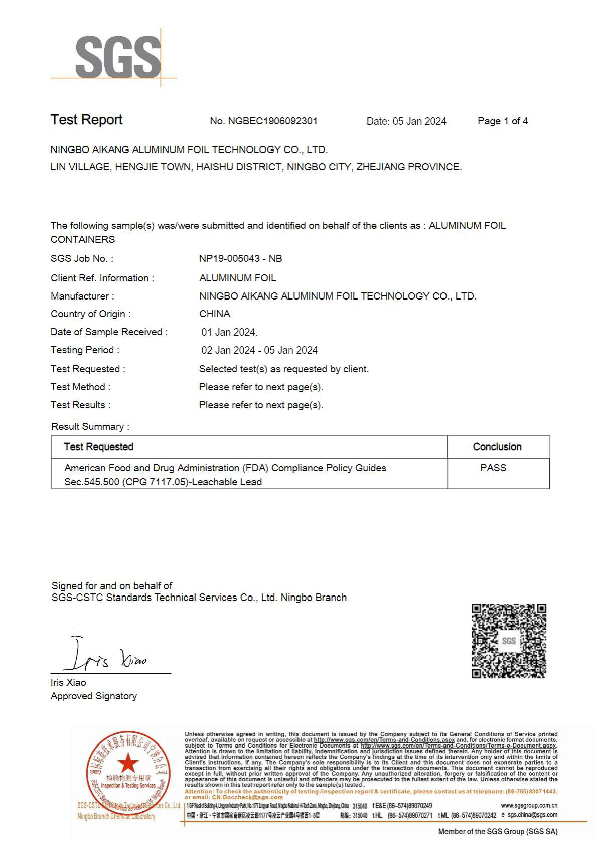
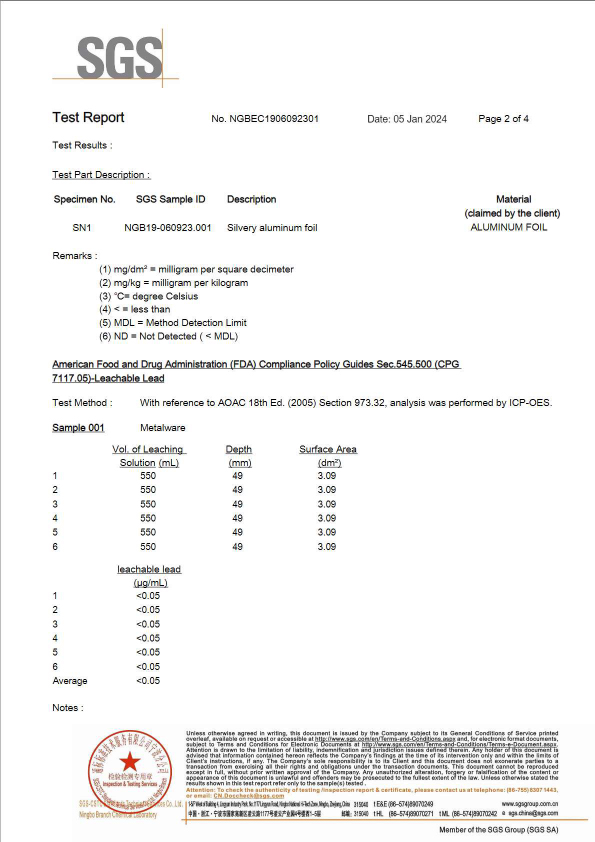
The aluminum material selected for food containers must be appropriate for the intended food-contact application. Buyers should request material specifications and relevant compliance documentation from suppliers, particularly when products will be sold in regulated markets.
In the European Union, food-contact materials must comply with Regulation (EC) No 1935/2004, while manufacturing must follow Good Manufacturing Practices under Regulation (EC) No 2023/2006. The European Commission's February 2026 food-contact-materials guidance confirms that these requirements apply to food packaging and containers. :contentReference[oaicite:1]{index=1}
(2)Container Strength
Container strength is affected by foil thickness, alloy characteristics, geometry, rim design, corner structure, and forming quality. A container intended for heavy catering meals may require a different specification from a lightweight dessert tray. Over-specifying material can increase costs, while under-specifying it can lead to deformation during filling, stacking, or transportation.
(3)Consistent Forming
Consistent forming is essential for automated filling and sealing. Variations in height, rim geometry, corner radius, or nesting dimensions can cause problems with lids, conveyors, filling machines, and carton packing systems. B2B buyers should therefore evaluate dimensional consistency across production batches rather than inspecting only individual samples.
5、Lids, Sealing and Packaging Options
Rectangular aluminum foil containers can be supplied with aluminum foil lids, paper-based lids, or transparent plastic lids depending on the application. The appropriate lid should match the container dimensions and rim structure to provide reliable closure during storage and transportation.
| Lid Type | Typical Application | Key Advantage |
|---|---|---|
| Aluminum Foil Lid | Oven-ready meals and catering | Heat compatibility and strong barrier performance |
| Paper Lid | Takeaway and retail packaging | Printing and branding potential |
| Transparent Plastic Lid | Retail and prepared food | Product visibility |
For branded food businesses, custom embossing, logo printing, private-label packaging, and customized lid designs can help differentiate products. However, printing inks, coatings, adhesives, and other components used in food-contact packaging should be selected according to the target market's applicable requirements.
6、Commercial Applications of Rectangular Aluminum Foil Containers
- Restaurants and takeaway food businesses for prepared meals and delivery orders.
- Catering companies for large-volume meal preparation and event service.
- Food manufacturers for ready meals, frozen foods, and portion-controlled products.
- Bakeries for cakes, pastries, baked pasta, and oven-ready products.
- Supermarkets for chilled, prepared, roasted, and private-label foods.
- Airline catering operations requiring lightweight, standardized meal containers.
- Packaging distributors supplying standardized foodservice products to commercial customers.
The broad application range is particularly valuable for wholesalers. A distributor can stock several popular footprints and depths while serving multiple industries, reducing the need to maintain a completely different packaging system for every customer.
7、How B2B Buyers Should Evaluate Rectangular Aluminum Foil Containers
Price per piece is important, but it should not be the only purchasing criterion. For high-volume procurement, the total cost of ownership can be more meaningful than the quoted unit price.
- Material efficiency: Compare foil thickness and container weight while maintaining the required strength.
- Dimensional accuracy: Confirm compatibility with existing lids, filling lines, and packaging equipment.
- Stacking efficiency: Check nesting height and carton configuration to estimate warehouse and freight costs.
- Production consistency: Review quality-control procedures and batch-to-batch dimensional stability.
- Supply capacity: Confirm whether the supplier can maintain output during peak seasonal demand.
- Customization: Evaluate available sizes, depths, tooling, embossing, printing, and private-label options.
- Compliance: Request documentation appropriate for the destination market and intended food-contact application.
For example, if two suppliers quote a difference of US$0.001 per container and the buyer purchases 5 million units annually, the apparent price difference equals US$5,000 per year. However, freight, breakage, rejects, lid compatibility, and delivery reliability can easily outweigh a small unit-price difference.
8、About Ningbo Aikang Aluminum Foil Technology Co., Ltd.
Ningbo Aikang Aluminum Foil Technology Co., Ltd. is a China Rectangular Aluminum Foil Containers Supplier and Rectangular Aluminum Foil Containers Factory, located in Haishu District, Ningbo, one of the important port cities in China. The company focuses on the design, development, and production of disposable aluminum foil products and practical packaging solutions for changing market requirements.
The company's product portfolio includes aviation aluminum foil containers, barbecue pans, Turkey pans, aluminum loaf pans, and various other aluminum foil containers. Aikang has also developed automatic production lines and molds to support different product specifications and production requirements.
For rectangular aluminum foil containers, product options can be developed around different sizes, depths, capacities, thicknesses, lid formats, and packaging requirements. Custom embossing, logo printing, and private-label solutions can also support distributors and food brands seeking differentiated packaging.
Supported by professional product design, manufacturing facilities, molds, quality-control processes, and a dedicated sales and service team, Aikang aims to provide practical aluminum foil packaging solutions for customers in domestic and international markets. The company follows the principle of sincerity and integrity and seeks long-term cooperation based on product quality, service, and mutual benefit.
9、Why Rectangular Aluminum Foil Containers Remain Competitive in 2026
The competitive advantage of rectangular aluminum foil containers comes from the combination of packaging functionality and manufacturing efficiency. Their standardized geometry supports nesting, transportation, filling, sealing, and stacking, while aluminum provides thermal conductivity and a strong barrier against light, moisture, and gases.
At the same time, B2B buyers should pay closer attention to regulatory compliance. In the United States, the FDA explains that the regulatory status of food-contact materials depends on the individual substances that may migrate into food and their applicable authorization or exemption. :contentReference[oaicite:2]{index=2} In the EU, food-contact materials must meet the general safety requirements of Regulation (EC) No 1935/2004 and applicable specific measures. :contentReference[oaicite:3]{index=3}
As a result, successful suppliers increasingly need to provide not only competitive pricing but also consistent manufacturing, traceability, technical documentation, customization, stable supply, and responsive after-sales service.
10、Frequently Asked Questions About Rectangular Aluminum Foil Containers
Q1: Are rectangular aluminum foil containers safe for food?
Rectangular aluminum foil containers are widely used for food packaging, but safety depends on the material, manufacturing process, intended food type, and applicable regulations. Commercial buyers should purchase containers made from materials suitable for the intended food-contact conditions and request relevant compliance documentation. In the EU, food-contact materials are regulated under Regulation (EC) No 1935/2004 and related requirements. :contentReference[oaicite:4]{index=4}
Q2: What are rectangular aluminum foil containers used for?
They are used for takeaway meals, catering, ready-to-eat foods, frozen meals, bakery products, roasting, food processing, airline catering, meal preparation, and retail food packaging. Their rectangular shape is especially useful where efficient storage, stacking, and transportation are important.
Q3: Can rectangular aluminum foil containers go in the oven?
Many aluminum foil containers are designed for oven-ready applications, but the exact temperature limits and usage instructions depend on the container design, material specification, lid, and manufacturer. Buyers should obtain the supplier's validated usage instructions instead of assuming that every foil container has identical heat performance.
Q4: Can rectangular aluminum foil containers be used in the freezer?
Yes, aluminum foil containers are commonly used for frozen food packaging. However, the complete packaging system should be evaluated, including container geometry, material, lid, sealing method, food expansion, and storage conditions. Commercial frozen-food manufacturers should validate the final package under their actual freezing and distribution conditions.
Q5: What sizes of rectangular aluminum foil containers are available?
Sizes range from small portion trays to large catering and roasting pans. Commercial suppliers can normally provide different lengths, widths, depths, capacities, and foil thicknesses. When ordering, buyers should specify external dimensions, internal dimensions, depth, approximate capacity, rim design, lid type, and required nesting configuration.
Q6: Can rectangular aluminum foil containers be customized?
Yes. Depending on the supplier's tooling capabilities, customization can include dimensions, depth, shape, rim design, embossing, logo printing, lid configuration, packaging, and private-label requirements. For large-volume orders, customized tooling can provide a more precise fit for a customer's filling, sealing, and distribution system.
Q7: Are aluminum foil containers recyclable?
Aluminum is recyclable, but whether a used container is actually accepted depends on the local collection and recycling system. Food contamination, coatings, composite lids, and small-item sorting practices can affect recovery. Businesses should follow the recycling requirements of the destination market and local waste-management system.
Q8: What is the difference between aluminum foil containers and plastic food containers?
The two materials have different performance characteristics. Aluminum foil containers provide high thermal conductivity, strong barrier properties, and suitability for many oven-ready applications. Plastic containers can offer different advantages such as transparency and specific microwave-compatible designs. The best choice depends on the food product, heating process, storage conditions, logistics, customer requirements, and applicable regulations.
Q9: How do I choose the right rectangular aluminum foil container supplier?
Evaluate the supplier's manufacturing capability, material control, dimensional consistency, tooling experience, production capacity, quality system, customization capability, documentation, packaging, delivery performance, and after-sales service. For large orders, it is advisable to request samples and conduct filling, sealing, stacking, transport, and heating tests before approving mass production.
Q10: What information should I provide when requesting a quotation?
Provide the required container length, width, depth, capacity, foil thickness or target weight, quantity, application, lid type, packaging requirements, logo or embossing requirements, destination country, and expected annual purchasing volume. If you have an existing sample, technical drawing, or product photograph, supplying it to the manufacturer can significantly improve quotation accuracy.

Ningbo Aikang Aluminum Foil Technology Co., Ltd, based in Ningbo, produces eco-friendly disposable aluminum foil products. They prioritize quality and customer satisfaction, serving the global market with innovative packaging solutions.


Quick Links
Contact
-
 No. 5 Yongxing East Road, Fengshan Street, Yuyao City, Zhejiang Province, China
-
 Tel: +86-15867468784
-
 E-mail: [email protected]
Send Us A Message
