
 English
 日本語
日本語 عربى
عربى Español
Product Categories
Recent Posts
Aikang excels in eco-friendly aluminum foil products, delivering innovative packaging solutions and upholding quality and customer satisfaction globally.
contact usFeeding Systems Supplier
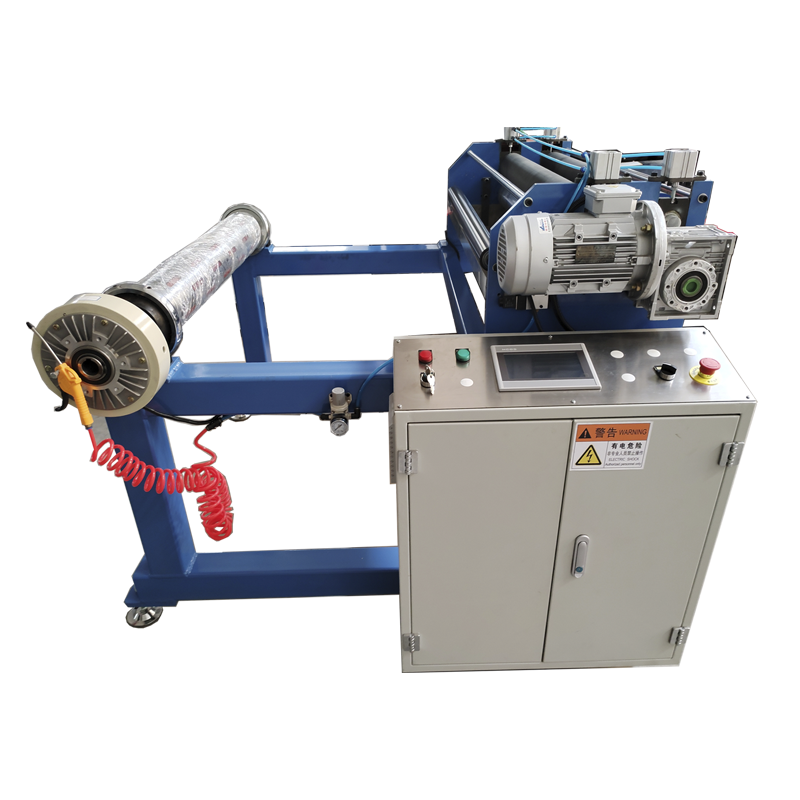
Feeding systems are a critical component of aluminum foil container production lines, providing stable and accurate material feeding throughout the forming process. Designed to handle aluminum foil coils with precision, these systems ensure consistent foil tension and smooth material delivery, helping maintain product quality while reducing production interruptions. They are widely used by aluminum foil container manufacturers, food packaging factories, and automated stamping production facilities.
Equipped with servo-driven control, automatic tension adjustment, and high-precision feeding mechanisms, feeding systems improve material utilization and minimize feeding errors, wrinkles, and misalignment during high-speed production. Their reliable performance supports continuous operation, reduces manual intervention, and enhances overall production efficiency. The systems are compatible with various foil widths, thicknesses, and coil sizes, allowing manufacturers to process different product specifications on the same production line.
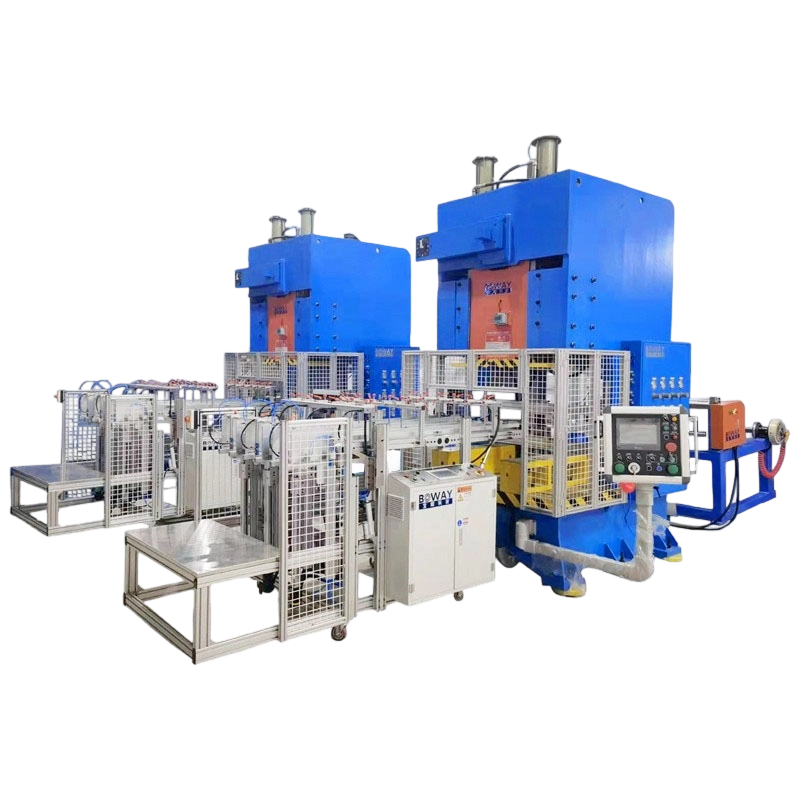
Available in manual, semi-automatic, and fully automatic configurations, feeding systems can be integrated with high-speed presses, container forming machines, and complete aluminum foil container production lines. Optional features such as automatic coil loading, foil edge correction, tension monitoring, and intelligent control systems can be customized to meet specific production requirements, providing flexible solutions for OEM manufacturers, equipment integrators, and industrial packaging producers.
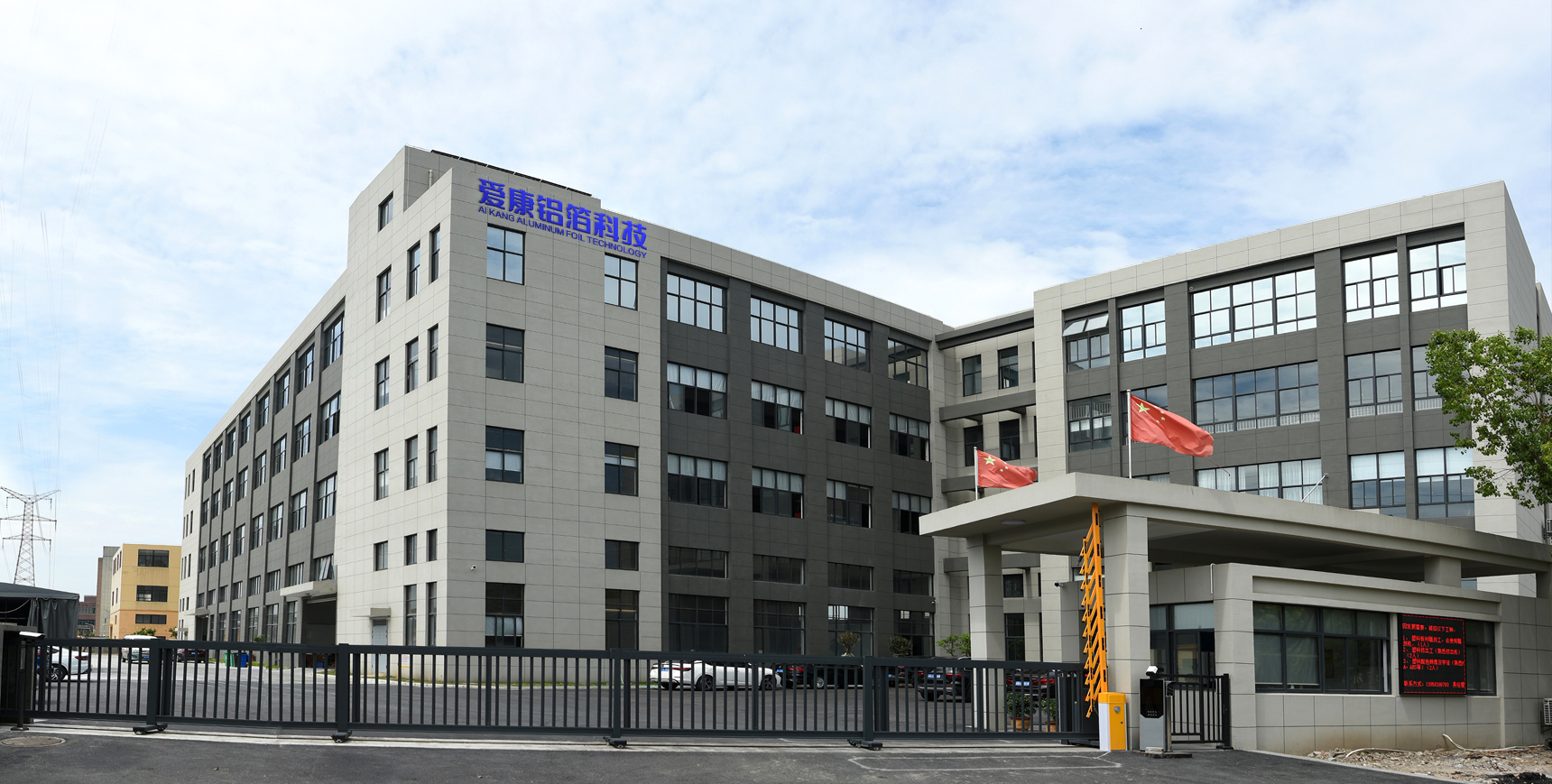

Ningbo Aikang Aluminum Foil Technology Co., Ltd.
Ningbo Aikang Aluminum Foil Technology Co., Ltd. is China Feeding Systems Supplierand Feeding Systems Factory, located in Haishu District, Ningbo, one of the most important port cities in China. The company is committed to the design, development, and production of environmentally disposable aluminum foil products and providing practical and advanced packaging solutions to meet the dynamic change of the market.
The main products consist of aviation aluminum foil containers, barbecue pans, Turkey pans, aluminum loaf pans, and other varied aluminum foil containers. Moreover, the company has developed several automatic production lines and molds to fully ensure the quality and diversity of the products. Equipped with professional design, advanced manufacturing facilities, and molds, qualified products, and a dedicated sales and service team, Aikang has ranked itself the top-notch enterprise in China.
The company has and will always hold the principle of " sincerity and integrity" to provide the best products and service to the customers at home and abroad and finally create a double-win situation. Looking forward to your visit and the cooperation with your esteemed company!
-
0Years of industry experience
We bring a wealth of knowledge and expertise to every project. Our extensive experience allows us to understand the unique challenges and requirements of the industry, enabling us to deliver tailored solutions that meet the highest standards.
-
0+Manufacturing Facilities
Aikang's extensive manufacturing and distribution network is a key driver of our ability to quickly and efficiently serve our customers.
-
0+Employees
We work hard as a team to continuously earn and sustain the trust of our customers and the consumers they serve.
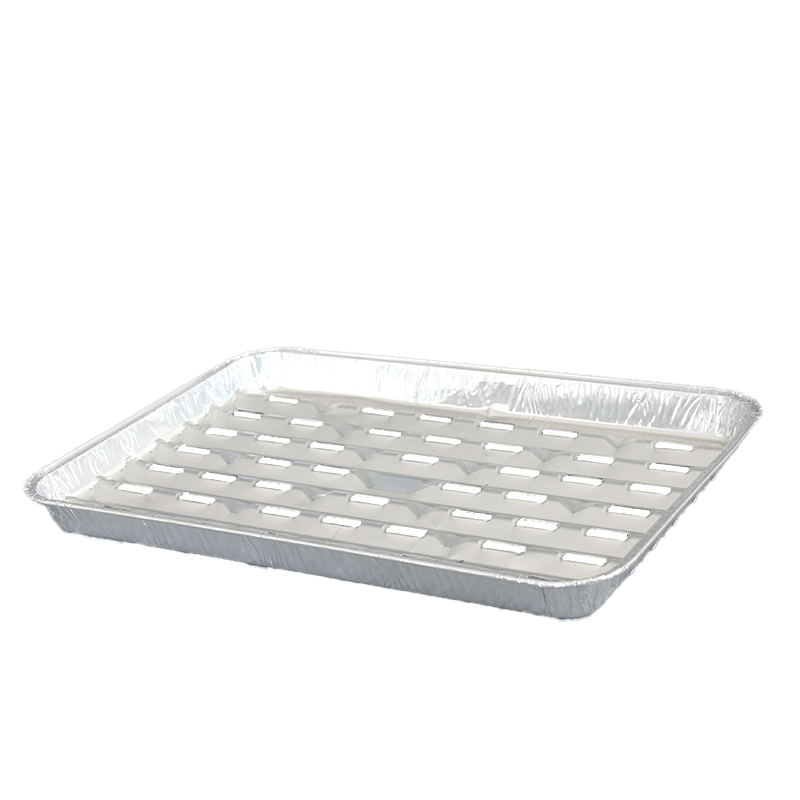
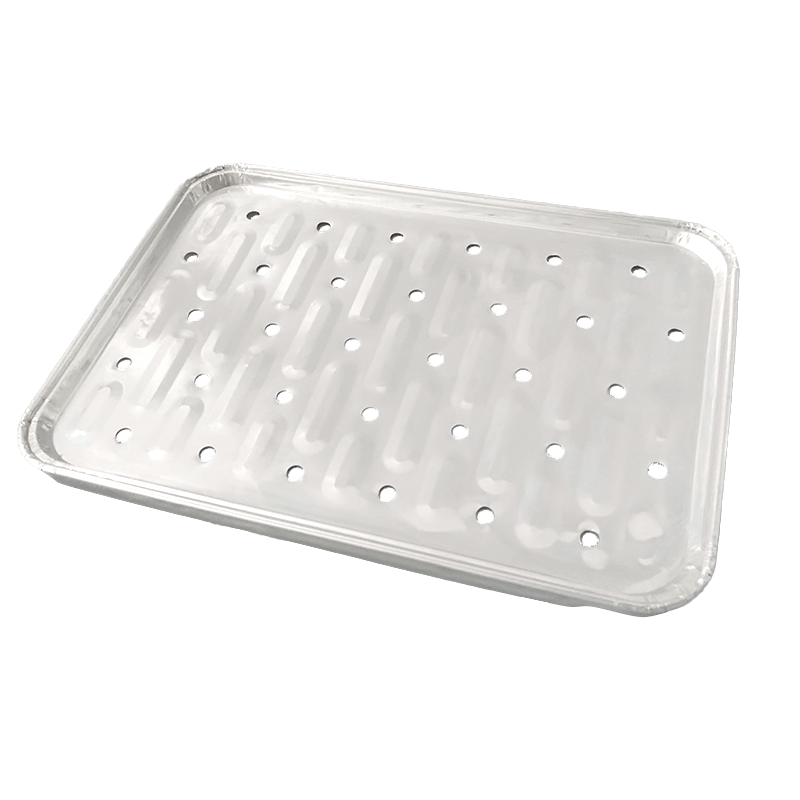
Latest Updates
Pay Attention To Our Latest News And Exhibitions
-
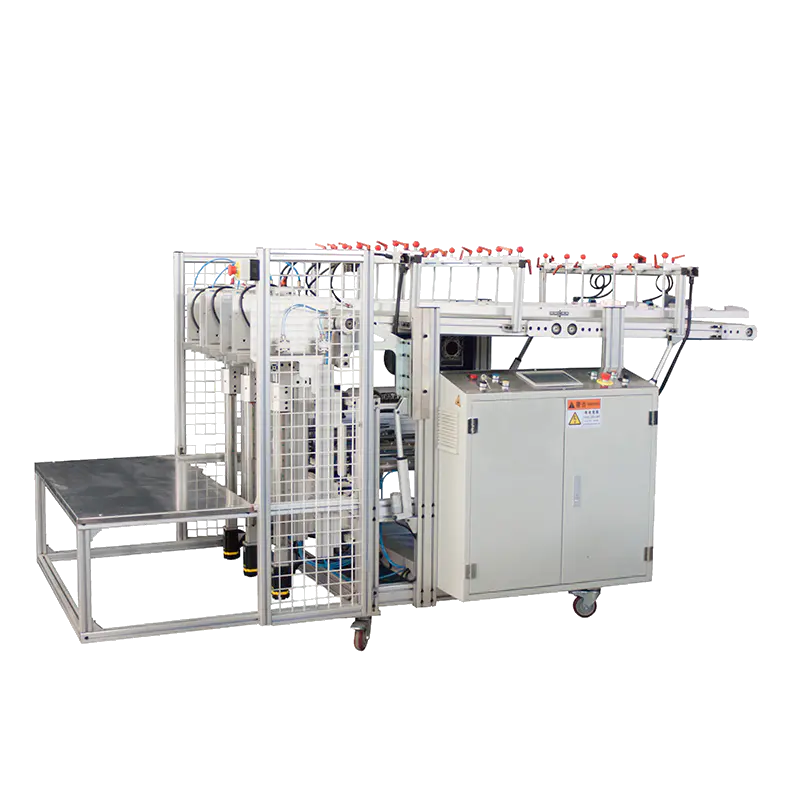 Automatic Stacking Machine: The Complete Guide to Automated Packaging EfficiencyIn today‘s fast-paced manufacturing environment, the automatic stacking machine has emerged as an in...View More >
 -
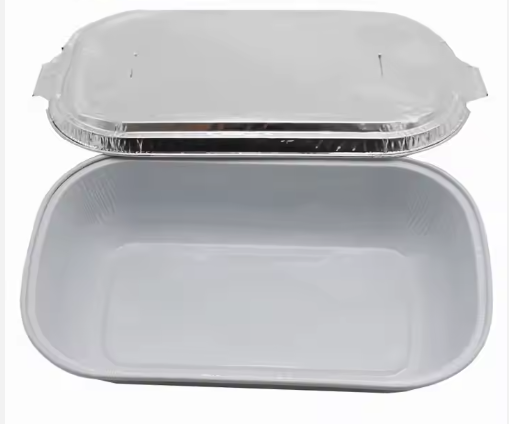 Aluminum Pans with Lids: The Complete SolutionWhile traditional foil baking pans are excellent for cooking, aluminum pans with lids offer an addit...View More >
 -
 The Foil Baking Pans Sizes in AiKang factoryWhen it comes to baking, roasting, meal prep, or food storage, few kitchen tools offer the versatili...View More >
 -
 Can You Put Foil in the Grill? Safe Methods and Precautions You Must FollowYou are grilling salmon and zucchini, but the fish is flaking apart and the vegetables are falling...View More >
 -
 Does Aluminum Conduct Heat? Facts and Practical Insights for Food Packaging BuyersDoes aluminum conduct heat? Yes. Pure aluminum has a thermal conductivity of about 237 W/m·K, which...View More >
 -
 The Ultimate Guide to Aluminum Foil Lunch Boxes: Are They Safe, Reusable, and Worth It? | Ai Kang foil companyPicture this: you're packing lunch for the week, meal-prepping for a busy family, or running a takeo...View More >
Honor //
Honor / Warehouse Display
1. What Are Feeding Systems in Aluminum Foil Container Production?
A feeding system is the mechanical and electronic assembly responsible for delivering aluminum foil coil material into a stamping or forming press at a controlled speed, tension, and alignment. In aluminum foil container manufacturing, the feeding system directly determines how consistently the foil enters the die cavity, which in turn affects wall thickness uniformity, edge quality, and overall yield. A well-calibrated feeding system can improve material utilization by 3%–6% compared to manually adjusted setups, a meaningful margin when raw aluminum accounts for the majority of production cost.
Modern feeding systems integrate servo motors, tension sensors, and PLC-based controllers to synchronize foil delivery with press stroke speed. This synchronization is essential for high-speed lines running above 80–120 strokes per minute, where even a 0.5mm feed deviation can cause misalignment, wrinkling, or scrap parts.
2. Core Components and Working Principles
A typical industrial feeding system consists of several interdependent modules, each contributing to feeding accuracy and line stability.
(1) Coil Loading and Uncoiling Unit
This unit holds the raw aluminum foil coil and controls the unwinding speed. Automatic loading arms reduce coil-change downtime from roughly 15–20 minutes with manual handling to under 5 minutes in fully automated configurations.
(2) Tension Control Module
Tension sensors continuously monitor foil tautness and send feedback to the servo drive, correcting deviations in real time. Stable tension control keeps thickness variation within ±0.003mm, which is critical for foil gauges typically ranging from 0.04mm to 0.09mm used in container production.
(3) Servo Feed Drive
The servo drive pulls foil into the press in precise increments matched to the die pitch. High-precision units achieve feed accuracy within ±0.02mm per cycle, minimizing die wear and reducing rejected parts.
(4) Edge Correction and Alignment System
Optical or mechanical edge guides keep the foil centered as it travels toward the die, preventing lateral drift that would otherwise cause asymmetric container walls.
3. Configuration Levels: Manual, Semi-Automatic, and Fully Automatic
Manufacturers select feeding system configurations based on production volume, labor cost, and product variety. The table below compares the three common configuration levels used across aluminum foil container production lines.
| Configuration | Feed Accuracy | Typical Speed (strokes/min) | Labor Requirement |
|---|---|---|---|
| Manual | ±0.10mm | 30–50 | High |
| Semi-Automatic | ±0.05mm | 60–90 | Medium |
| Fully Automatic | ±0.02mm | 100–150 | Low |
4. Key Benefits for B2B Manufacturers and Equipment Integrators
For OEM manufacturers and packaging producers, feeding systems are not an isolated component but a determining factor in overall line efficiency.
- Reduced material waste through consistent tension and precise feed length control.
- Lower scrap rates from minimized wrinkling and misalignment during high-speed runs.
- Compatibility with multiple foil widths and thicknesses on a single production line.
- Reduced manual intervention, supporting continuous, unattended operation shifts.
- Easier integration with existing high-speed presses and container forming machines.
5. Choosing a Reliable Feeding System Supplier
Feeding systems are a critical component of aluminum foil container production lines, providing stable and accurate material feeding throughout the forming process. Designed to handle aluminum foil coils with precision, these systems ensure consistent foil tension and smooth material delivery, helping maintain product quality while reducing production interruptions. They are widely used by aluminum foil container manufacturers, food packaging factories, and automated stamping production facilities.
Equipped with servo-driven control, automatic tension adjustment, and high-precision feeding mechanisms, feeding systems improve material utilization and minimize feeding errors, wrinkles, and misalignment during high-speed production. Their reliable performance supports continuous operation, reduces manual intervention, and enhances overall production efficiency. The systems are compatible with various foil widths, thicknesses, and coil sizes, allowing manufacturers to process different product specifications on the same production line.
Available in manual, semi-automatic, and fully automatic configurations, feeding systems can be integrated with high-speed presses, container forming machines, and complete aluminum foil container production lines. Optional features such as automatic coil loading, foil edge correction, tension monitoring, and intelligent control systems can be customized to meet specific production requirements, providing flexible solutions for OEM manufacturers, equipment integrators, and industrial packaging producers.
Ningbo Aikang Aluminum Foil Technology Co., Ltd. is a China Feeding Systems Supplier and Feeding Systems Factory, located in Haishu District, Ningbo, one of the most important port cities in China. The company is committed to the design, development, and production of environmentally disposable aluminum foil products and providing practical and advanced packaging solutions to meet the dynamic change of the market.
The main products consist of aviation aluminum foil containers, barbecue pans, Turkey pans, aluminum loaf pans, and other varied aluminum foil containers. Moreover, the company has developed several automatic production lines and molds to fully ensure the quality and diversity of the products. Equipped with professional design, advanced manufacturing facilities, and molds, qualified products, and a dedicated sales and service team, Aikang has ranked itself as a top-notch enterprise in China.
6. Frequently Asked Questions
Q1: What foil thickness range can a standard feeding system handle?
Most industrial feeding systems for aluminum foil container production support gauges from 0.04mm to 0.09mm, covering household, catering, and aviation container applications.
Q2: How does a feeding system reduce material waste?
By maintaining precise tension and feed length, the system prevents overfeeding, wrinkling, and misaligned stamping, which are the primary causes of scrap in foil container production.
Q3: Can one feeding system work with multiple coil widths?
Yes, most fully automatic feeding systems support adjustable coil widths and can switch between product specifications with minimal changeover time.
Q4: What is the typical ROI period for upgrading to a servo-driven feeding system?
Manufacturers commonly report payback periods of 12–18 months, driven by reduced scrap rates and lower labor costs from reduced manual monitoring.
Q5: Is it possible to integrate a feeding system into an existing press line?
Most feeding systems are designed as modular units compatible with common high-speed press models, allowing retrofitting without replacing the entire production line.
Q6: What maintenance does a feeding system require?
Routine maintenance includes tension sensor calibration, servo motor inspection, and roller cleaning, typically performed on a monthly or quarterly schedule depending on production volume.
Ningbo Aikang Aluminum Foil Technology Co., Ltd, based in Ningbo, produces eco-friendly disposable aluminum foil products. They prioritize quality and customer satisfaction, serving the global market with innovative packaging solutions.


Quick Links
Contact
-
 No. 5 Yongxing East Road, Fengshan Street, Yuyao City, Zhejiang Province, China
-
 Tel: +86-15867468784
-
 E-mail: [email protected]
Send Us A Message
