
 English
 日本語
日本語 عربى
عربى Español
Product Categories
Recent Posts
Aikang excels in eco-friendly aluminum foil products, delivering innovative packaging solutions and upholding quality and customer satisfaction globally.
contact usScrap Recycling Equipment Supplier
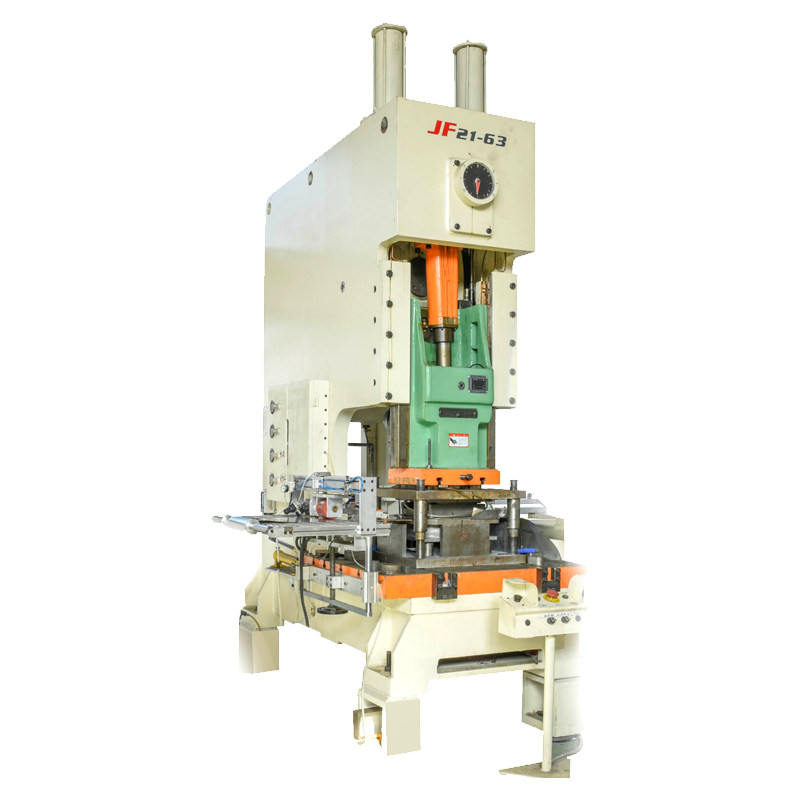
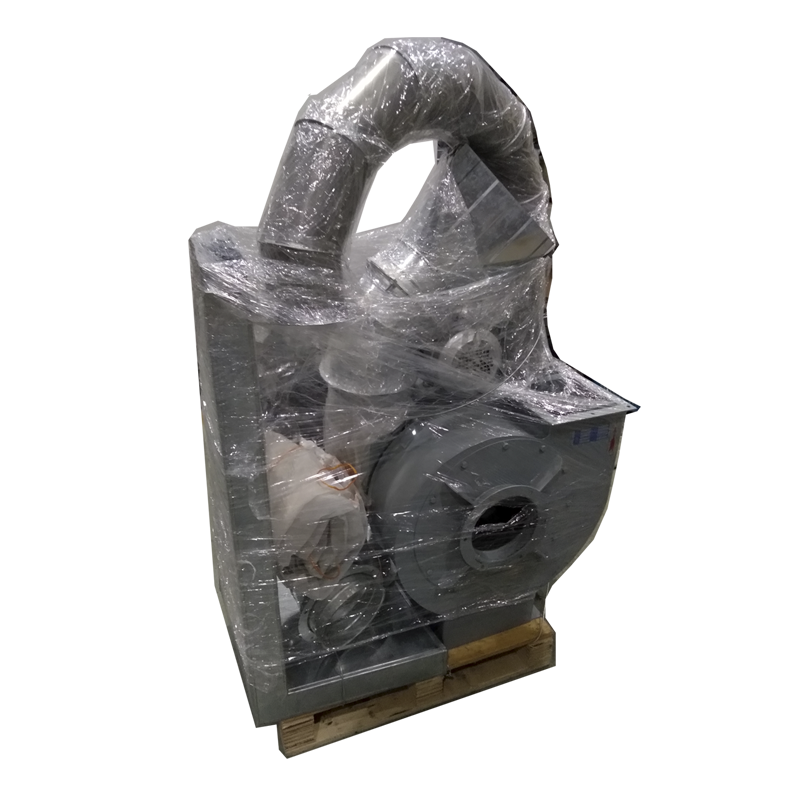
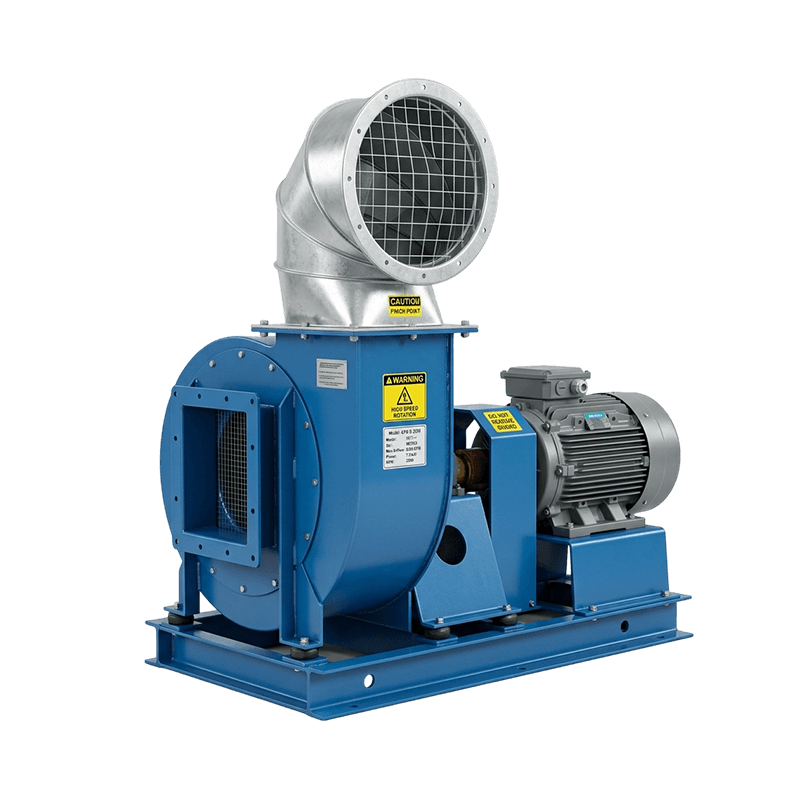
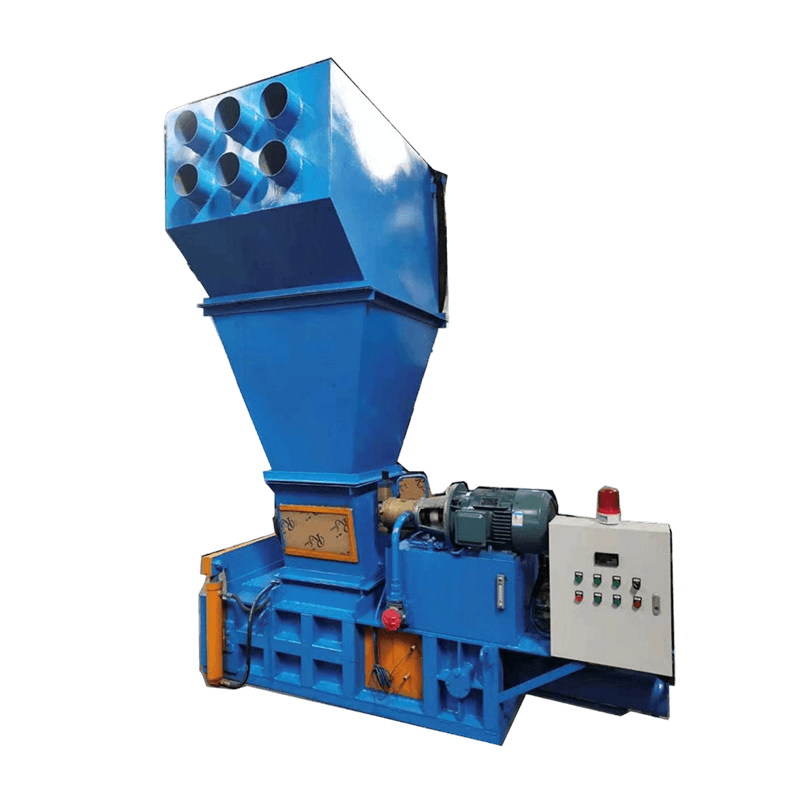
Scrap recycling equipment is designed to collect, transport, compact, and recycle aluminum foil waste generated during container manufacturing. The product range includes Automatic Scrap Aspirators, Hydraulic Scrap Compactors, Aluminum Foil Production Scrap Collection Equipment, and Briquetting Machines, providing an efficient waste management solution for aluminum foil container production lines. By automating scrap recovery, manufacturers can improve material utilization, maintain a cleaner production environment, and reduce handling costs.
Integrated with high-speed container forming equipment, automatic scrap collection systems continuously remove punched foil waste from the production area, preventing material accumulation and minimizing production interruptions. Hydraulic compactors and briquetting machines compress loose aluminum scrap into dense blocks or bales, significantly reducing storage space and transportation costs while simplifying recycling and material recovery. The entire recycling process helps improve workshop efficiency and supports continuous, stable production.
Suitable for aluminum foil container manufacturers, foil processing plants, packaging equipment suppliers, and recycling facilities, scrap recycling equipment can be configured according to production capacity and factory layout. Optional features such as centralized vacuum conveying, automatic scrap separation, intelligent monitoring, customized compaction capacity, and complete recycling line integration provide flexible solutions for manufacturers seeking higher automation, lower operating costs, and more efficient resource utilization.
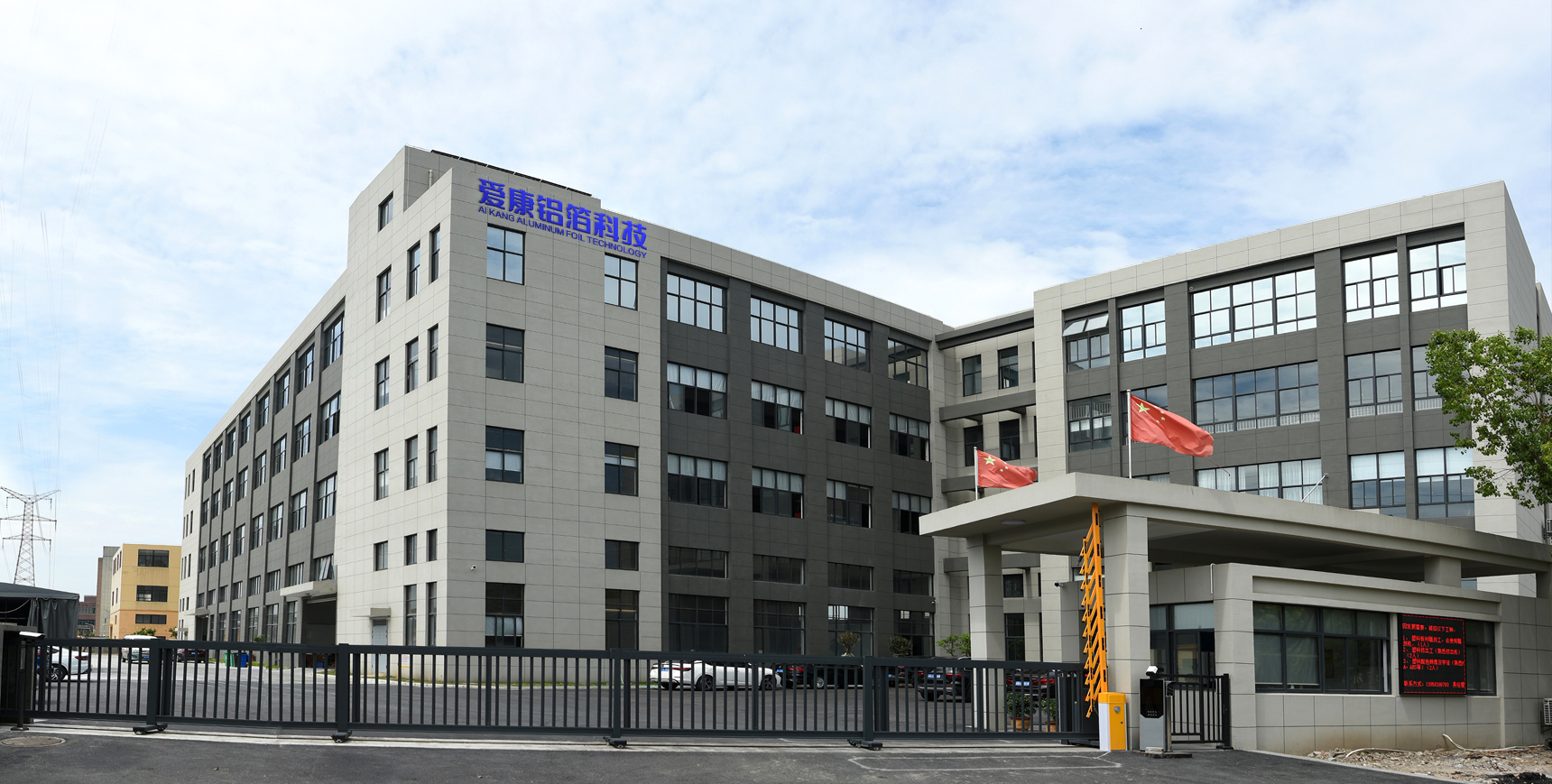

Ningbo Aikang Aluminum Foil Technology Co., Ltd.
Ningbo Aikang Aluminum Foil Technology Co., Ltd. is China Scrap Recycling Equipment Supplierand Scrap Recycling Equipment Factory, located in Haishu District, Ningbo, one of the most important port cities in China. The company is committed to the design, development, and production of environmentally disposable aluminum foil products and providing practical and advanced packaging solutions to meet the dynamic change of the market.
The main products consist of aviation aluminum foil containers, barbecue pans, Turkey pans, aluminum loaf pans, and other varied aluminum foil containers. Moreover, the company has developed several automatic production lines and molds to fully ensure the quality and diversity of the products. Equipped with professional design, advanced manufacturing facilities, and molds, qualified products, and a dedicated sales and service team, Aikang has ranked itself the top-notch enterprise in China.
The company has and will always hold the principle of " sincerity and integrity" to provide the best products and service to the customers at home and abroad and finally create a double-win situation. Looking forward to your visit and the cooperation with your esteemed company!
-
0Years of industry experience
We bring a wealth of knowledge and expertise to every project. Our extensive experience allows us to understand the unique challenges and requirements of the industry, enabling us to deliver tailored solutions that meet the highest standards.
-
0+Manufacturing Facilities
Aikang's extensive manufacturing and distribution network is a key driver of our ability to quickly and efficiently serve our customers.
-
0+Employees
We work hard as a team to continuously earn and sustain the trust of our customers and the consumers they serve.
Latest Updates
Pay Attention To Our Latest News And Exhibitions
-
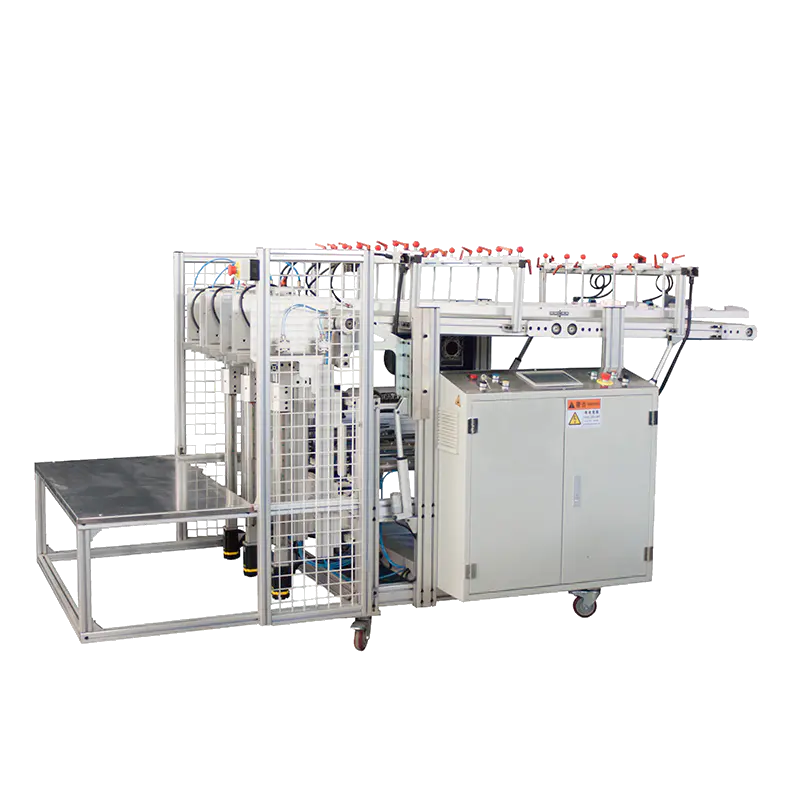 Automatic Stacking Machine: The Complete Guide to Automated Packaging EfficiencyIn today‘s fast-paced manufacturing environment, the automatic stacking machine has emerged as an in...View More >
 -
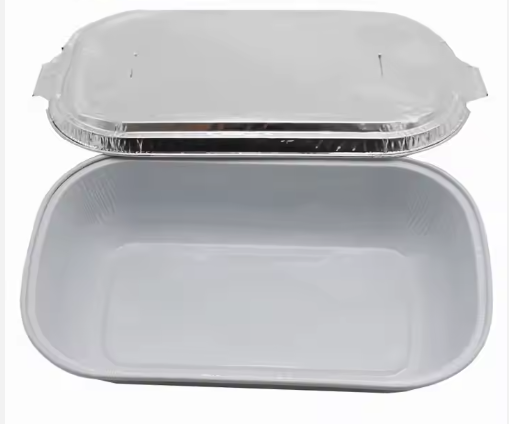 Aluminum Pans with Lids: The Complete SolutionWhile traditional foil baking pans are excellent for cooking, aluminum pans with lids offer an addit...View More >
 -
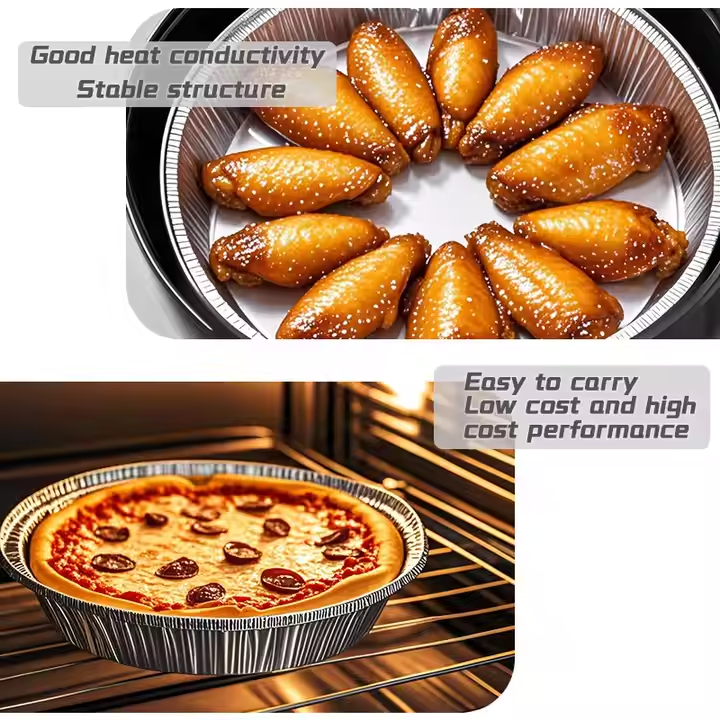 The Foil Baking Pans Sizes in AiKang factoryWhen it comes to baking, roasting, meal prep, or food storage, few kitchen tools offer the versatili...View More >
 -
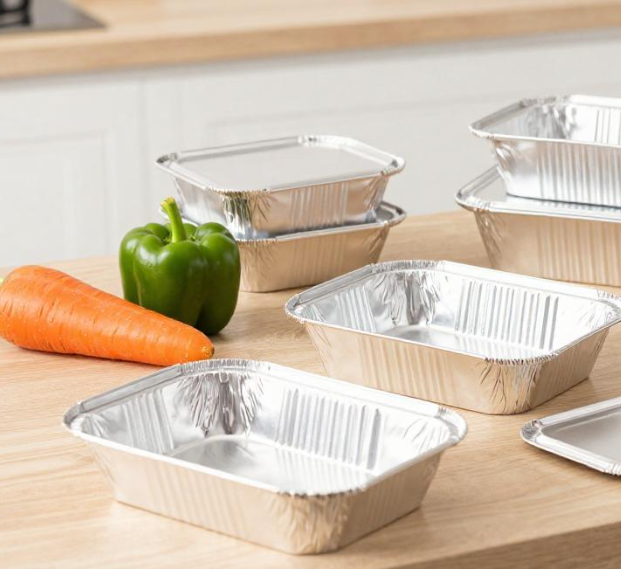 Can You Put Foil in the Grill? Safe Methods and Precautions You Must FollowYou are grilling salmon and zucchini, but the fish is flaking apart and the vegetables are falling...View More >
 -
 Does Aluminum Conduct Heat? Facts and Practical Insights for Food Packaging BuyersDoes aluminum conduct heat? Yes. Pure aluminum has a thermal conductivity of about 237 W/m·K, which...View More >
 -
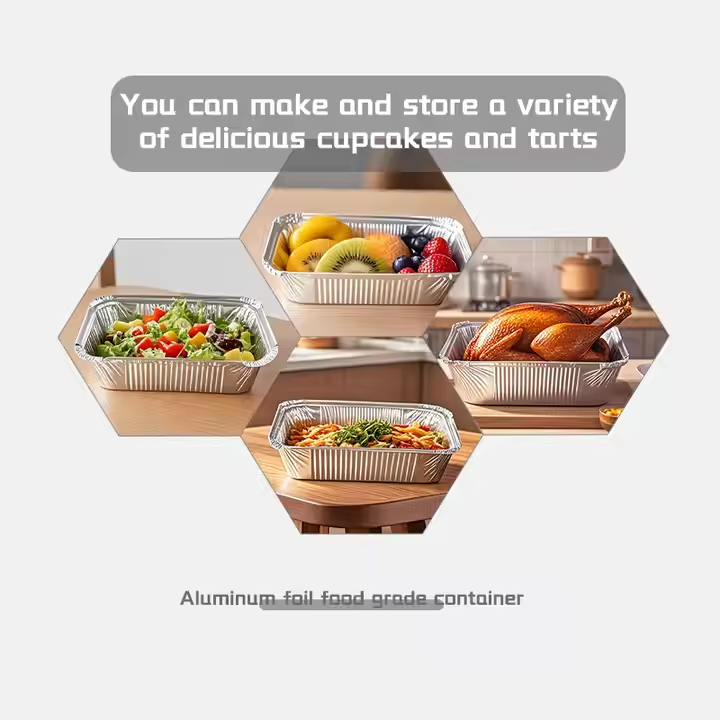 The Ultimate Guide to Aluminum Foil Lunch Boxes: Are They Safe, Reusable, and Worth It? | Ai Kang foil companyPicture this: you're packing lunch for the week, meal-prepping for a busy family, or running a takeo...View More >
Honor //
Honor / Warehouse Display
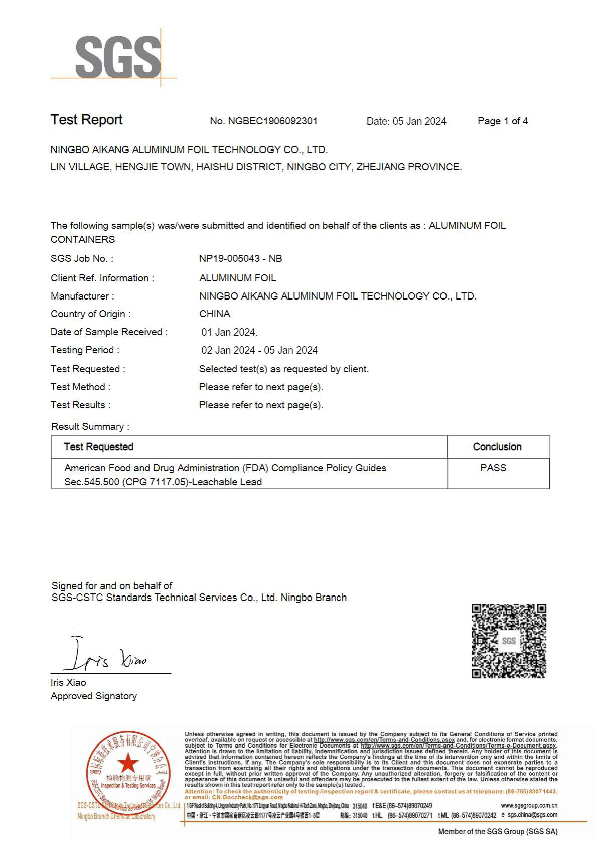
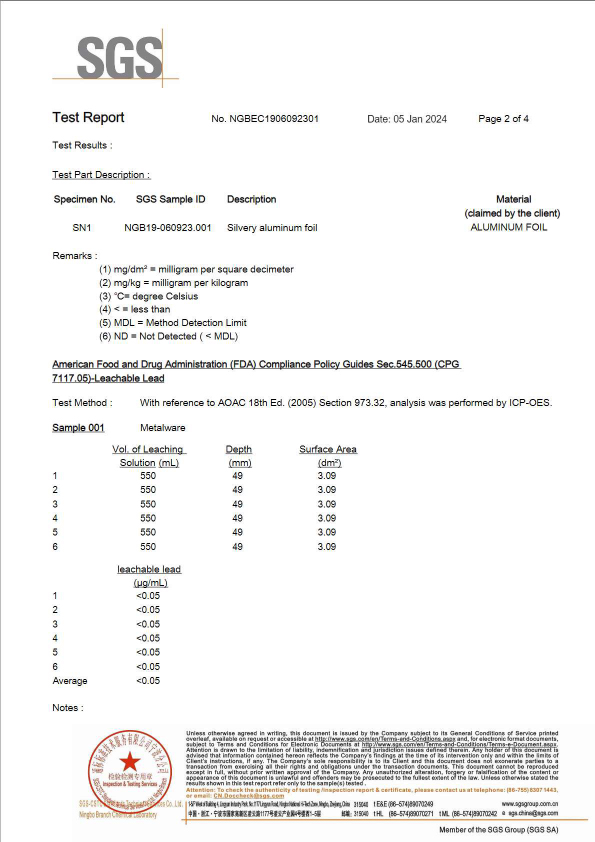
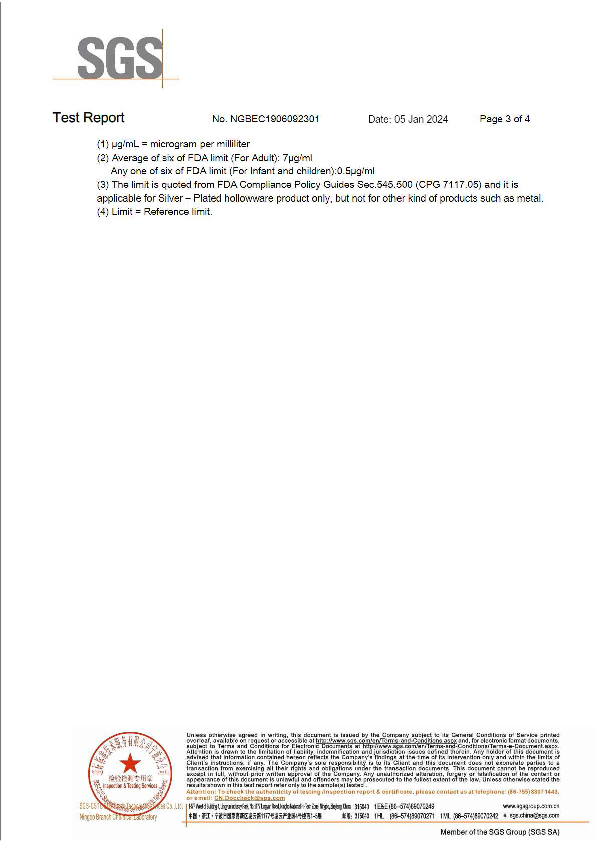
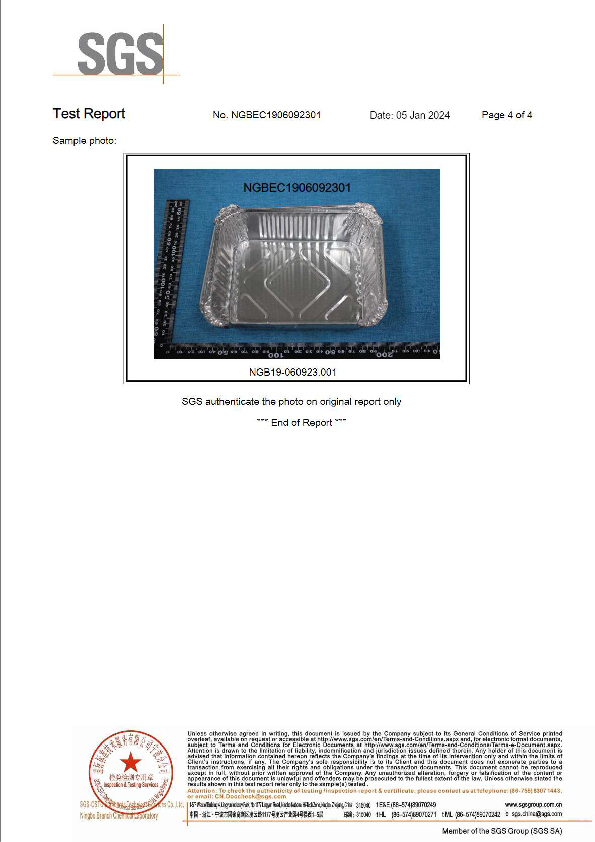
1. What Is Scrap Recycling Equipment?
Scrap recycling equipment collects, transports, compacts, and recycles aluminum foil waste generated during the container stamping process. The product range typically includes Automatic Scrap Aspirators, Hydraulic Scrap Compactors, Aluminum Foil Production Scrap Collection Equipment, and Briquetting Machines. Since stamping processes commonly generate 15%–25% material waste depending on container shape and nesting efficiency, an effective recycling system directly affects a manufacturer's overall raw material costs and environmental footprint.
Rather than treating punched foil waste as a disposal problem, well-designed recycling equipment turns it into a recoverable resource, compacting scrap into dense blocks that can be sold back into the aluminum supply chain for remelting.
2. Core Equipment and Functions
A complete scrap recycling setup typically combines several equipment types working together to remove, transport, and process waste continuously.
(1) Automatic Scrap Aspirators
Scrap aspirators use vacuum suction to continuously remove punched foil waste directly from the press area, preventing material buildup that could interfere with high-speed stamping operations running at 100+ strokes per minute.
(2) Hydraulic Scrap Compactors
Hydraulic compactors compress loose, bulky aluminum scrap into dense blocks, reducing storage volume by up to 90% compared to uncompacted waste, significantly cutting transportation and storage costs.
(3) Centralized Scrap Collection Systems
Centralized collection systems connect multiple production lines to a single vacuum conveying network, consolidating scrap handling across an entire factory floor rather than managing waste machine by machine.
(4) Briquetting Machines
Briquetting machines press aluminum scrap into uniform briquettes, improving handling efficiency and increasing resale value compared to loose or loosely baled scrap.
3. Equipment Comparison by Function
Manufacturers typically combine multiple equipment types based on production scale and factory layout. The table below compares common scrap recycling equipment and their primary roles.
| Equipment Type | Primary Function | Processing Capacity | Best For |
|---|---|---|---|
| Scrap Aspirator | Continuous waste removal | 200–500 kg/hour | Single press stations |
| Hydraulic Compactor | Volume reduction | 500–1,500 kg/hour | Mid-size factories |
| Briquetting Machine | Material densification for resale | 800–2,000 kg/hour | Large-scale recycling operations |
4. Operational and Financial Benefits
Investing in automated scrap recycling equipment delivers benefits that extend beyond simple waste management, directly impacting production efficiency and cost recovery.
- Reduced manual labor for waste collection and transportation within the factory.
- Improved workplace safety by eliminating loose scrap accumulation near production equipment.
- Higher resale value for compacted or briquetted aluminum scrap compared to loose waste.
- Lower transportation costs due to significantly reduced scrap volume.
- Continuous, uninterrupted production flow without manual scrap clearing stoppages.
5. Choosing a Reliable Scrap Recycling Equipment Supplier
Scrap recycling equipment is designed to collect, transport, compact, and recycle aluminum foil waste generated during container manufacturing. The product range includes Automatic Scrap Aspirators, Hydraulic Scrap Compactors, Aluminum Foil Production Scrap Collection Equipment, and Briquetting Machines, providing an efficient waste management solution for aluminum foil container production lines.
Integrated with high-speed container forming equipment, automatic scrap collection systems continuously remove punched foil waste from the production area, preventing material accumulation and minimizing production interruptions. Hydraulic compactors and briquetting machines compress loose aluminum scrap into dense blocks or bales, significantly reducing storage space and transportation costs while simplifying recycling and material recovery.
Suitable for aluminum foil container manufacturers, foil processing plants, packaging equipment suppliers, and recycling facilities, scrap recycling equipment can be configured according to production capacity and factory layout. Optional features such as centralized vacuum conveying, automatic scrap separation, intelligent monitoring, and customized compaction capacity provide flexible solutions for manufacturers seeking higher automation and lower operating costs.
Ningbo Aikang Aluminum Foil Technology Co., Ltd. is a China Feeding Systems Supplier and Feeding Systems Factory, located in Haishu District, Ningbo, one of the most important port cities in China. The company is committed to the design, development, and production of environmentally disposable aluminum foil products and providing practical and advanced packaging solutions to meet the dynamic change of the market.
The main products consist of aviation aluminum foil containers, barbecue pans, Turkey pans, aluminum loaf pans, and other varied aluminum foil containers. Moreover, the company has developed several automatic production lines and molds to fully ensure the quality and diversity of the products. Equipped with professional design, advanced manufacturing facilities, and molds, qualified products, and a dedicated sales and service team, Aikang has ranked itself as a top-notch enterprise in China.
6. Frequently Asked Questions
Q1: How much aluminum scrap is typically generated during container stamping?
Depending on container shape and mold nesting efficiency, stamping processes commonly generate 15–25% material waste from the original foil coil.
Q2: What is the difference between a hydraulic compactor and a briquetting machine?
Compactors reduce scrap volume into dense blocks for easier handling and storage, while briquetting machines produce more uniform, higher-density briquettes typically valued higher by recycling buyers.
Q3: Can scrap recycling equipment be connected to multiple production lines?
Yes, centralized vacuum conveying systems can connect several forming machines to a single collection and compaction unit, simplifying factory-wide waste management.
Q4: Does compacted aluminum scrap have resale value?
Yes, compacted and briquetted aluminum scrap typically commands higher resale prices than loose waste due to easier handling and higher purity for remelting.
Q5: How does scrap aspiration improve production efficiency?
By continuously removing waste from the press area in real time, aspiration systems prevent material buildup that would otherwise require production stoppages for manual clearing.
Q6: What factors determine the right compactor size for a factory?
Compactor sizing depends on daily scrap volume, available floor space, and the number of production lines feeding into the collection system.
Ningbo Aikang Aluminum Foil Technology Co., Ltd, based in Ningbo, produces eco-friendly disposable aluminum foil products. They prioritize quality and customer satisfaction, serving the global market with innovative packaging solutions.


Quick Links
Contact
-
 No. 5 Yongxing East Road, Fengshan Street, Yuyao City, Zhejiang Province, China
-
 Tel: +86-15867468784
-
 E-mail: [email protected]
Send Us A Message
