
 English
 日本語
日本語 عربى
عربى Español
-
 01
01
Which Side of Aluminum Foil Is Non-Stick? Dull vs Shiny Side, Explained
Industry News-Picture this: you tear off a sheet of aluminum foil, and one side shines while the other looks dull. Which side goes against the food? The short answer: regular foil does not have a non-stick side. If you are using non-stick foil, the dull side is the non-stick side. This guide explains why the two sides exist, what the shiny side actually does, and when a preformed foil tray works better than a flat sheet.
Content
- 1 Why Does Aluminum Foil Have Two Different Sides?
- 2 Which Side of Regular Aluminum Foil Is Non-Stick?
- 3 Non-Stick Aluminum Foil: Which Side Is the Coated Side?
- 4 Does the Shiny Side Reflect Heat Better? What Kitchen Tests Show
- 5 When a Preformed Foil Pan Is More Practical Than a Sheet
- 6 Frequently Asked Questions About Aluminum Foil Sides and Non-Stick
Why Does Aluminum Foil Have Two Different Sides?
Foil starts as a block of aluminum that is rolled thinner and thinner until it becomes a flexible sheet. In the final rolling pass, the metal goes between two highly polished steel rollers. The side that touches the polished roller is burnished to a reflective finish, and the opposite side remains matte because it contacts the other roller surface or the preceding layer in the coil.
That is the whole story behind shiny versus dull. It is a manufacturing result, not a special feature. Both sides are made of the same food-grade aluminum, and for standard foil there is no recommended “up” side for cooking.
Figure 1. The two surfaces of a foil sheet are a result of the rolling process, not different materials.
Which Side of Regular Aluminum Foil Is Non-Stick?
Neither side. Standard aluminum foil is bare metal. It has no release coating, so sticky foods—melted cheese, sugar glazes, barbecue sauce, marinated meat—will stick no matter which way you face the foil. If you want a release layer, you have to add it yourself with butter, oil, or a dusting of flour.
Quick way to make regular foil non-stick: lightly brush the surface with neutral oil. For baked goods, sprinkle a little flour or cornmeal. For very sticky glazes, a sheet of parchment paper laid over the foil gives an extra safety margin.
Non-Stick Aluminum Foil: Which Side Is the Coated Side?
Non-stick foil is made by applying a thin, food-safe release coating to one side. In most product lines, that coated side is the dull side. So the practical rule is: put the food on the matte side and let the shiny side face up or out.
- If you line a baking sheet with non-stick foil, place the dull side up.
- If you wrap a sandwich or a piece of cheese, make sure the dull side is the one touching the food.
- If you accidentally put the food on the shiny side, you may get sticking because the coating is not there.
Keep in mind that non-stick foil is not a license to use metal scrapers. The coating is thin; rough handling can scratch it and reduce its release performance.
Does the Shiny Side Reflect Heat Better? What Kitchen Tests Show
The shiny side is more reflective, but does that change how the food cooks? In a standard oven, the effect is negligible. Heat in an oven is mostly transferred through air and by contact with the pan. Radiant heat from the oven walls can be reflected slightly more by a shiny surface, but test kitchens and foil manufacturers consistently find no practical difference in browning or cooking time. The orientation of a normal sheet of foil is a matter of which surface you are looking at, not a performance decision.
The only exception is specialised solar cooking, where concentrated radiant heat is captured intentionally. In a home oven, you can stop worrying about shiny side up or down.
Figure 2. Relative comparison of standard foil and non-stick foil across key qualities. Ratings are illustrative, not lab measurements.
When a Preformed Foil Pan Is More Practical Than a Sheet
Once you know which side of aluminum foil is non stick, the next choice is simple: flat sheet or rigid tray? A sheet is excellent for wrapping, lining, and short-term covering. But if you are roasting a turkey, baking lasagna, transporting a large portion, or freezing a layered meal, a preformed tray adds structure and convenience.
Aikang's aluminum foil containers are made for exactly those jobs. For large family roasts, try a deep 4500ml oblong aluminum foil roasting pan—it holds sauces without flexing and goes from oven to table with ease. For catered events and takeout meals, 7-inch round takeout containers keep portions tidy and can be paired with board lids for safe delivery.
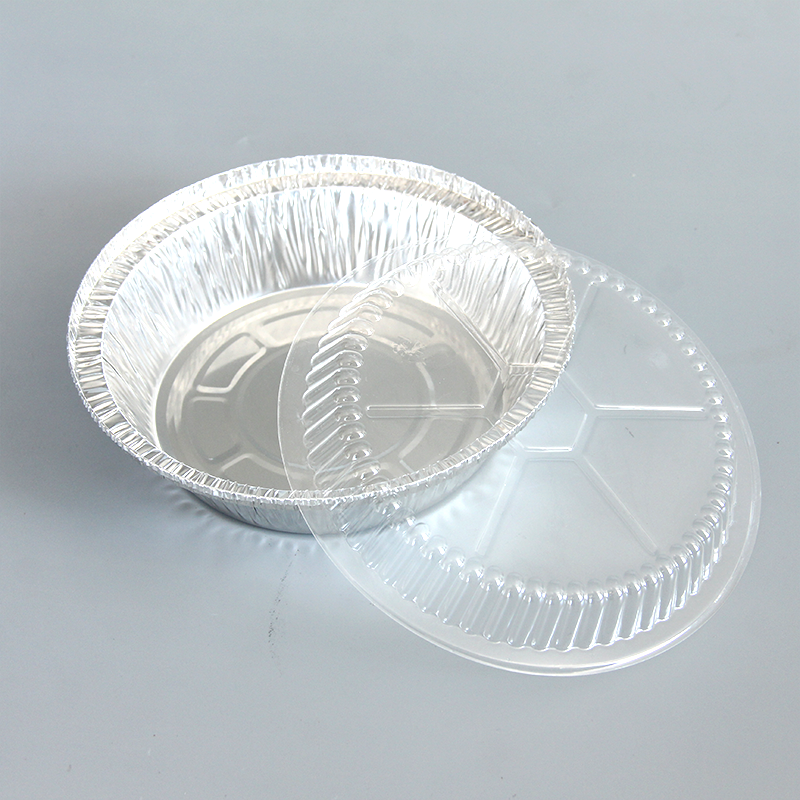 Custom 7 Inch Round Take-out Container IK182 Manufacturers, Suppliers & FactoryNingbo Aikang Aluminum Foil Technology Co., Ltd is China 7 Inch Round Take-out Container IK182 manufacturers and 7 Inch Round Take-out Co...View Product →
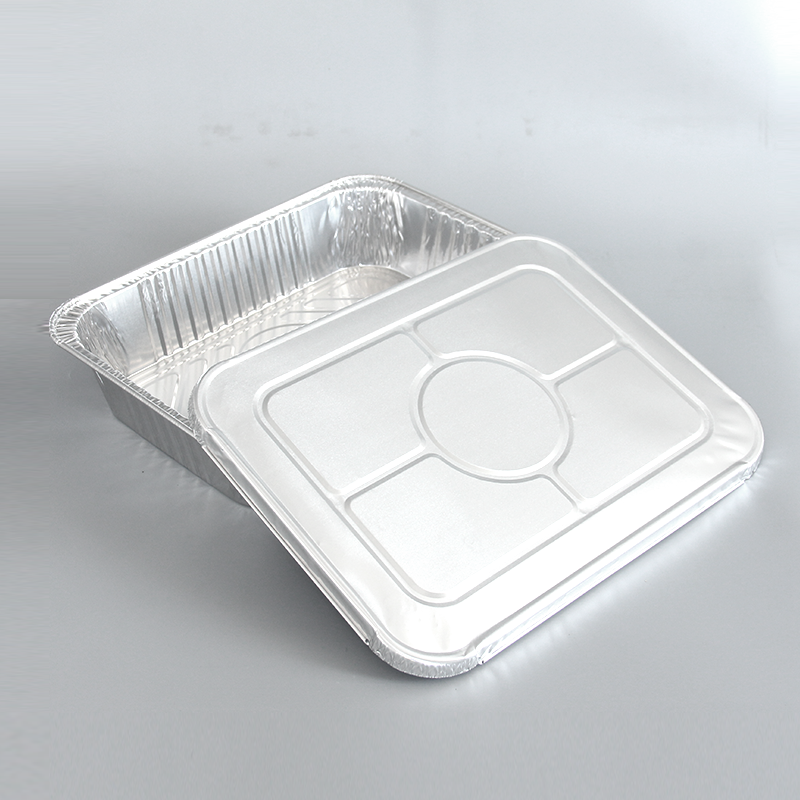 Custom 4500ml Oblong Aluminum Foil Pan IK365 Manufacturers, Suppliers & FactoryNingbo Aikang Aluminum Foil Technology Co., Ltd is China 4500ml Oblong Aluminum Foil Pan IK365 manufacturers and 4500ml Oblong Aluminum F...View Product →
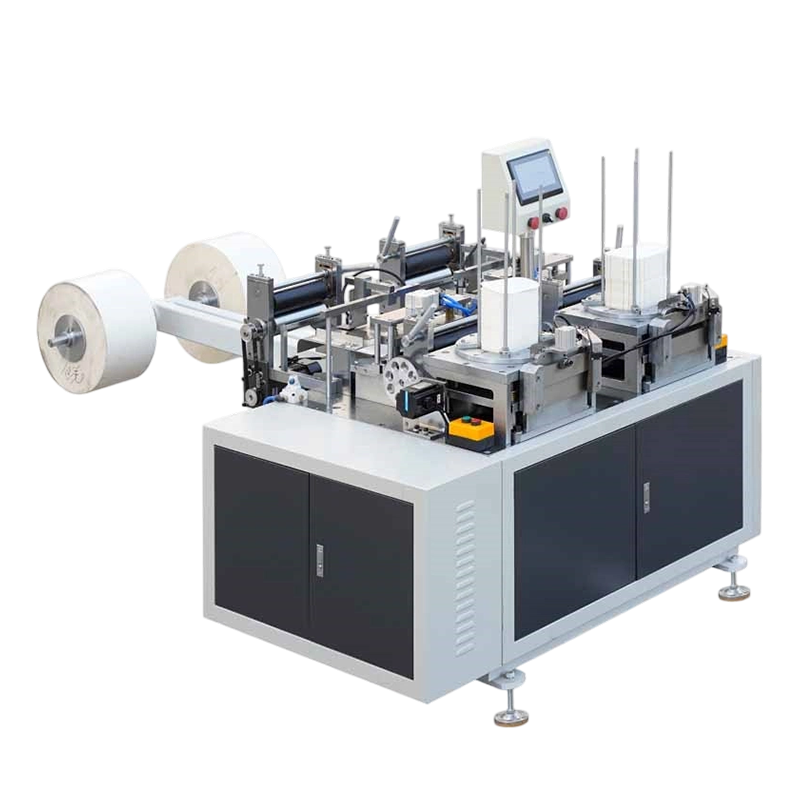
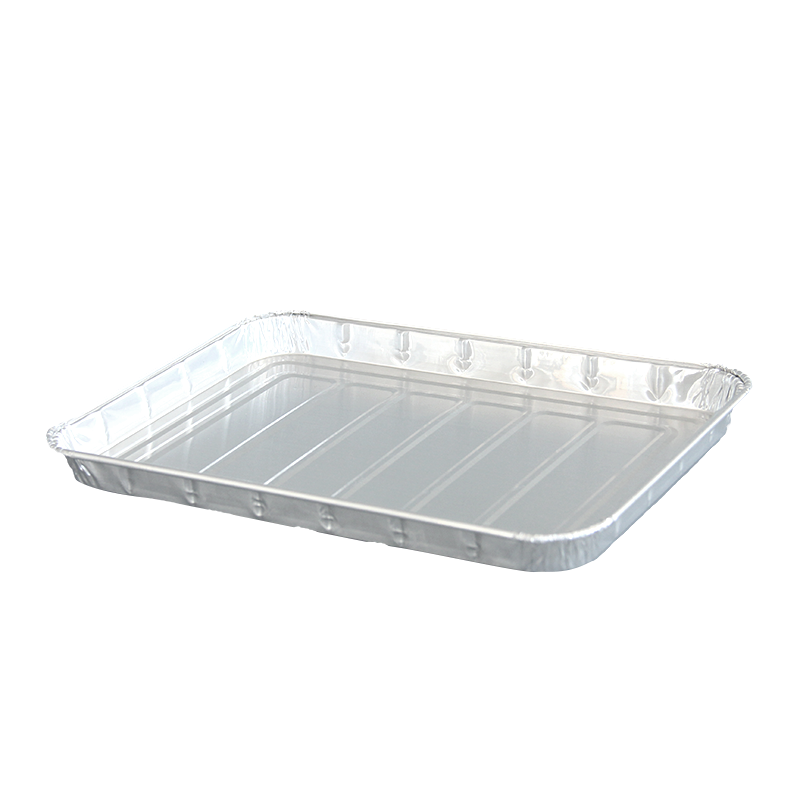
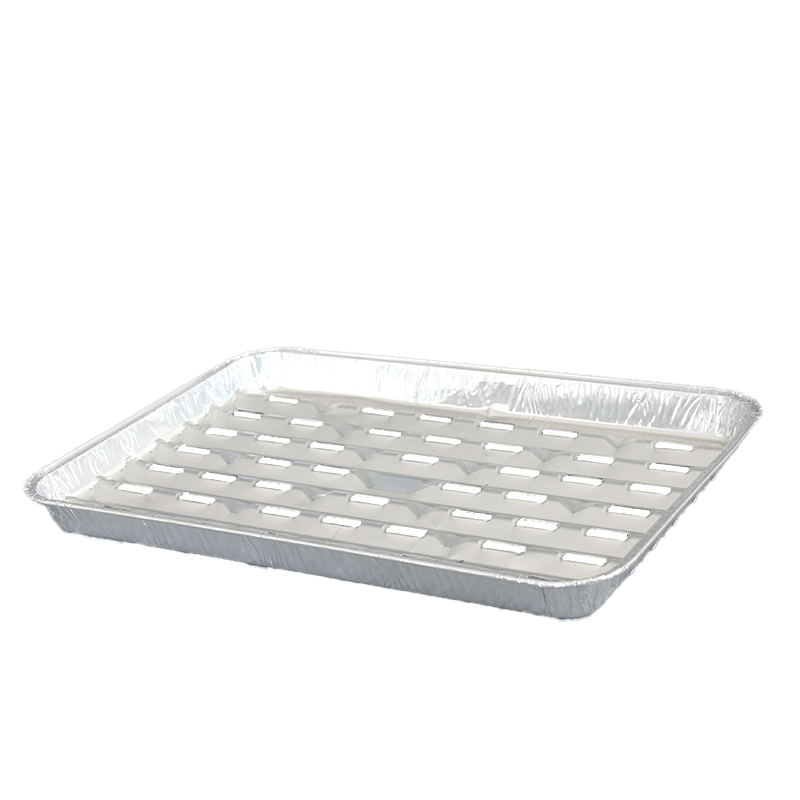
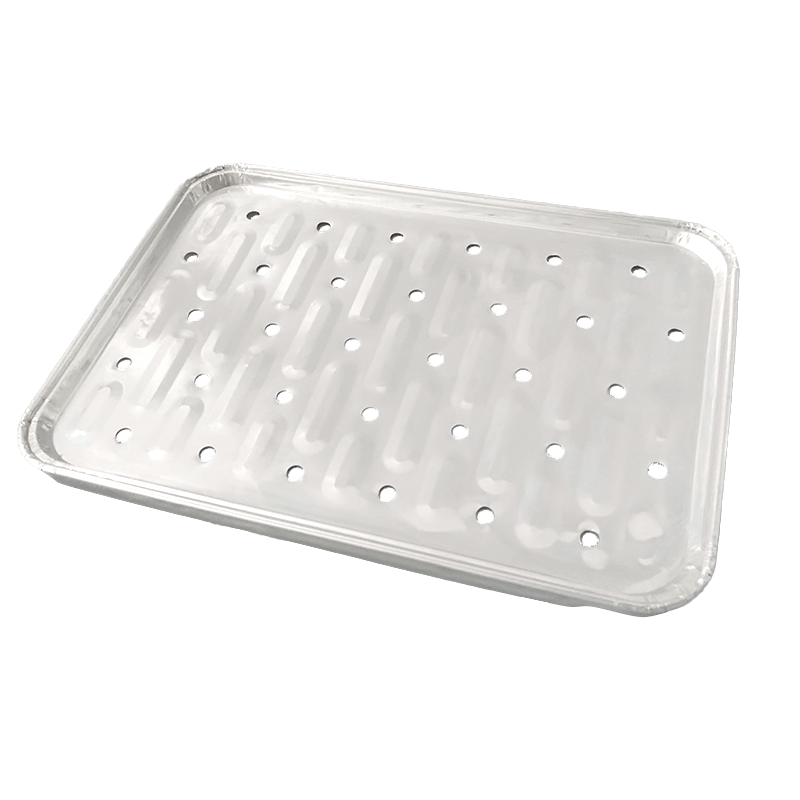
Ningbo Aikang Aluminum Foil Technology Co., Ltd is located in Haishu District, Ningbo, one of the most important port cities in China. The company is committed to the design, development, and production of environmentally disposable aluminum foil products and providing practical and advanced packaging solutions to meet the dynamic change of the market. The main products consist of aviation aluminum foil containers, barbecue pans, Turkey pans, aluminum loaf pans, and other varied aluminum foil containers. Moreover, the company has developed several automatic production lines and molds to fully ensure the quality and diversity of the products. Equipped with professional design, advanced manufacturing facilities, and molds, qualified products, and a dedicated sales and service team, Aikang has ranked itself the top-notch enterprise in China. The company has and will always hold the principle of "sincerity and integrity" to provide the best products and service to the customers at home and abroad and finally create a double-win situation. Looking forward to your visit and the cooperation with your esteemed company!
Frequently Asked Questions About Aluminum Foil Sides and Non-Stick
Q1: Which side of aluminum foil is non stick?
For non-stick foil, the dull side is the coated side. Standard aluminum foil has no non-stick side on either surface.
Q2: Should the shiny side face up or down?
For regular foil, the orientation does not change cooking. For non-stick foil, keep food on the dull coated side and let the shiny side face outward.
Q3: Why does food still stick to non-stick foil?
The food may be on the shiny side, the coating may be scratched, or the product's maximum heat rating may have been exceeded. Rubbery glaze and very high sugar content can also reduce release performance.
Q4: Can I use non-stick foil in an air fryer?
Yes, if the foil is placed loosely and does not block airflow. Put food on the dull side, keep foil away from the heating element, and check the package's temperature limit.


Choose AiKang for Top-Quality
Aluminum Foil Products
Explore Our
Featured Products
Ningbo Aikang Aluminum Foil Technology Co., Ltd, based in Ningbo, produces eco-friendly disposable aluminum foil products. They prioritize quality and customer satisfaction, serving the global market with innovative packaging solutions.


Quick Links
Contact
-
 No. 5 Yongxing East Road, Fengshan Street, Yuyao City, Zhejiang Province, China
-
 Tel: +86-15867468784
-
 E-mail: [email protected]
Send Us A Message
