
 English
 日本語
日本語 عربى
عربى Español
-
 01
01
Does Aluminum Conduct Heat? Facts and Practical Insights for Food Packaging Buyers
Industry News-Does aluminum conduct heat? Yes. Pure aluminum has a thermal conductivity of about 237 W/m·K, which makes it an excellent conductor of heat. If you are sourcing aluminum foil containers or trays, this property is not just a trivia fact. It affects cooking evenness, food safety, and the way your packaging handles in an oven or on a grill. This article explains the physics, compares aluminum to other materials, and shows what it means for practical food packaging decisions.
Content
Why Aluminum Conducts Heat So Well
Aluminum conducts heat because of the way its atoms share electrons. The metal’s outer electrons are loosely bound and form a “sea” of free electrons that can move through the crystal lattice. When one area of the metal is heated, the free electrons pick up kinetic energy and transfer it across the material rapidly. This is the same mechanism that allows aluminum to conduct electricity.
In practical terms, this means a thin aluminum sheet can spread heat quickly over its entire surface. For an aluminum foil tray, heat applied to the bottom reaches the sides and rim in seconds. This reduces hot spots and helps food cook evenly.
Aluminum vs. Other Materials: Did You Know?
To place aluminum in context, here is a side-by-side comparison of thermal conductivity values for commonly used metals. Higher values mean faster heat transfer.
Copper is a better conductor (398 W/m·K), but it weighs more and costs significantly more. Steel is a poor conductor at around 45 W/m·K. For many food-service applications, aluminum hits the sweet spot: it conducts heat well, is lightweight, and is inexpensive enough to be used as a disposable container.
When you cook with an aluminum pan, the heat spreads through the pan walls quickly, so the food is browned evenly. When you use an aluminum tray for a takeout meal, the same conductivity helps retain and distribute heat to keep the food warm.
The Heat Reflection Paradox: Why Foil Can Feel Cool
Aluminum conducts heat well, yet aluminum foil is often used to keep food warm or protect surfaces. This works because heat moves in two ways: conduction and radiation. Aluminum’s polished surface reflects up to 90% of radiant heat. That does not mean the metal stops conducting; it means it reflects heat energy back rather than absorbing it.
When you wrap a baked potato in aluminum foil, the foil traps steam and reflects infrared radiation. The heat from the potato conducts into the foil, but the foil’s outer surface reflects heat back inward, reducing losses. This is why foil feels cool to your hand after sitting at room temperature—it reflects ambient heat instead of absorbing it.
For food packaging containers, this dual behavior is critical. A foil tray reflects heat in the oven, but the tray itself still conducts heat to the food. This combination is why foil containers are used for both hot and cold items.
Practical Applications for Cooking and Food Packaging
Aluminum’s thermal conductivity makes it a favorite in commercial kitchens and takeout operations. Baking a turkey in an aluminum roasting pan helps the heat reach the center more evenly. Barbecue trays on a grill transmit heat quickly, so food gets a nice sear without burning the edges.
For takeout and delivery, aluminum containers maintain food temperature during transport. The material promotes rapid cooling in refrigerators too, which helps meet food safety requirements. Because these containers are disposable, they minimize cleanup time and labor costs.
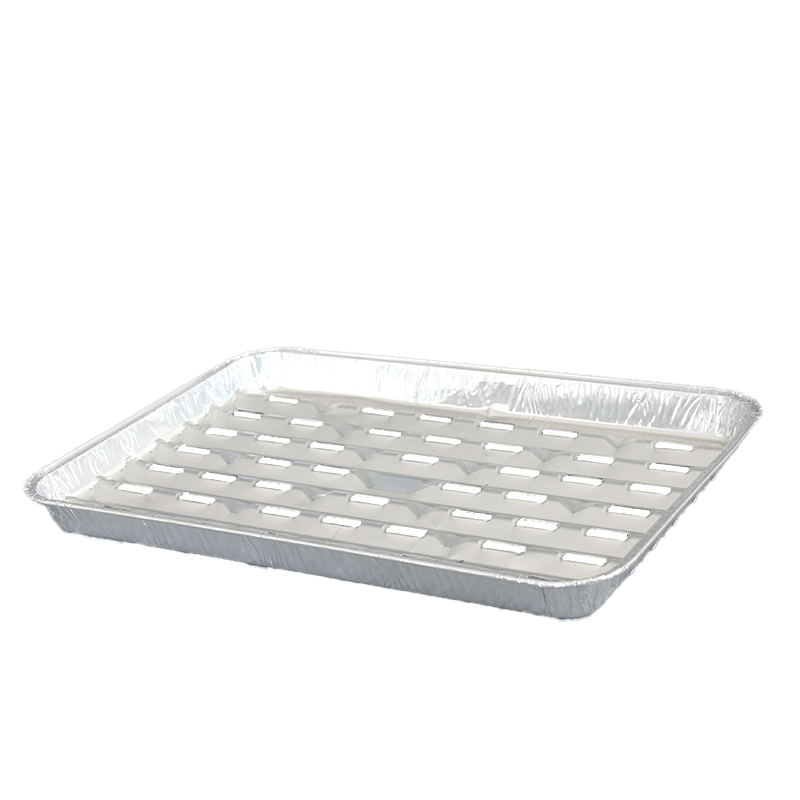
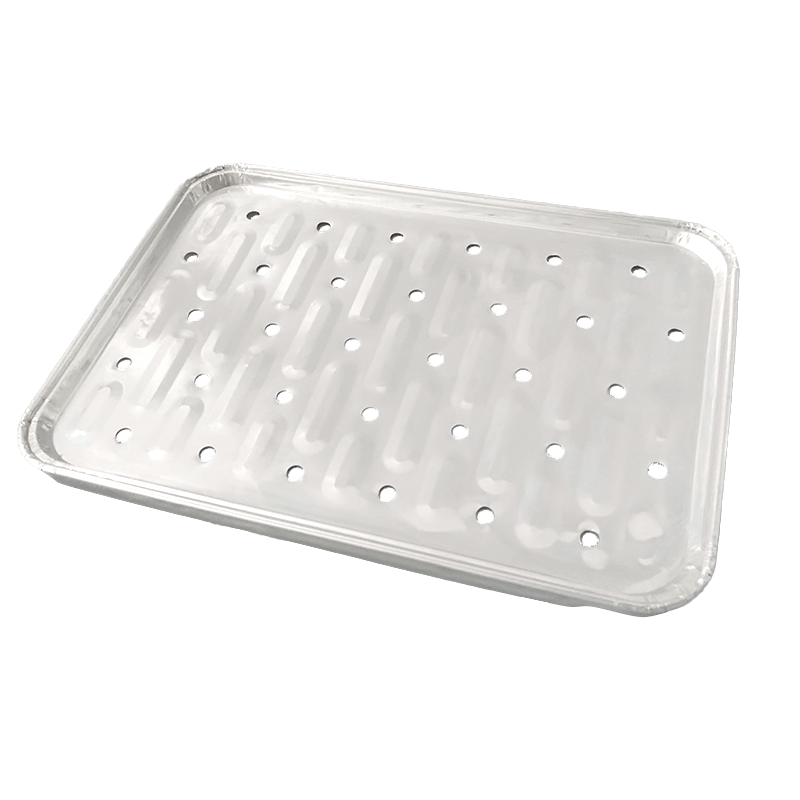
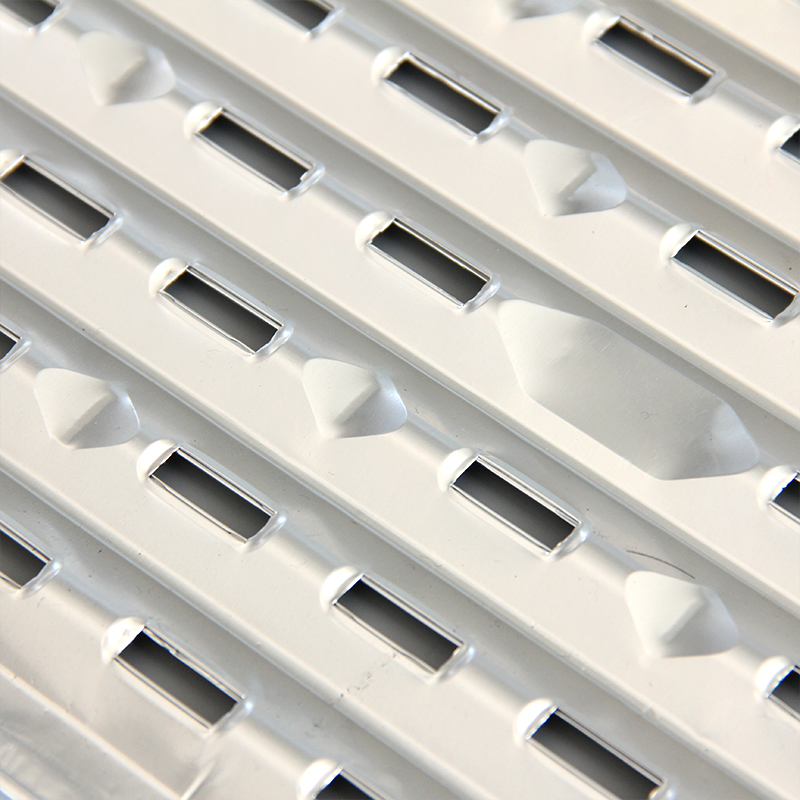 Oblong Barbeque Tray IK340 for Large Grilling and Heat DistributionThis oversized tray suits large gatherings and whole meats, promoting even heat transfer and reducing grease spillage for cleaner barbecues.View Product →
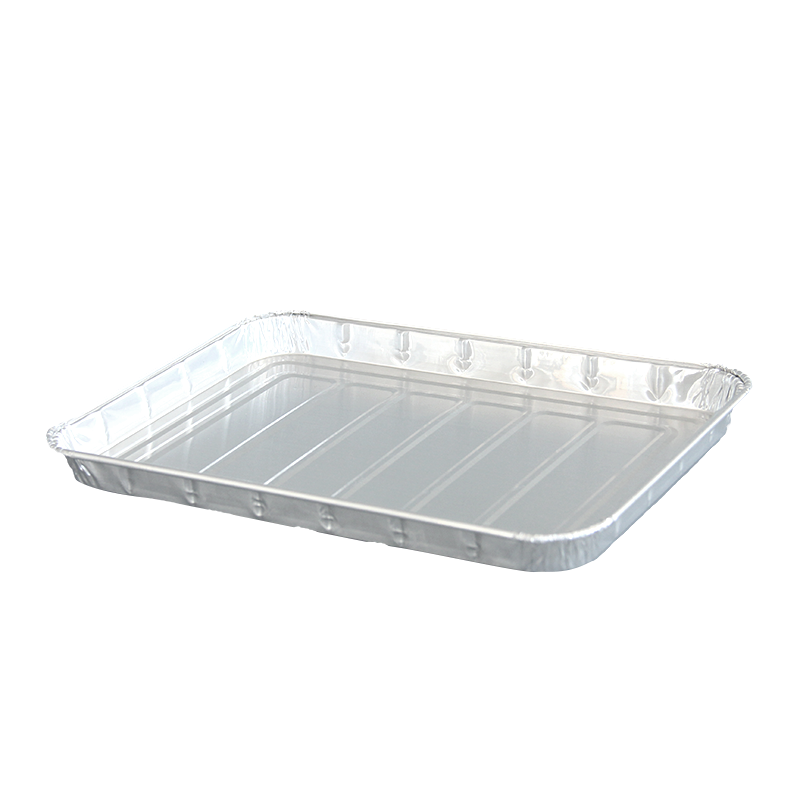
For high-heat roasting, a 5000ml oblong aluminum pan gives you a large conductive surface while remaining lightweight. For smaller portions, snack-sized trays or loaf pans work just as well. The key is that the tray itself dissipates heat quickly, preventing soggy bottoms and promoting crisp textures.
Ningbo Aikang Aluminum Foil Technology Co., Ltd is located in Haishu District, Ningbo, one of the most important port cities in China. The company is committed to the design, development, and production of environmentally disposable aluminum foil products and providing practical and advanced packaging solutions to meet the dynamic change of the market. The main products consist of aviation aluminum foil containers, barbecue pans, Turkey pans, aluminum loaf pans, and other varied aluminum foil containers. Moreover, the company has developed several automatic production lines and molds to fully ensure the quality and diversity of the products. Equipped with professional design, advanced manufacturing facilities, and molds, qualified products, and a dedicated sales and service team, Aikang has ranked itself the top-notch enterprise in China. The company has and will always hold the principle of "sincerity and integrity" to provide the best products and service to the customers at home and abroad and finally create a double-win situation. Looking forward to your visit and the cooperation with your esteemed company!
Learn more about the company on our about page.
Alloy and Thickness: What Buyers Should Know
Not all aluminum behaves the same. Pure aluminum has a thermal conductivity of about 237 W/m·K, but alloying elements like magnesium or manganese change this value. Many aluminum foil containers are made from alloys such as 3003 or 8011, which offer a balance between strength and formability. Their thermal conductivity ranges from roughly 150 to 200 W/m·K—still high, but lower than pure aluminum.
Thickness matters less for thermal conductivity and more for mechanical strength. A thicker tray holds its shape under heavy food and rough handling, but it does not heat up faster or slower on a per-square-centimeter basis. For takeout applications, a conventional 0.03mm to 0.08mm foil thickness is common; larger roasting pans may use thicker material to prevent flexing.
When comparing suppliers, consider alloy spec, thickness, and rim construction. A rolled edge or crimped rim prevents leaks and adds rigidity. For hot liquid foods, a deeper tray with a sealed edge is important to avoid spills. A 2200ml oblong container can serve as an example of a mid-size tray where heat distribution and structural integrity both matter.
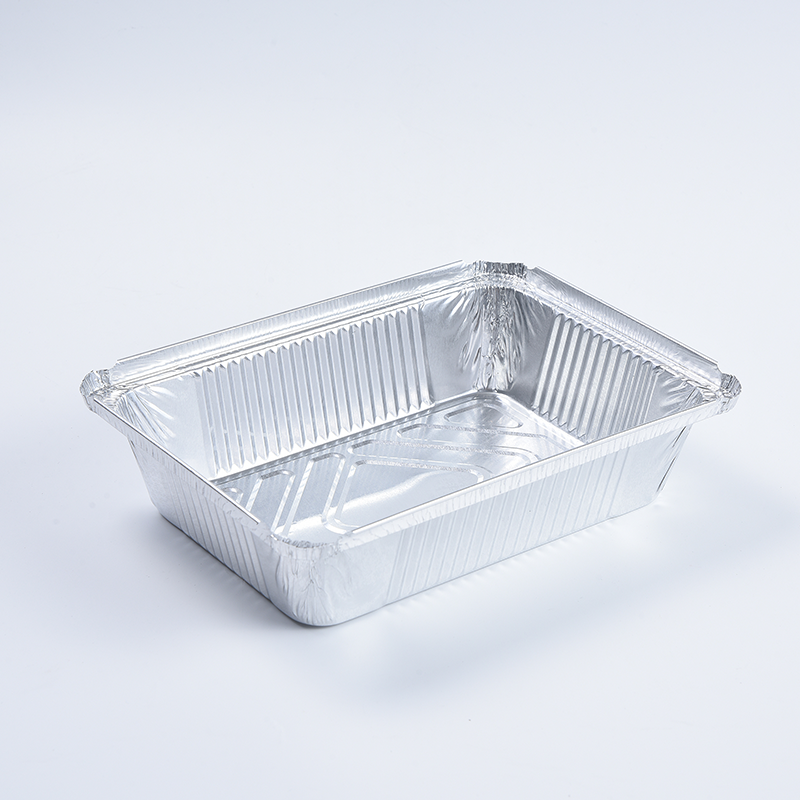 2200ml Oblong Aluminum Foil Container IK315-1 for CateringA mid-size container with sealed edges and high capacity, it maintains food temperature and allows multi-dish separation, ideal for professional use.View Product →
If you want to learn more about oven usage, read our article on whether aluminum foil containers can go in the oven.
Choosing a Reliable Supplier
When you buy thousands of aluminum foil containers, the supplier’s quality control and production capability matter as much as the material’s thermal conductivity. A reliable manufacturer should offer consistent alloy compositions, tight tolerances, and clean edges. They should also understand how different applications—airline catering, barbecue, baking, or takeout—demand different tray shapes and thicknesses.
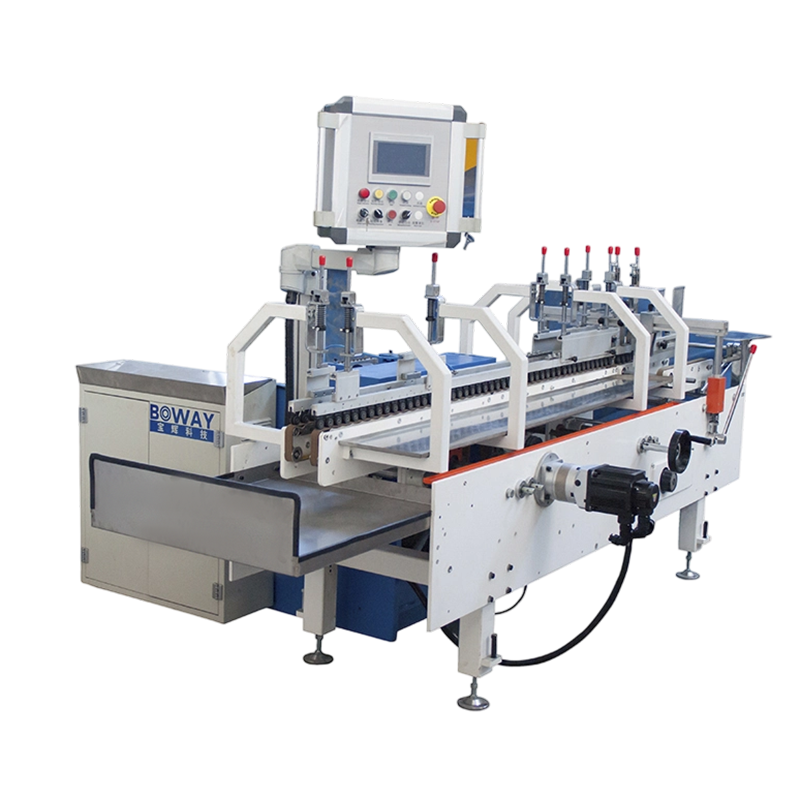
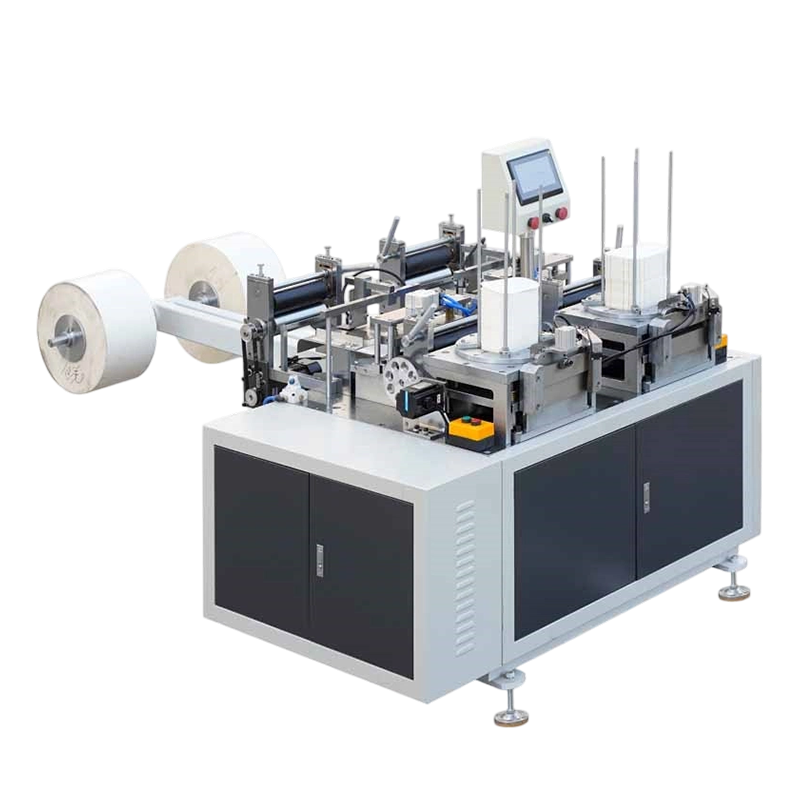
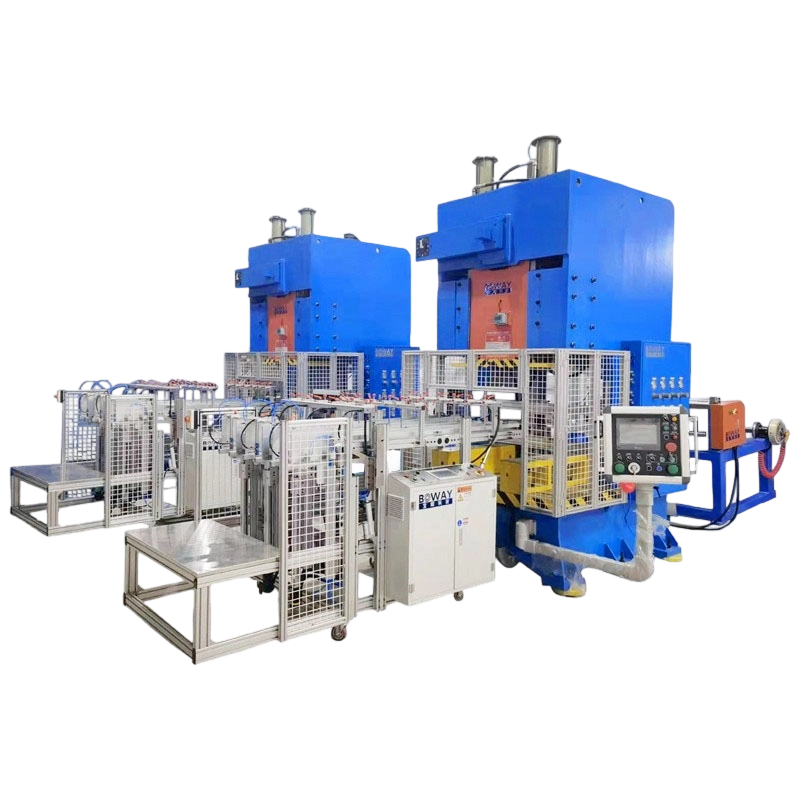
Ningbo Aikang Aluminum Foil Technology Co., Ltd has a product range that covers these needs. As an important port city, Ningbo provides logistic advantages for export. The company also offers both finished containers and production equipment, which gives buyers a complete view of the manufacturing process. If you are planning to expand or start a packaging line, that insight is valuable.
Frequently Asked Questions
Q1: Is aluminum foil a good conductor of heat?
Yes, aluminum is an excellent heat conductor, with a thermal conductivity of about 237 W/m·K for pure metal.
Q2: Does aluminum foil reflect heat or conduct it?
Both. It conducts heat through the metal, and its surface also reflects radiant heat.
Q3: Is aluminum foil safe to use in the oven?
Yes, aluminum foil and containers can be used in conventional ovens at typical baking temperatures (up to around 450°C/842°F).
Q4: Does thicker aluminum foil conduct heat better?
No. Thickness affects strength, not the thermal conductivity value. A thicker piece transfers heat at the same per-area rate.
Q5: Why does aluminum foil keep food warm if it conducts heat?
It traps steam and reflects radiant heat back toward the food, limiting heat loss by convection and radiation.
Q6: Can aluminum foil containers be used for freezing?
Yes. They are often used for freezer-to-oven meals because they withstand low and high temperatures.
Choose AiKang for Top-Quality
Aluminum Foil Products
Explore Our
Featured Products
Ningbo Aikang Aluminum Foil Technology Co., Ltd, based in Ningbo, produces eco-friendly disposable aluminum foil products. They prioritize quality and customer satisfaction, serving the global market with innovative packaging solutions.


Quick Links
Contact
-
 No. 5 Yongxing East Road, Fengshan Street, Yuyao City, Zhejiang Province, China
-
 Tel: +86-15867468784
-
 E-mail: [email protected]
Send Us A Message
