
 English
 日本語
日本語 عربى
عربى Español
-
 01
01
OEM Aluminum Foil Containers: What Global Buyers Need to Know
Industry News-Content
- 1 What An Aluminum Foil Container Actually Is
- 2 Core Material Properties That Define Container Quality
- 3 Common Types Of Aluminum Foil Trays And Where They Are Used
- 4 Thickness And Gauge Standards Across Container Types
- 5 How OEM Aluminum Foil Food Containers Are Manufactured
- 6 Where Aluminum Foil Meal Trays Outperform Other Packaging
- 7 Demand Trends For Aluminum Foil Food Packaging
- 8 What To Check Before Choosing A Supplier
- 9 Recyclability And End Of Life Handling
- 10 About Ningbo Aikang Aluminum Foil Technology
- 11 Frequently Asked Questions
What An Aluminum Foil Container Actually Is
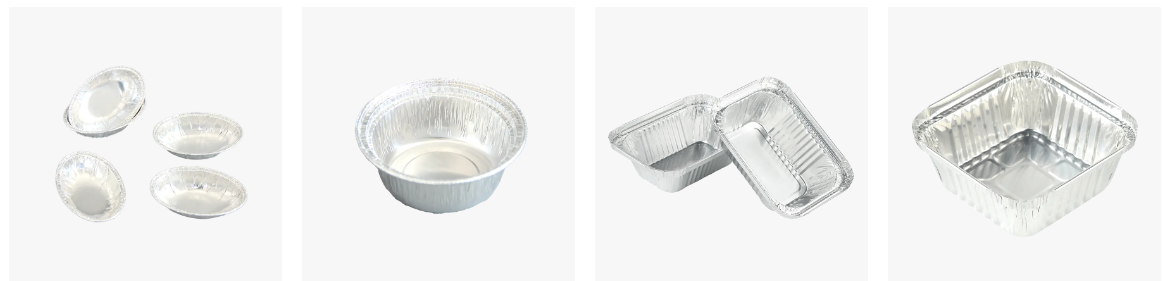
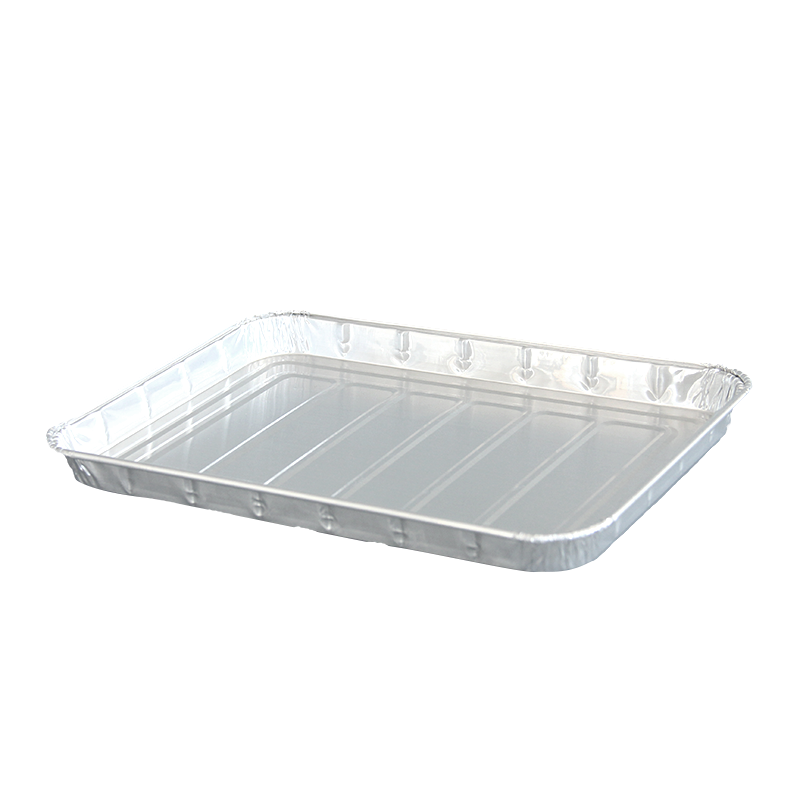
An aluminum foil container is a formed metal tray, pan, or dish pressed from thin aluminum sheet and used to hold, cook, reheat, freeze, or transport food. Global buyers searching for an aluminum foil food container manufacturer are typically looking for one thing above all else: consistent tray dimensions and stable alloy behavior across every production run, because a tray that seals unevenly or warps under heat creates problems far down the supply chain. Aluminum Foil Tableware is the broader category that covers trays, plates, bowls, lids, and pans used across bakery, airline catering, food delivery, retail meal kits, and household cooking.
Buyers of Disposable Aluminum Foil Containers usually fall into a handful of recognizable groups, each with slightly different priorities around tray shape, wall strength, and nesting behavior for shipping.
- Foodservice distributors supplying restaurants and catering companies
- Airline catering companies needing stackable, lightweight portion trays
- Bakery and pastry brands using foil pans for baking and retail display
- Private label retail chains packaging ready meals and frozen food
- Takeaway and food delivery platforms sourcing meal trays wholesale
Because Aluminum Foil Trays are a functional packaging product rather than a decorative one, most sourcing conversations start with material specification, thickness, and tray geometry before moving on to volume and logistics.
Core Material Properties That Define Container Quality
The performance of any aluminum foil container comes down to two variables that buyers should always ask about directly: alloy grade and temper. Most food-grade Aluminum Foil Containers are produced from alloy 8011 or alloy 3003, both of which resist oxidation well and respond predictably to deep drawing and stamping. Temper controls how rigid or flexible the finished tray feels, with harder tempers such as H24 giving trays more resistance to bending during stacking and transport.
Typical Alloy And Temper Combinations
| Alloy | Typical Temper | Common Use | Thickness Range |
|---|---|---|---|
| 8011 | O / H14 | Takeaway trays, lids, meal trays | 0.035mm - 0.06mm |
| 3003 | H14 / H24 | Baking trays, roasting pans, BBQ pans | 0.05mm - 0.09mm |
| 8011 | H22 | Airline food trays, portion trays | 0.04mm - 0.055mm |
| 3003 | H24 | Loaf pans, deep trays, catering pans | 0.06mm - 0.10mm |
Buyers evaluating a custom aluminum foil trays manufacturer should ask for the specific alloy and temper used for their exact tray shape, since a deep loaf pan and a shallow takeaway lid behave very differently even at the same nominal thickness.
Common Types Of Aluminum Foil Trays And Where They Are Used
Aluminum Foil Food Containers are produced in a wide range of shapes, and the distribution of demand across shapes tends to follow how food is actually served. Shallow rectangular and round trays dominate takeaway and delivery use, while deeper pans are more common in baking and outdoor cooking.
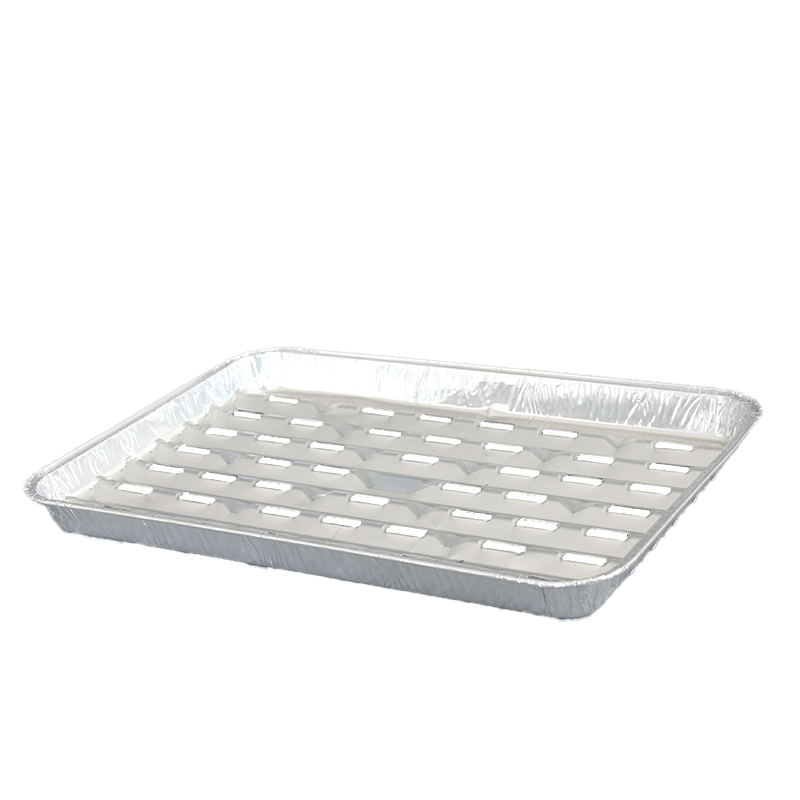
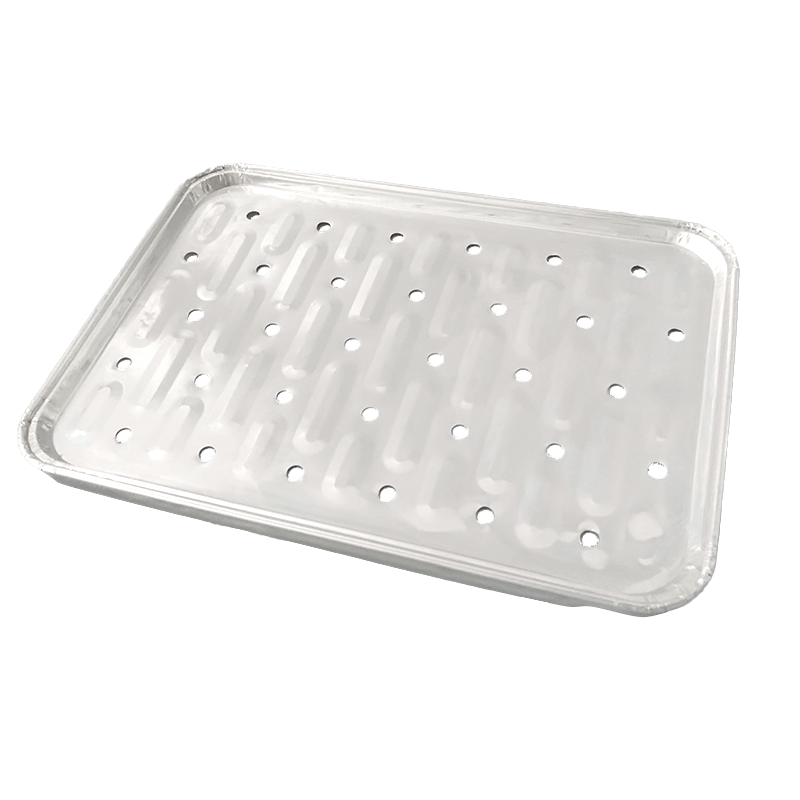
Round and rectangular takeaway containers, often paired with a board or foil lid, remain the most requested item among buyers looking for an aluminum foil takeaway containers supplier. Loaf pans, muffin trays, and pie pans follow close behind for bakery accounts, while barbecue pans and turkey pans see seasonal spikes tied to outdoor cooking and holiday periods.
Thickness And Gauge Standards Across Container Types
Thickness is usually the first technical detail a buyer confirms, since it directly affects how a tray handles heat, weight, and stacking pressure. Thin-gauge trays work well for cold or light takeaway items, while thicker trays are needed for anything going into an oven with a heavier filling.
Thickness Reference Table
| Container Type | Typical Thickness (Microns) | Typical Setting |
|---|---|---|
| Takeaway Tray | 40 | Food delivery, retail takeaway |
| Baking Tray | 60 | Bakery, oven baking |
| Airline Tray | 45 | Airline catering, in flight meals |
| BBQ Pan | 70 | Outdoor cooking, grilling |
| Loaf Pan | 65 | Bakery, catering, home baking |
How OEM Aluminum Foil Food Containers Are Manufactured
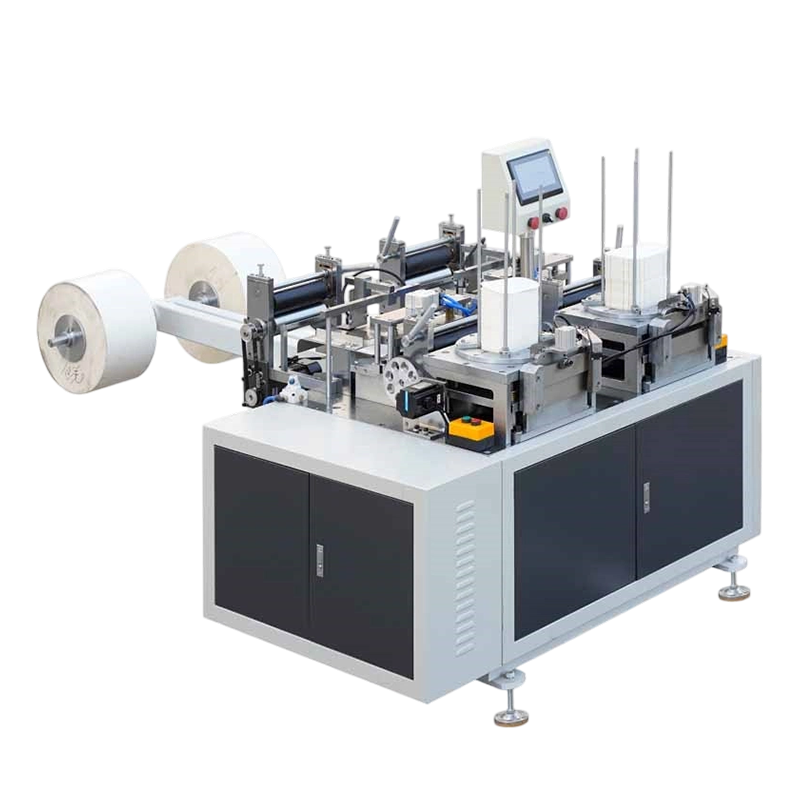
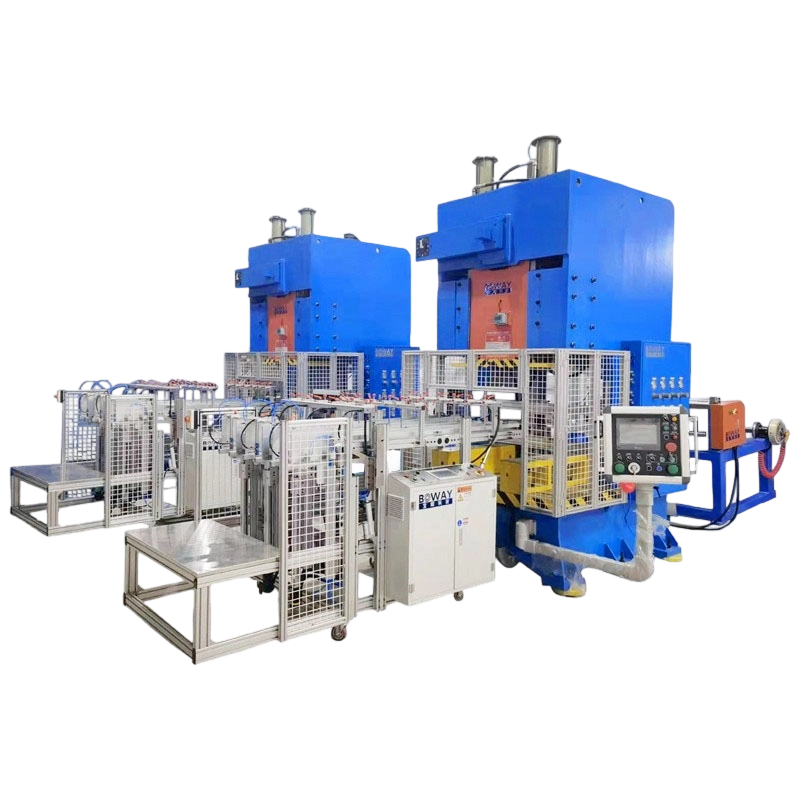
Production of an aluminum foil container follows a fairly consistent sequence regardless of the final tray shape, though mold design changes completely between a shallow takeaway lid and a deep barbecue pan. A custom aluminum foil trays manufacturer generally works through the following stages for each new tray design.
- Aluminum coil is unwound and slit into strip widths matching the tray blank size
- Strip surfaces are lubricated to reduce friction during forming
- The strip passes through a stamping or deep drawing press using a dedicated mold
- Formed trays are trimmed and separated from the strip edge
- Trays are nested and stacked for stable packing and transport
- Sample trays are pulled for dimensional and surface inspection
- Finished trays are counted, packed, and prepared for export
Mold quality has an outsized effect on the finished tray, since a worn or poorly machined mold shows up immediately as wrinkling, uneven wall thickness, or inconsistent stacking height. This is one of the main reasons buyers ask specifically about in-house mold development rather than outsourced tooling when comparing an aluminum foil baking trays manufacturer.
Where Aluminum Foil Meal Trays Outperform Other Packaging
Food packaging buyers frequently compare aluminum trays against plastic and paperboard alternatives before finalizing a sourcing decision. The comparison usually comes down to heat behavior, recyclability, and how well the material holds its shape once filled with food.
Aluminum performs strongly in heat resistance, which is why airline aluminum foil food containers remain the standard choice for meals that move directly from a galley oven to a passenger tray. The same heat behavior makes aluminum trays practical for takeaway meals that customers reheat directly in the container at home.
Demand Trends For Aluminum Foil Food Packaging
Interest in aluminum foil packaging has grown steadily as food delivery volumes expanded and more buyers moved away from single-use plastic trays. The general trend line below reflects the broad direction reported across food packaging industry commentary rather than a single fixed data source.
Two forces show up repeatedly in buyer conversations behind this trend: growth in takeaway and delivery meals that need heat-safe trays, and a general shift toward recyclable aluminum foil food packaging as retailers respond to customer preference for materials that can rejoin the metal supply chain after use.
What To Check Before Choosing A Supplier
Selecting a wholesale aluminum foil containers supplier involves more than comparing tray photos. The checklist below covers the areas that tend to matter most once a buyer moves from sample review to ongoing production.
| Evaluation Area | What To Look For |
|---|---|
| Production Capacity | Multiple automatic lines to keep lead times steady during peak season |
| Mold Development | In-house tooling for faster turnaround on custom tray shapes |
| Alloy Sourcing | Traceable coil sourcing with consistent alloy composition |
| Surface And Nesting | Clean surface finish and even nesting for stable stacking |
| Export Packing | Carton and pallet packing suited to long distance shipping |
Buyers sourcing for an aluminum foil takeaway containers supplier relationship should also request nesting samples, since tray stacking height directly affects container loading and shipping efficiency.
Recyclability And End Of Life Handling
One of the most consistent reasons buyers move toward aluminum trays is the material recovery story. Aluminum can be separated from general waste streams using standard metal recovery equipment, and recovered aluminum can be melted down and reformed into new coil stock. This makes recyclable aluminum foil food packaging a practical talking point for retail brands trying to reduce single-use plastic in their packaging mix.
From a practical standpoint, used aluminum foil food containers are lightweight, which keeps transport weight low both when shipping full trays to customers and when collected trays move back into the metal recycling stream. Many households and food businesses already separate aluminum foil trays from general waste because the material is easy to identify and handle.
About Ningbo Aikang Aluminum Foil Technology
Ningbo Aikang Aluminum Foil Technology Co., Ltd. is based in Haishu District, Ningbo, one of the major port cities in China, and operates as an aluminum foil container manufacturer and Aluminum Foil Tableware factory. The company focuses on the design, development, and production of environmentally friendly disposable aluminum foil products, building packaging solutions that respond to shifting demand across food service and retail markets.
Core products include aviation aluminum foil containers, barbecue pans, turkey pans, aluminum loaf pans, and a wide range of other aluminum foil trays. Several automatic production lines and an in-house mold workshop support consistent output across tray shapes, positioning the company as a working partner for buyers evaluating a custom aluminum foil trays manufacturer for private label or OEM programs. Backed by professional design capability, production equipment, and a dedicated sales and service team, Aikang works with the principle of sincerity and integrity to build long-term cooperation with customers at home and abroad.

Frequently Asked Questions
They are used to hold, cook, reheat, freeze, and transport food across bakery, catering, airline, and takeaway settings.
Aluminum trays are generally not recommended for microwave use because metal can interact with microwave energy, so oven or stovetop reheating is preferred.
Yes, aluminum foil trays handle standard oven temperatures well and are commonly used for baking, roasting, and reheating.
Yes, filled trays can move directly from freezer storage to the oven without needing to change containers.
Aluminum foil is widely used across the food industry for packaging, cooking, and storage due to its heat resistance and barrier properties.
Very acidic or salty foods can interact with aluminum over long storage periods, which is why many buyers pair trays with a liner for certain recipes.
Aluminum foil trays are made from metal rather than plastic resin, so BPA is not a relevant concern for this material.
Yes, the material conducts and holds heat well, which is one of the main reasons it is chosen for hot food service.
Trays intended for food contact are produced from food-grade alloys such as 3003 and 8011 under controlled production conditions.
Choose AiKang for Top-Quality
Aluminum Foil Products
Explore Our
Featured Products

Ningbo Aikang Aluminum Foil Technology Co., Ltd, based in Ningbo, produces eco-friendly disposable aluminum foil products. They prioritize quality and customer satisfaction, serving the global market with innovative packaging solutions.


Quick Links
Contact
-
 No. 5 Yongxing East Road, Fengshan Street, Yuyao City, Zhejiang Province, China
-
 Tel: +86-15867468784
-
 E-mail: [email protected]
Send Us A Message
