
 English
 日本語
日本語 عربى
عربى Español
-
 01
01
Is cooking on aluminum foil safe?
Industry News-Content
- 1 Quick Answer: Is Cooking on Aluminum Foil Safe
- 2 How Aluminum Foil Behaves When It Meets Heat and Food
- 3 Everyday Situations Where Cooking With Aluminum Foil Is Low Risk
- 4 Factors That Increase Aluminum Transfer During Cooking
- 5 Comparing Aluminum Contact Across Common Cooking Methods
- 6 Practical Tips for Using Aluminum Foil Safely in Daily Cooking
- 7 Aluminum Foil Containers Compared With Other Takeaway Packaging
- 8 Recyclability and End of Life for Aluminum Foil Containers
- 9 Choosing the Right Aluminum Foil Container Size and Shape
- 10 Custom Aluminum Foil Tableware for Restaurants and Food Businesses
- 11 Manufacturing Behind Reliable Aluminum Foil Containers
- 12 Storage and Handling Best Practices for Aluminum Foil Containers
- 13 Frequently Asked Questions About Aluminum Foil Containers and Cooking
- 13.1 Q1: What is aluminum foil tableware used for
- 13.2 Q2: Are aluminum foil containers recyclable
- 13.3 Q3: Can aluminum foil containers go in the oven
- 13.4 Q4: What sizes of aluminum foil containers are available
- 13.5 Q5: Can manufacturers customize aluminum foil containers
- 13.6 Q6: What is the difference between aluminum foil trays and aluminum foil containers
- 13.7 Q7: How long can food be stored in aluminum foil containers
- 13.8 Q8: Why are aluminum foil containers better for takeaway food
Quick Answer: Is Cooking on Aluminum Foil Safe
Cooking on aluminum foil is generally considered safe for most everyday kitchen tasks, including baking, roasting, grilling packets, and lining trays. A common question home cooks ask is whether cooking on aluminum foil is safe for regular family meals, and for typical short to moderate cooking times the answer is yes, with a few practical exceptions worth knowing. The main situations that call for a little extra care involve very acidic ingredients such as tomato sauce or citrus, salty marinades, and prolonged high heat contact directly against the foil surface.
- Cooking temperature and how high the heat runs
- Food acidity, such as tomato, vinegar, or citrus based dishes
- Salt content in marinades, brines, or cured ingredients
- How long the food stays in direct contact with the foil
- How much surface area actually touches the foil
- Whether an aluminum foil container is used instead of a direct wrap
Each of these points is explained below with practical comparisons, along with guidance on choosing and using Aluminum Foil Tableware for both home kitchens and food service settings.
How Aluminum Foil Behaves When It Meets Heat and Food
Aluminum foil is a thin sheet of aluminum metal that naturally forms a very thin oxide layer on its surface, which acts as a mild protective barrier during normal cooking. When food sits against this surface, a small amount of aluminum can transfer into the food, and the amount depends heavily on what is being cooked. Neutral foods such as bread, potatoes, or plain vegetables interact very little with the foil surface, while acidic or salty ingredients are more chemically reactive and tend to draw slightly more aluminum from the surface during cooking.
This is the core reason cooking with aluminum foil is treated differently depending on the dish. A sandwich wrapped in cooking foil for a short bake time behaves very differently from a tomato based casserole left in direct contact with foil for an extended period at high oven temperature.
Values represent an illustrative relative transfer index rather than measured laboratory figures, provided to show the general pattern between food acidity and foil interaction.
Everyday Situations Where Cooking With Aluminum Foil Is Low Risk
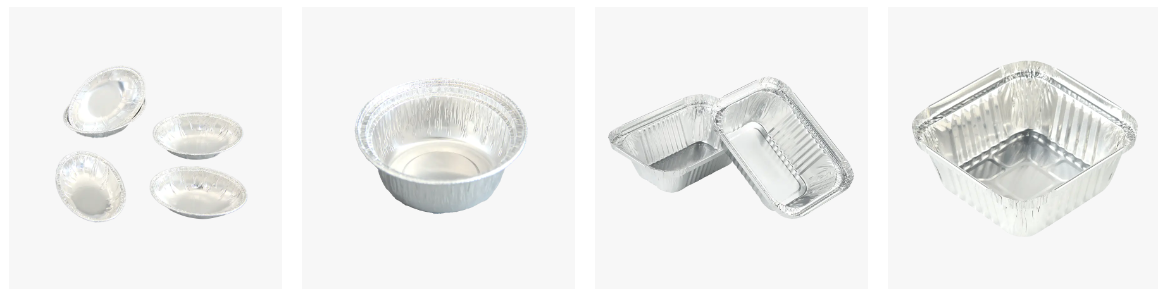
For most household cooking, using aluminum foil is a routine and low risk part of meal preparation. Wrapping a sandwich or baked potato in cooking foil for a short bake, lining a tray to catch drippings, or covering a roasting pan for part of the cooking time all fall into everyday low risk use. A classic tin foil dinner packed with vegetables and a protein is a popular technique for camping trips and backyard grilling, and it remains a practical, low risk way to cook a full meal over an open flame or grill grate.
How to Use Aluminium Foil for Common Kitchen Tasks
Across different regions, home cooks often ask whether aluminium foil is safe for cooking the same way they ask about aluminum foil, since both terms describe the same material sold under different regional spellings. Common low risk tasks include tenting a roast to prevent over browning, wrapping vegetables for the grill, lining a baking sheet for easy cleanup, and using a foil-lined pan to catch overflow from a pie or casserole. Cooking in aluminum foil pans for roasting a whole chicken or baking a loaf of bread is also a widely used method that keeps heat distributed evenly around the food.
An aluminum foil container takes this a step further by giving the food its own dedicated vessel rather than relying on a folded wrap, which reduces the amount of direct foil to food contact compared to wrapping ingredients tightly in a sheet of foil.
Factors That Increase Aluminum Transfer During Cooking
While using aluminum foil is safe for cooking in most daily scenarios, a few combinations of conditions increase the amount of aluminum that can transfer into food. Higher oven or grill temperatures speed up the chemical interaction between the foil surface and the food, longer cooking times extend the contact window, and acidic or salty ingredients react more actively with the metal surface than neutral foods do.
Illustrative trend line showing how longer cooking time and higher heat both tend to increase aluminum transfer, based on general cooking science patterns rather than a single measured test.
| Cooking Scenario | General Concern Level | Practical Note |
|---|---|---|
| Baking bread wrapped in foil | Low | Neutral pH and short contact time |
| Grilling meat in a foil packet | Low to moderate | Depends mainly on marinade acidity |
| Baking a tomato based casserole on foil | Moderate | Acidity plus long oven time increases contact |
| Storing salty broth in a foil-lined pan | Moderate | Salt content plus extended contact time |
| Reheating citrus marinated fish in foil | Moderate to higher | Citric acid reacts more readily with the surface |
Comparing Aluminum Contact Across Common Cooking Methods
Not every method of using aluminum foil creates the same amount of food contact. Wrapping food tightly in a sheet of foil presses the surface directly against the ingredients on nearly every side, while placing food inside an aluminum foil container or a foil pan limits contact mainly to the base and lower sides, leaving the top exposed to open air or a lid rather than foil.
A dedicated foil container or pan generally reduces total food to foil contact compared with wrapping ingredients tightly on all sides.
This is a practical reason many kitchens shift from wrapping certain dishes in a plain sheet to using a shaped aluminum foil container instead, particularly for sauces, marinated proteins, and dishes that will sit in the oven for a longer stretch of time.
Practical Tips for Using Aluminum Foil Safely in Daily Cooking
Most of the guidance around using aluminum foil safely comes down to a few simple habits rather than avoiding the material altogether.
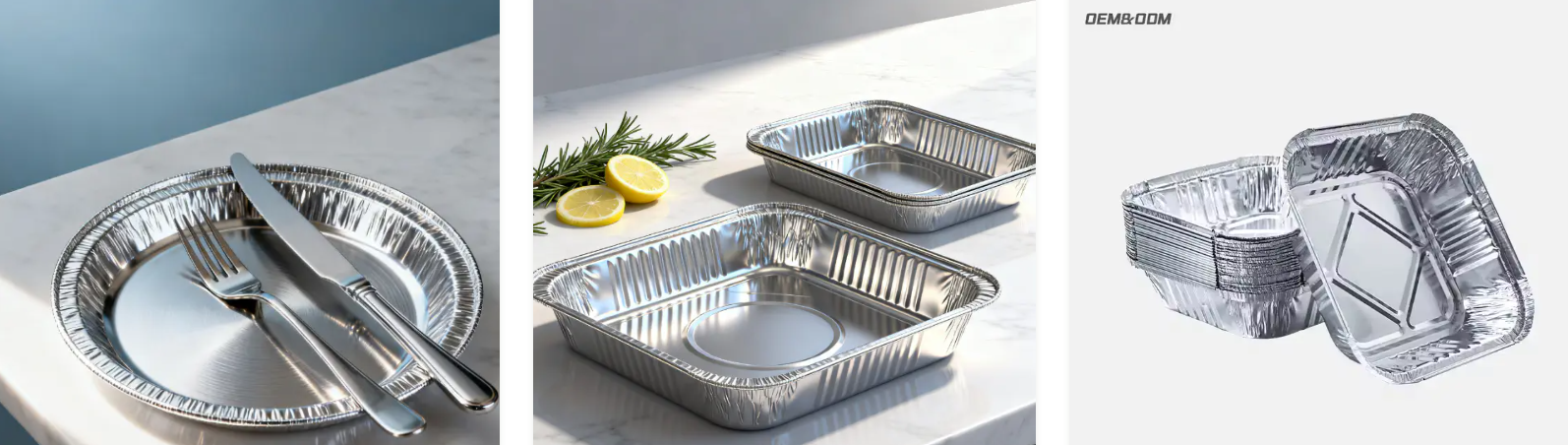
- Use a foil container or foil pan instead of a direct wrap for acidic sauces and marinades
- Keep very acidic or salty dishes out of prolonged direct foil contact at high heat
- Avoid scratching the foil surface with metal utensils before or during cooking
- Choose a slightly heavier gauge foil for grilling packets that need to hold their shape
- Let very hot dishes cool briefly before wrapping leftovers for storage
Following these habits covers the majority of everyday concerns people raise when they ask if cooking on aluminum foil is safe for regular family meals.
Aluminum Foil Containers Compared With Other Takeaway Packaging
Food businesses choosing packaging for hot dishes often compare an aluminum foil container against plastic and foam alternatives across a few practical dimensions that matter for both cooking and takeaway service.
Foam container values are shown in the lightest shade for reference; aluminum foil containers generally score higher for heat resistance and reheating suitability among the three packaging types.
Because an Aluminum Foil Tableware item can typically go straight from the oven to the table, it removes the extra step of transferring food into a separate reheating dish, which is one reason it remains a common choice for takeaway meals meant to be warmed again at home.
Recyclability and End of Life for Aluminum Foil Containers
Aluminum is one of the more widely recycled packaging materials available, and a recyclable aluminum food container can generally go through standard metal recycling streams after a light rinse to remove leftover food residue. Unlike some composite packaging that mixes several materials together, a plain aluminum foil container is a single material item, which tends to simplify the sorting process at recycling facilities.
For households and businesses looking to reduce packaging waste, choosing aluminum foil containers over mixed material alternatives can be a straightforward way to keep more packaging within standard recycling streams rather than general waste.
Choosing the Right Aluminum Foil Container Size and Shape
Container size and shape should match both the dish being cooked and how the food will be served afterward. A small tart or muffin size suits individual portions, while a full size roasting pan handles a whole chicken or a large batch of vegetables in one go.
| Container Style | Typical Capacity | Common Use |
|---|---|---|
| Mini tart or muffin cup | Single portion | Individual desserts and appetizers |
| Standard loaf pan | 4 to 6 servings | Bread, meatloaf, and baked casseroles |
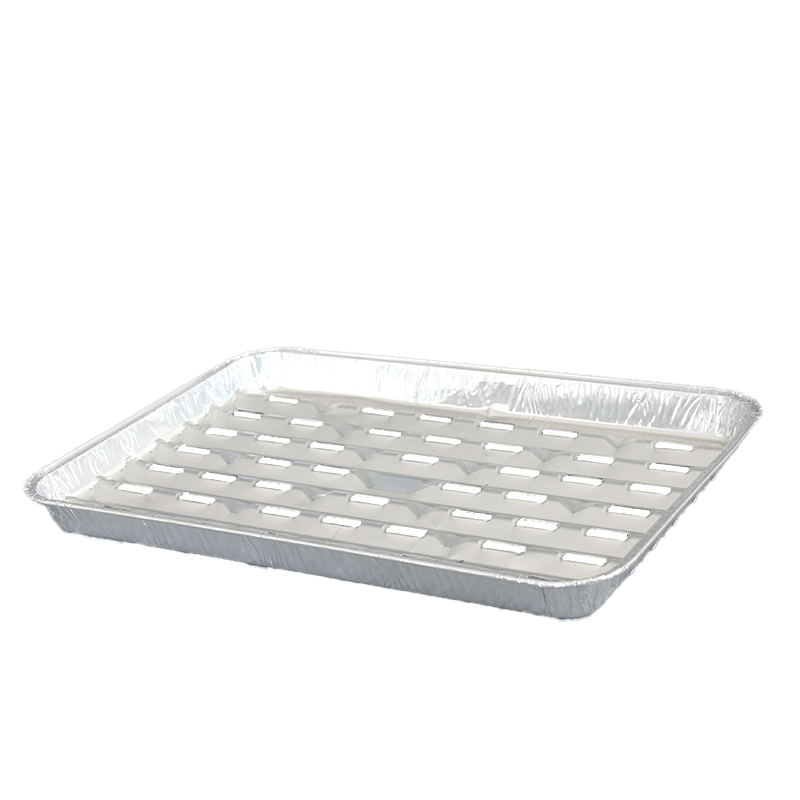
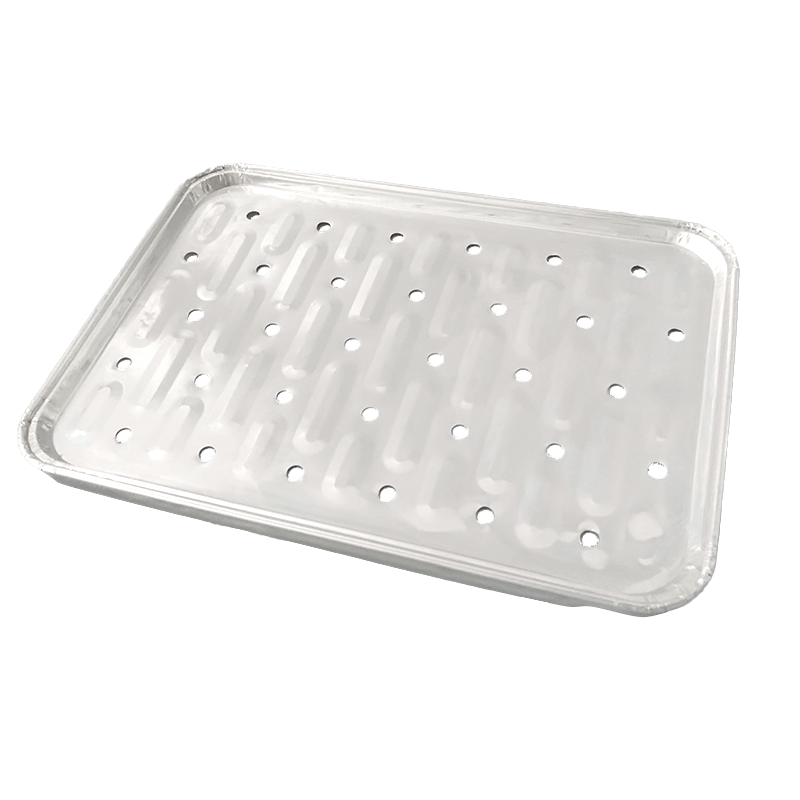
| Barbecue or roasting pan | Whole bird or large cut | Roasting, grilling, and turkey pans |
| Half size steam table pan | Multiple servings | Catering trays and buffet service |
Custom Aluminum Foil Tableware for Restaurants and Food Businesses
Food businesses ordering in larger volumes often look for Aluminum Foil Tableware that can be adjusted to match their menu and branding rather than a single fixed design. Manufacturers that support customization can typically adjust several details on the same base container style.
Common Customization Options
- Size adjustments to fit specific portion requirements
- Shape options including round, rectangular, and compartment styles
- Lid choices, from board lids to clear film covers
- Logo printing on the container or lid for brand recognition
- Packaging arrangements suited to bulk shipping or retail display
These adjustments allow a single container line to serve very different needs, from a bakery packaging individual desserts to a catering company assembling large batch trays for an event.
Manufacturing Behind Reliable Aluminum Foil Containers
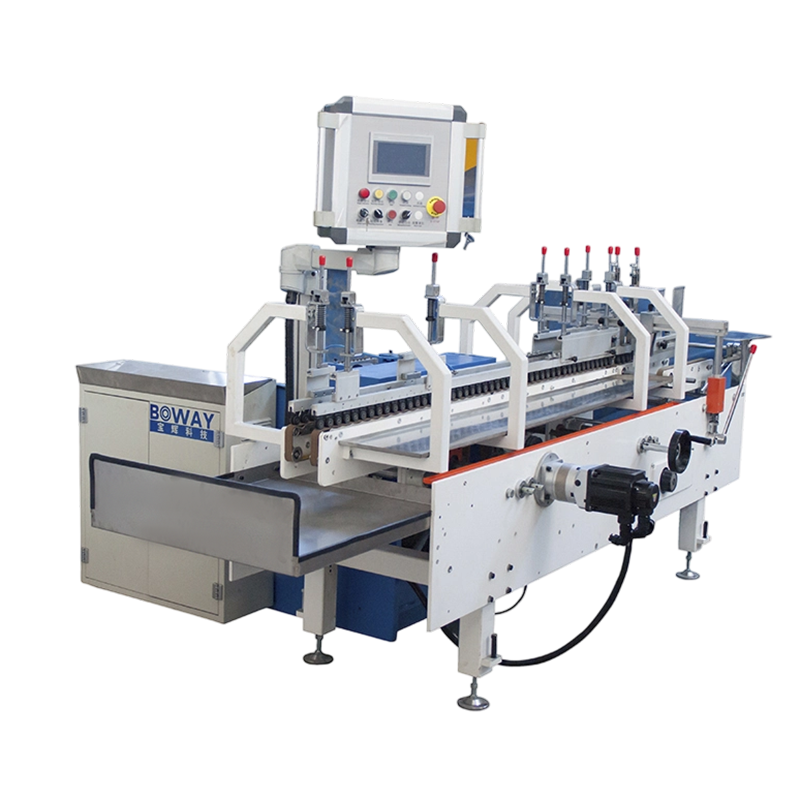
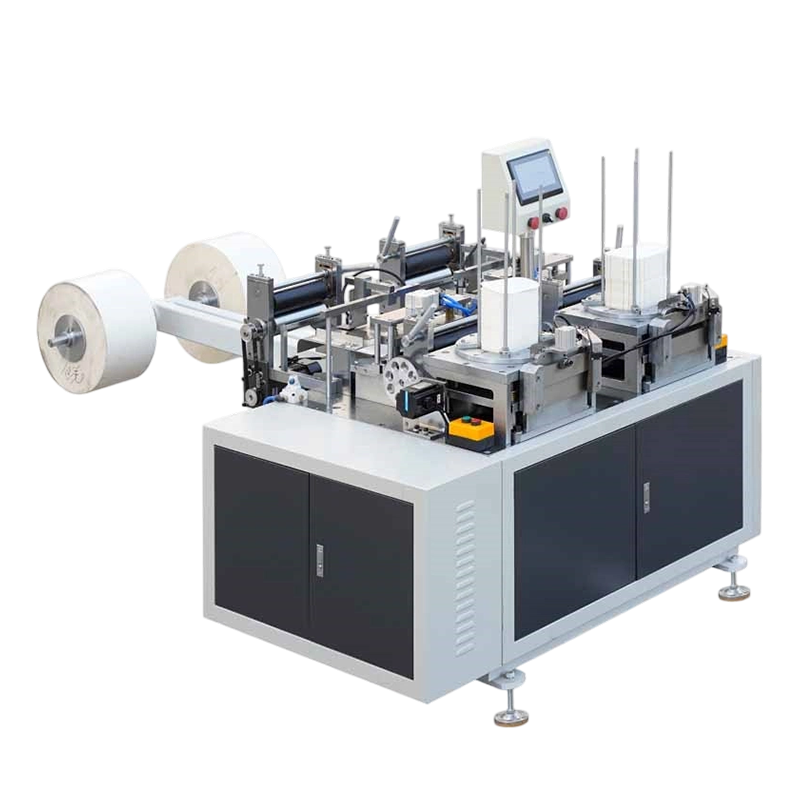
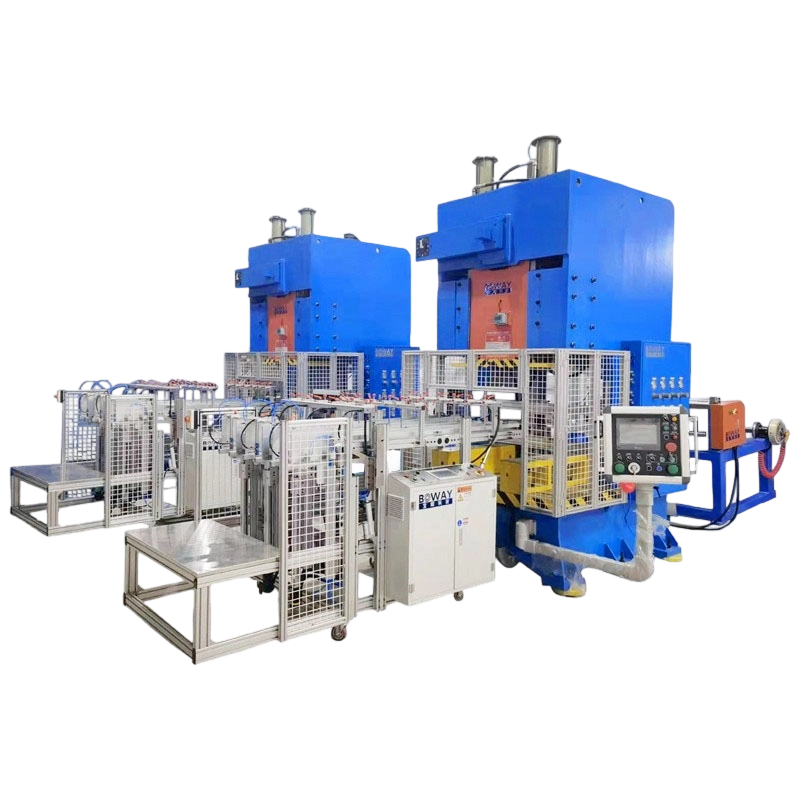
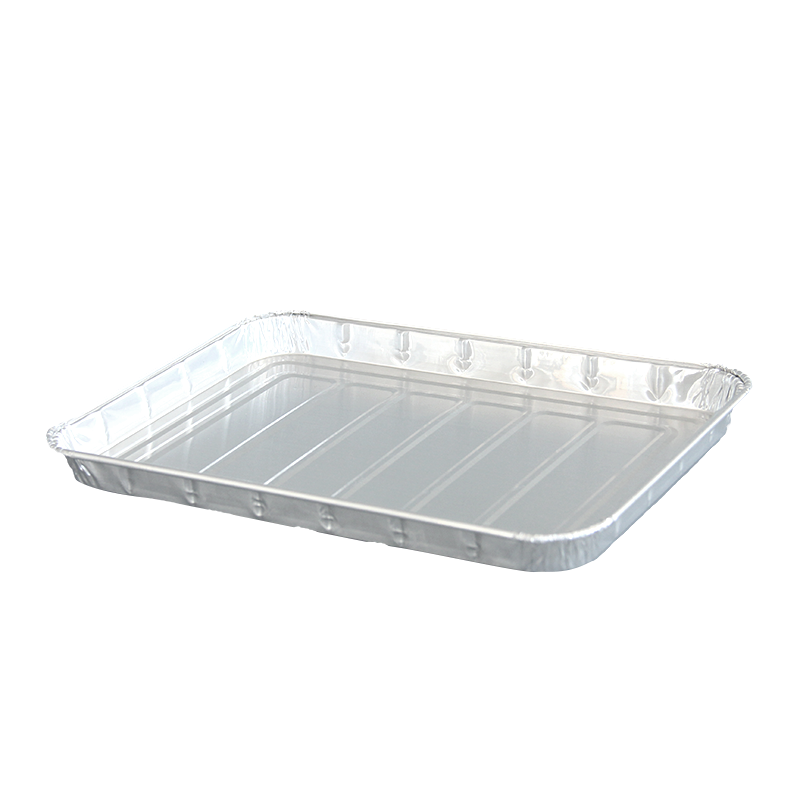
Ningbo Aikang Aluminum Foil Technology Co., Ltd is based in Haishu District, Ningbo, one of the major port cities in China, and focuses on the design, development, and production of disposable aluminum foil products. The company builds a range of items including aviation aluminum foil containers, barbecue pans, turkey pans, aluminum loaf pans, and other varied aluminum foil containers, supported by automatic production lines and a dedicated set of molds that help maintain consistency and product variety across large order volumes.
Company Scale at a Glance
The company brings 10 years of focused industry experience to its product development, operates across 50 plus manufacturing facilities that support its distribution network, and employs more than 14,000 people working together to keep production running smoothly for customers at home and abroad.
With professional design input, established manufacturing equipment, and a dedicated sales and service team, the company works with both household brand partners and food service businesses that need dependable aluminum foil container supply for daily operations.
Storage and Handling Best Practices for Aluminum Foil Containers
Good storage habits keep aluminum foil containers performing well from the moment food goes in to the moment it is served or reheated.
- Stack empty containers in a dry area away from direct moisture
- Cool very hot food briefly before sealing a container for the refrigerator
- Use a lid or foil cover to limit air exposure for stored leftovers
- Label containers with a date when storing meals for more than a day
- Avoid crushing stacked containers, which can weaken the seal on covered lids
How long can food be stored in an aluminum foil container depends on the dish itself, but as a general practice most cooked leftovers are best used within a few days when kept refrigerated in a properly covered container.
Frequently Asked Questions About Aluminum Foil Containers and Cooking
Q1: What is aluminum foil tableware used forIt is used for baking, roasting, grilling, and packaging both home cooked meals and takeaway food, since the container can often go from the oven straight to the table. |
Q2: Are aluminum foil containers recyclableYes, a recyclable aluminum food container can usually be rinsed and placed into standard metal recycling streams since it is made from a single material. |
Q3: Can aluminum foil containers go in the ovenYes, aluminum foil containers are commonly used directly in the oven for baking and roasting, which is one of their main practical advantages over some other packaging types. |
Q4: What sizes of aluminum foil containers are availableSizes range from small individual portion cups to full size roasting and steam table pans, covering single servings up to large batch catering trays. |
Q5: Can manufacturers customize aluminum foil containersYes, common customization options include size, shape, lid style, logo printing, and packaging arrangement to match a specific menu or brand. |
Q6: What is the difference between aluminum foil trays and aluminum foil containersThe terms are often used interchangeably, though tray usually refers to an open shape while container can include deeper or lidded designs for holding sauces and liquids. |
Q7: How long can food be stored in aluminum foil containersMost cooked leftovers are best used within a few days when refrigerated in a properly covered container, though the exact time depends on the specific dish. |
Q8: Why are aluminum foil containers better for takeaway foodThey hold heat well, can be reheated directly without transferring food to another dish, and are generally easier to recycle than mixed material packaging. |
Choose AiKang for Top-Quality
Aluminum Foil Products
Explore Our
Featured Products

Ningbo Aikang Aluminum Foil Technology Co., Ltd, based in Ningbo, produces eco-friendly disposable aluminum foil products. They prioritize quality and customer satisfaction, serving the global market with innovative packaging solutions.


Quick Links
Contact
-
 No. 5 Yongxing East Road, Fengshan Street, Yuyao City, Zhejiang Province, China
-
 Tel: +86-15867468784
-
 E-mail: [email protected]
Send Us A Message
