
 English
 日本語
日本語 عربى
عربى Español
-
 01
01
Can You Freeze Food in Aluminum Foil Containers?
Industry News-Content
- 1 Yes, Aluminum Foil Tableware Can Go Straight Into The Freezer
- 2 Why Aluminum Foil Tableware Performs Well In Freezer Storage
- 3 How Long Frozen Food Typically Lasts By Category
- 4 Freezer Safe Aluminum Foil Containers Versus Plastic And Glass
- 5 Step By Step Guide To Freezing Food In Aluminum Foil Containers
- 6 Common Mistakes That Reduce Food Quality During Freezer Storage
- 7 Oven Safe Aluminum Foil Containers: Freezer To Oven Without Extra Dishes
- 8 Aluminum Foil Baking Tray Manufacturer Insights On Container Design
- 9 Aluminum Foil Containers Wholesale Considerations For Foodservice Operations
- 10 Aluminum Foil Takeaway Container Supplier Standards For Cold Chain Use
- 11 About Ningbo Aikang Aluminum Foil Technology Co., Ltd
- 12 Practical Tips For Using Aluminum Foil Tableware Every Day
- 13 Frequently Asked Questions
- 13.1 Q1: Can you freeze food in aluminum foil containers?
- 13.2 Q2: What are aluminum foil food containers used for?
- 13.3 Q3: Are aluminum foil containers safe for food storage?
- 13.4 Q4: Can aluminum foil containers go in the oven after freezing?
- 13.5 Q5: Can aluminum foil trays be used for baking as well as freezing?
- 13.6 Q6: Can aluminum foil containers go in the microwave?
- 13.7 Q7: What are aluminum foil trays used for besides freezing?
- 13.8 Q8: Can aluminum foil trays be microwaved directly from frozen?
Yes, Aluminum Foil Tableware Can Go Straight Into The Freezer
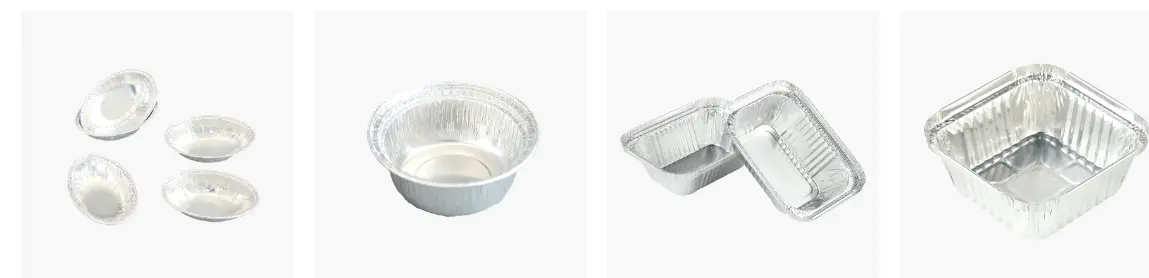
Aluminum foil tableware is one of the few packaging materials that moves between freezer, oven, and table without needing a different dish at every stage. The metal is inert, does not absorb odors from other frozen items, and holds its shape at sub zero temperatures without cracking the way some rigid plastics do. For home cooks freezing a batch of soup or a caterer preparing frozen meal trays for later reheating, freezer safe aluminum foil containers are a practical everyday choice rather than a special purchase.
This guide walks through why aluminum foil food containers behave well in cold storage, how long different dishes typically last once frozen, the mistakes that most often ruin texture or flavor, and how the same tray can later be placed straight into a hot oven. Data visuals throughout illustrate storage duration, common handling errors, temperature range, and how aluminum foil tableware compares with plastic and glass on several practical measures.
Why Aluminum Foil Tableware Performs Well In Freezer Storage
Thermal Stability At Low Temperature
Metal does not become brittle in the freezer the way some thin plastics can. A foil tray that is filled, covered, and placed in a home or commercial freezer keeps its shape through repeated door openings and temperature swings, which matters when a freezer is opened many times a day in a restaurant kitchen or catering prep area.
A Reliable Barrier Against Moisture And Odor
Because aluminum does not have the microscopic pores that some plastics do, it forms a tight barrier once a lid or wrap is sealed against the rim. This keeps frozen sauces from picking up smells from neighboring items and helps stop the surface drying that causes freezer burn on exposed food.
Structural Rigidity Under Stacked Storage
Corrugated side walls on most aluminum foil food containers add rigidity, so filled trays can be stacked in a freezer without the top layer crushing the one below. This is especially useful for households doing batch cooking and for kitchens that need to store dozens of portions in a limited freezer footprint.
| Food Category | Typical Freezer Duration | Recommended Reheating |
|---|---|---|
| Soups And Broths | Around 10 weeks | Oven or microwave |
| Casseroles And Bakes | Around 12 weeks | Oven |
| Cooked Meat Portions | Around 10 weeks | Oven or stovetop |
| Vegetable Dishes | Around 8 weeks | Steaming or microwave |
| Bread And Pastry Items | Around 10 weeks | Oven |
| Sauces And Gravies | Around 12 weeks | Stovetop |
How Long Frozen Food Typically Lasts By Category
The horizontal chart below places the same six categories side by side so the relative storage windows are easy to compare at a glance. Sauces, casseroles, and bakes tend to hold texture the longest, while vegetable dishes are best used a little sooner because of their higher water content.
Freezer Safe Aluminum Foil Containers Versus Plastic And Glass
Choosing between aluminum foil tableware, rigid plastic tubs, and glass dishes usually comes down to how the container needs to behave across the full storage and reheating cycle, not just in the freezer alone. The radar chart below compares all three across five practical attributes on a simple one to five scale.
Aluminum Foil Containers Rigid Plastic Containers Glass Containers
Step By Step Guide To Freezing Food In Aluminum Foil Containers
- Let hot food cool to room temperature before it goes into the container, since sealing food while it is still steaming traps condensation that turns into ice crystals.
- Fill the aluminum foil tableware to around three quarters full so there is room for the contents to expand slightly as they freeze.
- Press a matching foil lid firmly against the rolled rim, or wrap the top tightly with foil or freezer film so no air pocket is left above the food.
- Label the lid with the contents and the date, since aluminum surfaces take permanent marker or freezer labels cleanly.
- Stack filled trays flat rather than on their side, and avoid placing heavy items directly on thinner walled containers.
- When ready to reheat, place the tray directly in a preheated oven or thaw it in the refrigerator first, depending on the dish.
Common Mistakes That Reduce Food Quality During Freezer Storage
Most quality problems linked to frozen food in foil trays trace back to a handful of preventable habits in the kitchen rather than the container itself. The column chart below ranks how often each mistake tends to show up on a simple relative scale from one to ten.
Oven Safe Aluminum Foil Containers: Freezer To Oven Without Extra Dishes
One practical advantage of aluminum foil tableware is that a single tray can travel through a very wide temperature range without a dish change. The line chart below traces a typical journey from freezer storage through thawing, oven reheating, and serving.
Because the same tray handles both ends of this range, an oven safe aluminum foil container removes the step of transferring frozen food into a separate baking dish, which reduces washing up and the risk of spills during the transfer.
Aluminum Foil Baking Tray Manufacturer Insights On Container Design
The physical construction of a tray determines how well it performs across freezing, stacking, and later oven use. The isometric diagram below labels the main structural parts that a well engineered aluminum foil baking tray manufacturer builds into every mold.
The corrugated wall pattern adds resistance to bending under stacked weight, the rolled rim gives the lid a clean crimped seal, and the flat base sits evenly on both freezer shelves and oven racks without wobbling.
Aluminum Foil Containers Wholesale Considerations For Foodservice Operations
Restaurants, meal prep services, and catering kitchens usually order aluminum foil tableware in bulk rather than one tray at a time, so the buying decision looks a little different from a household purchase.
Consistent Sizing Across A Batch
When placing an aluminum foil containers wholesale order, uniform depth and rim shape across every unit in the batch matters, since mismatched trays stack unevenly and waste freezer space.
Storage Footprint Planning
Nesting trays flat before filling and choosing a consistent tray depth for a given menu item both help a kitchen fit more portions into the same freezer shelf.
Working With A Single Aluminum Foil Food Container Manufacturer
Sourcing trays, lids, and matching baking pans from one aluminum foil food container manufacturer keeps rim dimensions compatible across an entire product range, which simplifies both freezer storage and later oven use.
Aluminum Foil Takeaway Container Supplier Standards For Cold Chain Use
Frozen meal kits and delivery style takeaway meals rely on trays that can be filled hot, chilled or frozen quickly, and later reheated by the end customer without special equipment. An aluminum foil takeaway container supplier working in this space usually focuses on a few practical points: a rim that seals cleanly under a paperboard or foil lid, wall thickness that resists denting during transport, and a base shape that reheats evenly whether the customer uses an oven or a microwave. These same properties carry over directly into home freezer use, which is one reason aluminum foil tableware shows up in both restaurant kitchens and household freezers side by side.
About Ningbo Aikang Aluminum Foil Technology Co., Ltd
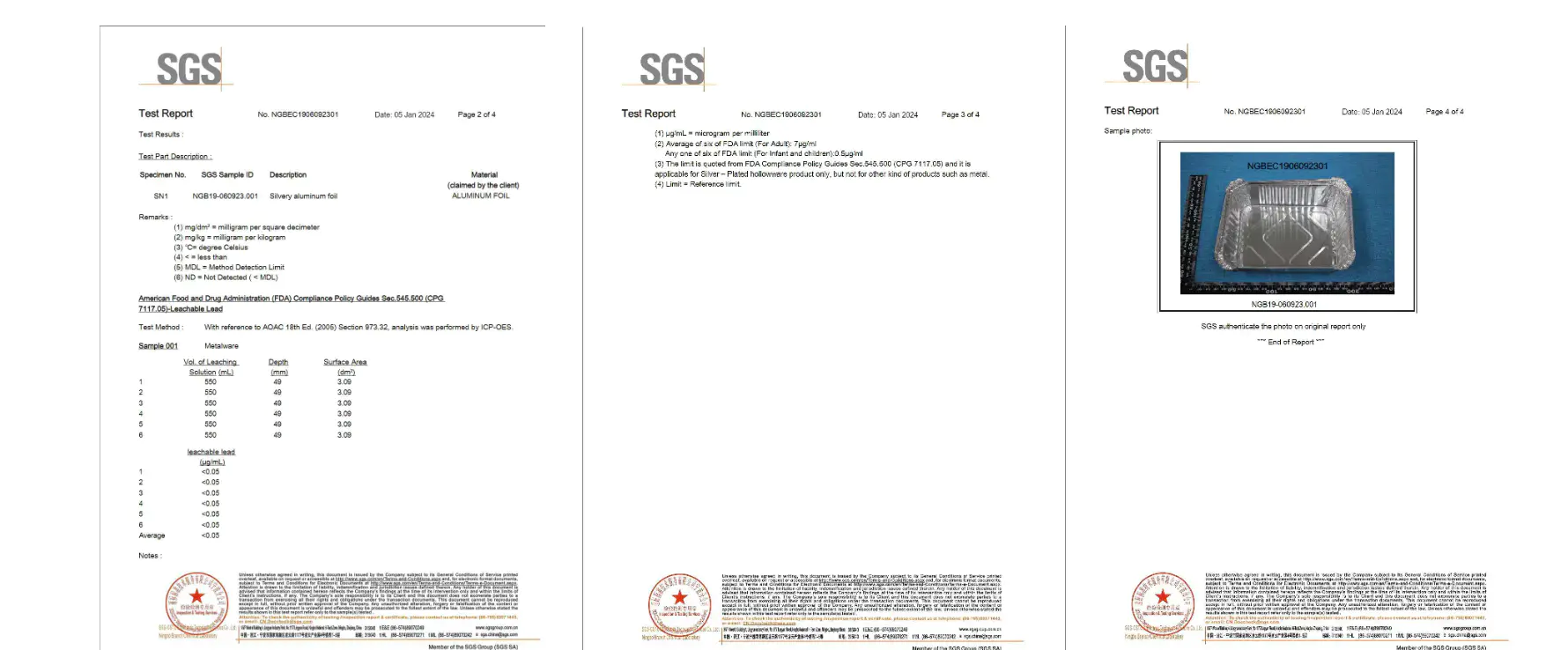
Ningbo Aikang Aluminum Foil Technology Co., Ltd is located in Ningbo's Haishu District and focuses on eco friendly disposable aluminum foil products, including aviation containers, barbecue pans, turkey pans, and a wide range of everyday aluminum foil tableware. Advanced production lines and molds support a broad size range so kitchens of different scales can find a tray that fits their menu and their freezer layout.
10
Years Of Industry Experience
A wealth of knowledge across production and mold design, built from understanding the everyday needs of foodservice and household kitchens.
50+
Manufacturing Facilities
An extensive manufacturing and distribution network that supports fast and efficient service to customers across regions.
14K+
Employees
A team working together to earn and sustain the trust of customers and the consumers they serve every day.
Practical Tips For Using Aluminum Foil Tableware Every Day
- Portion large batches into individual aluminum foil food containers before freezing so single servings can be reheated without thawing the whole batch.
- Keep a small stack of matching lids near the freezer so trays get sealed right away instead of sitting open while a lid is found.
- Leave a finger width of empty space at the top of liquid based dishes to allow room for expansion.
- Store trays flat on a shelf rather than upright in a door rack, since upright storage increases the chance of a lid coming loose.
- Move a tray from freezer to refrigerator the night before a planned meal for the most even thaw before reheating.
Frequently Asked Questions
Q1: Can you freeze food in aluminum foil containers?
Yes. Aluminum foil tableware is designed to handle sub zero temperatures without cracking or warping, making it suitable for everyday freezer storage of cooked meals.
Q2: What are aluminum foil food containers used for?
They are used for cooking, freezing, reheating, and serving, covering everything from baking a casserole to storing leftovers and packing takeaway meals.
Q3: Are aluminum foil containers safe for food storage?
Yes, aluminum is a widely used food contact material that does not absorb odors or flavors from neighboring items in the freezer.
Q4: Can aluminum foil containers go in the oven after freezing?
Yes, a tray can move directly from the freezer into a preheated oven, which is one reason oven safe aluminum foil containers are popular for reheating frozen meals.
Q5: Can aluminum foil trays be used for baking as well as freezing?
Yes, the same tray shape that works for freezer storage is commonly used for baking, which reduces the need for separate dishes.
Q6: Can aluminum foil containers go in the microwave?
This depends on the microwave and the tray depth, since metal generally is not placed in a microwave. Many households thaw in the microwave using a non metal plate, then reheat the tray itself in the oven.
Q7: What are aluminum foil trays used for besides freezing?
Beyond freezing, trays are used for grilling, roasting, catering setups, and packing takeaway orders for delivery.
Q8: Can aluminum foil trays be microwaved directly from frozen?
Metal trays are generally kept out of microwaves, so the more common approach is to reheat a frozen foil tray in the oven or to transfer thawed food to a microwave safe dish.
Choose AiKang for Top-Quality
Aluminum Foil Products
Explore Our
Featured Products

Ningbo Aikang Aluminum Foil Technology Co., Ltd, based in Ningbo, produces eco-friendly disposable aluminum foil products. They prioritize quality and customer satisfaction, serving the global market with innovative packaging solutions.


Quick Links
Contact
-
 No. 5 Yongxing East Road, Fengshan Street, Yuyao City, Zhejiang Province, China
-
 Tel: +86-15867468784
-
 E-mail: [email protected]
Send Us A Message
