
 English
 日本語
日本語 عربى
عربى Español
-
 01
01
10 Things Buyers Should Know Before Ordering Aluminum Foil Containers
Industry News-Content
- 1 Understanding Aluminum Foil Container Basics Before You Order
- 2 Foil Thickness and Gauge Range Explained
- 3 Matching Container Size and Capacity to Your Product
- 4 Lid and Sealing Options Worth Comparing
- 5 Heat Resistance, Oven Safety and Freezer Performance
- 6 Choosing the Right Container for Your Application
- 7 Surface Finish, Wall Design and Customization Options
- 8 Environmental Profile and Recyclability of Aluminum Foil Tableware
- 9 Bulk Ordering, Packaging and Logistics for Wholesale Buyers
- 10 Evaluating an Aluminum Foil Container Manufacturer
- 11 Frequently Asked Questions
- 11.1 Q1: Can aluminum foil trays go in the microwave?
- 11.2 Q2: Can aluminum foil go in a convection oven?
- 11.3 Q3: Can aluminum foil be recycled?
- 11.4 Q4: Is aluminum foil better than plastic?
- 11.5 Q5: Which thickness is best?
- 11.6 Q6: What sizes are available?
- 11.7 Q7: What food can be packed?
- 11.8 Q8: Can aluminum foil be frozen?
- 11.9 Q9: Can aluminum trays hold liquids?
Understanding Aluminum Foil Container Basics Before You Order
Aluminum foil containers are formed from thin rolled aluminum sheet that is pressed into trays, pans, cups and boxes for food packaging and food service use. Because the material is lightweight, disposable and shaped in a single continuous stamping process, it has become one of the most widely used solutions for takeaway meals, bakery items, catering setups and home food storage. Before placing an order, buyers benefit from understanding a few fundamentals about how aluminum foil container products are made and why the material behaves the way it does on the production line and in the kitchen.
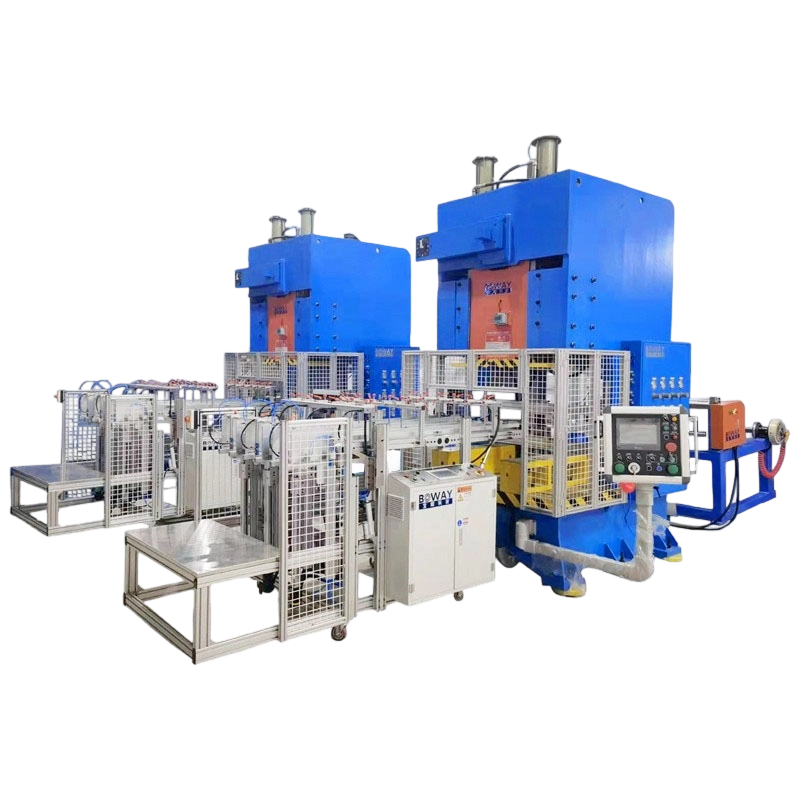
Most aluminum foil container products are produced from 8011 or 3003 series aluminum alloy, chosen because the metal is soft enough to be formed into deep trays while still holding its shape once filled with food. The coil is unwound, cleaned, and pressed between matched dies that stretch the sheet into the finished tray shape in a single stroke, which is why wall thickness and dome depth can vary slightly between different production runs and different manufacturers.
What Food Grade Aluminum Foil Containers Are Made From
Food grade aluminum foil containers begin as a continuous coil of aluminum that passes through cleaning and annealing steps before it reaches the stamping press. This preparation removes rolling oil residue and softens the grain structure of the metal so the finished tray does not crack at the corners when it is formed. Buyers ordering in bulk often ask their aluminum foil food container manufacturer about coil source and cleaning steps, since these early stages influence surface smoothness and how evenly the finished container holds its shape.
Why Container Origin and Production Process Matter
A manufacturer that controls rolling, cleaning and stamping within one facility can generally keep tray dimensions more consistent from batch to batch, which matters when containers need to stack cleanly or fit into an existing sealing machine. Asking a supplier how many stages of production happen in house is a practical way to understand how consistent repeat orders are likely to be.
Foil Thickness and Gauge Range Explained
Thickness, often called gauge, is one of the first specifications buyers should confirm because it determines how much weight a container can hold without bending. Thin gauge trays work well for light, dry items, while thicker gauge pans are built for heavier, wetter dishes that need to keep their shape when lifted or stacked.
| Container Category | Typical Gauge Range | General Use Case |
|---|---|---|
| Snack and Side Trays | 40 to 50 microns | Light, dry portions |
| Takeaway Containers | 50 to 60 microns | Standard hot meals |
| Bakery Trays | 60 to 70 microns | Buns, cakes, pastries |
| Catering Pans | 70 to 90 microns | Buffet and event serving |
| Heavy Duty Roasting Pans | 90 to 120 microns | Whole poultry and large cuts |
Buyers who order disposable aluminum foil tableware for events with heavier or liquid-based dishes should lean toward the upper end of the gauge range, since a thicker wall resists bowing when the tray is carried by two hands rather than gripped at the rim.
Matching Container Size and Capacity to Your Product
Choosing the right footprint and depth keeps portion sizes consistent and prevents lids from popping open during transport. Capacity is generally described in milliliters or in the approximate weight of food the tray can carry without flexing.
| Size Group | Volume Range | Approximate Load |
|---|---|---|
| Small | Around 250 ml | Up to 300 g |
| Medium | Around 750 ml | Up to 800 g |
| Large | Around 1500 ml | Up to 1600 g |
| Extra Large | 2500 ml and above | Up to 2800 g |
Ordering an aluminum foil container that sits one size above the expected food weight gives a small margin so the rim does not deform during stacking or when a lid is snapped into place.
Lid and Sealing Options Worth Comparing
Lidding choice affects how well a container travels and how the finished package looks on a shelf or counter. Buyers sourcing aluminum foil containers with lids generally compare three lid styles before settling on one for a given product line.
Board Lids
A pressed paperboard lid snaps onto a matching rim groove and is common for takeaway meals and bakery packs because it can carry printed branding on a flat surface while still holding in steam.
Foil Lids
A flat foil lid crimps directly onto the tray rim and is often chosen for catering pans and oven-ready meals since the same metal can go from freezer to oven without a separate covering step.
Heat Seal Film Lids
A clear or foil film is sealed across the rim by a tray sealing machine, giving a tamper evident closure that suits meal prep containers and grab and go retail packs.
- Board lids suit dry bakery and takeaway items that need a printable surface
- Foil lids suit oven-ready dishes moving between freezer and oven
- Film seals suit meal prep containers needing a tamper evident closure
- Snap-fit rims should be confirmed against the exact tray profile before bulk ordering
Heat Resistance, Oven Safety and Freezer Performance
One of the reasons foodservice operators choose aluminum over other disposable materials is how the metal behaves across a wide temperature range. Aluminum foil containers generally move safely between freezer storage and a conventional or convection oven without changing containers, which shortens the steps between kitchen prep and reheating.
Blue outline: Heavy Duty pans compared with light blue fill: Standard trays across five general performance traits.
Convection and Conventional Oven Use
Aluminum foil trays hold up well in convection ovens because the metal transfers heat evenly across the base, which helps baked goods and roasted items cook without cold spots near the tray edges.
Microwave and Freezer Notes
Because aluminum reflects rather than absorbs microwave energy, these containers are intended for conventional heating rather than microwave use. Freezer storage is generally well tolerated, and a tray can move from a freezer straight into an oven once a lid or covering is removed.
Choosing the Right Container for Your Application
Different food service settings call for different tray profiles, wall heights and lid combinations. Reviewing the most common application categories helps buyers narrow a long product catalog down to a short list worth sampling.
| Application | Typical Priority | Common Format |
|---|---|---|
| Aluminum Foil Bakery Trays | Even heat and shape retention | Shallow rectangular or round trays |
| Aluminum Foil Catering Containers | Larger capacity for buffet service | Deep rectangular pans with foil lids |
| Aluminum Foil Takeaway Containers | Stackability and secure lid fit | Medium depth trays with board lids |
| Aluminum Foil Meal Prep Containers | Portion consistency across compartments | Multi-cavity trays with film seal option |
| Aluminum Foil Lunch Box Format | Compact footprint for daily portions | Single compartment box with snap lid |
Buyers working with an aluminum foil lunch box manufacturer for daily meal programs often request a slightly reinforced rim, since these containers are handled more times per day than a typical single-use takeaway pack.
Surface Finish, Wall Design and Customization Options
Beyond size and gauge, the wall pattern pressed into an aluminum foil container plays a practical role rather than a purely visual one. A corrugated or ribbed wall adds rigidity without adding metal weight, which is why many mid-size trays use a wavy side profile instead of a flat one.
- Corrugated walls add strength while keeping material use efficient
- Smooth wall designs are often chosen for a cleaner presentation on retail shelves
- Embossed base patterns can help separate stacked trays for easier handling
- Custom depth and footprint adjustments are common for private label programs
Requesting Custom Dimensions
Buyers with an existing sealing machine or a specific portion target usually share the exact rim diameter and depth they need so a supplier can confirm whether an existing mold matches or whether a new mold would be required.
Environmental Profile and Recyclability of Aluminum Foil Tableware
Sustainability questions come up often when buyers compare packaging materials for a menu relaunch or a new catering line. Aluminum Foil Tableware is made from a metal that can generally be collected and reprocessed through standard metal recycling streams once food residue is rinsed away, which sets it apart from packaging types that require specialized facilities.
How Recycling Streams Handle Aluminum
Because aluminum does not lose its core properties when melted down and reformed, collected foil containers can be reprocessed repeatedly, which is a meaningful difference compared with materials that degrade after limited reprocessing cycles.
Comparing Material Choices for a Menu
Operators choosing between metal and plastic disposables typically weigh heat performance against microwave convenience. Aluminum performs well in ovens and holds shape under heavier fillings, while plastic is often selected where microwave reheating or clear visibility of contents matters more.
Bulk Ordering, Packaging and Logistics for Wholesale Buyers
Demand for disposable foodservice packaging has moved upward over recent years alongside the growth of takeaway and delivery dining, and wholesale buyers sourcing an aluminum foil tray supplier should plan bulk orders with this general growth pattern in mind.
Packing and Nesting for Shipment
Trays are generally nested in nested stacks and packed into cartons sized to match pallet dimensions, which keeps shipping volume efficient for both domestic distribution and export orders.
Planning Lead Time Around Order Volume
Buyers placing large recurring orders often set up a standing schedule with their supplier so mold time and packing runs are planned in advance, which reduces the chance of a gap in supply during peak seasons for catering and takeaway demand.
- Confirm carton count per pallet before finalizing an order quantity
- Ask about nested stack height to estimate container count per box
- Share expected reorder frequency so future runs can be planned ahead
Evaluating an Aluminum Foil Container Manufacturer
Ningbo Aikang Aluminum Foil Technology Co., Ltd. operates as an aluminum foil food container manufacturer and Aluminum Foil Tableware factory based in Haishu District, Ningbo, a major port city in China. The company focuses on the design, development and production of disposable aluminum foil products, aiming to provide practical packaging solutions that keep pace with changing market needs.
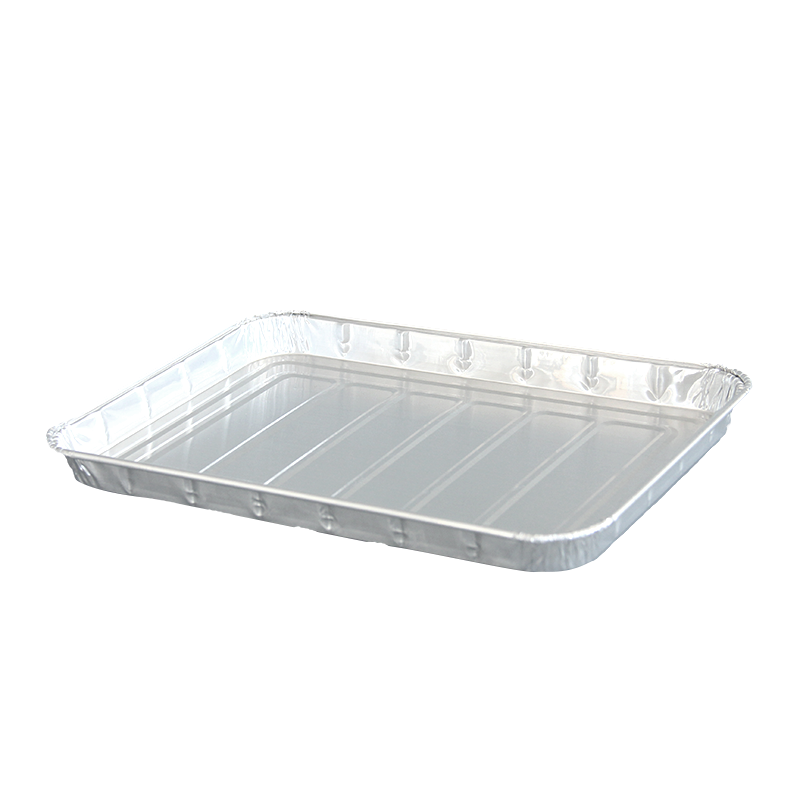
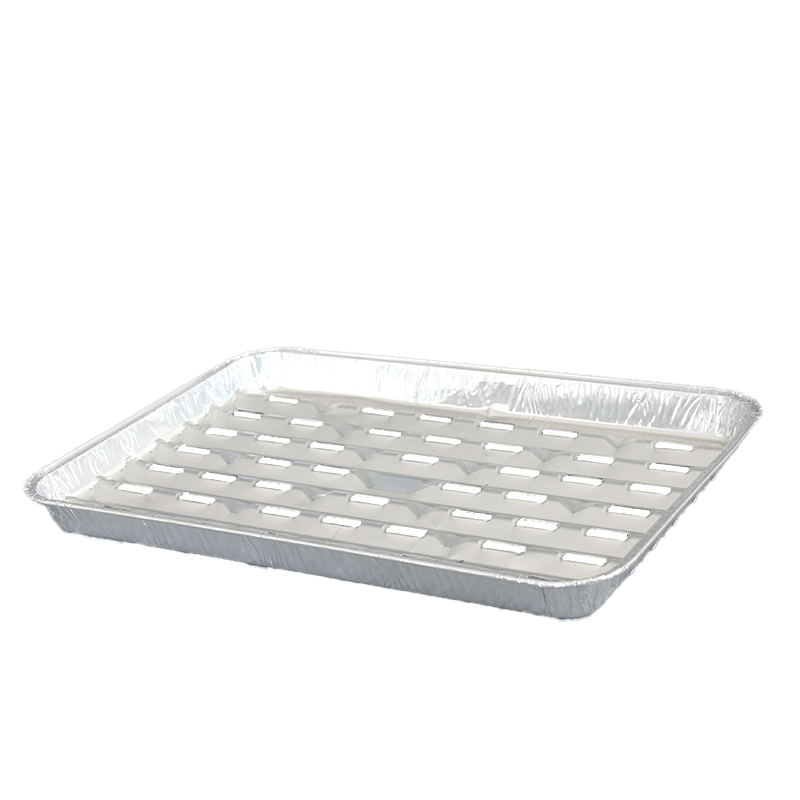
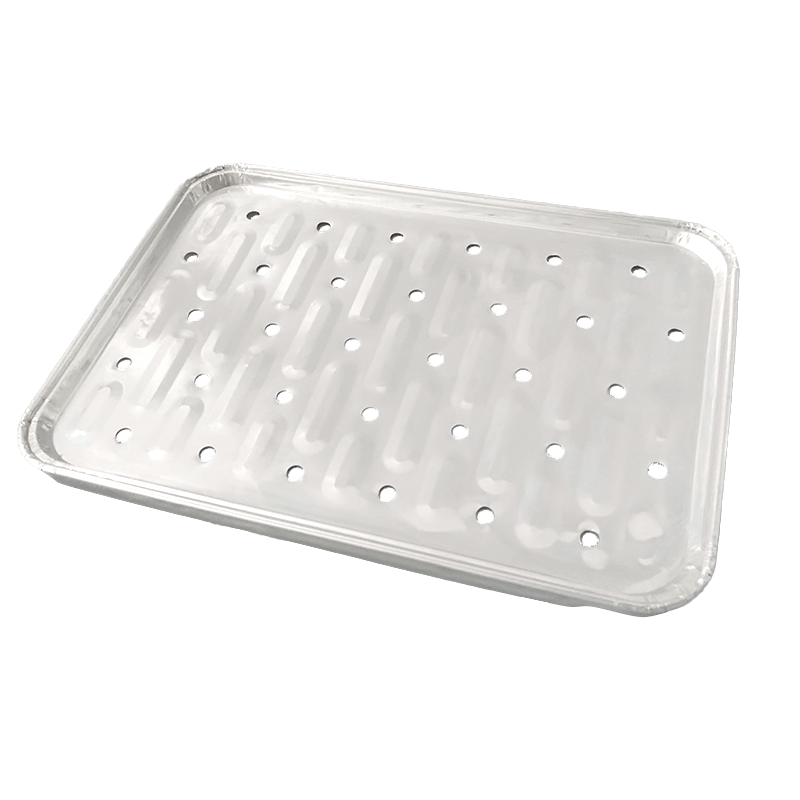
The main product range includes aviation aluminum foil containers, barbecue pans, turkey pans, aluminum loaf pans, and a variety of other aluminum foil container formats. Several automatic production lines and molds support consistent output across these product lines, backed by an in house design team, manufacturing facilities and a dedicated sales and service group.
| Indicator | Approximate Figure | Description |
|---|---|---|
| Industry Experience | 10 years | Years operating in aluminum foil container production |
| Manufacturing Facilities | 50+ | Supports distribution and production reach |
| Workforce | 14000+ | Employees supporting production and service |
The company works under a principle of sincerity and integrity in serving customers at home and abroad, aiming for outcomes that work well for both sides of a partnership. Buyers reviewing a potential aluminum foil tray supplier often look at these same points, production breadth, mold variety and team scale, as a general indicator of how a partner might support both sample requests and larger repeat orders.
Frequently Asked Questions
Q1: Can aluminum foil trays go in the microwave?Aluminum foil containers are not suited for microwave ovens because the metal reflects microwave energy and can cause arcing inside the appliance. They perform well in conventional and convection ovens instead. |
Q2: Can aluminum foil go in a convection oven?Yes. These containers generally perform reliably in convection ovens since the metal conducts heat evenly across the base and holds its shape at typical baking and roasting temperatures. |
Q3: Can aluminum foil be recycled?Aluminum is a recyclable metal, and foil containers can generally be collected and reprocessed through metal recycling streams once food residue has been rinsed off. |
Q4: Is aluminum foil better than plastic?The two materials suit different needs. Foil containers offer stronger oven heat resistance and metal recyclability, while plastic is often chosen for microwave use, so the choice depends on how the container will be used. |
Q5: Which thickness is best?The right gauge depends on food weight and cooking method. Lighter portions suit thinner gauges, while catering and roasting pans generally benefit from heavier gauges that resist bending when filled. |
Q6: What sizes are available?Aluminum foil containers come in a wide size range, from small individual portion cups to large catering and roasting pans, allowing buyers to match capacity to menu portions. |
Q7: What food can be packed?These containers commonly hold baked goods, roasted meats, prepared meals and side dishes across takeaway, catering and meal prep settings. |
Q8: Can aluminum foil be frozen?Aluminum foil containers generally tolerate freezer temperatures well and can move from freezer storage into an oven for reheating without switching containers. |
Q9: Can aluminum trays hold liquids?Standard aluminum foil trays can hold sauces, soups and moist dishes for typical serving and transport periods, particularly when paired with a matching lid to reduce spillage. |
|
Choose AiKang for Top-Quality
Aluminum Foil Products
Explore Our
Featured Products

Ningbo Aikang Aluminum Foil Technology Co., Ltd, based in Ningbo, produces eco-friendly disposable aluminum foil products. They prioritize quality and customer satisfaction, serving the global market with innovative packaging solutions.


Quick Links
Contact
-
 No. 5 Yongxing East Road, Fengshan Street, Yuyao City, Zhejiang Province, China
-
 Tel: +86-15867468784
-
 E-mail: [email protected]
Send Us A Message
