
 English
 日本語
日本語 عربى
عربى Español
-
 01
01
Is Aluminum Foil Tableware Safe for Cooking?
Industry News-Yes, aluminum foil tableware is safe for cooking and food storage when used correctly. Approved by food safety authorities including the FDA and EFSA, aluminum foil food containers are widely used in aviation catering, restaurant takeout, and home baking. The key is to understand their optimal use conditions and avoid a few specific scenarios — such as highly acidic or alkaline foods in direct prolonged contact — to get the safest, most effective results.
Content
- 1 What Is Aluminum Foil Tableware?
- 2 Is Aluminum Foil Safe? Understanding the Science
- 3 Best Uses for Aluminum Foil Food Containers
- 4 Key Advantages of Disposable Aluminum Baking Trays
- 5 Practical Safety Guidelines for Using Aluminum Foil Tableware
- 6 Comparing Aluminum Foil Containers to Other Disposable Packaging
- 7 How to Choose Quality Aluminum Foil Food Containers
- 8 About Ningbo Aikang Aluminum Foil Technology Co., Ltd.
- 9 Frequently Asked Questions
What Is Aluminum Foil Tableware?
Aluminum foil tableware refers to containers, trays, pans, and plates made from food-grade aluminum foil, typically ranging from 0.03 mm to 0.20 mm in thickness. These products are manufactured by stamping or pressing aluminum sheets into various shapes designed for cooking, baking, storage, and serving.
Common product categories include:
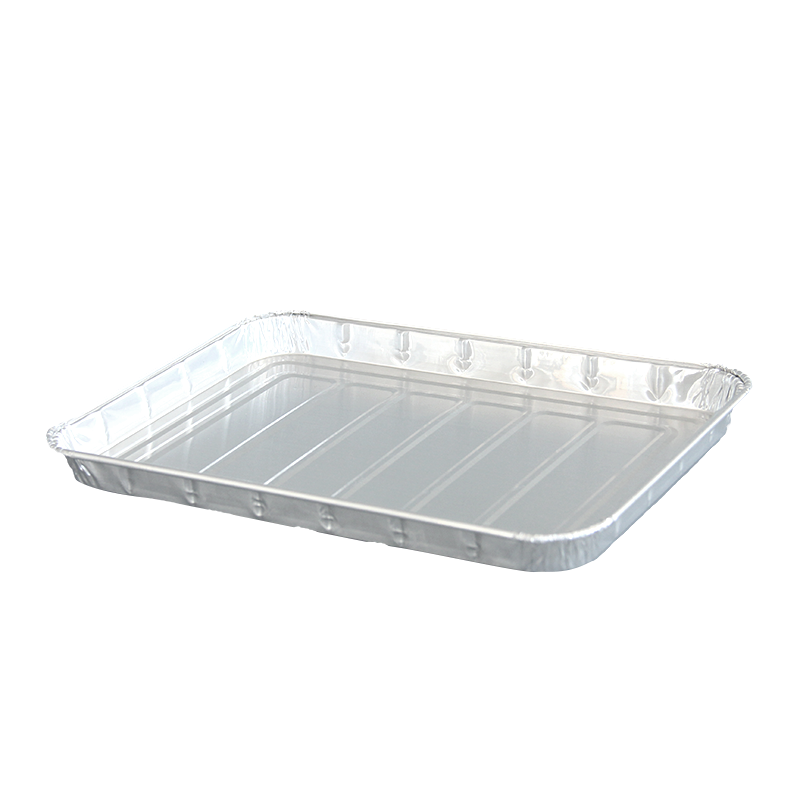
- Disposable Aluminum Baking Trays for cakes, bread, and roasted meats
- Aviation aluminum foil containers for airline meals
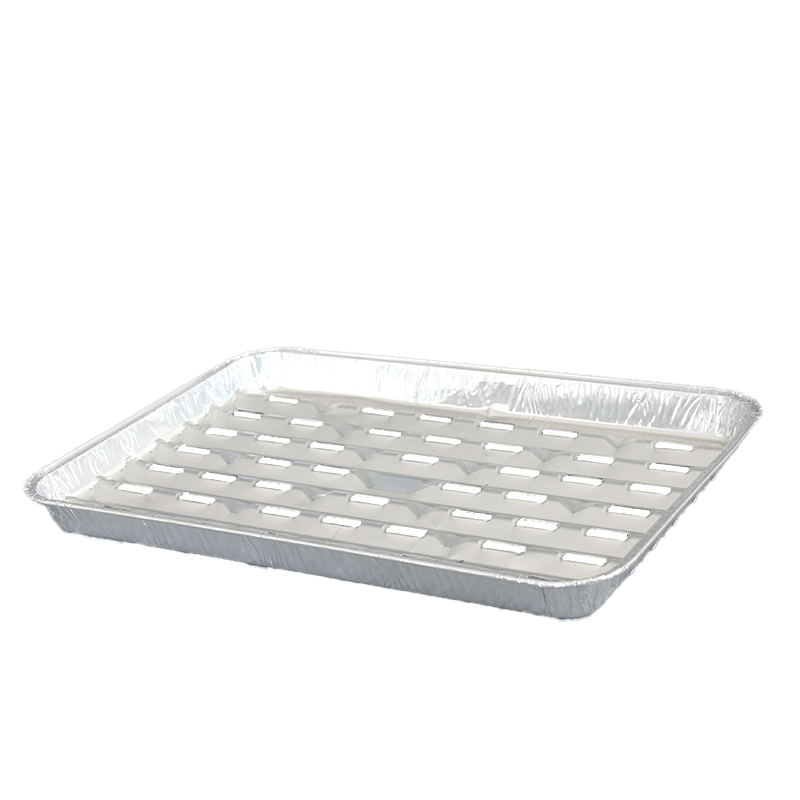
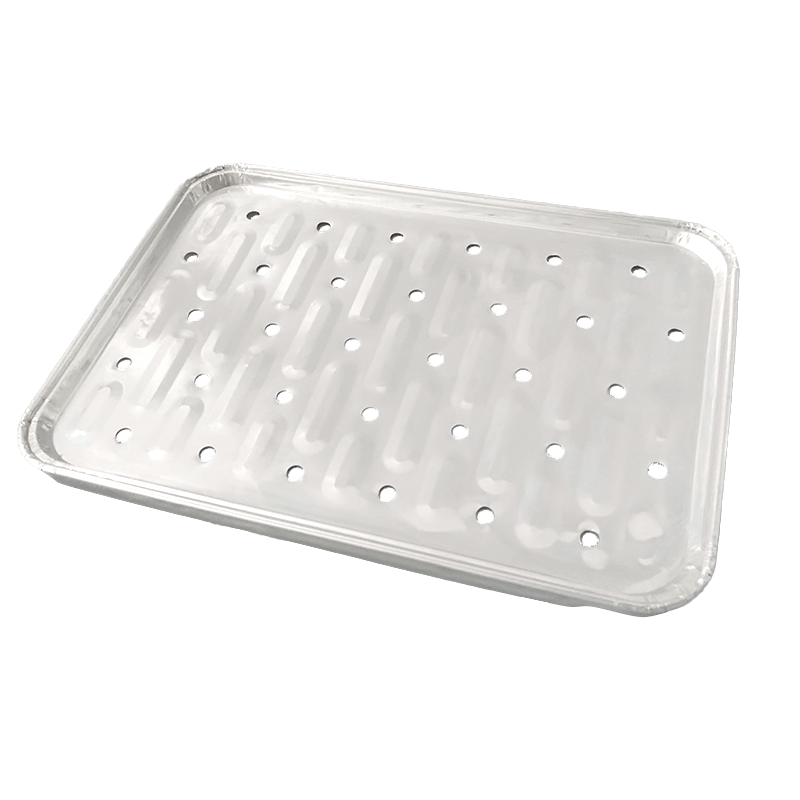
- Barbecue pans and grill trays for outdoor cooking
- Turkey pans and large roasting vessels for festive meals
- Aluminum loaf pans for bread and meatloaf baking
The global market for aluminum foil food containers has been growing steadily. According to industry reports, the global aluminum foil packaging market was valued at approximately USD 4.8 billion in 2023 and is projected to reach over USD 6.5 billion by 2030, driven by growing demand in foodservice, e-commerce delivery, and convenience cooking.
Global Aluminum Foil Packaging Market Size (USD Billion)
$3.9B
2020
$4.2B
2021
$4.5B
2022
$4.8B
2023
$5.4B
2026*
$6.5B
2030*
* Projected values | Lighter bars indicate forecast
Is Aluminum Foil Safe? Understanding the Science
Aluminum is the third most abundant element on Earth and one of the most thoroughly studied food-contact materials. Regulatory bodies including the U.S. Food and Drug Administration (FDA), the European Food Safety Authority (EFSA), and the World Health Organization (WHO) have all reviewed aluminum's safety profile in food applications.
The WHO established a tolerable weekly intake (TWI) of 2 mg of aluminum per kilogram of body weight. For a 70 kg adult, this equals 140 mg per week. Studies show that typical dietary aluminum exposure from all food sources — including naturally occurring aluminum in vegetables, grains, and drinking water — is well below this threshold for most people.
Aluminum Migration: When Does It Occur?
Small amounts of aluminum can migrate into food under certain conditions. Research published in food science journals identifies the key factors:
- High acidity: Foods with pH below 4 (tomatoes, citrus, vinegar-based marinades) increase migration rates
- High alkalinity: Baking soda or alkaline ingredients can slightly elevate migration
- High temperature: Cooking above 200°C (392°F) for extended periods
- Long contact time: Marinating acidic foods for over 24 hours
- Salt content: High-salt foods combined with acidic ingredients
For standard baking, roasting, and food storage of neutral foods, aluminum migration remains far below the WHO safety threshold and poses no concern for healthy adults.
Best Uses for Aluminum Foil Food Containers
Aluminum foil food containers excel in a wide range of cooking and food-handling applications. Here is a practical overview of the most effective uses:
| Application | Recommended Product | Temperature Range | Notes |
|---|---|---|---|
| Baking bread & cakes | Aluminum Loaf Pan / Baking Tray | 150–220°C | Excellent heat distribution |
| Roasting turkey & poultry | Turkey Pan / Large Roasting Tray | 180–230°C | Ideal for festive cooking |
| Outdoor BBQ grilling | Barbecue Pan / Grill Tray | Up to 260°C | Prevents food from falling through grill |
| Airline & catering meals | Aviation Foil Container | -40°C to 220°C | Freezer-to-oven safe |
| Food delivery & takeout | Aluminum Foil Food Container | Cold storage to reheating | Maintains food temperature during transport |
Key Advantages of Disposable Aluminum Baking Trays
Disposable Aluminum Baking Trays offer a compelling combination of performance and convenience that has made them a go-to choice in both professional kitchens and home cooking.
Superior Thermal Properties
Aluminum has a thermal conductivity of approximately 237 W/m·K, significantly higher than glass (1.0 W/m·K) or ceramic (1.7 W/m·K). This means food heats and cools more quickly and evenly, reducing hot spots and improving baking consistency. A roast that might take 90 minutes in a glass dish can achieve better browning in an aluminum tray in the same timeframe.
Lightweight and Convenient
A standard full-size aluminum baking tray weighs approximately 60–80 grams, compared to 1.5–2.5 kg for a comparable glass or ceramic dish. This lightweight nature makes aluminum foil tableware ideal for large events, catering services, and situations where cleanup time needs to be minimized.
Temperature Versatility
High-quality aluminum foil food containers handle a remarkable temperature range:
- Freezing: Safe to -40°C for long-term food storage
- Refrigeration: Ideal for meal prep storage at 4°C
- Conventional oven: Up to 220–260°C depending on gauge
- Toaster oven: Fully compatible at standard temperatures
Important note: Aluminum foil containers should never be used in microwave ovens due to the risk of arcing from metal in a microwave environment.
Recyclability
Aluminum is infinitely recyclable without loss of quality. Recycling aluminum requires only about 5% of the energy needed to produce new aluminum from raw ore. This makes aluminum foil tableware one of the most environmentally responsible disposable packaging options when properly collected and recycled.
Practical Safety Guidelines for Using Aluminum Foil Tableware
Following these evidence-based guidelines ensures that you get maximum performance and safety from your aluminum foil food containers:
- Avoid prolonged contact with highly acidic foods. Tomato-based sauces, citrus marinades, or vinegar dressings should not be stored in aluminum containers for more than a few hours.
- Do not use in microwave ovens. Always transfer food to a microwave-safe container before microwaving.
- Choose the right thickness for the task. Heavier-gauge trays (0.10 mm+) are suitable for roasting large cuts of meat; thinner trays are ideal for light baking or storage.
- Use food-grade certified products. Look for containers that comply with FDA, LFGB (Germany), or EN 601/602 European standards.
- Handle with care when hot. Use oven mitts and support the base of the container, as thin aluminum trays can flex when full and hot.
- Recycle after single use. Rinse containers lightly and place in the appropriate recycling stream to close the material loop.
Comparing Aluminum Foil Containers to Other Disposable Packaging
To help you make informed purchasing decisions, here is a comparison of aluminum foil tableware with common alternative materials:
| Feature | Aluminum Foil | Plastic (PP/PET) | Paper/Cardboard | Styrofoam (EPS) |
|---|---|---|---|---|
| Oven-safe | Yes (up to 260°C) | Limited (PP to ~120°C) | No | No |
| Freezer-safe | Yes (-40°C) | Yes | Limited | Yes |
| Recyclable | Yes (infinitely) | Limited | Yes | Rarely in practice |
| Microwave-safe | No | Depends on grade | Yes | No |
| Heat conductivity | Excellent | Poor | Poor | Very Poor |
| Food safety rating | High (FDA/EFSA approved) | Medium (BPA concerns) | High | Low (banned in many countries) |
How to Choose Quality Aluminum Foil Food Containers
Not all aluminum foil food containers are manufactured to the same standard. When selecting products for food use, look for these quality indicators:
- Food-grade aluminum alloy: Look for alloys 8011 or 3003, which are specifically developed for food contact applications
- Certified manufacturing: ISO 9001 quality management and HACCP food safety certification are positive signals
- Appropriate thickness: Verify the foil gauge matches your intended use (light baking vs heavy roasting)
- Smooth, uniform surface: No visible cracks, pinholes, or rough edges that could compromise structural integrity
- Crimped and reinforced rims: Strengthened edges prevent tray deformation under heavy loads or high heat
- Compliance labeling: Products meeting EU EN 601/602 or U.S. FDA 21 CFR standards should be clearly indicated
About Ningbo Aikang Aluminum Foil Technology Co., Ltd.
Ningbo Aikang Aluminum Foil Technology Co., Ltd. is a professional China aluminum foil container manufacturer and Aluminum Foil Tableware Factory, located in Haishu District, Ningbo — one of the most important port cities in China. The company is committed to the design, development, and production of environmentally responsible disposable aluminum foil products, providing practical and advanced packaging solutions to meet the dynamic demands of global markets.
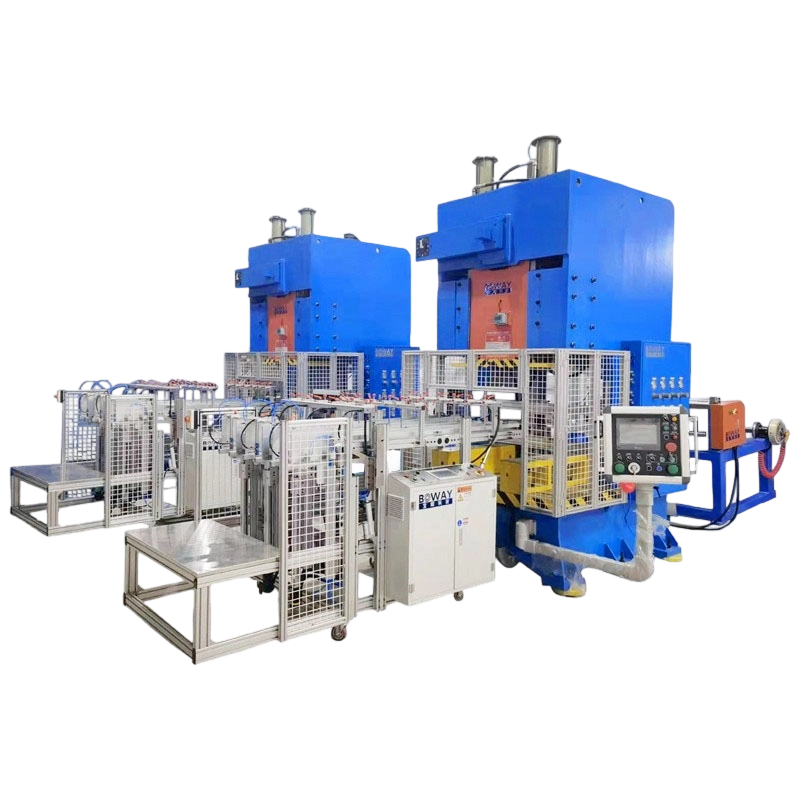
The main product range includes aviation aluminum foil containers, barbecue pans, turkey pans, aluminum loaf pans, and a wide variety of Disposable Aluminum Baking Trays and aluminum foil food containers. Aikang has developed multiple automatic production lines and precision molds to ensure consistent quality and extensive product diversity.
Equipped with a professional design team, advanced manufacturing facilities, and a dedicated sales and service organization, Aikang has positioned itself as a top-tier enterprise in China's aluminum foil packaging industry. The company upholds the principle of "sincerity and integrity" in all operations, delivering exceptional products and service to customers both domestically and internationally — with the shared goal of building lasting, mutually beneficial partnerships.
Frequently Asked Questions
Yes. Aluminum foil food containers are fully compatible with conventional and convection ovens. They can typically withstand temperatures up to 220–260°C depending on the foil gauge. They are not suitable for microwave ovens, as metal can cause arcing in a microwave environment.
For short-term use (a few hours), it is generally safe. However, prolonged storage of highly acidic foods (tomatoes, citrus, vinegar-based dishes) in aluminum containers is not recommended, as acidity can slightly increase aluminum migration into food. For extended storage of acidic foods, glass or food-grade plastic containers are a better choice.
Yes. Aluminum is one of the most recyclable materials available — it can be recycled infinitely without quality degradation. After use, simply rinse the tray to remove food residue and place it in your local metal recycling bin. Recycling aluminum uses only about 5% of the energy required to produce new aluminum from raw ore.
Standard aluminum foil containers use thinner gauge foil (typically 0.03–0.06 mm) and are suited for light baking, food storage, and takeout. Heavy-duty containers use thicker foil (0.08–0.20 mm) and feature reinforced rims, making them appropriate for roasting large cuts of meat, high-temperature cooking, and applications requiring structural rigidity when heavily loaded.
Yes. This is one of the most practical advantages of aluminum foil food containers. They are safe from freezing temperatures as low as -40°C all the way up to oven cooking temperatures, making them ideal for meal prep, cook-freeze-reheat workflows, and catering operations. Allow frozen containers to stand at room temperature for a few minutes before placing in a very hot oven to reduce thermal shock.
Choose AiKang for Top-Quality
Aluminum Foil Products
Explore Our
Featured Products

Ningbo Aikang Aluminum Foil Technology Co., Ltd, based in Ningbo, produces eco-friendly disposable aluminum foil products. They prioritize quality and customer satisfaction, serving the global market with innovative packaging solutions.


Quick Links
Contact
-
 No. 5 Yongxing East Road, Fengshan Street, Yuyao City, Zhejiang Province, China
-
 Tel: +86-15867468784
-
 E-mail: [email protected]
Send Us A Message
