
 English
 日本語
日本語 عربى
عربى Español
-
 01
01
How Heat Resistant Is Aluminum Foil Tableware?
Industry News-Direct answer: Aluminum foil tableware is highly heat resistant for everyday cooking and food service applications. Pure aluminum melts at 660°C (1,220°F), while food-grade aluminum foil containers are rated for continuous oven use up to 400°F (204°C) and can withstand brief exposure up to 650°F (343°C) without structural failure. For standard baking, roasting, reheating, and takeaway packaging, aluminum foil tableware handles the full range of temperatures encountered in domestic and commercial food preparation.
Content
- 1 The Thermal Properties of Aluminum: Why It Performs So Well With Heat
- 2 Oven Safe Aluminum Foil Tableware Containers: Temperature Limits and Practical Use
- 3 Foil Gauge and Alloy: How Container Construction Affects Heat Performance
- 4 Eco Friendly Aluminum Foil Tableware Recyclable Packaging: The Sustainability Case
- 5 Aluminum Foil Tableware for Takeaway Food Packaging: Performance Under Transport Conditions
- 6 Safe Use Guidelines: What to Avoid With Aluminum Foil Tableware
- 7 About Ningbo Aikang Aluminum Foil Technology Co., Ltd.
- 8 Frequently Asked Questions
The Thermal Properties of Aluminum: Why It Performs So Well With Heat
Aluminum foil tableware owes its heat resistance to the physical properties of aluminum as a metal. With a melting point of 660°C, aluminum maintains its structural integrity at temperatures far above any cooking or food service application. Unlike plastics — which soften, warp, or release chemical compounds at elevated temperatures — aluminum undergoes no phase change and no chemical decomposition within the temperature range of any conventional oven or food warming environment.
Aluminum also has exceptional thermal conductivity: approximately 205 W/m·K at room temperature, compared to 0.1–0.5 W/m·K for most ceramics and glass bakeware. This means heat transfers rapidly and evenly from the oven environment through the foil container walls to the food, reducing hot spots, promoting even cooking, and shortening cooking times compared to thicker, lower-conductivity materials.
The combination of high melting point, stable chemical structure at cooking temperatures, and excellent thermal conductivity makes aluminum the material of choice for both professional catering and household food preparation where heat performance and safety are simultaneously required.
Oven Safe Aluminum Foil Tableware Containers: Temperature Limits and Practical Use
Oven safe aluminum foil tableware containers are designed and tested for use across the full temperature range of conventional home and commercial ovens. Understanding the specific temperature performance parameters helps users apply them correctly and safely.
Continuous Use Temperature Range
Food-grade aluminum foil containers for oven use are manufactured from alloys — typically 1100, 3003, or 8011 series aluminum — that maintain structural rigidity and shape stability during cooking. The continuous safe use temperature for these containers is up to 400°F (204°C), which covers the vast majority of baking, roasting, and reheating applications. This includes:
- Baking cakes, muffins, and pastries (typically 325–375°F / 163–190°C)
- Roasting poultry and meat (typically 325–400°F / 163–204°C)
- Reheating prepared meals and catering trays (typically 300–375°F / 149–190°C)
- Baking fish and vegetables en papillote (typically 350–400°F / 177–204°C)
High-Temperature and Broiler Use
At temperatures above 400°F (204°C) — such as broiling or high-heat roasting at 450–500°F (232–260°C) — aluminum foil containers remain structurally sound but may darken slightly on the outer surface. This discoloration is cosmetic and does not affect food safety. The container walls may become more flexible at these temperatures, so handling with oven mitts and support from a baking sheet is recommended to prevent accidental spillage of hot liquids or fats.
For broiler use at temperatures above 500°F (260°C), position the container at a sufficient distance from the heating element — at least 3 inches (7.5 cm) — to prevent direct radiant heat concentration on any single area of the foil surface, which can cause localized thinning in very thin gauge foil.
Aluminum Foil Tableware Heat Resistance vs Common Cooking Temperatures (°F)
| Cooking Method | Typical Temp Range | Aluminum Foil Container Suitable? | Notes |
|---|---|---|---|
| Baking (cakes, muffins) | 325–375°F (163–190°C) | Yes | Ideal; even heat distribution |
| Roasting (poultry, meat) | 325–400°F (163–204°C) | Yes | Use deeper gauge containers for liquids |
| Reheating meals | 300–375°F (149–190°C) | Yes | Standard catering reheat application |
| High-heat roasting | 425–475°F (218–246°C) | Yes, with care | Support on baking sheet; use oven mitts |
| Broiling / grilling | 500–550°F (260–288°C) | With precautions | Keep 3" from element; use heavier gauge |
| Microwave oven | N/A (microwave energy) | No | Metal reflects microwaves; transfer to microwave-safe dish |
Foil Gauge and Alloy: How Container Construction Affects Heat Performance
Not all aluminum foil tableware performs identically at high temperatures. The gauge (thickness) of the foil and the alloy composition both influence how a container behaves under thermal stress, and understanding these variables helps in selecting the right container for a specific cooking application.
Foil Gauge and Structural Stability
Food-grade aluminum foil containers are manufactured in gauges typically ranging from 40 to 100 microns (0.04 to 0.10 mm) for standard disposable tableware and up to 200 microns (0.20 mm) for heavy-duty roasting trays and airline catering containers. Thicker gauge containers maintain their shape better at high temperatures and when filled with heavy or liquid-rich foods. For oven roasting applications involving significant liquid volume — such as a full turkey or a liquid-heavy casserole — a minimum 80-micron container with a reinforced rim is recommended to prevent buckling and accidental spillage.
Alloy Series and Food Safety
Food-grade aluminum foil containers use specific alloy series that comply with food contact regulations. The most common are:
- 1100 series (99%+ pure aluminum): Highest corrosion resistance, excellent formability. Used for standard food contact applications with both acidic and neutral foods.
- 3003 series (aluminum-manganese alloy): Higher strength than pure aluminum with retained corrosion resistance. Common in deeper gauge catering trays and aviation food service containers that must withstand repeated handling and high-temperature reheat cycles.
- 8011 series (aluminum with iron and silicon additions): High formability and barrier properties. Widely used for thin-gauge standard disposable foil containers.
All food-grade aluminum alloys used in tableware comply with FDA and EU food contact material regulations, which specify maximum migration limits for aluminum and any alloying elements into food under defined conditions of use including elevated temperature exposure.
Eco Friendly Aluminum Foil Tableware Recyclable Packaging: The Sustainability Case
Eco friendly aluminum foil tableware recyclable packaging represents one of the strongest environmental arguments for aluminum over plastic or composite food packaging. The recyclability of aluminum is a genuine differentiator — not a marketing claim — grounded in well-established material science and industrial recycling infrastructure.
Aluminum's Recycling Credentials
Aluminum is one of the most recyclable materials in widespread commercial use. Unlike many plastics, aluminum can be recycled indefinitely without loss of material quality. Recycled aluminum requires only 5% of the energy needed to produce primary aluminum from bauxite ore — a reduction in energy intensity that translates directly to a lower carbon footprint per kilogram of material in the recycled supply chain.
Global aluminum recycling rates for packaging are substantially higher than for plastic packaging. In Europe, the aluminum packaging recycling rate exceeds 75%, and for aluminum beverage cans specifically, it approaches 90% in several markets. Foil food containers, while currently recycled at lower rates than cans due to contamination from food residue, are fully recyclable when rinsed before disposal.
Comparison With Alternative Disposable Tableware
| Material | Recyclable? | Oven Safe? | Biodegradable? | Recycled Energy Use vs Primary |
|---|---|---|---|---|
| Aluminum foil | Yes (indefinitely) | Yes (up to 400°F+) | No | –95% energy saving |
| Plastic (PP/PET) | Partially (degrades) | Limited (<120°C) | No (centuries) | –30% energy saving |
| Paper / cardboard | Yes (if uncoated) | No | Yes (weeks to months) | –25% energy saving |
| Bagasse / sugarcane | Compostable | Limited (up to 200°F) | Yes (industrial compost) | N/A |
Rinsing aluminum foil containers before recycling is the single most impactful action consumers can take to improve foil recycling rates. Food residue contamination is the primary reason foil containers are rejected at recycling facilities — a 10-second rinse converts a non-recyclable contaminated item into a fully recoverable material stream.
Aluminum Foil Tableware for Takeaway Food Packaging: Performance Under Transport Conditions
Aluminum foil tableware for takeaway food packaging must perform across a different set of demands than oven cooking: heat retention during transport, leak resistance under movement, structural stability when stacked, and compatibility with food delivery lidding systems. Aluminum excels in all of these areas for hot food delivery applications.
Heat Retention During Food Delivery
Aluminum's high thermal conductivity, which accelerates heat transfer in oven applications, also makes it an effective heat-retaining medium when insulated. A sealed aluminum foil container with a foil or cardboard lid retains heat significantly better than paperboard or plastic equivalents because the foil surface reflects radiant heat back toward the food rather than absorbing and re-radiating it outward. In controlled tests, hot food in sealed aluminum containers maintained temperatures within the safe hot-holding range above 60°C for approximately 30 to 45 minutes under ambient conditions — adequate for most urban delivery windows.
Leak and Structural Performance
Aluminum foil containers used in takeaway applications are typically produced with double-folded or crimped rim edges that provide structural rigidity and a positive seal surface for compatible lids. This construction resists deformation under the pressure of stacking multiple containers in a delivery bag, prevents leakage of sauces and liquid-rich dishes during vehicle transport, and allows the container to be reheated by the recipient without transferring to additional cookware.
Lid and Sealing Options
Standard aluminum foil takeaway containers are compatible with three lid types, each suited to different applications:
- Aluminum foil board lids: Rigid, ovenable lid that allows the customer to reheat the entire package without opening. The lid snaps onto the container rim and can be heat-sealed for tamper-evident delivery.
- Crimped foil lids: Heat-sealable foil film for airline catering and portion-controlled delivery. Provides the most secure seal for liquid-rich foods during transit.
Safe Use Guidelines: What to Avoid With Aluminum Foil Tableware
While aluminum foil tableware is highly heat resistant and versatile, a few specific use conditions should be avoided to maintain both safety and product performance.
- Microwave ovens: Metal reflects microwave radiation and causes arcing. Never use aluminum foil containers in a microwave oven. Transfer contents to a microwave-safe glass or ceramic dish for microwave reheating.
- Highly acidic foods during prolonged storage: Extended contact (more than 24 hours) between acidic foods — such as tomato-based sauces or citrus marinades — and aluminum can cause minor surface dissolution, resulting in a slightly metallic taste. For short-duration cooking and immediate serving, this is not a significant concern. For prolonged marinating or storage of acidic foods, use a lined or coated container.
- Direct flame contact: Aluminum foil containers should not be placed directly over an open gas flame without a heat diffuser. Direct flame creates localized temperatures that exceed safe foil gauge limits and can cause the container to burn through at the base.
- Induction cooktops: Aluminum is not ferromagnetic and does not work on induction hobs. For stovetop applications, conventional gas or electric hob use with a suitable pot or pan is required.
About Ningbo Aikang Aluminum Foil Technology Co., Ltd.
Manufacturer Profile
Ningbo Aikang Aluminum Foil Technology Co., Ltd. is a professional China aluminum foil container manufacturer and aluminum foil tableware factory, located in Haishu District, Ningbo — one of China's most important international port cities. The company is dedicated to the design, development, and production of environmentally responsible disposable aluminum foil products, providing practical and advanced packaging solutions to meet the evolving demands of global markets.
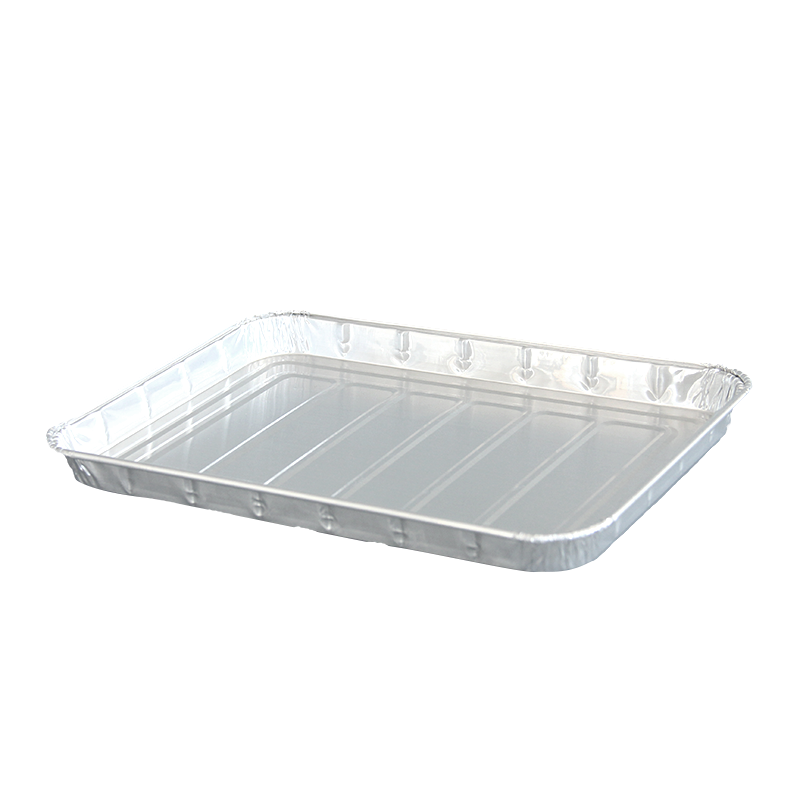
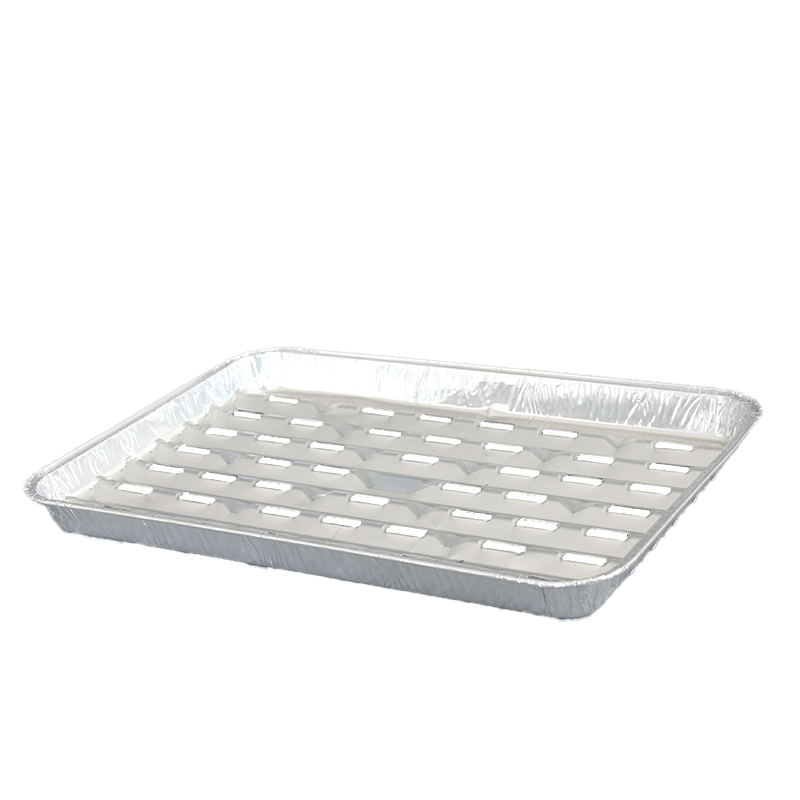
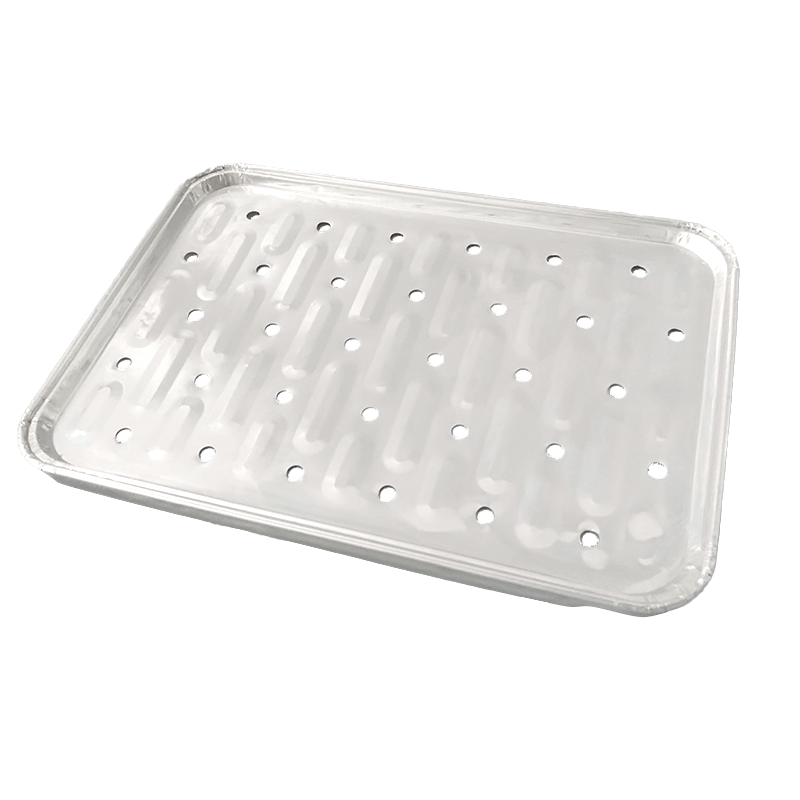
The core product range encompasses aviation aluminum foil containers, barbecue pans, Turkey pans, aluminum loaf pans, and a wide variety of aluminum foil containers for food service, catering, and retail packaging applications. Aikang operates several automatic production lines supported by purpose-built molds, ensuring consistent product quality and the breadth of container specifications required to serve diverse customer requirements.
With professional design capability, advanced manufacturing facilities, and a dedicated sales and service team, Aikang has positioned itself among the leading enterprises in the Chinese aluminum foil container industry. Operating under the principle of "sincerity and integrity," the company is committed to delivering the best products and service to customers both domestically and internationally, building long-term cooperative partnerships based on consistent quality and reliability.
Haishu
Ningbo, China
Auto Lines
Production Technology
Aviation+
Full Product Range
Global
Export Markets
Frequently Asked Questions
Yes, with appropriate precautions. Oven safe aluminum foil tableware containers can withstand 450°F (232°C) without structural failure. At this temperature, use a heavier gauge container (80 microns or above), place it on a solid baking sheet for support, and handle with oven mitts as the foil becomes very hot. Avoid positioning the container directly beneath the broiler element at this temperature — maintain at least 3 inches of clearance from any radiant heat source operating above 500°F.
For cooking and serving acidic foods over normal meal preparation and service durations — typically under 2 hours — aluminum foil containers are safe and compliant with food contact regulations. The minor surface dissolution that can occur with prolonged storage of highly acidic foods is within the migration limits set by FDA and EU food contact regulations. For marinating acidic foods over many hours or overnight storage, transfer to glass or ceramic to be cautious, though the safety margins under standard use conditions are well within regulatory thresholds.
To recycle eco friendly aluminum foil tableware recyclable packaging effectively: rinse containers with water to remove food residue, as contamination is the primary reason foil is rejected at recycling facilities; flatten containers to save space; and place in the designated metal recycling stream per your local authority's guidelines. In many jurisdictions, aluminum foil containers go in the same stream as aluminum cans. Scrunching foil into a ball before recycling can also prevent thin foil from being lost in sorting processes at recycling facilities.
Yes — this is one of the key advantages of aluminum foil tableware for takeaway food packaging over plastic alternatives. Customers can place the sealed aluminum container directly into a conventional oven at standard reheating temperatures (300–375°F / 149–190°C) without transferring the food. Remove any plastic lid before oven reheating and replace with the foil board lid if provided, or cover with a piece of aluminum foil. This eliminates an extra washing step for the customer and reduces food handling, maintaining food quality and safety through the entire cold chain from kitchen to consumption.
The primary difference is foil gauge (thickness). Standard aluminum foil containers for individual portion use are typically manufactured at 40 to 60 microns, providing adequate strength for single-use food service but requiring careful handling when filled and hot. Heavy-duty containers — used for full roasting trays, catering pans, and aviation meal service — are manufactured at 80 to 200 microns, providing significantly greater rigidity, resistance to buckling under load, and stability when filled with liquid-rich or heavy foods at high oven temperatures. Heavy-duty containers also withstand repeated handling during catering service without deformation.
Under normal cooking conditions with most foods, aluminum foil tableware does not affect taste. The aluminum surface is essentially inert in contact with neutral or mildly acidic foods at cooking temperatures. The minor exception is highly acidic foods (tomato, citrus, vinegar-based) cooked for extended periods at high temperatures, where a faint metallic note is occasionally detectable — typically only by sensitive palates and only under prolonged exposure conditions. For standard recipes and cooking durations, no taste difference is noticeable, and aluminum foil containers are used in airline catering and professional food service worldwide precisely because they do not introduce off-flavors.
Choose AiKang for Top-Quality
Aluminum Foil Products
Explore Our
Featured Products

Ningbo Aikang Aluminum Foil Technology Co., Ltd, based in Ningbo, produces eco-friendly disposable aluminum foil products. They prioritize quality and customer satisfaction, serving the global market with innovative packaging solutions.


Quick Links
Contact
-
 No. 5 Yongxing East Road, Fengshan Street, Yuyao City, Zhejiang Province, China
-
 Tel: +86-15867468784
-
 E-mail: [email protected]
Send Us A Message
