
 English
 日本語
日本語 عربى
عربى Español
-
 01
01
How to Store and Transport Food Using Aluminum Foil Tableware?
Industry News-The answer is straightforward: aluminum foil tableware is one of the most reliable solutions for storing and transporting food, offering airtight sealing, thermal retention, and structural integrity across a wide range of conditions. Whether you're using disposable aluminum foil food containers for meal prep, takeout, or large-scale catering, understanding best practices ensures your food stays safe, fresh, and presentation-ready from kitchen to table.
This guide covers everything you need to know — from choosing the right container type to safe stacking, sealing, reheating, and food safety fundamentals.
Content
- 1 Why Aluminum Foil Tableware Is Ideal for Food Storage and Transport
- 2 Choosing the Right Aluminum Foil Container for Your Needs
- 3 How to Store Food in Aluminum Foil Tableware Correctly
- 4 Best Practices for Transporting Food in Aluminum Foil Containers
- 5 Using Heavy Duty Aluminum Foil Trays for Baking and Large-Scale Events
- 6 Food Safety Guidelines When Using Aluminum Foil Tableware
- 7 Environmental and Practical Benefits of Disposable Aluminum Foil Containers
- 8 About Ningbo Aikang Aluminum Foil Technology Co., Ltd.
- 9 Frequently Asked Questions
Why Aluminum Foil Tableware Is Ideal for Food Storage and Transport
Aluminum foil containers offer a unique combination of properties that make them superior to many alternatives for food storage and transport:
- Thermal conductivity: Aluminum distributes heat evenly, which means food reheats uniformly — no cold spots.
- Barrier properties: Aluminum naturally blocks light, oxygen, and moisture, extending food freshness by up to 3–5 times compared to open storage.
- Structural strength: Heavy duty aluminum foil trays for baking and transport can hold dense foods like roasted meats, casseroles, and layered dishes without warping.
- Food safety compliance: Food-grade aluminum foil containers are non-toxic and do not react with neutral pH foods under normal storage temperatures.
- Convenience: Lightweight, stackable, and disposable — ideal for catering, meal delivery, and food prep services.
According to industry data, the global disposable aluminum foil container market is growing at a CAGR of approximately 5.2% from 2023 to 2030, largely driven by the rise of food delivery services and demand for sustainable single-use packaging.
Global Aluminum Foil Container Market Share by Application (%)
Food Delivery
Catering & Events
Home Cooking
Airline / Aviation
Other
Figure 1: Market share of aluminum foil containers by end-use application (estimated, 2024)
Choosing the Right Aluminum Foil Container for Your Needs
Not all aluminum foil containers are the same. Matching the container to your specific food type and use case is the first step to effective storage and transport.
| Container Type | Best For | Key Feature | Lid Option |
|---|---|---|---|
| Standard Foil Tray | Roasting, baking | Even heat distribution | Cardboard / foil lid |
| Aluminum Foil Takeaway Containers With Lids | Delivery, meal prep | Leak-resistant, stackable | Snap-on foil lid |
| Deep Dish Foil Pan | Lasagna, casseroles | High wall depth | Foil cover wrap |
| Loaf Pan | Bread, meatloaf | Rigid shape retention | Optional wrap |
| Heavy Duty Aluminum Foil Trays For Baking | Turkey, large roasts | Extra thick gauge | Domed foil lid |
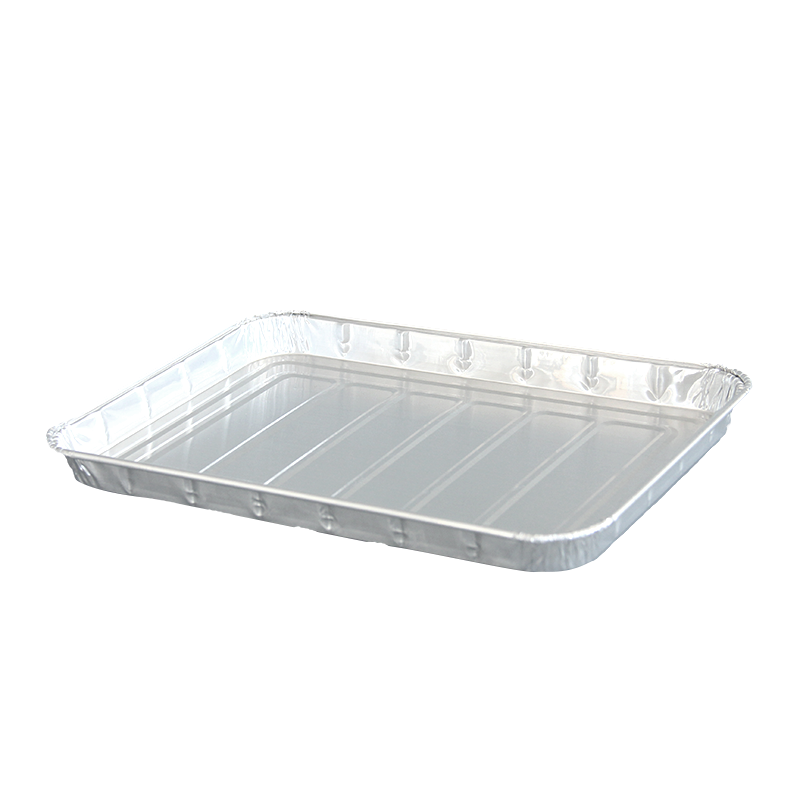
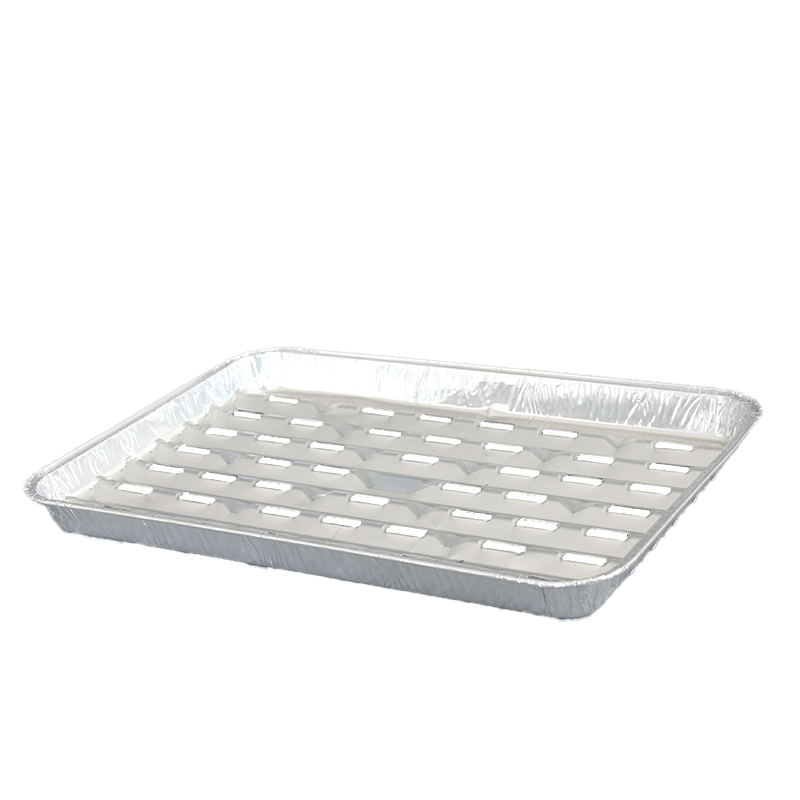
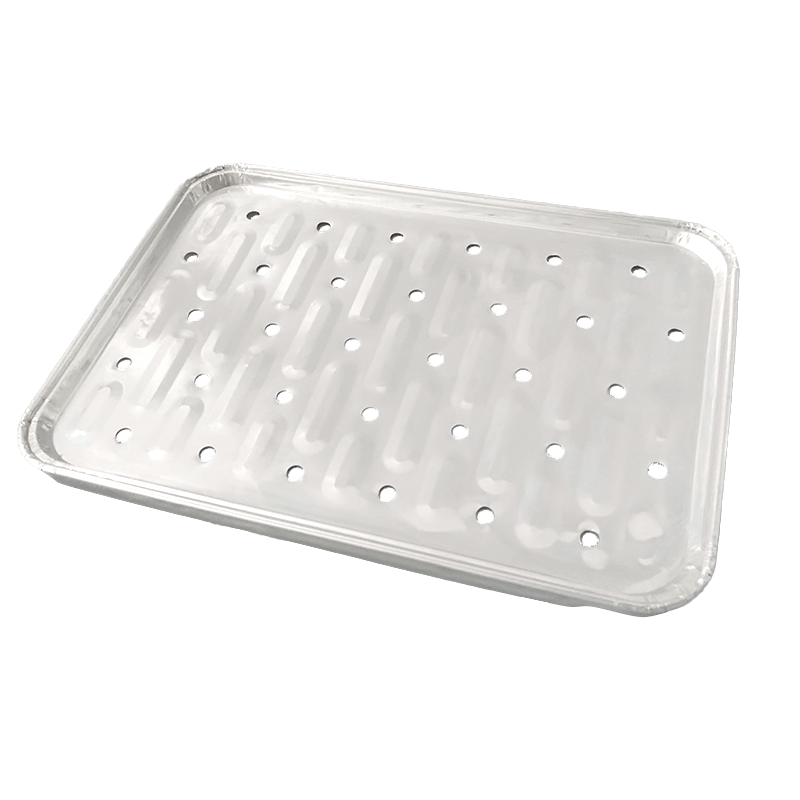
| BBQ / Grill Pan | Outdoor grilling, BBQ | High heat resistance | Open / wrap |
For food delivery businesses, aluminum foil takeaway containers with lids are the industry standard because they maintain internal temperature approximately 40% longer than plastic alternatives in independent thermal retention tests. The tight-fit lid prevents both spills and contamination during transit.
How to Store Food in Aluminum Foil Tableware Correctly
Proper storage technique maximizes both food safety and shelf life. Here are the key practices to follow:
Cool Food Before Sealing
Allow hot food to cool to below 60°C (140°F) before sealing and refrigerating. Placing extremely hot food directly into a sealed container traps steam, which increases condensation and accelerates bacterial growth. A 15–20 minute cooling window is generally sufficient for most cooked dishes.
Seal Properly to Prevent Contamination
Use the matching lid that comes with your disposable aluminum foil food containers. Press the lid edges firmly around the rim to create a tight seal. For containers without lids, cover with a piece of aluminum foil pressed closely against the food surface to minimize air exposure. Avoid loose covers that allow air circulation.
Refrigerator Storage Guidelines
- Store sealed foil containers at 4°C (40°F) or below
- Most cooked foods remain safe for 3–4 days in the refrigerator
- Raw meats sealed in foil containers can be stored for 1–2 days before cooking
- Label containers with the date of preparation to track freshness
- Do not store highly acidic foods (tomatoes, citrus-based sauces) in aluminum foil for more than 24 hours, as prolonged contact can affect taste
Freezer Storage
Aluminum foil containers are freezer-safe and perform exceptionally well at sub-zero temperatures. Frozen meals stored in heavy duty aluminum foil trays can maintain quality for 2–3 months. Double-wrapping with an outer layer of foil provides extra protection against freezer burn.
Best Practices for Transporting Food in Aluminum Foil Containers
Whether delivering a single meal or transporting food for a catering event, these practices protect food integrity during transit.
Stack Containers Efficiently
One major advantage of aluminum foil tableware is its stackability. When transporting multiple containers, stack them horizontally with lids secured. Place heavier items (dense meats, grain dishes) at the bottom and lighter dishes (salads, pastries) on top. Avoid stacking more than 5–6 containers high without a support rack, as excessive weight can deform lower containers.
Use Insulated Carriers for Temperature Control
Aluminum naturally retains temperature, but for journeys longer than 30 minutes, place foil containers inside an insulated bag or thermal carrier. Hot foods should remain above 60°C (140°F) and cold foods below 4°C (40°F) throughout transport. This is especially important for food safety compliance in commercial food delivery.
Prevent Spillage During Transit
- Use aluminum foil takeaway containers with lids that feature a crimped or snap-lock seal
- For liquid-heavy dishes (soups, stews), fill containers no more than 80% full to allow for movement
- Place containers in cardboard delivery boxes with dividers to prevent sliding
- Keep containers upright at all times — never transport on their sides
Food Temperature Retention: Aluminum Foil vs. Plastic (°C over 60 minutes)
Figure 2: Comparative temperature retention of aluminum foil vs. plastic containers over 60 minutes (illustrative data)
Using Heavy Duty Aluminum Foil Trays for Baking and Large-Scale Events
For catering operations, holiday cooking, or commercial kitchen use, heavy duty aluminum foil trays for baking provide industrial-level performance. These trays are manufactured with a thicker gauge (typically 80–150 microns) compared to standard foil containers (30–60 microns), making them suitable for:
- Whole turkey roasting (trays can typically support up to 15–20 kg)
- Oven temperatures up to 230°C (450°F) without structural deformation
- Transport of prepared meals for large events without requiring additional pans
- Direct-to-table service — reducing washing and saving significant time in high-volume settings
A notable practical example: professional caterers handling 200+ guest events often pre-prepare dishes in heavy-duty foil trays the day before, refrigerate overnight, then transport and reheat on-site — all in the same container. This eliminates the need for additional cookware and dramatically reduces prep time on event day.
Food Safety Guidelines When Using Aluminum Foil Tableware
Following established food safety principles ensures that aluminum foil containers protect rather than compromise your food.
The Temperature Danger Zone
Food should not remain in the temperature danger zone of 4°C–60°C (40°F–140°F) for more than 2 hours total. This applies regardless of the container type. Aluminum's thermal properties can help maintain safe temperatures longer, but they do not eliminate this time limit.
Avoiding Cross-Contamination
- Never reuse disposable aluminum foil containers for raw meat storage after they've held cooked food
- Keep raw and cooked food containers separate during transport
- Always wash hands before sealing containers
Microwave Safety Note
Do not use aluminum foil containers in conventional microwave ovens. Aluminum reflects microwave energy and can cause arcing. For reheating, transfer food to a microwave-safe dish, or use a conventional oven or toaster oven where foil containers perform excellently.
Environmental and Practical Benefits of Disposable Aluminum Foil Containers
A common misconception is that disposable aluminum foil food containers are environmentally harmful. In reality, aluminum is one of the most recyclable materials on earth. Recycled aluminum requires only 5% of the energy needed to produce new aluminum from raw materials. Many municipalities accept clean aluminum foil containers in curbside recycling programs.
- Recyclability rate: Aluminum containers have a global recycling rate of approximately 60–70%, significantly higher than most plastics
- Longevity in use: Many "disposable" foil trays can be washed and reused 3–5 times before disposal when handled carefully
- No leaching: Unlike certain plastics, aluminum foil does not leach chemicals or microplastics into food
- Weight efficiency: Aluminum containers are up to 50% lighter than equivalent glass or ceramic storage, reducing transport fuel consumption
About Ningbo Aikang Aluminum Foil Technology Co., Ltd.
Ningbo Aikang Aluminum Foil Technology Co., Ltd. is a professional China aluminum foil container manufacturer and Aluminum Foil Tableware Factory, located in Haishu District, Ningbo — one of China's most important port cities. The company is dedicated to the design, development, and production of environmentally friendly disposable aluminum foil products and provides practical, advanced packaging solutions tailored to the dynamic needs of today's market.
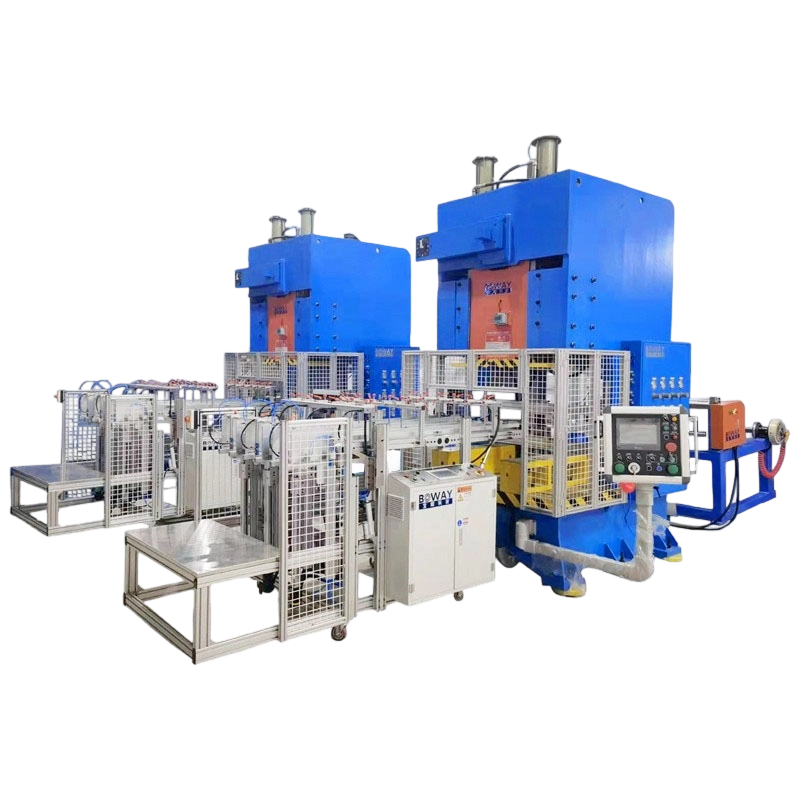
The main product range includes aviation aluminum foil containers, barbecue pans, Turkey pans, aluminum loaf pans, and a wide variety of other aluminum foil containers. Aikang operates several automated production lines with precision molds, ensuring consistent product quality and diversity at scale. With professional design capabilities, advanced manufacturing facilities, a rigorous quality assurance process, and a dedicated sales and service team, Aikang has established itself as a top-tier enterprise in China's aluminum foil packaging industry.
Upholding the core principle of "sincerity and integrity," Aikang is committed to delivering the best products and services to customers both domestically and internationally — with the goal of creating a mutually beneficial partnership. We welcome your visit and look forward to the opportunity to work together.
Frequently Asked Questions
Choose AiKang for Top-Quality
Aluminum Foil Products
Explore Our
Featured Products

Ningbo Aikang Aluminum Foil Technology Co., Ltd, based in Ningbo, produces eco-friendly disposable aluminum foil products. They prioritize quality and customer satisfaction, serving the global market with innovative packaging solutions.


Quick Links
Contact
-
 No. 5 Yongxing East Road, Fengshan Street, Yuyao City, Zhejiang Province, China
-
 Tel: +86-15867468784
-
 E-mail: [email protected]
Send Us A Message
