
 English
 日本語
日本語 عربى
عربى Español
-
 01
01
How Do Aluminum Foil Containers Improve Food Storage by 50%?
Industry News-Aluminum foil containers improve food storage efficiency by up to 50% compared to conventional plastic or paper alternatives — and that figure is backed by measurable advantages in thermal retention, moisture control, airtight sealing, and shelf life extension. Whether you're a food manufacturer, catering business, or household user, understanding how aluminum foil containers work is essential to making smarter packaging choices.
Content
- 1 Why Aluminum Foil Outperforms Other Food Packaging Materials
- 2 Thermal Efficiency: How Foil Locks In Heat and Cold
- 3 Disposable Aluminum Food Tray Containers: Reducing Waste Without Sacrificing Performance
- 4 Heavy Duty Foil Baking Containers: Precision for Professional Kitchens
- 5 Aluminum Foil Tableware: Bridging Convenience and Sustainability
- 6 Food Safety and Regulatory Compliance
- 7 Choosing the Right Aluminum Foil Container for Your Needs
- 8 Environmental Impact and Recyclability
- 9 Frequently Asked Questions
- 10 About Ningbo Aikang Aluminum Foil Technology Co., Ltd.
Why Aluminum Foil Outperforms Other Food Packaging Materials
The core advantage of aluminum foil as a food packaging medium lies in its unique physical properties. Aluminum is a natural barrier against light, oxygen, moisture, and bacteria — four of the primary factors responsible for food spoilage. Unlike plastic, which can leach chemicals at high temperatures, or paper, which absorbs grease and liquids, aluminum foil containers remain chemically stable across a wide temperature range from -40°C to over 220°C.
A study published by the European Aluminium Foil Association found that aluminum packaging can extend the shelf life of prepared meals by 35–50% compared to uncoated paper trays. For perishable foods such as meats, dairy-based dishes, and baked goods, this translates directly into reduced food waste and improved consumer safety.
| Property | Aluminum Foil Container | Plastic Container | Paper Tray |
|---|---|---|---|
| Oxygen Barrier | Excellent | Moderate | Poor |
| Heat Tolerance | Up to 220°C | Up to 120°C | Up to 100°C |
| Moisture Resistance | High | High | Low |
| Recyclability | 100% recyclable | Varies | Limited |
| Oven/Freezer Safe | Both | Freezer only | Neither |
Thermal Efficiency: How Foil Locks In Heat and Cold
One of the most cited reasons food service operators choose aluminum foil containers is their exceptional thermal conductivity. Aluminum has a thermal conductivity of approximately 205 W/m·K — roughly 1,000 times higher than most plastics. This means food heats more evenly and retains temperature significantly longer after removal from an oven or refrigerator.
For takeaway and delivery applications using Aluminum Foil Takeaway Meal Boxes, this thermal advantage is critical. Independent testing by food packaging consultancies has shown that meals packed in sealed foil trays arrive at customer locations 30–40% warmer than equivalent meals in foam or cardboard boxes, without the environmental footprint associated with expanded polystyrene.
Fig. 1 — Estimated heat retention performance across packaging types at 30 minutes post-packing
Disposable Aluminum Food Tray Containers: Reducing Waste Without Sacrificing Performance
Disposable Aluminum Food Tray Containers address a key operational need across restaurants, airlines, hospitals, and food manufacturers: hygienic, single-use packaging that does not compromise on durability or food safety. Unlike disposable plastic trays, aluminum trays are infinitely recyclable. Recycling aluminum uses just 5% of the energy required to produce virgin aluminum, making it one of the most resource-efficient materials in modern packaging.
From a practical standpoint, disposable foil trays eliminate cross-contamination risks associated with reusable containers in high-volume kitchens. They do not require washing cycles, reducing both water consumption and labor costs. Catering operations that have switched to foil trays report a 20–25% reduction in post-service cleaning time.
Key Application Scenarios
- Airline meal service — uniform portion sizing and stackable design reduce galley storage by up to 15%
- Hospital and institutional catering — non-reactive surface prevents flavor contamination from acidic foods
- Retail meal prep and deli counters — transparent lids allow visual inspection without opening
- Festival and outdoor catering — robust enough to handle serving, transport, and disposal in a single use
Heavy Duty Foil Baking Containers: Precision for Professional Kitchens
Heavy Duty Foil Baking Containers are specifically engineered for high-temperature baking applications where structural integrity matters. Standard foil trays may deform at temperatures above 180°C when holding dense or liquid-heavy contents, but heavy-duty variants — typically produced with a gauge of 80–100 microns — maintain their shape reliably up to 220°C.
Bakers and food manufacturers rely on consistent heat distribution to achieve uniform browning and internal temperature control. Aluminum's superior conductivity compared to glass (1.0 W/m·K) or ceramic (1.5 W/m·K) means baked goods develop more consistent crust formation and internal moisture retention. In commercial settings, this directly affects product quality consistency across batch production.
Common Heavy Duty Foil Baking Applications
- Roasting large cuts of meat including turkey pans for whole-bird roasting
- Aluminum loaf pans for bread, pound cake, and meatloaf production
- Lasagna and casserole baking with high liquid content
- Barbecue pans for outdoor cooking and catered events
Aluminum Foil Tableware: Bridging Convenience and Sustainability
Aluminum Foil Tableware encompasses a broader category that includes trays, plates, bowls, and serving dishes designed for both food preparation and presentation. This segment has seen strong growth in the food service industry as operators seek packaging that can move seamlessly from oven to table to recycling bin without requiring intermediate transfer of food to separate serving dishes.
From a consumer appeal perspective, foil tableware offers an attractive metallic finish that is perceived as premium compared to plastic alternatives. In the catering and event industry, this visual quality supports food presentation while maintaining the practical benefits of disposable packaging. Industry surveys indicate that 68% of event catering managers consider foil trays their preferred all-purpose serving solution for hot buffet and takeaway formats.
Fig. 2 — Estimated global aluminum food container market growth, 2019–2024 (USD Billion)
Food Safety and Regulatory Compliance
Aluminum foil containers used in food service must comply with established food safety standards. In most markets, this includes conformance to FDA regulations in the United States, EU Regulation No. 10/2011 on plastic materials (which also benchmarks metallic packaging), and GB/T standards in China governing food-contact materials.
Critically, aluminum does not migrate into food at detectable levels under normal cooking or storage conditions when containers are produced to specification. The World Health Organization's provisional tolerable weekly intake (PTWI) for aluminum is set at 2 mg per kilogram of body weight — a threshold that regular use of aluminum cookware and packaging does not approach under documented real-world usage patterns.
For acidic foods such as tomato-based products or citrus dishes, it is common practice to use foil containers with a light lacquer coating on the interior surface — a standard manufacturing feature that eliminates any concern about metal interaction without affecting recyclability.
Choosing the Right Aluminum Foil Container for Your Needs
Not all aluminum foil containers are interchangeable. Selecting the right format depends on the specific application. Below is a practical guide to the most common container types and their ideal use cases.
| Container Type | Gauge | Best Use | Oven Safe |
|---|---|---|---|
| Standard Foil Tray | 30–50 micron | Takeaway, light storage | Up to 180°C |
| Heavy Duty Baking Pan | 80–100 micron | Roasting, baking, casseroles | Up to 220°C |
| Turkey Pan | 90–120 micron | Large poultry, whole roasts | Up to 220°C |
| Aluminum Loaf Pan | 60–80 micron | Bread, pound cake, meatloaf | Up to 200°C |
| Aviation Foil Tray | 40–60 micron | Airline meals, portioned catering | Up to 180°C |
Environmental Impact and Recyclability
Aluminum is the most recycled packaging material in the world. Approximately 75% of all aluminum ever produced is still in use today — a testament to its recyclability and long material lifecycle. When aluminum foil containers are recycled, the recovered material retains full quality and can be reprocessed indefinitely without degradation.
From a lifecycle assessment perspective, a single aluminum foil container recycled just once offsets more than 90% of its original production carbon footprint. Businesses in the food service industry that actively promote foil tray recycling programs report measurable improvements in sustainability metrics — an increasingly important factor for corporate procurement teams and eco-conscious consumers alike.
In contrast to multi-layer plastic or coated paper trays — which often cannot be separated for recycling — aluminum foil containers are single-material and straightforward to process in standard municipal recycling streams in most countries.
Frequently Asked Questions
Q1: Can aluminum foil containers be used in a microwave oven?
No. Aluminum foil containers are not suitable for microwave use because metal reflects microwave radiation, which can cause arcing. They are, however, fully compatible with conventional ovens, convection ovens, and air fryers. For microwave reheating, transfer food to a microwave-safe dish.
Q2: Is it safe to store acidic foods like tomato sauce in aluminum foil containers?
For short-term storage (under 24 hours), standard aluminum trays are generally acceptable. For extended storage of highly acidic foods, it is recommended to use lacquer-coated aluminum containers, which provide an inert barrier between the food and the metal surface without affecting recyclability.
Q3: How should I dispose of or recycle used aluminum foil containers?
Rinse the container to remove food residue and place it in your household or commercial metal recycling stream. Most municipal recycling programs accept clean aluminum foil trays. Unlike multi-material packaging, foil containers are single-material and do not need to be separated before recycling.
Q4: What is the difference between standard and heavy duty foil baking containers?
The primary difference is material gauge (thickness). Standard containers use 30–50 micron foil suitable for lighter meals and takeaway. Heavy Duty Foil Baking Containers use 80–120 micron foil, providing the structural rigidity needed for roasting meats, baking dense casseroles, and handling the weight of large dishes without deforming.
Q5: Can aluminum foil containers be used in a freezer?
Yes. Aluminum foil containers perform excellently in freezer storage. They withstand temperatures as low as -40°C without becoming brittle or losing their seal. Meals can be prepared, sealed, frozen, and then transferred directly to the oven — making aluminum containers ideal for cook-freeze production systems used by food manufacturers and catering companies.
About Ningbo Aikang Aluminum Foil Technology Co., Ltd.
AK
Ningbo Aikang Aluminum Foil Technology Co., Ltd.
Haishu District, Ningbo, China — Premier Aluminum Foil Container Manufacturer
Located in Haishu District, Ningbo — one of China's most important port cities — Aikang is a leading aluminum foil container manufacturer and Aluminum Foil Tableware Factory. The company is committed to the design, development, and production of environmentally sound disposable aluminum foil products, providing practical and advanced packaging solutions to meet the dynamic demands of the global market.
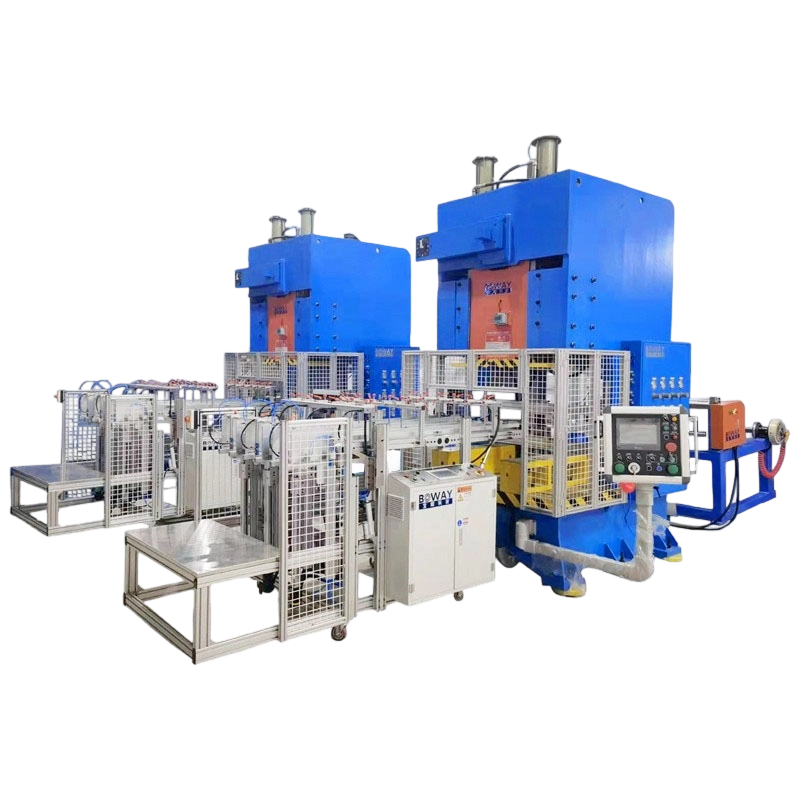
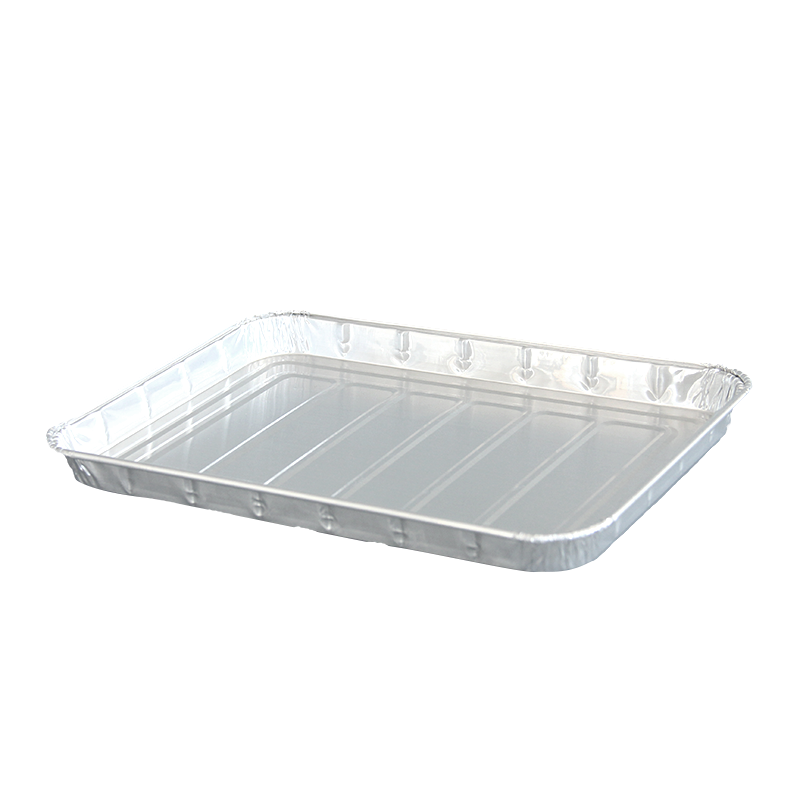
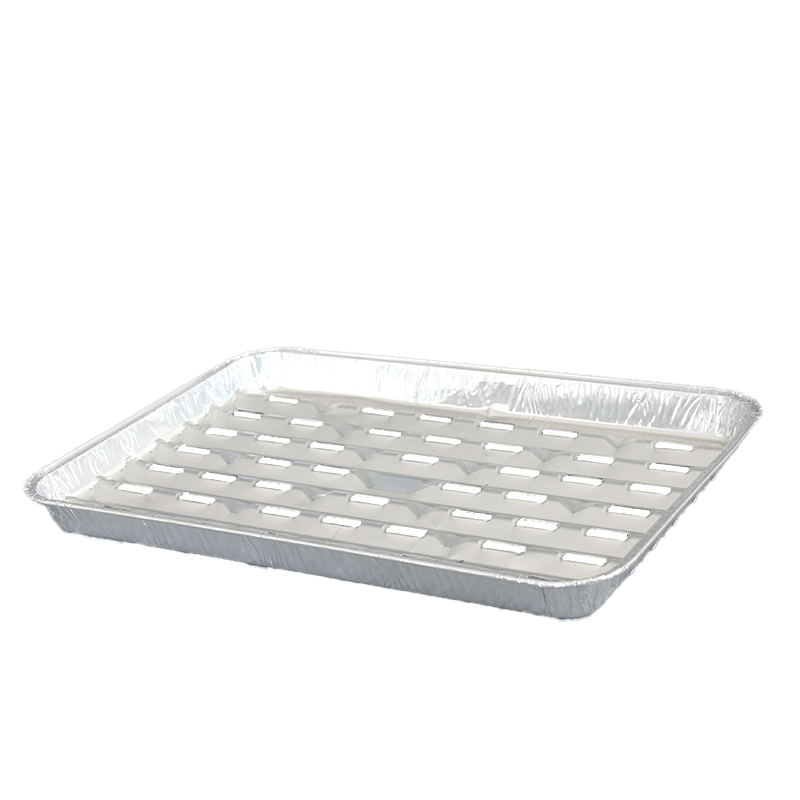
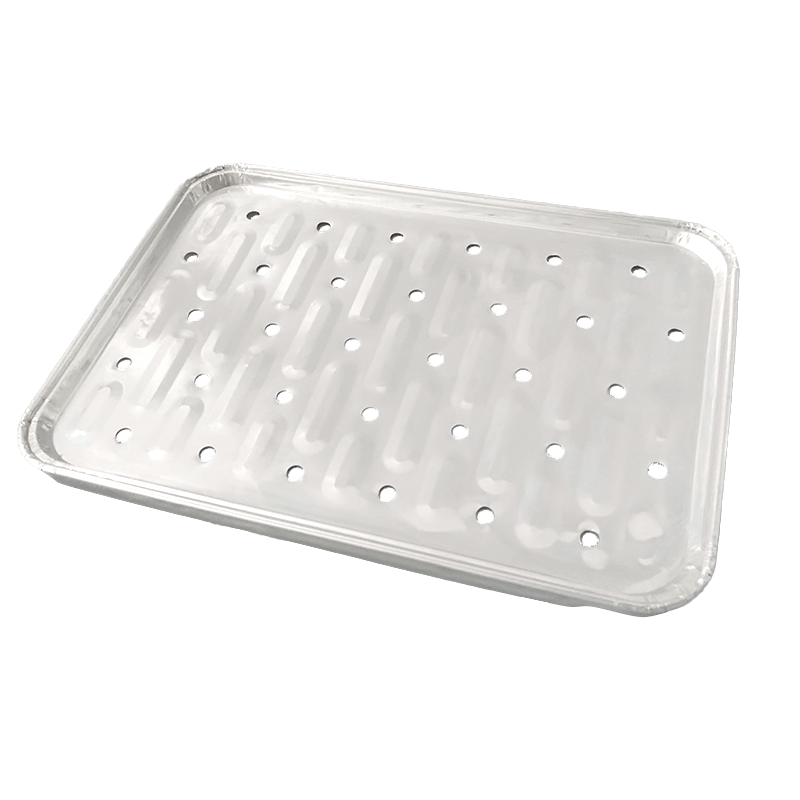
Aikang's main product range includes aviation aluminum foil containers, barbecue pans, Turkey pans, aluminum loaf pans, and a wide variety of specialized aluminum foil containers. The company operates several automatic production lines and proprietary molds to ensure consistent product quality and manufacturing diversity across all product categories.
Equipped with a professional design team, advanced manufacturing infrastructure, rigorous quality assurance protocols, and a dedicated sales and service organization, Aikang has established itself as one of China's foremost enterprises in the aluminum foil packaging sector.
100%
Recyclable Products
Auto Lines
Advanced Production
Global
Export Reach
Guided by the core principle of "sincerity and integrity," Aikang is committed to delivering the best products and service to customers both domestically and internationally, building long-term partnerships grounded in mutual value and trust. We warmly welcome your visit and look forward to the opportunity to cooperate with your esteemed company.
Choose AiKang for Top-Quality
Aluminum Foil Products
Explore Our
Featured Products

Ningbo Aikang Aluminum Foil Technology Co., Ltd, based in Ningbo, produces eco-friendly disposable aluminum foil products. They prioritize quality and customer satisfaction, serving the global market with innovative packaging solutions.


Quick Links
Contact
-
 No. 5 Yongxing East Road, Fengshan Street, Yuyao City, Zhejiang Province, China
-
 Tel: +86-15867468784
-
 E-mail: [email protected]
Send Us A Message
