
 English
 日本語
日本語 عربى
عربى Español
-
 01
01
Can You Put Foil in the Grill? Safe Methods and Precautions You Must Follow
Industry News-You are grilling salmon and zucchini, but the fish is flaking apart and the vegetables are falling through the grates. You grab a sheet of aluminum foil. Then you pause. Is this safe? Will it ruin your grill?
The answer is yes, you can put foil in the grill. But the way most people do it—lining the grill grates—is a dangerous mistake. The good news is that foil packets, foil pans, and a few clever tricks will make your BBQ experience better.
Content
- 1 Why Lining the Grill Grates Is a Dangerous Mistake
- 2 The Right Way: Foil Packets and DIY Pans
- 3 Know Your Heat Limits and Safety Rules
- 4 Why Quality Matters: Choosing the Right Foil Products
- 5 Frequently Asked Questions
- 5.1 Q1: Can you put aluminum foil directly on the grill grates?
- 5.2 Q2: What kind of aluminum foil is safe to use on a grill?
- 5.3 Q3: Why does my grilled food cook faster in a foil packet?
- 5.4 Q4: Is it safe to put aluminum foil in a charcoal grill?
- 5.5 Q5: Should I put butter or oil inside the foil packet?
- 5.6 Q6: Can I reuse the aluminum foil after grilling?
Why Lining the Grill Grates Is a Dangerous Mistake
Many grill owners intuitively put aluminum foil on the grates to catch grease and make cleanup easier. However, leading grill manufacturers and safety experts warn against this practice. Completely covering the grates in foil restricts the air flow inside the grill. Gas grills require a constant supply of oxygen to burn correctly. When the burners are starved of oxygen, they produce a yellow, inefficient flame. This leads to excessive soot and a build-up of unburned propane gas, which poses an explosion risk.
In addition, blocking the grates prevents grease from vaporizing and falling properly onto the heat source. Instead, it remains on the foil and triggers dangerous flare-ups that can burn your food—or your hands.
| Method | Risk Level | Why |
|---|---|---|
| Lining the grates | High | Restricts burner airflow, creates soot and explosion risk. |
| Wrapping drip pan | Moderate | Improper placement can block vents. Use with caution. |
| Foil packets | Low | Safe if placed over indirect heat and not blocking vents. |
| DIY foil pan | Low | Safe, but may leak. Use heavy-duty foil to cover. |
The Right Way: Foil Packets and DIY Pans
Instead of lining the grates, use foil as a cooking vessel. The foil packet method is a classic: place your seasoned vegetables, fish, or chicken in the center of a sheet of heavy-duty foil. Fold the foil over and securely crimp the edges to seal in steam. This turns the foil packet into a mini-oven, retaining moisture and cooking the ingredients evenly.
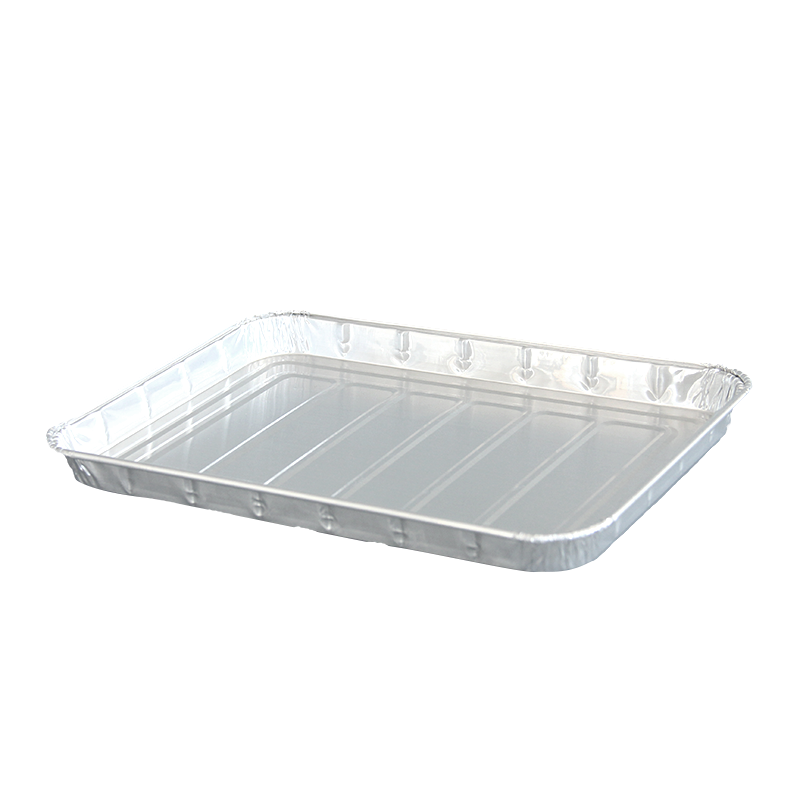
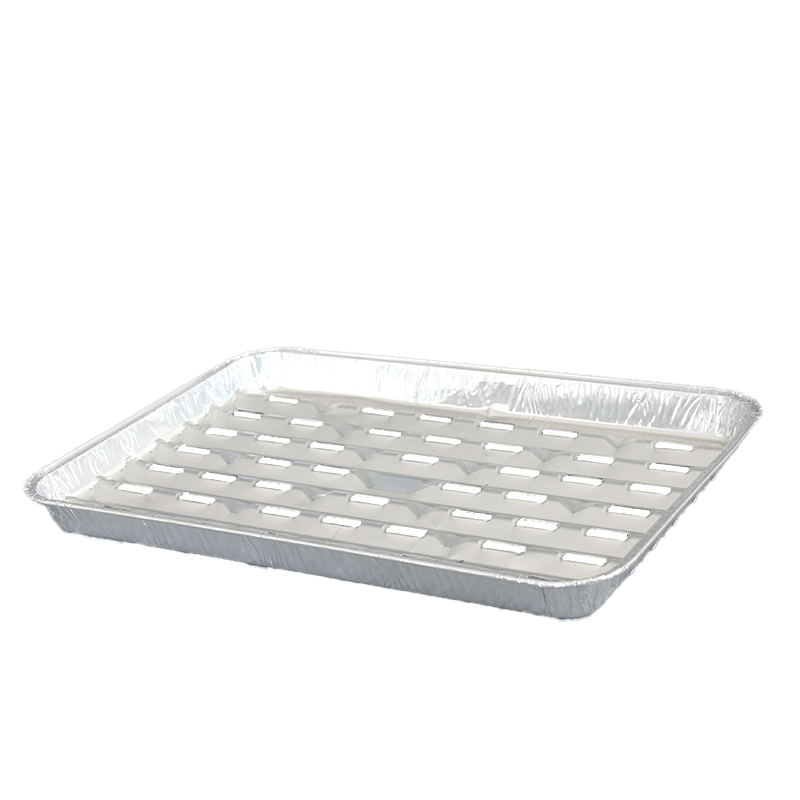
Another excellent method is creating a DIY foil pan by crumpling a few sheets of heavy-duty foil together to form a sturdy base. This prevents small, delicate foods from falling through the grates and allows you to cook saucy dishes without a mess. For larger gatherings, using dedicated pre-formed trays like our barbecue aluminum foil pans gives you the stability of a pan without the work of building one.
Choosing the Right Foil for the Job
Standard foil will work for simple wrapping. However, for grilling, heavy-duty foil provides better puncture resistance and heat tolerance. Unlike thin supermarket foil, which burns or tears easily, heavy-duty grilling foil is designed to withstand direct heat.
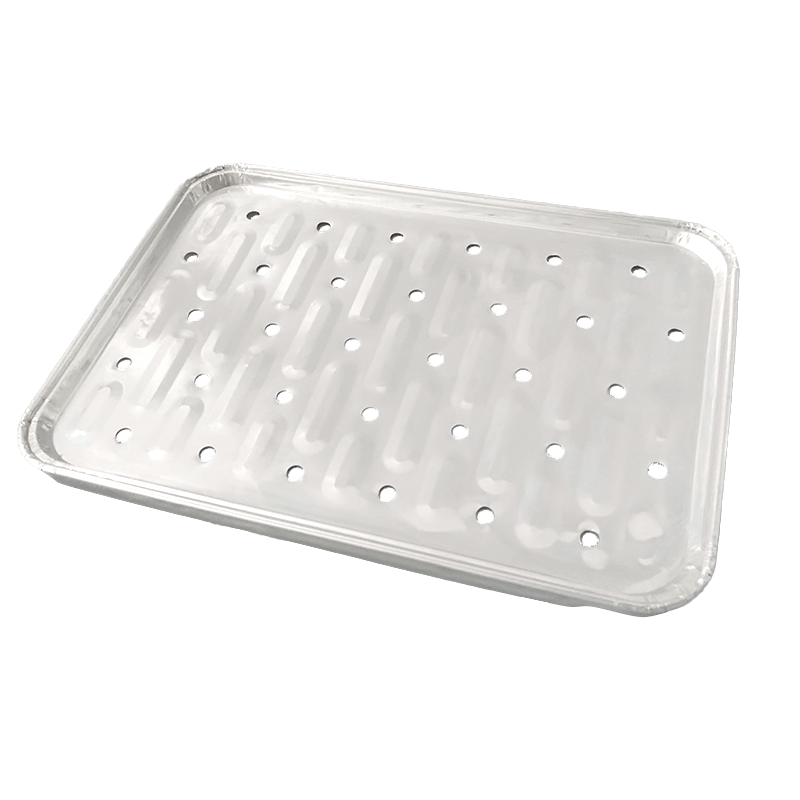
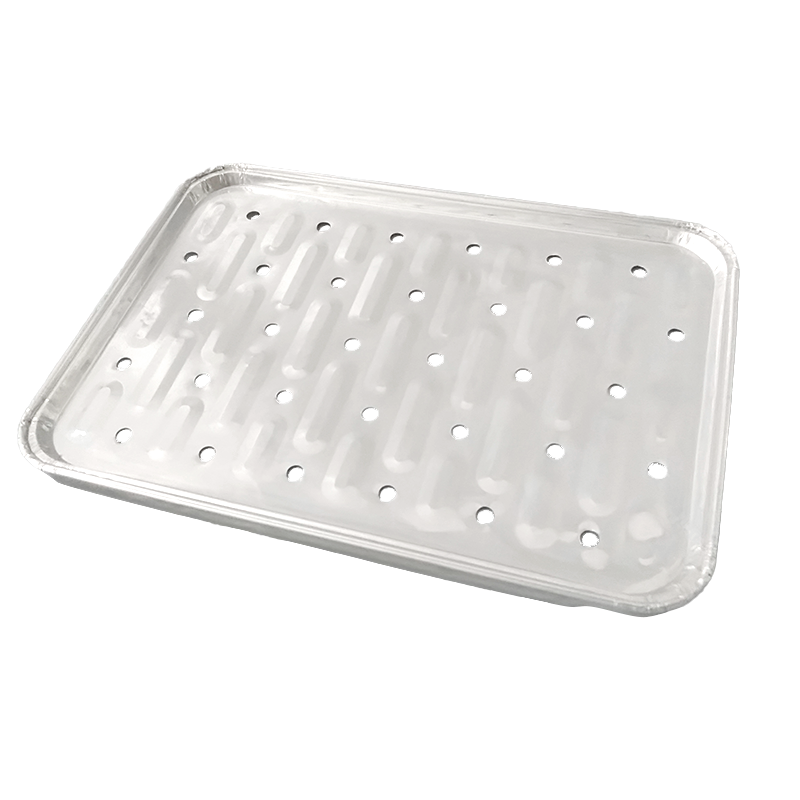 Oblong Barbeque Tray with Ventilation Holes for Even GrillingThis lightweight aluminum tray features ventilation holes to enhance air circulation and flame contact, promoting even heating and a smoky flavor for meats, vegetables, and seafood during outdoor cookouts.View Product →
Know Your Heat Limits and Safety Rules
Understanding the temperature tolerances of aluminum foil is crucial for safe grilling. Heavy-duty foil can generally withstand temperatures up to 400°C (about 750°F). However, you should avoid direct contact with flames or extreme heat sources. Always cook foil packets over indirect heat to avoid flare-ups. This means placing the packet on the cooler side of the grill, not directly over the burners or hot coals.
Acidic foods such as tomatoes, lemons, vinegar-marinated items, and spicy sauces can cause oxidative wear on the foil's surface over time. While this is not harmful in normal quantities, prolonged contact may cause a metallic taste. It is better to serve acidic dishes with a wooden or ceramic layer if you are storing them for long periods. For quick grilling, the contact time is short enough to be completely safe.
| Food Type | Ideal Internal Temp | Cooking Time (Foil Packet) |
|---|---|---|
| Chicken breast | 74°C / 165°F | 25 - 30 mins |
| Salmon fillet | 60°C / 140°F | 15 - 20 mins |
| Mixed vegetables | Soft texture | 15 - 20 mins |
| Pork tenderloin | 63°C / 145°F | 30 - 40 mins |
Why Quality Matters: Choosing the Right Foil Products
When you are grilling with foil, the quality of the metal is more than just a nicety. Thin foil tears easily, leaks juices, and shatters under high heat. Trusted manufacturers use thicker, food-grade aluminum alloys to produce robust pans and containers. Ningbo Aikang Aluminum Foil Technology Co., Ltd is located in Haishu District, Ningbo, one of the most important port cities in China. The company is committed to the design, development, and production of environmentally disposable aluminum foil products and providing practical and advanced packaging solutions to meet the dynamic change of the market.
Their main products consist of aviation aluminum foil containers, barbecue pans, Turkey pans, aluminum loaf pans, and other varied aluminum foil containers. Moreover, the company has developed several automatic production lines and molds to fully ensure the quality and diversity of the products. Equipped with professional design, advanced manufacturing facilities, and molds, qualified products, and a dedicated sales and service team, Aikang has ranked itself the top-notch enterprise in China. If you are looking for reliable tools for your grilling needs, their foods suitable for aluminum foil tableware guide and product line are worth a look.
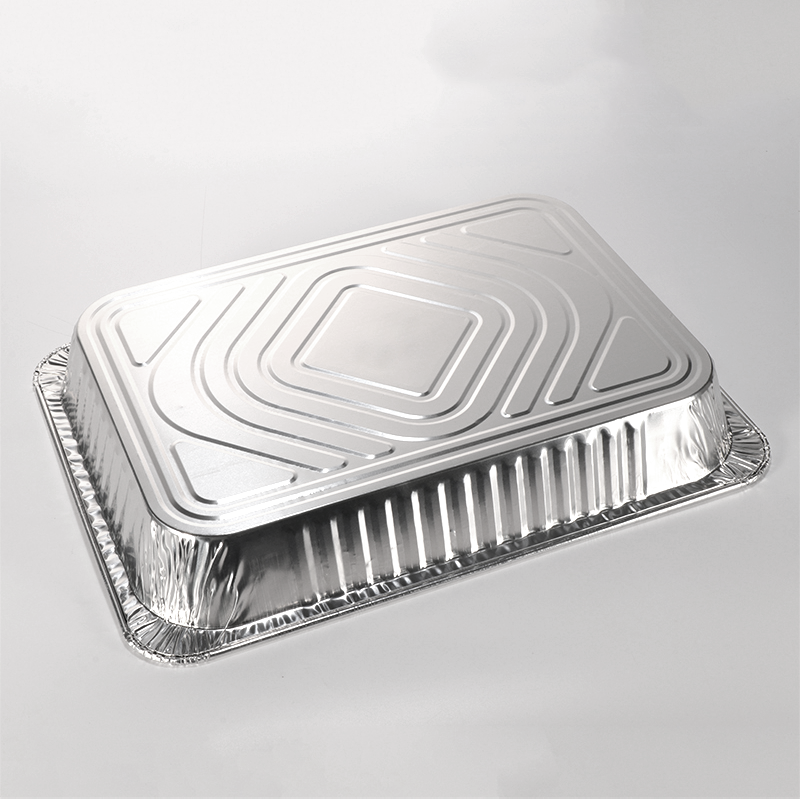 Large 5000ml Oblong Aluminum Foil Pan for Bulk CookingWith a 5000ml capacity and thickened food-grade aluminum, this pan handles large quantities and heavy ingredients without deformation, making it ideal for banquets, catering, and batch cooking.View Product →
 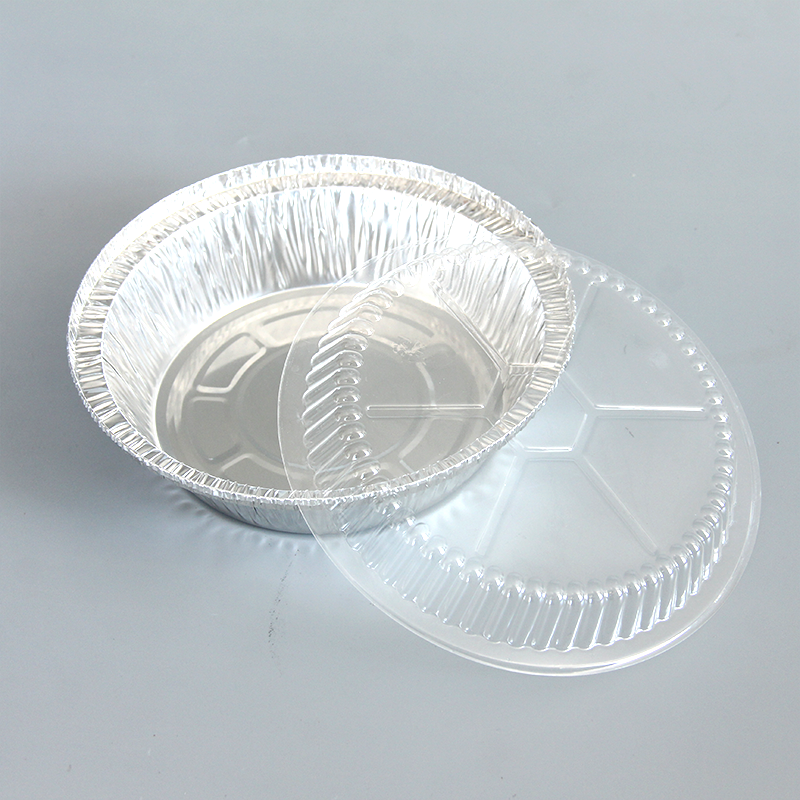 7-Inch Round Take-Out Container for Versatile Food StorageMade from food-grade aluminum foil, this container offers excellent thermal conductivity and leak resistance, suitable for heating, storing, and serving both hot and cold dishes like pizza, pasta, and salads.View Product →
Frequently Asked Questions
Q1: Can you put aluminum foil directly on the grill grates?
No. Lining the grates with foil restricts airflow, damages burner components, and creates a fire hazard. Instead, use foil packets or trays.
Q2: What kind of aluminum foil is safe to use on a grill?
Heavy-duty foil is best. It is thicker, less likely to puncture, and can handle the higher temperatures and uneven heat of the grill.
Q3: Why does my grilled food cook faster in a foil packet?
The foil seals the ingredients, trapping steam and heat inside. This creates a convection effect that cooks the food from all angles.
Q4: Is it safe to put aluminum foil in a charcoal grill?
Yes, as long as you don't block the vents. Use foil packets away from direct charcoal. Never wrap the coals themselves in foil.
Q5: Should I put butter or oil inside the foil packet?
Yes, a little butter or olive oil adds flavor, prevents sticking, and helps distribute heat evenly throughout the packet.
Q6: Can I reuse the aluminum foil after grilling?
It's not recommended. Grease and food residue may contain burnt spots and potential hazards. Use fresh foil each time for safety.
Choose AiKang for Top-Quality
Aluminum Foil Products
Explore Our
Featured Products

Ningbo Aikang Aluminum Foil Technology Co., Ltd, based in Ningbo, produces eco-friendly disposable aluminum foil products. They prioritize quality and customer satisfaction, serving the global market with innovative packaging solutions.


Quick Links
Contact
-
 No. 5 Yongxing East Road, Fengshan Street, Yuyao City, Zhejiang Province, China
-
 Tel: +86-15867468784
-
 E-mail: [email protected]
Send Us A Message
