
 English
 日本語
日本語 عربى
عربى Español
-
 01
01
Why Aluminum Foil Discoloration Happens: Causes, Safety and Prevention
Industry News-Last weekend, I pulled a tray of lemon-butter salmon out of the oven and found dark gray patches all over the aluminum foil. If you have seen the same thing, you probably asked: Is aluminum foil discoloration safe, and what causes it? The short answer is that the discoloration is normal, mostly harmless, and almost always caused by the natural reaction between aluminum, heat, acids, and salts in food.
Content
- 1 What Is Aluminum Foil Discoloration?
- 2 Why Does Aluminum Foil Discolor?
- 3 Is Discolored Aluminum Foil Safe?
- 4 How to Prevent Discoloration in Everyday Cooking
- 5 Choose the Right Aluminum Foil Container
- 6 About Ningbo Aikang Aluminum Foil Technology
- 7 Frequently Asked Questions About Aluminum Foil Discoloration
What Is Aluminum Foil Discoloration?
Aluminum foil discoloration is not rust. Aluminum contains no iron, so it cannot rust the way steel does. Instead, the foil surface changes color when a thin layer of aluminum oxide (Al2O3) forms or thickens. Bare aluminum reacts with oxygen in the air almost instantly, producing a protective oxide film. At oven temperatures, this film grows faster, and light begins to reflect off the layers to create rainbow, gold, blue, or brown tones.
Discoloration can also appear as dark pits or rough spots when certain foods dissolve or damage the oxide layer. The visible stains are the result of chemical reactions, not a sign that the foil has gone bad.
Why Does Aluminum Foil Discolor?
Heat and oxygen
When aluminum is heated above about 150°C, oxidation speeds up. Most baking takes place at 160–220°C, so a light tarnish is normal. Broiling or grilling can create more obvious color patterns because the oxide layer thickens unevenly.
Acidic foods
Tomato sauce, lemon juice, vinegar, and pickled vegetables are the most common culprits. Acid dissolves the protective oxide layer and exposes fresh aluminum to food, which can react and form aluminum salts. The result is a dull, dark gray area and sometimes tiny pits.
Salt and chloride
Salt is another major trigger. Chloride ions in table salt can move through tiny defects in the oxide film and cause localized corrosion. That is why salted meats left in contact with foil may leave white or dark spots.
Contact with other metals
If aluminum foil touches a stainless-steel pan, cast-iron skillet, or metal utensil in a hot or humid environment, a galvanic reaction can occur. Aluminum, being less noble than these metals, corrodes faster at the contact point and leaves a dark stain.
| Cause | What happens | What you see |
|---|---|---|
| Heat + oxygen | Oxide layer grows | Rainbow or golden tarnish |
| Acidic food | Oxide dissolves locally | Dark gray patches, dull pits |
| Salt / chlorides | Pitting corrosion | White-gray dots, small holes |
| Metal contact | Galvanic reaction | Dark streaks or rough spots |
Approximate pH of foods commonly cooked on foil
Source: FDA approximate pH table. Longer bar = closer to neutral.
Isometric view of the aluminum-food interface
Exploded view: the thin oxide layer sits between the aluminum base and the food droplet.
Is Discolored Aluminum Foil Safe?
Generally, yes. The discolored film is aluminum oxide, the same material that forms naturally on aluminum cookware. It is stable, insoluble, and not considered harmful at the amounts encountered during cooking. Acidic foods may dissolve a very small amount of aluminum into the meal, but the levels are usually minor.
According to the European Food Safety Authority, the tolerable weekly intake for aluminum is 1 mg per kilogram of body weight. An occasional portion of lemon-baked fish prepared in aluminum foil is unlikely to come close to that limit. People with chronic kidney disease should be more cautious because their bodies remove aluminum less efficiently. If you are concerned, use a parchment paper barrier or avoid cooking highly acidic foods directly on foil.
How to Prevent Discoloration in Everyday Cooking
- Use heavy-duty or food-grade trays: sturdy trays resist warping and keep food from sitting against thin, folded foil.
- Add salt after cooking: salt accelerates chloride pitting, especially when it stays in contact with hot foil.
- Use parchment paper: place a sheet between foil and acidic foods such as tomatoes, lemon, or vinegar marinades.
- Keep acid and salt contact short: transfer food out of the foil soon after cooking instead of leaving it overnight.
- Avoid metal-to-metal contact: keep foil away from stainless-steel pans and metal utensils in the oven.
For more guidance on selecting pans, explore food-grade aluminum foil trays. If you are looking for everyday packaging, browse our disposable aluminum foil containers.
Choose the Right Aluminum Foil Container
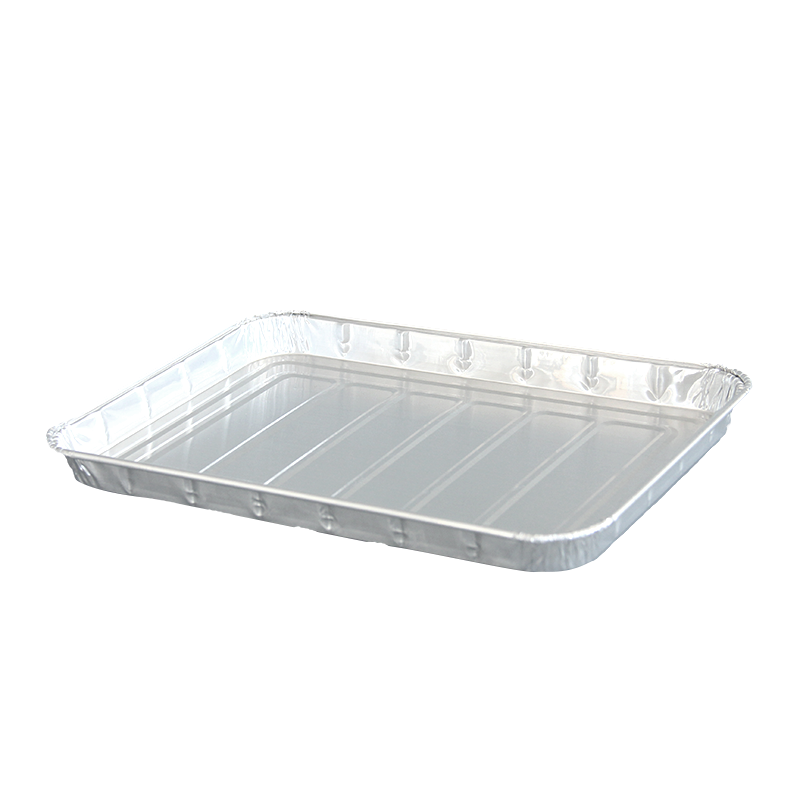
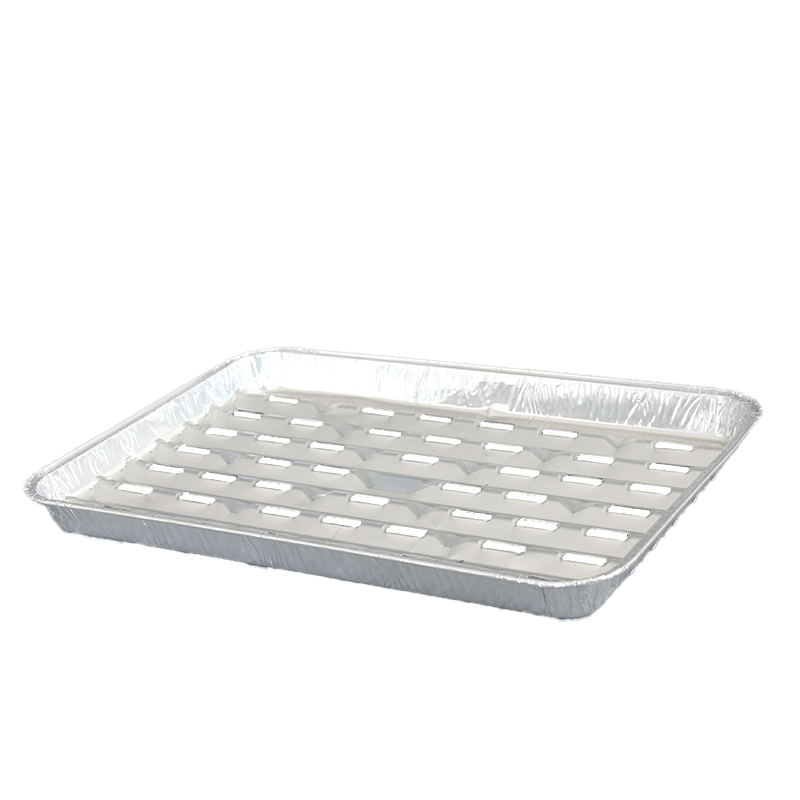
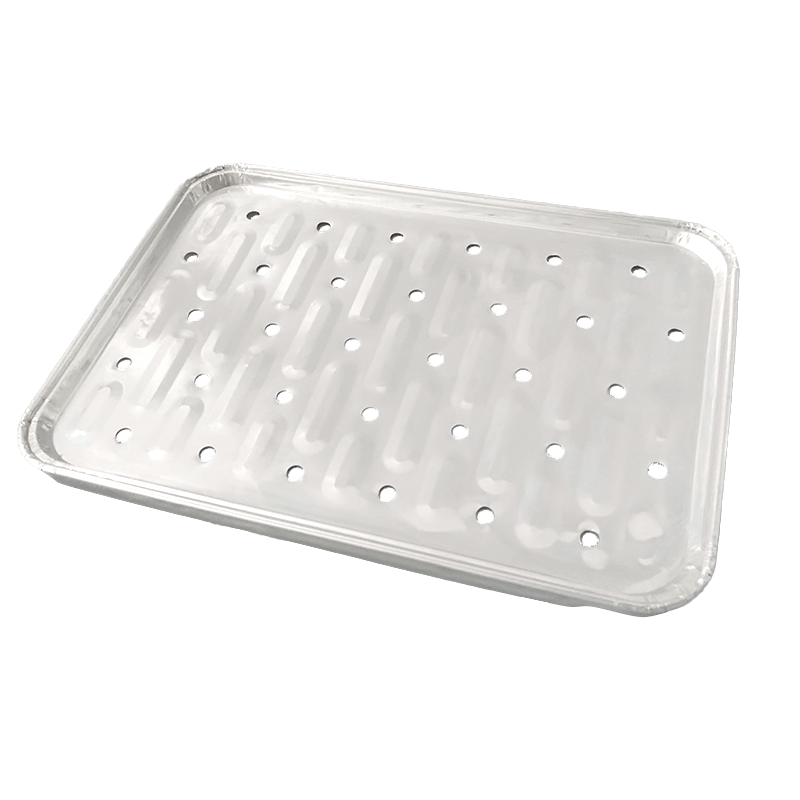
The best way to reduce discoloration problems is to start with a clean, sturdy tray. Commercial food-grade trays are formed in a single stamping process, which minimizes scratches and stress points. Aikang's roasting pans, barbecue trays, and takeout containers are produced with tightly controlled molds and food-safe aluminum, so they perform predictably in ovens, grills, and delivery packaging.
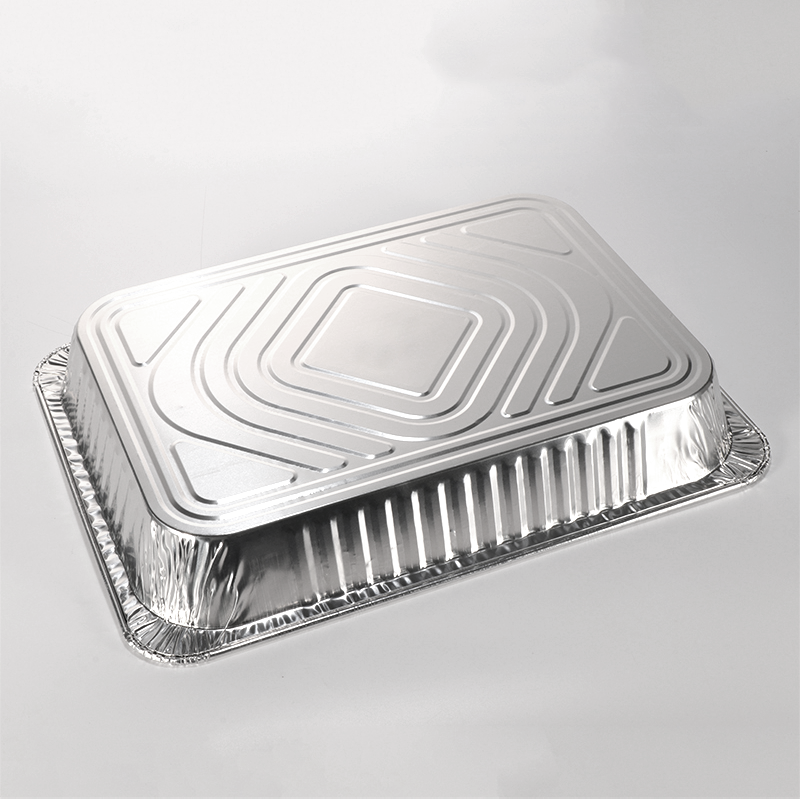 5000ml Oblong Aluminum Foil Pan for Large GatheringsThis thick-walled, food-grade pan offers ample capacity for banquets and catering. Its wide rim aids secure carrying, while the sturdy foil resists deformation, making it dependable for batch cooking and oven use.View Product →
 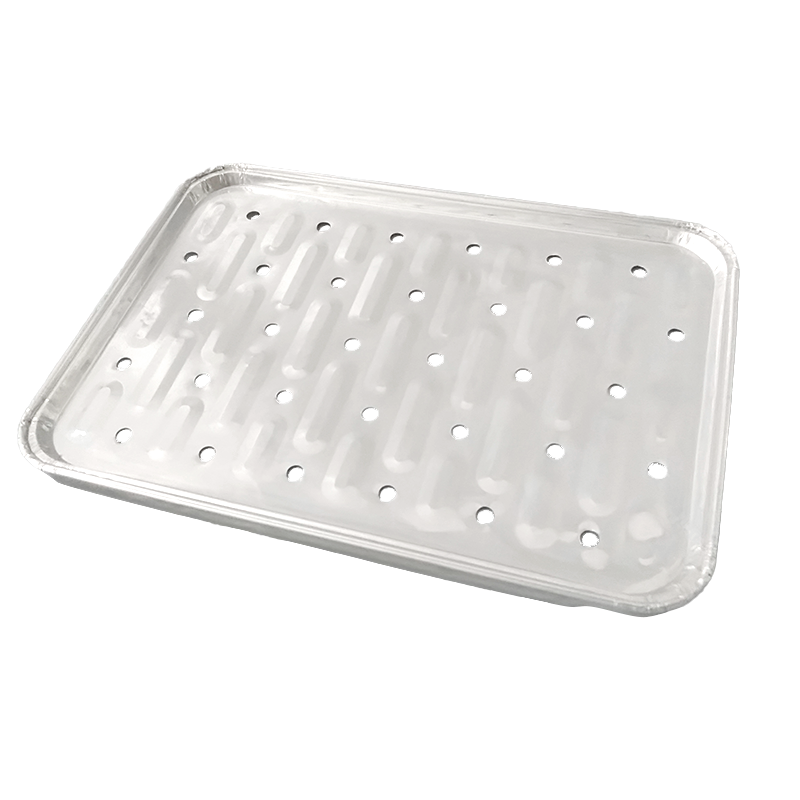 Vented Oblong Barbeque Tray for Outdoor GrillingDesigned with bottom holes for air circulation, this lightweight aluminum tray promotes even heating and smoky flavor on the grill. Disposable and easy to carry, it simplifies cleanup during camping, picnics, and park cookouts.View Product →
 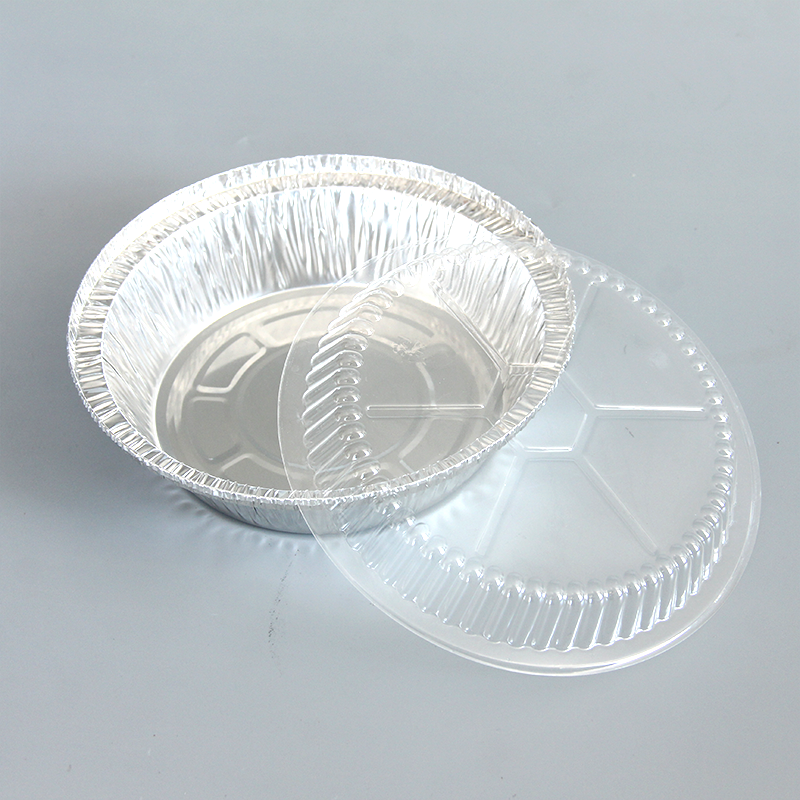 7-Inch Round Take-out Container in Food-Grade FoilSuitable for pizza, pasta, salads, and more, this round container conducts heat well for oven reheating. Its oil- and waterproof foil keeps juices contained, preserving freshness during transport and storage.View Product →
About Ningbo Aikang Aluminum Foil Technology
Ningbo Aikang Aluminum Foil Technology Co., Ltd is located in Haishu District, Ningbo, one of the most important port cities in China. The company is committed to the design, development, and production of environmentally disposable aluminum foil products and providing practical and advanced packaging solutions for the dynamic market change.
The main products consist of aviation aluminum foil containers, barbecue pans, turkey pans, aluminum loaf pans, and other varied aluminum foil containers. Aikang has developed several automatic production lines and molds to ensure the quality and diversity of its products. With professional design, advanced manufacturing facilities, qualified products, and a dedicated sales and service team, Aikang has ranked itself among the top-notch aluminum foil enterprises in China.
The company will always hold the principle of "sincerity and integrity" to provide the best products and service to customers at home and abroad, and finally create a double-win situation.
Frequently Asked Questions About Aluminum Foil Discoloration
Q1: Why does aluminum foil turn dark in the oven?
A: Heat accelerates oxidation, producing a rainbow or dark-gray tarnish. Acidic and salty foods can also react with the metal.
Q2: Is discolored aluminum foil safe to use?
A: Generally yes. The stains are aluminum oxide or harmless reaction products. The amount that transfers to food is typically very small.
Q3: Can tomato sauce cause small holes in foil?
A: Yes. Tomato acid can dissolve the protective oxide layer and create tiny pits in the foil surface.
Q4: How can I stop foil from discoloring?
A: Use a parchment barrier, add salt after cooking, avoid long contact with acidic foods, and choose a sturdy food-grade tray.
Choose AiKang for Top-Quality
Aluminum Foil Products
Explore Our
Featured Products
Ningbo Aikang Aluminum Foil Technology Co., Ltd, based in Ningbo, produces eco-friendly disposable aluminum foil products. They prioritize quality and customer satisfaction, serving the global market with innovative packaging solutions.


Quick Links
Contact
-
 No. 5 Yongxing East Road, Fengshan Street, Yuyao City, Zhejiang Province, China
-
 Tel: +86-15867468784
-
 E-mail: [email protected]
Send Us A Message
