
 English
 日本語
日本語 عربى
عربى Español
-
 01
01
Can You Put Aluminum Foil on a Stove Top? Safety Tips & Smart Alternatives
Industry News-The day you accidentally boil over a pot of chili and watch it crust across the burner is the day you start looking for a shortcut. Laying a sheet of aluminum foil over the stove top seems like the perfect fix: catch the spills, peel it off, and call it clean. But before you reach for that roll, understand this: using aluminum foil directly on a stove top is generally not recommended. The risk of fire, scratched surfaces, and appliance damage far outweighs the convenience.
Content
- 1 Why Aluminum Foil on a Stove Top Is a Bad Idea
- 2 Three Stove Types, Three Different Risks
- 3 What About Using Foil Under a Stove Top?
- 4 Safe Alternatives for a Mess-Free Stove Top
- 5 How to Safely Use Aluminum Foil in the Kitchen
- 6 When to Choose a Pre-Formed Aluminum Container Instead
- 7 Frequently Asked Questions
Why Aluminum Foil on a Stove Top Is a Bad Idea
The short answer is no—do not place aluminum foil on a stove top, especially on glass or ceramic cooktops. While aluminum foil can withstand temperatures up to 650 °F (as noted by the U.S. Department of Energy), the real danger lies in how the foil interacts with the burner and the cooking surface itself.
When foil comes into direct contact with an electric coil or gas flame, it can heat unevenly. Trapped air pockets between the foil and the burner can cause the foil to "balloon" or even melt in spots, leading to a greasy mess that is harder to clean than the original spill. More critically, many appliance manuals explicitly warn that covering the stove top with foil voids the warranty because it can block the oven vent (often located at the front panel) and cause overheating.
Three Stove Types, Three Different Risks
Glass and Ceramic Cooktops
This is the most dangerous match. Aluminum foil can scratch the smooth surface permanently. Worse, if a piece of foil slips beneath the cooktop edge, it can short-circuit internal heating elements. Most major appliance brands—including Whirlpool and Samsung—state this void your warranty. A single repair for a damaged glass top often costs more than $400, according to industry repair data.
Electric Coil Burners
Placing foil directly on a coil burner is a known fire hazard. The foil can trap heat, causing the coil to overheat and become red hot beyond normal cycling. In some cases, the foil itself can ignite if it comes into contact with dripping grease. The National Fire Protection Association notes that cooking equipment is the leading cause of home fires; improper foil use contributes to those numbers.
Gas Burners
While gas burners have less risk of electrical damage, foil placed over the grate can block airflow, starving the flame of oxygen. This leads to incomplete combustion, yellow-tipped flames, and higher carbon monoxide levels. A gas burner lined with foil also makes the control knobs and surrounding area harder to clean, defeating the original purpose.
What About Using Foil Under a Stove Top?
Some people place aluminum foil on the drip tray or below the burners (under the cooktop) to catch spills. While this is safer than covering the burner itself, it still creates issues. The foil can trap moisture against metal surfaces, leading to rust over time. If you choose this route, only line the tray and never allow the foil to extend near the burner openings or vents. Replace it frequently—after each heavy cooking session is a good rule.
Safe Alternatives for a Mess-Free Stove Top
Instead of reaching for foil, try these proven methods recommended by kitchen professionals:
- Use a splatter guard or mesh screen: A stainless steel splash guard sits above the pan, catching grease without contacting the burner.
- Place a baking sheet under a skillet: For messy stovetop dishes, set a heavy-duty baking sheet directly on a gas grate beneath the pan to catch drips. Just make sure it doesn't touch the flame.
- Use reusable silicone liners: Silicone burner covers are non-stick and heat-safe to 500°F. They protect the cooktop and can be washed in the dishwasher.
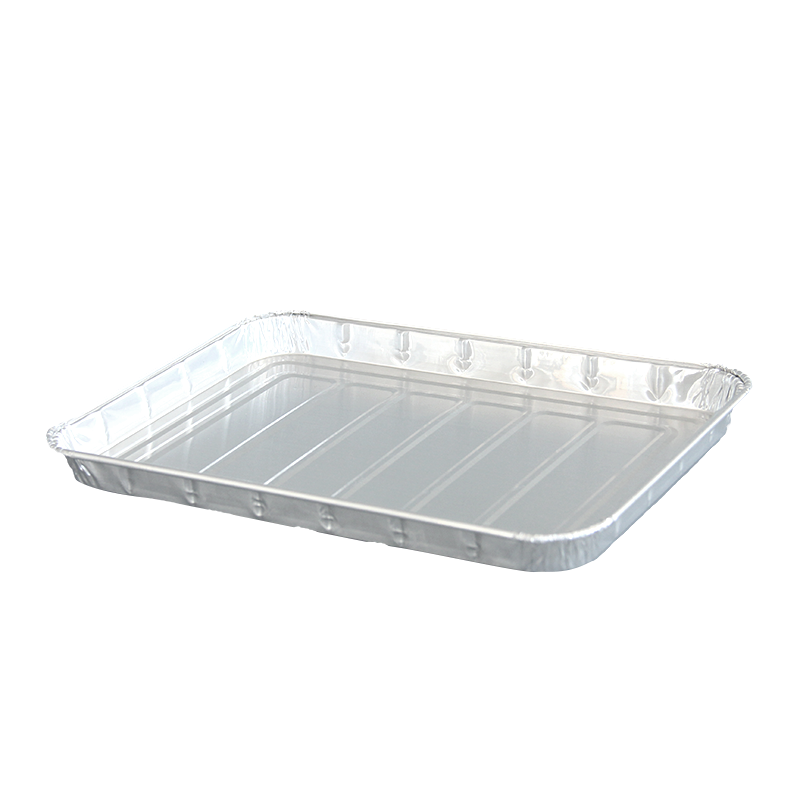
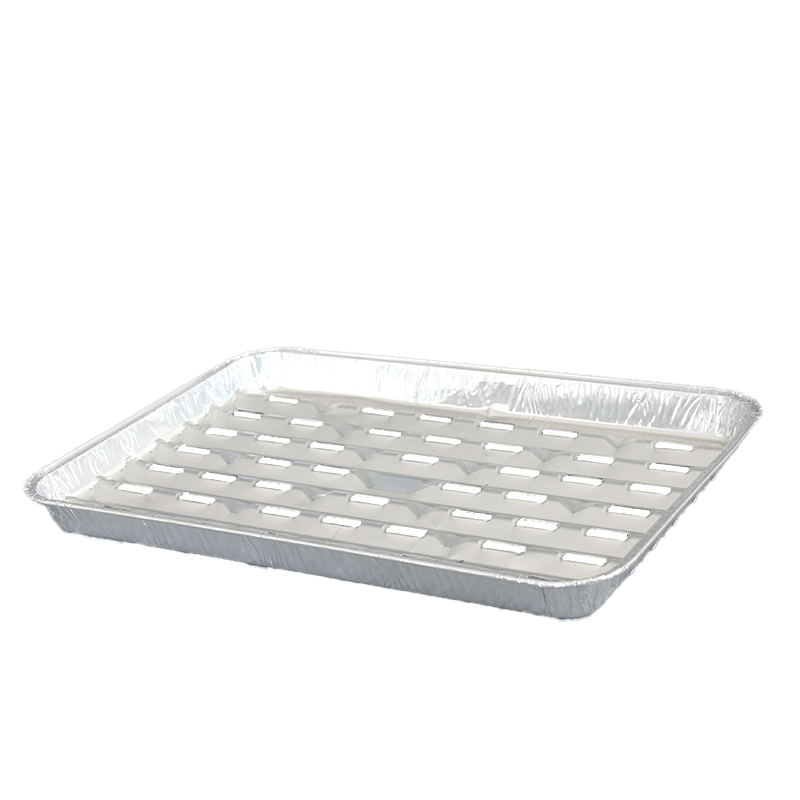
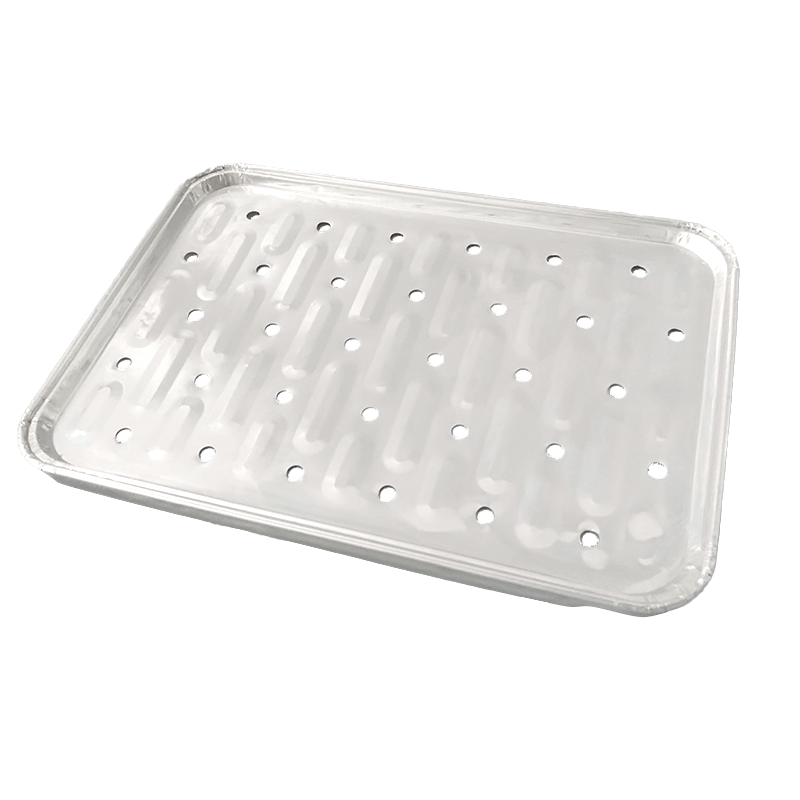
- Choose pre-formed aluminum containers: For roasting, baking, or reheating, use ready-made foil containers. These sturdy trays hold liquids and fit directly on oven racks or under broilers without the hazard of loose foil.
Ningbo Aikang Aluminum Foil Technology Co., Ltd, located in Haishu District, Ningbo—one of the most important port cities in China—specializes in precisely this type of product. The company is committed to the design, development, and production of environmentally disposable aluminum foil products and providing practical and advanced packaging solutions. Their main products consist of aviation aluminum foil containers, barbecue pans, turkey pans, aluminum loaf pans, and other varied aluminum foil containers. With professional design, advanced manufacturing facilities, and fully automated production lines, Aikang has established itself as a top-notch enterprise in China, dedicated to quality, diversity, and customer service.
How to Safely Use Aluminum Foil in the Kitchen
If you still prefer using aluminum foil, follow these guidelines to minimize risk:
- Keep the foil away from the heating element. Never let it touch the burner coil, flame, or glass surface directly.
- Never cover the oven vent. Most stove tops have a front-panel vent. If you block it, heat and moisture can damage the electronics.
- Use heavy-duty foil only. Regular foil tears and disintegrates more easily under heat.
- Don't line the bottom of the oven with foil. This can obstruct airflow and damage the heating element.
- Replace foil after each use. Once crimped or soiled, foil loses its structural integrity.
When to Choose a Pre-Formed Aluminum Container Instead
For roasting a turkey, baking lasagna, or grilling vegetables, a food-grade aluminum foil tray is a far safer and more practical option than wrapping the stovetop itself. These containers are designed to handle high heat, hold liquids securely, and fit neatly in ovens or on grills. A good example is the  Half-Size Deep Steam Table Pan IK325DOptimize space utilization Suitable for medium-sized needs: The half-size design of the Half-Size Deep Steam Table Pan IK325D is perfect for medium-sized gatherings or...View Product → half-size deep steam table pan from Aikang, which offers ample depth for roasting and is compatible with standard catering equipment. It eliminates the temptation to foil a stove burner altogether.
Frequently Asked Questions
Q: Can you put aluminum foil on a gas stove to catch drips?
A: Not directly on the grate. You can place a drip tray lined with foil beneath the burner, but keep foil away from the flame.
Q: Will aluminum foil scratch my glass cooktop?
A: Yes. Even a single sheet can leave micro-scratches, and trapped grit between foil and glass can cause permanent damage.
Q: Can I use aluminum foil to protect my stove top from boil-overs?
A: No—use a splatter guard or a baking sheet under the pan instead. Foil on the stove top is a fire and warranty risk.
Q: Is it safe to line the stove drip pan with foil?
A: Only if the foil does not extend near the burner. Replace it frequently to avoid grease buildup and rust.
Q: Will using foil on a stove top void my warranty?
A: Most manufacturers, including Samsung and Whirlpool, explicitly state that foil on the cooktop surface voids the warranty.
Q: Can I use aluminum containers on an induction cooktop?
A: No—aluminum is non-magnetic and won't work on induction. Use cast iron or stainless steel cookware instead.

Choose AiKang for Top-Quality
Aluminum Foil Products
Explore Our
Featured Products
Ningbo Aikang Aluminum Foil Technology Co., Ltd, based in Ningbo, produces eco-friendly disposable aluminum foil products. They prioritize quality and customer satisfaction, serving the global market with innovative packaging solutions.


Quick Links
Contact
-
 No. 5 Yongxing East Road, Fengshan Street, Yuyao City, Zhejiang Province, China
-
 Tel: +86-15867468784
-
 E-mail: [email protected]
Send Us A Message
