
 English
 日本語
日本語 عربى
عربى Español
-
 01
01
Aluminium Foil Melting Point: 660°C Facts, Oven Safety and Buying Tips
Industry News-You slide a tray of roast potatoes into a 230°C oven and, thirty minutes later, pull out foil that has darkened, curled, and pulled away from the pan. It has not melted. That moment confuses a lot of home cooks: if foil handles a hot oven so easily, why do people sometimes say it can melt?
The aluminium foil melting point is 660°C for pure aluminium. Food-grade foil alloys melt in a range close to that, usually between 640°C and 660°C. A standard residential oven cannot produce those temperatures, so the foil in your kitchen is not going to melt under normal roasting conditions.
Content
- 1 Aluminium Foil Melting Point at a Glance
- 2 Where the 660°C Figure Comes From
- 3 Can Aluminium Foil Melt in a Home Oven?
- 4 What to Check Before Buying Foil Containers for High Heat
- 5 Aluminium Foil Melting Point: Common Questions
- 5.1 Q1. What is the exact melting point of aluminium foil?
- 5.2 Q2. Is it safe to put aluminium foil in a regular oven?
- 5.3 Q3. Why did my foil melt if the oven was set to 230°C?
- 5.4 Q4. Can aluminium foil containers go in the microwave?
- 5.5 Q5. Does aluminium foil catch fire?
- 5.6 Q6. What is the difference between aluminium foil and tin foil?
Aluminium Foil Melting Point at a Glance
- Pure aluminium melts at 660°C, which is about 1,220°F.
- Foil alloys used for food packaging melt slightly below or near that figure, generally in the 640–660°C range.
- A typical home oven reaches 260–290°C, less than half of the foil melting point.
- Aluminium foil does not burn like paper; it discolours, oxidises, and becomes brittle long before it actually melts.
Where the 660°C Figure Comes From
Published metallurgical data puts the melting point of pure aluminium at 660.32°C. This is the scientific reference value used by material datasheets and metal suppliers. When aluminium is rolled into foil and alloyed with small amounts of iron, silicon, or manganese to improve strength and forming behaviour, the melting point shifts only slightly.
For practical purposes, you can treat food-grade foil and foil containers as aluminium materials with a thermal limit close to 660°C. This is far above any cooking temperature produced by the air inside a home oven.
| Material | Typical melting point / range | Kitchen note |
|---|---|---|
| Pure aluminium | 660°C | Reference value for the base metal |
| Food-grade foil alloy | about 640–660°C | Used for trays, pans, and rolls; safe for normal oven heat |
| True tin foil | about 232°C | Not suitable for roasting; rarely used in modern food packaging |
Published material data shown for comparison; alloy foil can begin to soften near its melting range.
Can Aluminium Foil Melt in a Home Oven?
The short answer is no under ordinary operating conditions. Still, there are a few situations where foil can melt surprisingly fast.
In a standard oven
Oven air rarely goes beyond 290°C, even during a high-heat roast. That is nowhere near 660°C. The more common problem is discolouration and brittleness when foil comes into contact with acidic food or very high broiling temperatures. The metal may darken, but it will not liquefy.
On a grill or stovetop
Direct flame is different from oven air. A gas flame can exceed 1,000°C, and glowing charcoal can reach well over 400°C. If a folded edge of foil touches a flame, the foil can melt in seconds. Keeping foil elevated and away from direct fire is more important than the container brand or foil thickness.
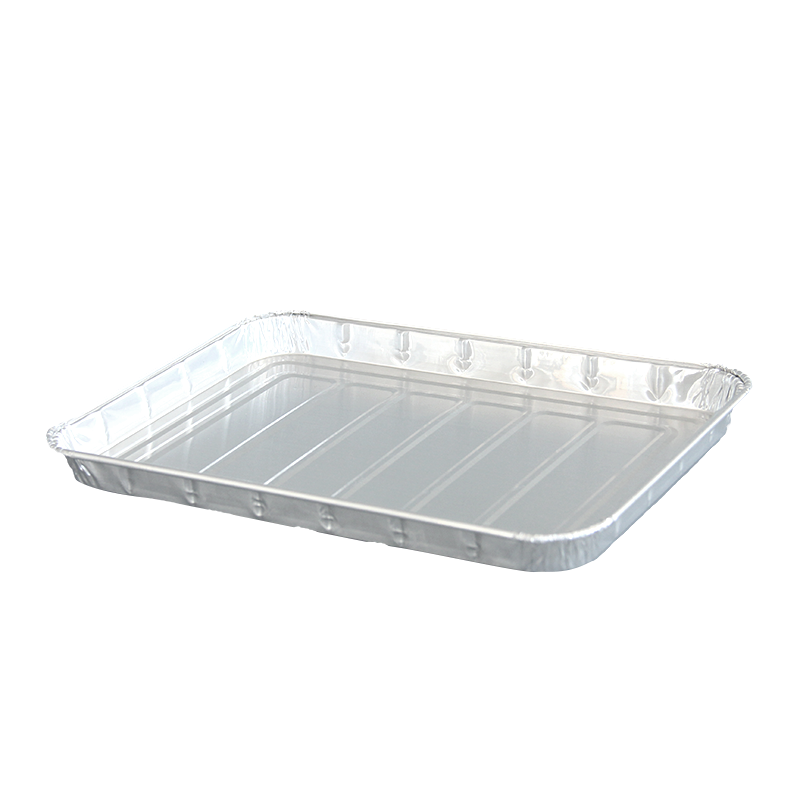
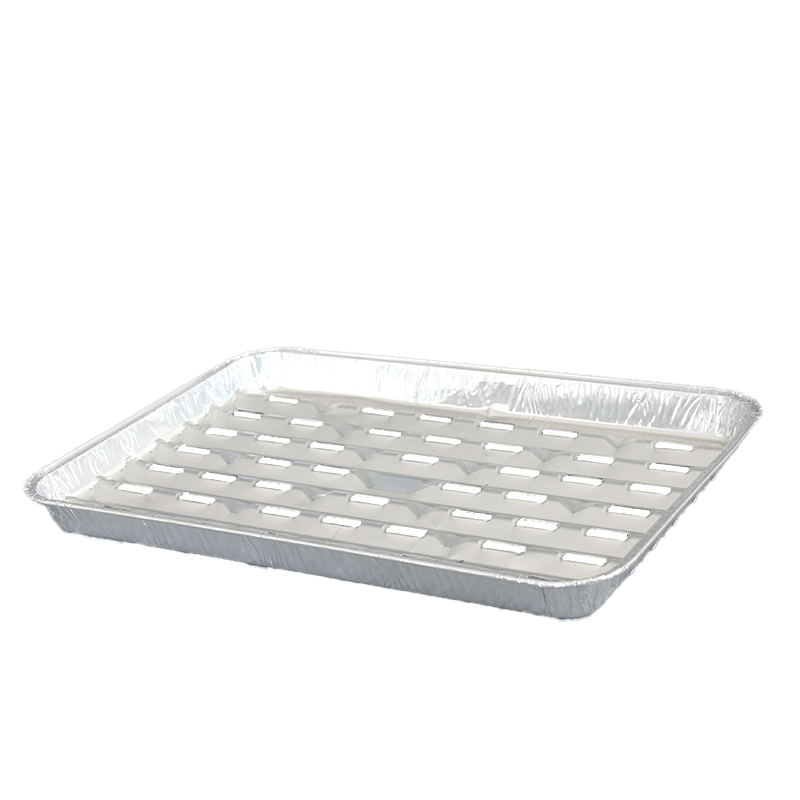
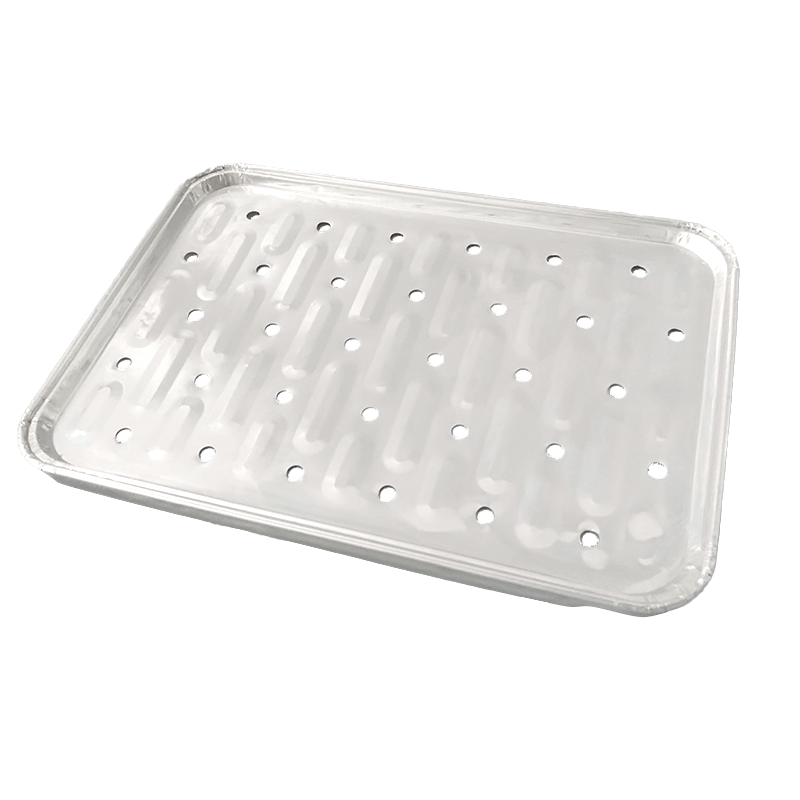
For barbecue situations, a tray with a stiff, continuous rim holds its shape better over medium heat. An oblong barbecue tray is designed with enough wall height to keep food and juices away from the hottest point of contact.
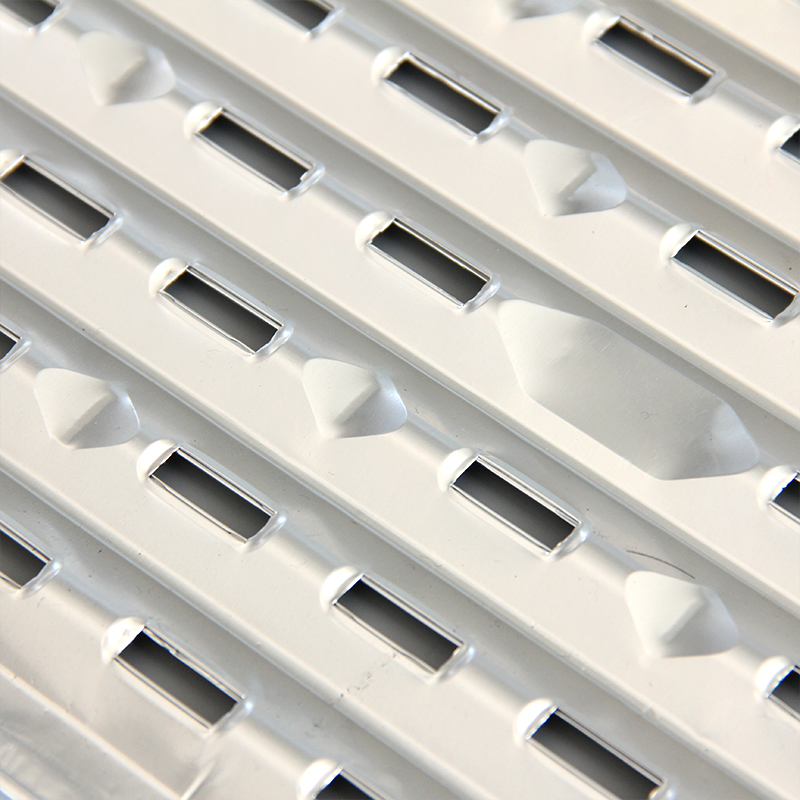 Custom Oblong Barbeque Tray IK340 Manufacturers, Suppliers & FactoryNingbo Aikang Aluminum Foil Technology Co., Ltd is China Oblong Barbeque Tray IK340 manufacturers and Oblong Barbeque Tray IK340 supplier...View Product →
In a microwave
Microwave ovens do not heat metal to the melting point in the same way a grill does. The main risk is electrical arcing. Crumpled aluminium foil or foil touching the microwave walls can create sparks and damage the oven. If a foil container is labelled microwave-safe, follow the manufacturer’s instructions closely; do not test crumpled pieces.
Air temperature inside an oven is not the same as direct flame contact, which can exceed the foil melting point.
What to Check Before Buying Foil Containers for High Heat
When you buy foil containers for roasting, catering, or takeaway, melting point is only part of the story. The gauge, rim profile, and wall depth have a bigger effect on whether a pan stays rigid during a long cook.
- Gauge and thickness: Thicker foil resists tearing and flexing better than household foil, especially with heavy food.
- Rim profile: A rolled rim adds stiffness and makes the container easier to carry without bending.
- Wall depth: Deep side walls keep food away from the heat source and reduce spillover.
- Oven compatibility: Confirm that the container is food-grade and rated for oven or grill use before exposing it to high temperatures.
Commercial kitchens and takeout businesses often standardise around disposable aluminium foil containers because they move from oven to transport without an extra dish. For large cuts of meat or whole birds, a 4500ml oblong aluminium foil pan gives enough base area to distribute heat evenly.
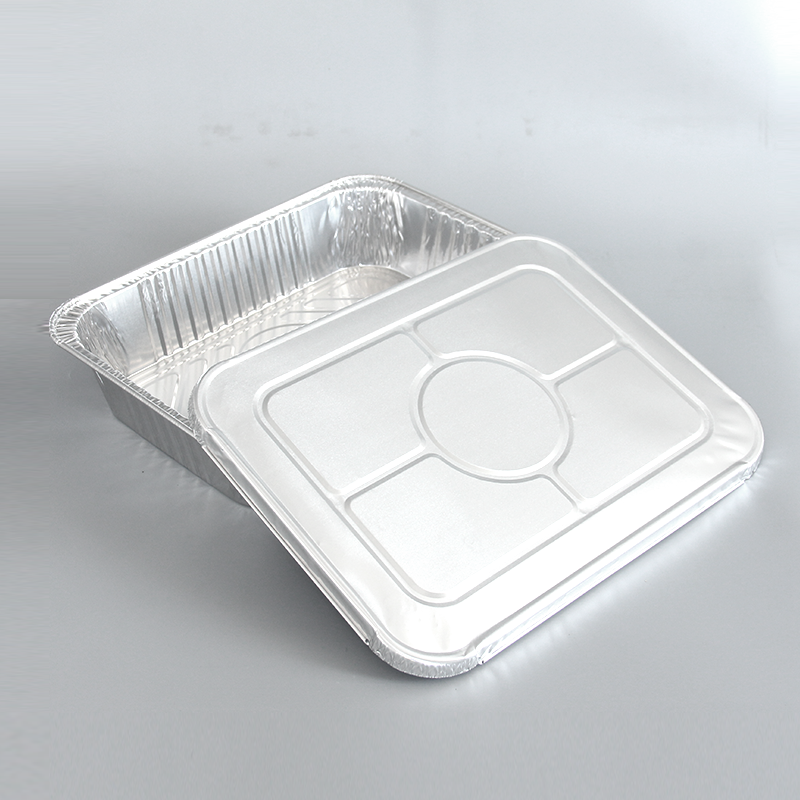 Custom 4500ml Oblong Aluminum Foil Pan IK365 Manufacturers, Suppliers & FactoryNingbo Aikang Aluminum Foil Technology Co., Ltd is China 4500ml Oblong Aluminum Foil Pan IK365 manufacturers and 4500ml Oblong Aluminum F...View Product →
Catering teams that need to hold food warm during delivery often prefer deeper trays. A full-size deep steam table pan keeps portions above the rim and reduces the chance of edge scorching during transport. For smaller side dishes, aluminium foil bowls and cups offer a convenient single-portion option.
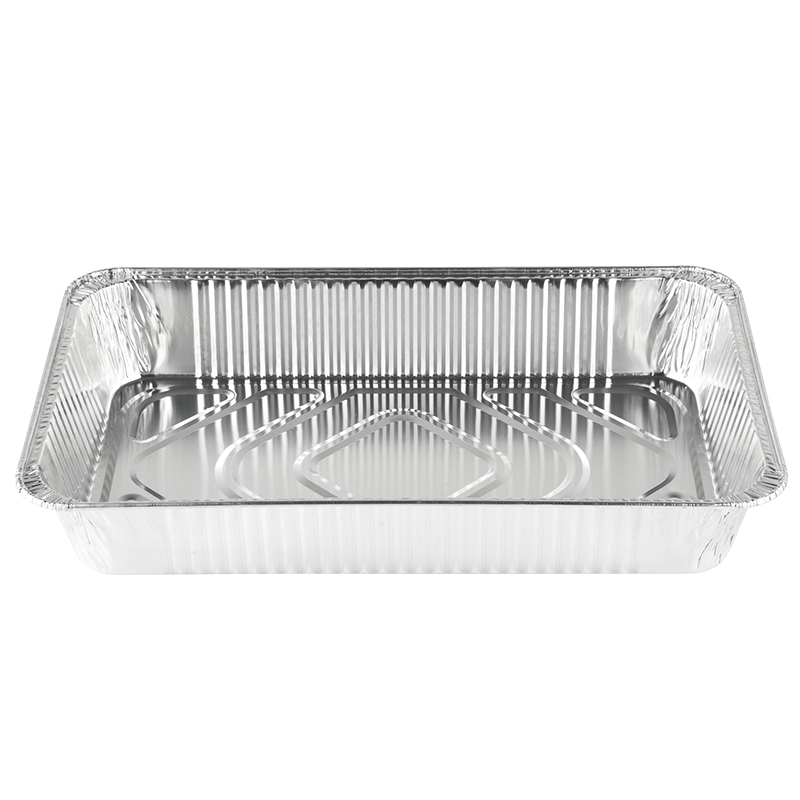 Custom Full-Size Deep Steam Table Pan IK528 Manufacturers, Suppliers & FactoryNingbo Aikang Aluminum Foil Technology Co., Ltd is China Full-Size Deep Steam Table Pan IK528 manufacturers and Full-Size Deep Steam Tab...View Product →
Isometric view: rim, wall depth, and base shape all affect how a tray behaves under high heat.
Aluminium Foil Melting Point: Common Questions
Q1. What is the exact melting point of aluminium foil?
Pure aluminium melts at 660°C, and food-grade foil alloys melt in a range close to 640–660°C.
Q2. Is it safe to put aluminium foil in a regular oven?
Yes, up to typical oven temperatures of 260–290°C, as long as the foil does not touch the heating element.
Q3. Why did my foil melt if the oven was set to 230°C?
The foil almost certainly touched a heating element or an open flame, which can be far hotter than the oven air.
Q4. Can aluminium foil containers go in the microwave?
Only if the container is explicitly labelled microwave-safe and used without crumpled edges or contact with the microwave walls.
Q5. Does aluminium foil catch fire?
It does not burn like paper. It discolours, oxidises, and becomes brittle; it melts only at much higher temperatures.
Q6. What is the difference between aluminium foil and tin foil?
Real tin foil melts near 232°C, while modern food foil is aluminium with a melting point near 660°C.
Choose AiKang for Top-Quality
Aluminum Foil Products
Explore Our
Featured Products
Ningbo Aikang Aluminum Foil Technology Co., Ltd, based in Ningbo, produces eco-friendly disposable aluminum foil products. They prioritize quality and customer satisfaction, serving the global market with innovative packaging solutions.


Quick Links
Contact
-
 No. 5 Yongxing East Road, Fengshan Street, Yuyao City, Zhejiang Province, China
-
 Tel: +86-15867468784
-
 E-mail: [email protected]
Send Us A Message
