
 English
 日本語
日本語 عربى
عربى Español
-
 01
01
Can I put aluminum foil tableware in the microwave?
Industry News-The direct answer: no, you should not put aluminum foil tableware in a standard microwave oven. Microwaves work by generating electromagnetic waves that cause water molecules in food to vibrate rapidly and produce heat. Metal — including aluminum — reflects these waves rather than absorbing them, which can cause arcing (visible sparks), damage the magnetron inside the appliance, and in some cases start a fire. This applies to aluminum foil trays, aluminum loaf pans, and any other aluminum foil container placed in a conventional microwave.
However, aluminum foil tableware is not unsafe in general — quite the opposite. Aluminum foil containers are among the most versatile, hygienic, and widely used food packaging formats in the world, approved for use in conventional ovens, toaster ovens, freezers, barbecue setups, and air fryers. Understanding what aluminum foil tableware can and cannot do is the key to using it confidently and correctly.
This article explains the science behind the microwave restriction, details all the environments where aluminum foil containers perform exceptionally well, and addresses the most common questions about aluminum foil max temp, thickness, safety, and recyclability.
Content
- 1 What Happens If You Put Aluminum Foil in the Microwave
- 2 What Is Aluminum Foil Tableware and What Is It Made Of
- 3 Where Aluminum Foil Containers Excel: Oven, Freezer, Air Fryer, and Barbecue
- 4 Is Aluminum Foil Tableware Safe for Food? Addressing Health and Safety Questions
- 5 Practical Uses of Aluminum Foil Containers in Everyday Food Service
- 6 Recyclable Aluminum Foil Containers: Environmental Considerations
- 7 About Ningbo Aikang: Professional Aluminum Foil Container Manufacturer
- 8 Frequently Asked Questions About Aluminum Foil Tableware
What Happens If You Put Aluminum Foil in the Microwave
When you place a foil tray or aluminum container in a microwave, the microwave's electromagnetic field induces electrical currents in the metal surface. Because aluminum is an excellent conductor, these currents concentrate at sharp edges, folds, or wrinkled areas of the foil. The result is arcing — rapid electrical discharges visible as bright sparks — which can ignite nearby food packaging or damage the magnetron, the core component of every microwave oven.
The specific risk level depends on several factors: the thickness of the foil, whether the tray is smooth or crinkled, how much food is present, and the wattage of the microwave. A smooth, filled aluminum tray in a low-wattage microwave may cause only minor sparking, while a crinkled, empty foil container in a high-wattage unit can create sustained arcing within seconds. Either scenario carries risk of appliance damage and potential fire.
The U.S. Food and Drug Administration (FDA) advises against using metal containers in microwave ovens unless specifically labeled as microwave-safe. No standard aluminum foil tableware carries that designation, because the physics of microwave heating make it fundamentally incompatible with metal surfaces.
The chart above illustrates relative arcing risk across four common aluminum foil scenarios inside a microwave. A crinkled, empty foil container carries the highest risk — approximately 9.5 out of 10 — because wrinkled edges concentrate electrical discharge points and the absence of food provides no dampening of the electromagnetic field. Sharp-edged trays (8.5) and smooth but empty containers (6.5) are also high risk. Even the lowest-risk scenario — a smooth, food-filled tray — still rates 3.5, meaning it is not considered safe by any food authority or appliance manufacturer. The data reinforces that the safest approach in all cases is to transfer food to a microwave-safe glass or ceramic container before reheating. No scenario involving aluminum foil tableware in a standard microwave is without meaningful risk.
What Is Aluminum Foil Tableware and What Is It Made Of
Aluminum foil tableware — including foil trays, foil containers with lids, loaf pans, and airline-style meal trays — is manufactured from food-grade aluminum alloy, typically rolled to a thickness between 0.04 mm and 0.20 mm depending on the intended application. Heavier-gauge foil (around 0.15–0.20 mm) is used for structured containers like baking pans and aviation trays; lighter gauges are used for wrapping and tent applications.
Aluminum is a metallic element (chemical symbol Al, atomic number 13) — not a compound. What we call tin foil or tin foil containers is technically aluminum foil; true tin foil was phased out of commercial use decades ago because aluminum offers superior performance at lower cost and with better food safety characteristics. Modern aluminum foil is typically an alloy such as AA 8011 or AA 3003, which adds trace amounts of iron, silicon, or manganese to improve strength and formability.
Key Physical and Chemical Characteristics of Aluminum Foil
- Thermal conductivity: 205 W/m·K — aluminum conducts heat rapidly and evenly across its surface.
- Melting point: approximately 660°C (1220°F) — far above conventional oven or air fryer operating temperatures.
- Aluminum foil max temp in ovens: food-grade trays are typically rated for use up to 400°F (205°C) continuously; some heavy-gauge containers tolerate up to 450°F (232°C).
- Barrier properties: aluminum foil is impermeable to light, oxygen, moisture, and bacteria when sealed — a key advantage for food safety.
- Recyclability: aluminum is 100% recyclable indefinitely without quality loss, and recycling it uses only 5% of the energy required to produce virgin aluminum.
| Thickness Range | Gauge Type | Common Applications | Max Oven Temp |
|---|---|---|---|
| 0.04–0.07 mm | Light | Wrapping, tenting cakes, lining baking sheets | 375°F / 190°C |
| 0.08–0.12 mm | Standard | Takeaway containers, barbecue trays, food storage | 400°F / 205°C |
| 0.13–0.20 mm | Heavy | Airline trays, roasting pans, turkey pans, loaf pans | 450°F / 232°C |
Where Aluminum Foil Containers Excel: Oven, Freezer, Air Fryer, and Barbecue
While microwaves are off-limits, aluminum foil tableware is specifically engineered to perform across a wide range of cooking, storage, and serving environments. Understanding each use case helps you get the most out of these containers.
Conventional Oven Use
Aluminum trays and loaf pans can go directly in the oven and are among the most efficient baking vessels available. Because aluminum conducts heat so rapidly, it produces more even browning on the bottom and sides of baked goods compared to glass or ceramic. A baking sheet lined with foil simplifies cleanup and improves heat distribution. For roasting, aluminum turkey pans and deep-dish roasting containers handle high temperatures and substantial food weight without warping. The standard recommendation for oven use is to avoid exceeding the tray's rated temperature and to place the tray on a baking sheet for stability when handling heavy contents.
Toaster Oven Use
Aluminum foil containers can generally be used in toaster ovens, but with important caveats. Because toaster oven heating elements are closer to the food than in a full-size oven, the risk of foil edges coming into contact with elements is higher. Always ensure the foil tray does not touch the walls or elements of the toaster oven, and follow the appliance manufacturer's guidance. When in doubt, use the foil tray on a ceramic or oven-safe plate for added clearance.
Freezer Storage
Aluminum foil containers with lids are an excellent choice for freezer storage. Aluminum does not become brittle at low temperatures and maintains its structural integrity at temperatures as low as -40°C (-40°F). Because aluminum forms a complete barrier against oxygen and moisture, frozen food in sealed aluminum containers retains quality significantly longer than in plastic containers, where oxygen permeability can cause freezer burn over time. Many food producers use aluminium food containers with lids specifically for frozen meal programs because the container can go from freezer to oven without any transfer.
Air Fryer Use
Air fryers use rapid hot air circulation rather than microwave radiation, making aluminum foil containers compatible with most air fryer units. The key concern in an air fryer is airflow: the container should not block the basket's vents or fill more than two-thirds of the basket capacity. Smooth-sided foil trays work best; avoid crinkled foil loose in the basket as it may be lifted by the airflow and contact the heating element. Many cooks use foil trays in air fryers specifically to keep food warm or to contain sauces and marinades that would otherwise drip through the basket.
Barbecue and Outdoor Grilling
Aluminum barbecue pans and foil trays are a staple of outdoor cooking. They allow indirect grilling of delicate foods — fish, vegetables, marinated cuts — without direct flame contact, and make cleanup on a grill dramatically easier. Deep-dish aluminum barbecue trays can also be used as drip pans under larger cuts of meat to catch juices for basting. Keeping food warm in a foil tray on the cooler side of a grill is a common technique that takes advantage of aluminum's heat retention and reflective properties.
The compatibility chart rates aluminum foil container performance across six cooking and storage environments on a scale of 1 to 10. Freezer storage earns the highest rating (9.8) because aluminum's barrier properties and structural integrity at low temperatures are unmatched by any other disposable container material. Conventional oven use is rated 9.5, reflecting aluminum's excellent heat distribution and temperature tolerance. Barbecue and grill applications (9.0), air fryer use (8.0), and toaster oven use (7.5) all receive high marks with appropriate precautions. Microwave use is rated 1.0 — not zero, only because a smooth, filled tray in a very brief, low-wattage situation may not immediately cause visible damage, but the risk profile makes it effectively incompatible. The clear takeaway is that the microwave is the single environment where aluminum foil containers should not be used; in every other typical cooking scenario, they are among the best-performing options available.
Is Aluminum Foil Tableware Safe for Food? Addressing Health and Safety Questions
One of the most common concerns about aluminum foil tableware relates to whether aluminum can leach into food during cooking or storage, and whether this poses any health risk. The scientific consensus, based on extensive research and regulatory review, is that food-grade aluminum foil containers are safe for normal use.
The World Health Organization (WHO) has established a provisional tolerable weekly intake (PTWI) for aluminum of 2 mg per kilogram of body weight. A typical adult's dietary aluminum intake — including contributions from food, water, and cookware — falls well below this threshold. Studies published in the International Journal of Electrochemical Science and reviewed by the European Food Safety Authority (EFSA) found that aluminum migration from foil containers into food is measurable but generally below regulatory limits, particularly when the food is not highly acidic or salty and is not stored for extended periods before consumption.
Practical guidance to minimize any aluminum migration:
- Avoid prolonged storage (more than 24 hours) of highly acidic foods (tomato sauces, citrus-marinated items) in aluminum containers.
- Do not store heavily salted foods in aluminum containers for multi-day periods.
- Use aluminum foil tableware for its intended purpose — cooking, serving, short-term storage, and transport — rather than as a long-term pantry storage solution.
- Choose containers made from food-grade alloys with certifications such as FDA compliance or EU food contact materials regulation compliance.
The radar chart compares aluminum foil containers with plastic and glass containers across six food safety and performance dimensions. Aluminum leads decisively in recyclability — it is the most recycled packaging material in the world, with a global recycling rate that exceeds most plastics by a factor of three or more. In temperature resistance, aluminum outperforms plastic significantly (which begins to soften or leach chemicals at temperatures above 120°C in many formulations) and is comparable to glass. Aluminum's barrier properties are superior to both plastic and glass in terms of light impermeability and moisture exclusion. Where glass excels is in inertness and food safety for long-term acidic food storage — it does not interact chemically with any food type. Plastic scores highest on lightweight portability. For disposable food packaging applications — takeaway containers, barbecue trays, airline meals, baked goods — aluminum foil represents the strongest overall balance across all six dimensions.
Practical Uses of Aluminum Foil Containers in Everyday Food Service
Aluminum foil tableware for takeaway food has become a global standard across restaurants, catering operations, airline kitchens, and home cooking. The range of available sizes and shapes has expanded significantly with modern manufacturing, making the disposable aluminum food container the most versatile single-material food packaging solution available.
Takeaway and Food Delivery Operations
Foil food packaging is widely used in professional kitchens because it keeps food warm longer than plastic containers. Aluminum reflects radiant heat back toward the food, slowing the rate of heat loss during transport. A study on food temperature retention published in Food Control journal found that insulated aluminum containers maintained meal temperature above 60°C (the safe serving temperature threshold) for up to 45 minutes longer than equivalent plastic containers in the same insulated delivery bag.
Baking and Meal Prep
Aluminum loaf pans, muffin trays, and round baking containers allow home cooks and professional bakers to produce and gift baked goods without needing the container returned. The technique of tenting a cake with foil — loosely placing foil over the top during early baking to prevent over-browning before the interior is set — is one of the most practical applications of light-gauge foil in baking. Lining a baking sheet with foil before roasting vegetables or proteins dramatically reduces cleanup time and protects the pan surface.
Aviation and Catering
Aviation aluminum foil containers are engineered to meet strict food safety, weight, and dimensional tolerances required by airline catering operations. These containers typically undergo additional quality inspections, including pin-hole testing and sealing performance validation, before use. The containers are assembled and sealed in central kitchens, transported in insulated carts, and reheated in convection ovens aboard aircraft — a workflow that makes aluminum the only practical material choice.
The horizontal bar chart presents an estimated breakdown of global aluminum foil container consumption by end-use sector, based on industry reports from the European Aluminium Foil Association (EAFA) and global packaging market analyses. Takeaway and food delivery represents the largest single category at approximately 38%, a proportion that has grown substantially since 2020 in parallel with the global expansion of app-based food delivery platforms. Baking and retail accounts for 25%, driven by both commercial bakeries and home consumers who use aluminium food containers with lids for gifting and freezer-to-oven meal prep. Aviation catering at 18% remains a significant and technically demanding sector. The combined consumer segments of barbecue, outdoor cooking, and general home use account for 12%. The data shows that foil food packaging is now deeply embedded across multiple mainstream food sectors, with growth trajectories pointing toward continued expansion driven by recyclability advantages over single-use plastic.
Recyclable Aluminum Foil Containers: Environmental Considerations
Recyclable aluminum foil food containers are one of the most sustainable disposable packaging options available. Unlike most plastics, which degrade in quality with each recycling cycle and are ultimately destined for landfill, aluminum can be recycled indefinitely without any loss of material properties. The energy required to recycle aluminum is only about 5% of what is needed to smelt primary aluminum from bauxite ore — a dramatic efficiency advantage.
The global aluminum recycling rate for packaging currently exceeds 70% in Europe, according to EAFA data, compared to approximately 30% for plastic packaging. In practice, recycling aluminum foil containers requires users to rinse out food residue before placing the item in a metal recycling stream. Heavily soiled containers should be cleaned before recycling; small amounts of residual food are generally accepted at modern sorting facilities that use washing processes.
The line chart shows the upward trend in aluminum foil container recycling rates across Europe from 2015 to 2023, based on EAFA reporting. Starting at approximately 52% in 2015, the rate has climbed steadily to an estimated 73% by 2023 — a 40% relative improvement over eight years driven by expanded municipal collection infrastructure, improved consumer awareness, and policy pressure to reduce single-use plastic. This trajectory is significant because it directly challenges the common perception that disposable food containers are inherently wasteful: when properly collected and processed, aluminum foil tableware has a post-consumer life that most plastic packaging cannot achieve. For businesses seeking to reduce their environmental footprint without sacrificing performance, switching from plastic takeaway containers to recyclable aluminum foil food containers represents a measurable and practical step.
About Ningbo Aikang: Professional Aluminum Foil Container Manufacturer
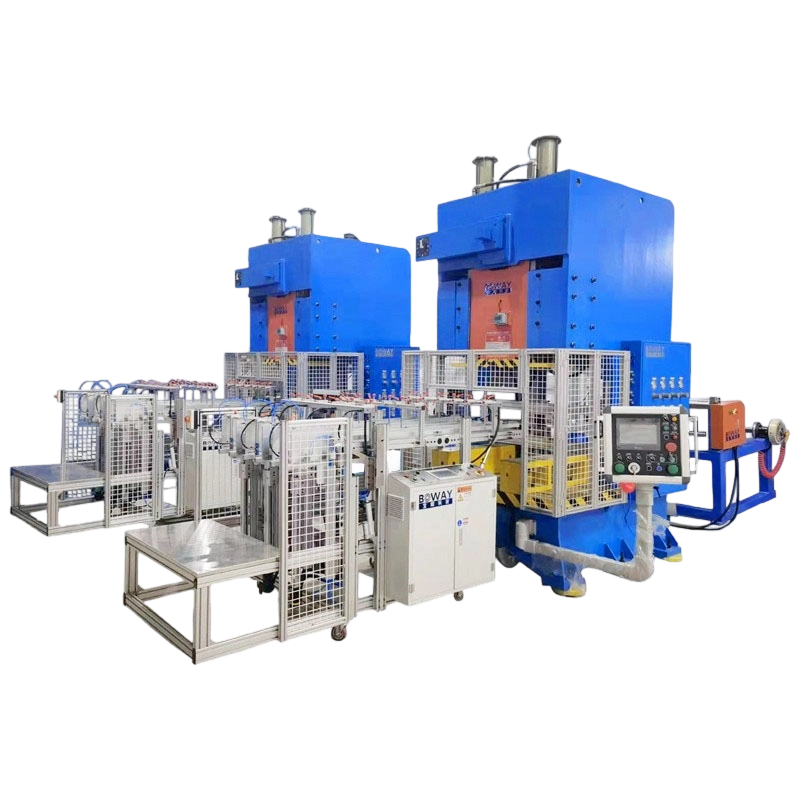
Ningbo Aikang Aluminum Foil Technology Co., Ltd. is a professional China aluminum foil container manufacturer and aluminum foil tableware factory, located in Haishu District, Ningbo — one of China's most important port cities. The company is committed to the design, development, and production of environmentally disposable aluminum foil products, offering practical and advanced packaging solutions that meet the dynamic requirements of global markets.
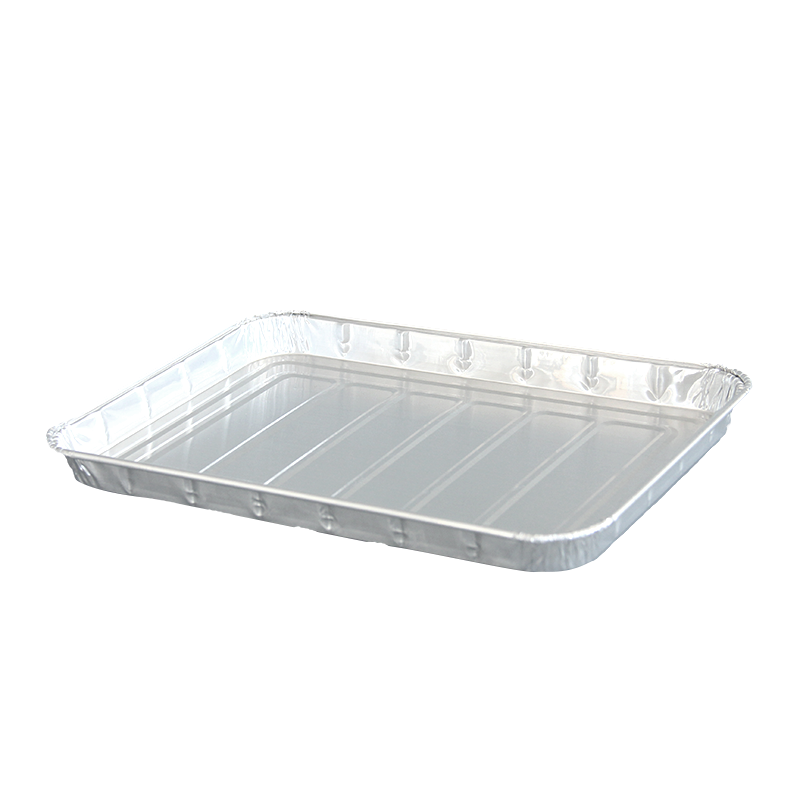
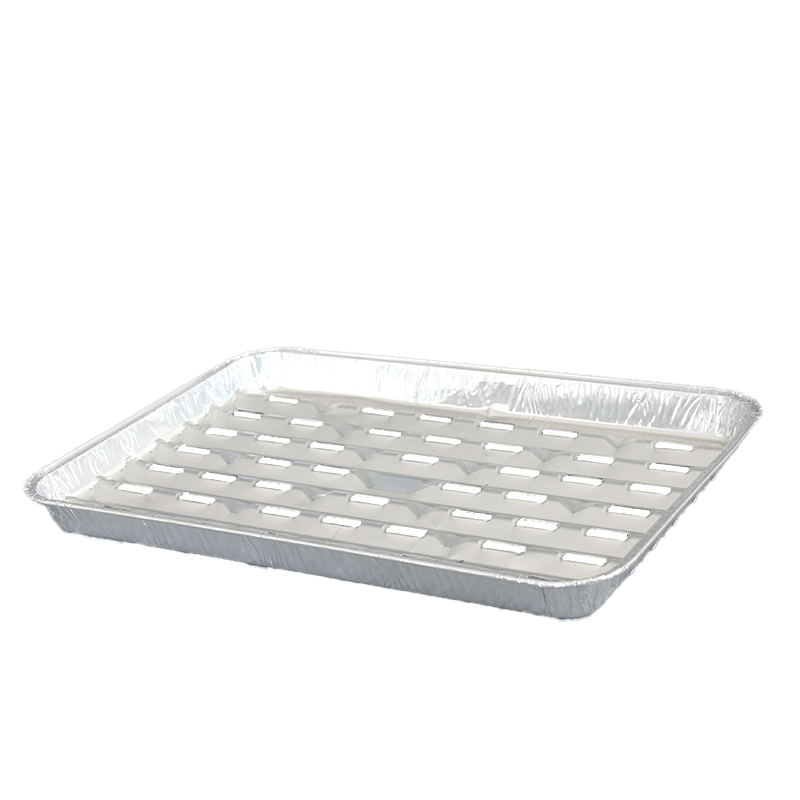
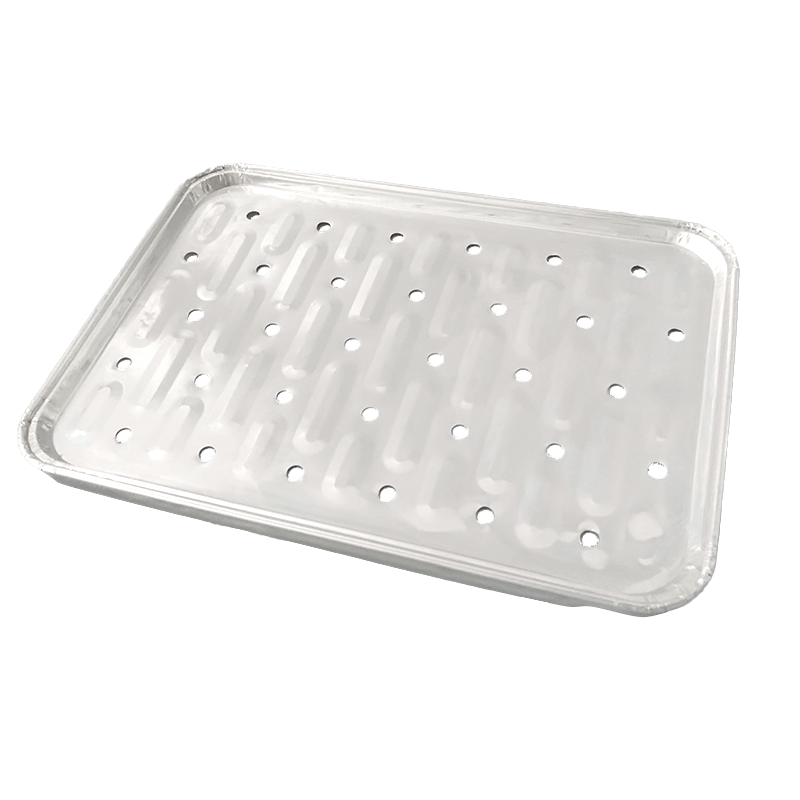
Aikang's main product lines include aviation aluminum foil containers, barbecue pans, turkey pans, aluminum loaf pans, and a wide variety of other foil containers. Multiple automatic production lines and proprietary molds ensure consistent quality and product diversity. With professional design capabilities, advanced manufacturing facilities, and a dedicated sales and service team, Aikang has established itself as a top-tier enterprise in the aluminum foil tableware industry. The company operates on the principle of sincerity and integrity, working toward win-win partnerships with clients at home and abroad.
Frequently Asked Questions About Aluminum Foil Tableware
Q1: What is aluminum foil tableware?
Aluminum foil tableware refers to food containers, trays, pans, and packaging made from food-grade aluminum alloy sheet, typically 0.04–0.20 mm thick. It includes takeaway containers, baking pans, airline meal trays, and barbecue dishes — all designed for cooking, serving, and food storage.
Q2: Can you put foil in the microwave?
No. Aluminum foil and aluminum foil containers should not be placed in a standard microwave. The metal reflects microwaves, causing arcing (sparks) that can damage the appliance and pose a fire risk. Transfer food to a microwave-safe dish before reheating.
Q3: Can aluminum trays go in the oven?
Yes. Aluminum trays are well-suited for conventional oven use. Standard-gauge trays are rated to approximately 400°F (205°C); heavy-gauge containers such as turkey pans can handle up to 450°F (232°C). Always place trays on a baking sheet for stability when they contain heavy food.
Q4: Can aluminum containers go in the freezer?
Yes — aluminum foil containers are excellent for freezer storage. Aluminum remains structurally intact at temperatures as low as -40°C and its barrier properties prevent freezer burn more effectively than most plastics. Sealed aluminium food containers with lids are ideal for freezer meal prep.
Q5: Can aluminum foil containers be used in air fryers?
Yes, with care. Air fryers use hot air circulation rather than microwave radiation, so aluminum is compatible. Use a smooth-sided tray that fits without blocking the basket vents, fill no more than two-thirds of the basket, and ensure the foil cannot be lifted by airflow to contact the heating element.
Q6: Is aluminum foil toxic when heated?
Aluminum foil is not toxic when used normally. Some aluminum migration into food can occur with acidic or salty foods at high temperatures, but levels remain within WHO and EFSA safe limits for typical use. Avoid prolonged storage of highly acidic foods (e.g. tomato-based sauces) in foil containers.
Q7: Can I put aluminum foil in the toaster oven?
Generally yes, but take precautions. Ensure the foil tray does not touch the walls, rack, or heating elements. Because toaster oven elements are closer to the food than in a full-size oven, clearance is critical. Check your appliance manual for specific guidance on metal container use.
Q8: Why choose aluminum foil food containers over plastic?
Aluminum foil containers offer superior heat tolerance, better food barrier properties, and a far higher recycling rate than most plastics. They go from freezer to oven without any transfer, keep food warm longer during delivery, and are recognized globally as a more sustainable disposable packaging material.
Choose AiKang for Top-Quality
Aluminum Foil Products
Explore Our
Featured Products

Ningbo Aikang Aluminum Foil Technology Co., Ltd, based in Ningbo, produces eco-friendly disposable aluminum foil products. They prioritize quality and customer satisfaction, serving the global market with innovative packaging solutions.


Quick Links
Contact
-
 No. 5 Yongxing East Road, Fengshan Street, Yuyao City, Zhejiang Province, China
-
 Tel: +86-15867468784
-
 E-mail: [email protected]
Send Us A Message
