
 English
 日本語
日本語 عربى
عربى Español
-
 01
01
Is Cooking in Aluminum Foil Safe? Myths vs Facts
Industry News-Bottom line first: Cooking in aluminum foil is generally safe for most foods under normal conditions. Scientific consensus from bodies including the World Health Organization (WHO) and the European Food Safety Authority (EFSA) confirms that dietary aluminum exposure from foil cookware remains well below the tolerable weekly intake of 2 mg per kilogram of body weight. However, certain foods—particularly highly acidic or salty ones cooked at elevated temperatures—can increase aluminum migration into food. Understanding the facts helps you use aluminum foil containers safely and effectively every single time.
Aluminum foil has been a kitchen staple for over a century, and today it appears across industries: from airline catering and hospital meal delivery to backyard barbecues and commercial food packaging. As aluminum foil tableware becomes ever more prevalent—driven by demand for convenient, hygienic, and Oven Safe & Air Fryer Safe Food Containers—consumers and food professionals alike deserve clear, research-backed answers about safety, best practices, and environmental impact.
This article examines the most common myths versus the verified scientific facts, provides practical guidelines for using aluminum foil containers for food delivery and cooking, and explains why quality manufacturing standards matter when choosing a supplier or product.
Content
- 1 What Science Actually Says About Aluminum and Food Safety
- 2 Top Myths About Cooking With Aluminum Foil — Debunked
- 3 Safe vs. Risky Uses: A Practical Comparison
- 4 Aluminum Foil Containers in Modern Food Service: Growth and Trends
- 5 Key Performance Factors: How Different Container Materials Compare
- 6 Aluminum Foil Containers in Different Cooking Appliances
- 7 Eco-Friendly Food Packaging: Aluminum's Environmental Credentials
- 8 Practical Tips for Safe and Effective Use of Aluminum Foil Containers
- 9 About Ningbo Aikang Aluminum Foil Technology Co., Ltd.
- 10 Frequently Asked Questions
What Science Actually Says About Aluminum and Food Safety
Aluminum is the third most abundant element on Earth and is naturally present in water, soil, and many plant-based foods. Humans consume small amounts of aluminum daily through vegetables, grains, tea, and drinking water—long before any foil-wrapped meal enters the picture. The average adult ingests approximately 7–9 mg of aluminum per day through diet, and the vast majority is excreted without accumulation in healthy individuals.
Research published in the International Journal of Electrochemical Science (Bassioni et al., 2012) found that cooking acidic foods like tomatoes or marinating meat with citrus in aluminum foil can increase aluminum content in the food. Specifically, aluminum levels rose to between 16 and 21 mg per kg of food under high-temperature acidic conditions. While this sounds alarming, context is key: it still falls below WHO-established safety thresholds for typical portion sizes and healthy adults.
The key variables that affect aluminum migration from foil to food are: temperature, cooking duration, acidity or saltiness of the food, and the surface area of foil in contact with the food. High-quality aluminum foil food containers from certified manufacturers are designed and tested to minimize these migration risks.
Figure 1: Aluminum content estimates across common food scenarios. Red bar represents the elevated migration possible when acidic foods are cooked at high temperatures in foil — still typically within safe dietary limits for adults. Sources: Bassioni et al. (2012); EFSA (2008).
The chart above illustrates that while acidic cooking conditions can push aluminum migration higher, the values remain within the range naturally found across many standard dietary sources. Most everyday uses of aluminum foil containers—reheating, baking neutral foods, storing cooked meals—pose no meaningful concern for healthy individuals.
Top Myths About Cooking With Aluminum Foil — Debunked
Myth 1: Aluminum foil causes Alzheimer's disease
This myth gained traction in the 1960s–1970s after researchers found elevated aluminum in the brains of Alzheimer's patients. However, decades of subsequent research have not established a causal link between aluminum cookware or foil use and Alzheimer's disease. The Alzheimer's Association and major neurological health bodies classify aluminum as an unconfirmed risk factor with no actionable evidence to support dietary aluminum as a trigger for the disease in healthy adults.
Myth 2: All aluminum foil containers leach dangerous levels of metal
Migration does occur, but "leaching" at dangerous levels is a myth for typical usage. Studies consistently show that migration from aluminum foil used in standard cooking and reheating is minimal. Quality-controlled food packaging aluminum tray factory products meet strict standards—including EN 602 in Europe and FDA guidelines in the US—ensuring that only trace amounts of aluminum transfer to food.
Myth 3: Aluminum foil is not recyclable or eco-friendly
Aluminum is one of the most recyclable materials on the planet. Recycling aluminum uses only 5% of the energy required to produce virgin aluminum (Aluminum Association, 2023). Clean aluminum foil containers can be recycled indefinitely without losing material quality. This makes aluminum a cornerstone material in Eco-Friendly Food Packaging Trends, especially as the food service industry moves toward reducing single-use plastics.
Myth 4: Foil cooking affects food taste
Aluminum foil is tasteless and odorless under normal cooking conditions. The only scenario where slight metallic taste has been reported is when highly acidic foods (vinegar-based marinades, tomato-heavy dishes) interact with foil over extended cooking periods. For neutral foods—vegetables, poultry, fish, bread, desserts—there is no detectable flavor impact whatsoever.
Safe vs. Risky Uses: A Practical Comparison
Understanding which scenarios are safe and which require extra caution helps consumers and food service professionals make informed choices. The table below summarizes research-backed guidance for common aluminum foil container applications.
| Use Case | Safety Level | Key Notes |
|---|---|---|
| Baking bread, cakes, pastries | High | Neutral pH; minimal migration. Ideal use case for aluminum loaf pans. |
| Roasting meats and poultry | High | Safe at standard oven temperatures (up to 450°F/230°C). |
| Grilling fish and vegetables | High | Barbecue pans and foil trays are well-suited for grill use. |
| Air fryer use | High | Aluminum foil containers are safe in air fryers at typical settings (up to 400°F). Do not block air circulation. |
| Cooking acidic sauces (tomato, vinegar) | Moderate | Increased migration at high temperatures. Use parchment liner or glass/ceramic for prolonged cooking of highly acidic foods. |
| Marinating with citrus or salt-heavy mixtures | Moderate | Avoid extended marinating directly in aluminum foil. Use a non-reactive bowl for marinating; switch to foil for cooking. |
| Microwave heating | Avoid | Metal in microwaves causes arcing and potential fire hazards. Always transfer to microwave-safe containers. |
The table above shows that the vast majority of everyday aluminum foil cooking tasks—baking, roasting, grilling, and air frying—carry a high safety rating. The moderate-risk scenarios are manageable with simple substitutions or timing adjustments. The only category to firmly avoid is microwave use, which is a safety concern unrelated to aluminum chemistry but rather to microwave physics.
Aluminum Foil Containers in Modern Food Service: Growth and Trends
The global aluminum foil container market has experienced remarkable growth over the past decade, driven by expansion in food delivery services, airline catering, hospital meal programs, and retail convenience food. The shift toward ready-to-eat and delivery-first food models has made aluminum foil containers for food delivery one of the fastest-growing segments in food packaging.
Demand from emerging markets and the ongoing substitution of plastic with aluminum in eco-conscious food service operations continue to fuel this upward trend. Companies seeking disposable aluminum trays wholesale or looking for a reliable aluminum foil food container supplier are responding to these structural market tailwinds.
Figure 2: Aluminum foil container market growth trajectory 2018–2027. The market is projected to nearly triple in size over this period, reflecting strong demand from food delivery, catering, and eco-packaging segments. (Sources: Industry analyst estimates, Grand View Research, Allied Market Research.)
This growth is not simply volume-based—it reflects a qualitative shift in how food packaging is viewed. Operators increasingly prioritize containers that are simultaneously heat-resistant, transport-durable, presentable, and recyclable. Aluminum foil containers satisfy all four criteria better than most competing materials, which explains why the market continues to expand even in a cost-sensitive environment.
Key Performance Factors: How Different Container Materials Compare
When food businesses evaluate packaging options—whether selecting a catering aluminum foil containers supplier or comparing materials for in-house use—they consider multiple performance dimensions. Aluminum foil consistently outperforms most alternatives on the criteria that matter most for professional food service applications.
Figure 3: Radar chart comparing aluminum foil containers vs. plastic containers across six key food service performance criteria. Aluminum's strongest advantages are heat resistance, recyclability, and versatility. Scores are composite estimates based on industry data and material science benchmarks.
The radar chart makes visually clear what food packaging experts have long recognized: aluminum foil containers occupy a uniquely strong position across almost all key performance dimensions simultaneously. Plastic may edge out aluminum on cost in some high-volume contexts, but the recyclability gap and heat resistance advantage for aluminum have become decisive factors as regulatory and consumer pressure builds against single-use plastics globally.
- Heat Resistance: Aluminum foil containers withstand temperatures from -40°C (frozen storage) to over 230°C (oven roasting) without deforming or releasing toxic compounds.
- Recyclability: Aluminum maintains its recyclable properties through countless recycling cycles — no degradation in material quality.
- Food Safety: When manufactured to food-grade standards, aluminum containers are inert for the vast majority of food types and cooking methods.
- Versatility: The same container can be used for freezing, oven cooking, and serving — reducing the need for multiple container types.
- Durability: Aluminum foil containers resist puncture, moisture penetration, and structural failure during transport far better than paper or thin plastic alternatives.
Aluminum Foil Containers in Different Cooking Appliances
One of the most common questions from both consumers and food businesses is whether aluminum foil containers can be used across different cooking appliances. The answer varies by appliance, and clarity here prevents both safety incidents and unnecessary product waste.
Oven
Aluminum foil containers are among the most reliable oven-safe food packaging options available. They conduct heat evenly, enabling efficient cooking and browning. Standard aluminum foil containers from a reputable aluminum foil tableware manufacturer are rated for oven use at temperatures up to 450°F (230°C), covering virtually all baking, roasting, and reheating applications. Turkey pans and aviation-grade containers, for example, are specifically engineered for high-volume oven cooking scenarios.
Air Fryer
Aluminum foil containers work well in air fryers, provided they do not obstruct the hot air circulation that makes air fryers effective. Use containers that fit the basket without covering the sides. Avoid placing empty foil containers in the air fryer, as lightweight foil can shift and contact heating elements. For most air fryer cooking at temperatures between 300–400°F (150–200°C), small aluminum foil containers are a practical and safe choice.
Grill / Barbecue
Purpose-made barbecue pans and aluminum foil trays are widely used in both residential and commercial grilling. They prevent food from falling through grill grates, reduce flare-ups from fat drips, and make cleanup effortless. When using aluminum foil containers on a grill, ensure the container sits stably on the grate and is not exposed to direct flame at excessively close range, as high direct-flame temperatures above 600°F (315°C) are unnecessary for most foods and can cause foil deformation.
Microwave
Aluminum foil containers should not be used in conventional microwave ovens. Metal reflects microwave energy and can cause arcing (sparking), which is both a fire risk and damaging to the appliance. Always transfer food from aluminum foil containers to a microwave-safe dish before reheating. This is a device compatibility issue, not a food safety chemistry issue.
Figure 4: Compatibility ratings for aluminum foil containers across common cooking appliances. Scores reflect safety, effectiveness, and suitability based on manufacturer guidelines and food safety research. Microwave use scores zero due to physical incompatibility — not a chemistry concern.
The chart reinforces a key message: aluminum foil containers are outstanding performers in oven, air fryer, and grill applications. Stovetop use is possible for some applications but less common. The microwave remains the single firm no-go, and this is a well-understood physical limitation rather than a health-safety concern.
Eco-Friendly Food Packaging: Aluminum's Environmental Credentials
The global food packaging industry is undergoing its most significant transformation in decades, driven by regulatory pressure, consumer preference, and corporate sustainability commitments. Aluminum sits at the center of Eco-Friendly Food Packaging Trends because it uniquely satisfies both functional and environmental requirements simultaneously.
Key environmental facts about aluminum foil containers:
- Recycling rate: Aluminum beverage cans have a recycling rate of approximately 73% in the US and even higher in some European countries. Food-grade foil containers follow similar recycling pathways when clean.
- Energy savings: Producing recycled aluminum uses 95% less energy than primary aluminum production (International Aluminium Institute, 2023).
- Infinite recyclability: Unlike paper or plastic, aluminum does not degrade in quality through repeated recycling cycles — it can be recycled indefinitely.
- Plastic displacement: As single-use plastic bans expand globally (EU Single-Use Plastics Directive, 2021), aluminum foil containers are the primary beneficiary material in food service.
- Carbon footprint: A life-cycle analysis by the European Aluminium Association found that recycled-content aluminum containers have a significantly lower carbon footprint per use than equivalent virgin plastic containers.
Figure 5: Recycling rates by packaging material type (US data, approximate). Aluminum leads among rigid food containers, reinforcing its position as the preferred choice for businesses committed to circular economy principles. (Sources: EPA, Aluminum Association, NAPCOR.)
Businesses sourcing disposable aluminum trays wholesale or working with a custom aluminum foil containers OEM partner now frequently include recyclability documentation as part of their supplier qualification process. This reflects both consumer demand and regulatory requirements in many markets where packaging sustainability is now mandatory disclosure, not optional.
Practical Tips for Safe and Effective Use of Aluminum Foil Containers
Getting the most out of aluminum foil containers is straightforward when you follow a few research-backed guidelines. These tips apply equally to home cooks, restaurant kitchens, and food service operations.
- Match the container to the task: Use heavy-gauge aluminum foil containers for extended roasting or large quantities; use standard gauge for reheating, individual portions, or takeout packaging.
- Avoid prolonged contact with acidic or salty foods at high temperatures: If your recipe features tomatoes, citrus, vinegar, or heavy salt, either use a parchment liner or reduce cooking time in foil where possible.
- Never seal airtight for steam-heavy cooking without leaving a vent: Tightly sealed aluminum containers can build steam pressure, especially for vegetables or fish. Fold back a corner to allow steam release.
- Rinse before recycling: Food-contaminated aluminum is often rejected by recycling facilities. A quick rinse before disposing ensures your containers enter the recycling stream successfully.
- Store in a cool, dry place: Quality aluminum foil containers from a certified food packaging aluminum tray factory have an indefinite shelf life when stored away from moisture and extreme heat before use.
- Do not use damaged containers: Cracked, sharply deformed, or punctured aluminum containers should be discarded or recycled, not reused for cooking.
- Check appliance compatibility each time: When in doubt about a new cooking appliance, consult its manual — aluminum foil guidance varies between specific air fryer and convection oven models.
About Ningbo Aikang Aluminum Foil Technology Co., Ltd.
Ningbo Aikang Aluminum Foil Technology Co., Ltd. is a leading China aluminum foil container manufacturer and aluminum foil tableware factory, headquartered in Haishu District, Ningbo — one of China's most strategically important port cities. The company is dedicated to the design, development, and production of environmentally responsible disposable aluminum foil products, delivering advanced packaging solutions that meet the evolving demands of global markets.
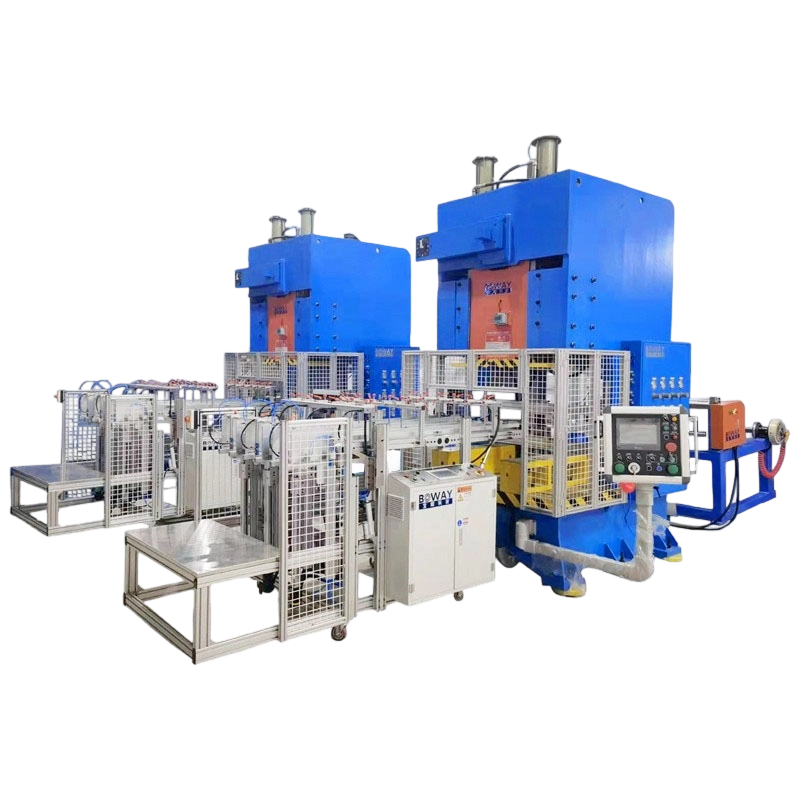
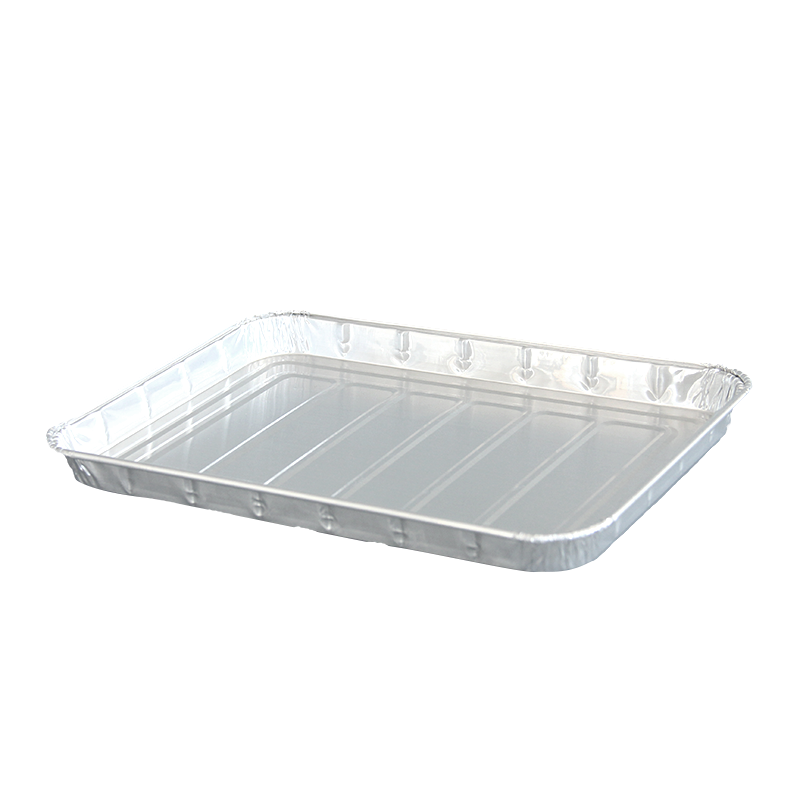
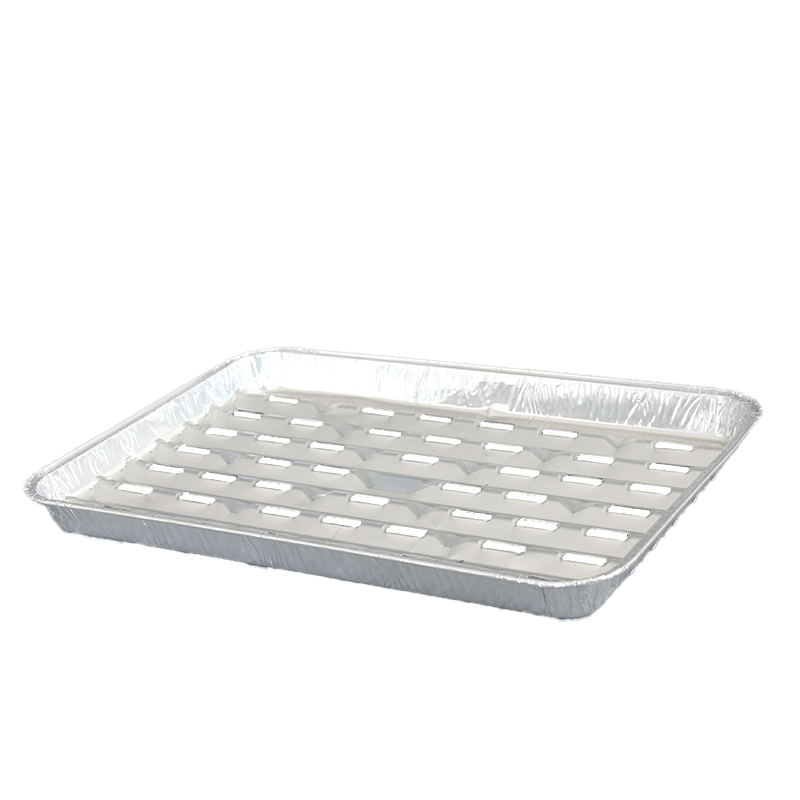
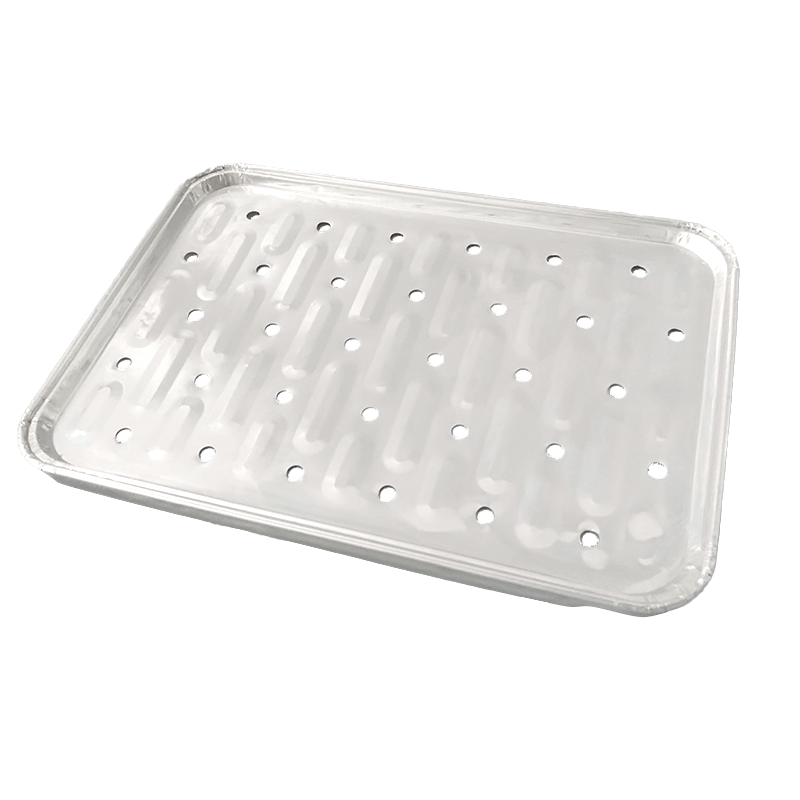
The core product range includes aviation aluminum foil containers, barbecue pans, Turkey pans, aluminum loaf pans, and a wide variety of custom and standard aluminum foil containers. Multiple automated production lines and purpose-built molds ensure consistent quality and the flexibility to accommodate diverse product specifications. With professional design capabilities, advanced manufacturing facilities, rigorously qualified products, and a dedicated sales and service team, Aikang has established itself as a top-tier enterprise within China's aluminum packaging sector.
Operating under the enduring principle of "sincerity and integrity," Aikang is committed to delivering the highest-quality products and service to customers both domestically and internationally, creating mutually beneficial partnerships built on trust and reliability. Whether you are looking for a catering aluminum foil containers supplier, need custom aluminum foil containers OEM solutions, or want to explore options for disposable aluminum trays wholesale, Aikang welcomes your inquiry and looks forward to a productive collaboration.
Frequently Asked Questions
Real questions from customers and food professionals about aluminum foil tableware.
Q1. Can you bake in aluminum foil containers?
Yes. Aluminum foil containers are excellent for baking. They conduct heat evenly and are rated for standard oven temperatures up to 450°F (230°C), making them ideal for cakes, breads, casseroles, and pies.
Q2. Are aluminum foil trays microwave safe?
No. Aluminum foil trays are not safe for conventional microwave ovens. Metal causes arcing in microwaves, which can damage the appliance or start a fire. Always transfer food to a microwave-safe dish before heating.
Q3. Can aluminum foil pans go in the air fryer?
Yes, with care. Use aluminum foil pans that fit the basket without blocking airflow, and ensure they contain food so they are not blown around by the circulating air. They are safe at typical air fryer temperatures (300–400°F).
Q4. Can you grill with aluminum foil trays?
Yes. Aluminum foil trays and barbecue pans are widely used on grills. They prevent food from falling through grates and minimize flare-ups. Keep them away from direct high flame to prevent unwanted deformation.
Q5. Do aluminum containers affect food taste?
Generally, no. Aluminum foil is tasteless and odorless. A slight metallic taste has been noted only when highly acidic foods are cooked in foil at high temperatures for extended periods — an uncommon scenario for most recipes.
Q6. What is aluminum foil tableware used for?
Aluminum foil tableware is used for baking, roasting, grilling, food storage, airline catering, hospital meal delivery, takeout packaging, and barbecue applications. Its versatility across cooking and storage makes it a preferred choice in professional food service.
Q7. Is aluminum foil safe for food?
Yes, for most foods and standard cooking conditions. Scientific bodies including WHO and EFSA confirm that dietary aluminum from normal foil use falls well within safe intake levels. Avoid extended cooking of highly acidic foods in foil as a simple precaution.
Q8. Can aluminum foil containers go in the oven?
Yes. Aluminum foil containers are specifically designed for oven use and are rated up to 450°F (230°C). They are among the safest, most convenient, and most widely used oven-safe food containers in both home and commercial kitchens.
Q9. What are aluminum foil food containers called?
They are variously called aluminum foil containers, foil trays, aluminum pans, foil tins, disposable aluminum trays, or aluminum foil tableware. In professional food service, terms like "catering foil containers" or "aviation meal trays" are also commonly used.
Q10. Are aluminum foil trays recyclable?
Yes. Clean aluminum foil trays are fully recyclable and accepted by most municipal recycling programs. A quick rinse to remove food residue before recycling is all that is required. Aluminum can be recycled indefinitely without loss of quality.
Choose AiKang for Top-Quality
Aluminum Foil Products
Explore Our
Featured Products

Ningbo Aikang Aluminum Foil Technology Co., Ltd, based in Ningbo, produces eco-friendly disposable aluminum foil products. They prioritize quality and customer satisfaction, serving the global market with innovative packaging solutions.


Quick Links
Contact
-
 No. 5 Yongxing East Road, Fengshan Street, Yuyao City, Zhejiang Province, China
-
 Tel: +86-15867468784
-
 E-mail: [email protected]
Send Us A Message
