
 English
 日本語
日本語 عربى
عربى Español
-
 01
01
Is it safe to cook with aluminum foil tableware?
Industry News-The direct answer: Yes, cooking with aluminum foil tableware is generally safe when used correctly. Decades of research and regulatory review from agencies including the FDA and EFSA confirm that aluminum foil containers and cookware pose no significant health risk under normal cooking conditions. The key lies in understanding temperature thresholds, food acidity, and best practices - all of which this article covers in detail.
Aluminum foil tableware has become one of the most widely used materials in kitchens, catering operations, and food packaging worldwide. Whether you are cooking on aluminum foil in the oven, wrapping items for the grill, or using pre-formed aluminum foil containers for baking and roasting, the material offers a practical, lightweight, and heat-efficient solution. Understanding the science behind its safety helps you make informed decisions every time you cook.
Content
- 1 What Happens When You Cook in Aluminum Foil?
- 2 Temperature Safety: What Limits Should You Know?
- 3 Aluminum Foil vs. Other Cooking Materials: A Safety Comparison
- 4 Radar Comparison: Aluminum Foil Tableware Performance Profile
- 5 Practical Best Practices for Cooking with Aluminum Foil
- 6 The Environmental Footprint of Aluminum Foil Tableware
- 7 Common Cooking Applications for Aluminum Foil Tableware
- 8 Global Safety Standards and Regulatory Compliance
- 9 About Ningbo Aikang Aluminum Foil Technology Co., Ltd.
- 10 Frequently Asked Questions
What Happens When You Cook in Aluminum Foil?
When heat is applied to aluminum foil, a small amount of aluminum can migrate into food. This is a well-documented phenomenon, but the amounts involved are consistently well below the safe tolerable weekly intake established by health authorities. The World Health Organization (WHO) sets the provisional tolerable weekly intake (PTWI) for aluminum at 2 mg per kilogram of body weight. For a 70 kg adult, that equates to 140 mg per week - far more than what leaches from routine cooking with aluminum foil.
Studies published in food science journals indicate that cooking aluminum foil at standard oven temperatures (up to 220C / 428F) results in aluminum migration of roughly 0.1 to 1.0 mg per kilogram of food - well within safe thresholds. Factors that increase migration include high acidity (tomatoes, citrus, vinegar), high salt concentration, and extended cooking times at very high temperatures.
Aluminum Migration by Food Type (mg/kg food)
Acidic and salty foods show the highest aluminum migration when cooking on aluminium foil, yet even these peak values remain far below the WHO's tolerable weekly intake of 2 mg/kg body weight. Dry baked goods produce negligible migration. This chart reinforces that everyday cooking with tin foil is safe for the overwhelming majority of meals. Choosing appropriate cooking methods and food pairings further minimizes any exposure.
Temperature Safety: What Limits Should You Know?
One of the most common questions about cooking with aluminum foil safe practices involves temperature. Aluminum foil used in food service and tableware applications typically has a melting point of approximately 660C (1220F) - vastly higher than any domestic oven or grill setting. Standard oven temperatures range from 150C to 260C, meaning the foil itself will never melt or structurally degrade during normal use.
However, there are practical temperature considerations. Most aluminum foil containers are rated for oven use up to 220-230C (428-446F) under standard cooking conditions. For broiling or high-heat applications, always verify the container specifications. Using aluminum foil on direct open flame without a support tray is not recommended, as uneven heating can cause localized thermal stress.
Aluminum Migration Rate vs. Cooking Temperature
This line chart illustrates how aluminum migration increases with cooking temperature, with acidic foods showing a steeper rise. Even at 260C with acidic food - a less typical home cooking scenario - migration remains below the WHO weekly intake threshold for a standard-sized meal. Neutral foods such as plain chicken, fish, or bread show consistently minimal migration across all temperature ranges. Understanding this relationship empowers cooks to choose the right food-foil combination confidently.
Aluminum Foil vs. Other Cooking Materials: A Safety Comparison
When choosing materials for cooking and food storage, it helps to compare aluminum foil containers against alternatives. Each material has specific strengths, limitations, and safety profiles. Aluminum cooking foil stands out for its combination of heat conductivity, hygiene, and disposability - making it particularly popular in catering, aviation meal service, and household baking.
| Material | Max Safe Temp | Chemical Leaching Risk | Recyclable | Oven Safe |
|---|---|---|---|---|
| Aluminum Foil | ~230C (practical) | Very Low (within limits) | Yes | Yes |
| Plastic Wrap (BPA-free) | ~120C | Moderate (at high temp) | Limited | No |
| Stainless Steel | 500C+ | Very Low | Yes | Yes |
| Non-stick Coated Pan | ~260C | Low-Moderate (if scratched) | No | Yes (limited) |
| Glass/Ceramic | ~250C | Negligible | Yes | Yes |
As the table shows, aluminum foil tableware compares favorably across most practical criteria. Its recyclability makes it a more environmentally considerate choice than many single-use plastics, and its oven-safe properties make it uniquely versatile. The chemical leaching risk remains very low compared to degraded non-stick coatings or heated plastics.
Radar Comparison: Aluminum Foil Tableware Performance Profile
To provide a more intuitive overview, the radar chart below compares aluminum foil tableware against two alternative materials across six key performance dimensions relevant to everyday cooking and food safety.
Material Performance Radar: Aluminum Foil vs. Alternatives
The radar chart highlights aluminum foil tableware's exceptional balance across all six dimensions. It leads in heat conductivity, hygiene (due to single-use sterility), convenience, and cost efficiency, while matching competitors on recyclability. Stainless steel scores higher on raw food safety due to absolute zero migration, but falls behind on convenience and cost. Glass and ceramic offer good food safety but rank lower on heat conductivity and convenience. For the vast majority of cooking scenarios, aluminum foil tableware provides an outstanding combination of practicality and safety.
Practical Best Practices for Cooking with Aluminum Foil
While cooking with tin foil and aluminum foil containers is broadly safe, adopting a few practical habits further minimizes any theoretical exposure and ensures optimal cooking results. These practices are supported by food science research and widely endorsed by culinary and health professionals.
Minimize Prolonged Contact with High-Acid Foods
When cooking on tin foil or cook in aluminum foil scenarios, avoid marinating highly acidic foods (tomato-based sauces, citrus-heavy marinades, vinegar dressings) in aluminum containers for extended periods before cooking. Transfer them to aluminum foil containers only when ready to cook, rather than storing overnight. This single habit significantly reduces any aluminum transfer.
Use the Correct Side of the Foil
Standard aluminum foil has a shiny side and a matte side. While the difference in cooking performance is minimal for most applications, many professional cooks prefer placing the shiny side toward the food when wrapping, as the reflective surface can help retain moisture. For formed aluminum foil containers, the cooking surface is pre-engineered for food contact and no additional consideration is needed.
Avoid Microwave Use Unless Specified
Aluminum foil and aluminum foil containers should not be used in conventional microwave ovens unless the appliance manufacturer explicitly states compatibility with metal containers. Some newer microwave convection ovens do support metal containers - always check the manual. For reheating in a standard microwave, transfer food to a microwave-safe dish.
Do Not Scrub or Reuse Foil Containers Beyond Their Design
Pre-formed aluminum foil containers are designed as single-use or limited-reuse food service items. Their structural integrity is optimized for a defined number of heating cycles. While many can be rinsed and reused once or twice for dry foods, repeated use with moist acidic foods is not recommended. When the surface shows signs of pitting or darkening, replace the container.
- Use aluminum foil containers within their rated temperature range (typically up to 220C for most household applications)
- Avoid combining cook on aluminum foil with highly salted and acidic foods for long cooking times
- Store leftovers in a different container rather than leaving food in aluminum foil for extended refrigeration
- Purchase aluminum foil tableware from reputable manufacturers that meet food-grade standards (FDA 21 CFR, EU Regulation 10/2011, or equivalent)
- Recycle used aluminum foil containers - aluminum is infinitely recyclable and retains its properties through multiple recycling cycles
The Environmental Footprint of Aluminum Foil Tableware
Beyond personal safety, many consumers and procurement managers consider the environmental impact of aluminum cooking foil. Aluminum has a distinctive sustainability story: while its primary production is energy-intensive, recycled aluminum requires only about 5% of the energy needed for virgin production. The global aluminum recycling rate for packaging hovers around 60-70%, with some markets such as the EU exceeding 75% for foil containers.
Compared to single-use plastics, aluminum foil containers offer a more circular lifecycle. Unlike plastics, aluminum does not degrade into microparticles that persist in soil and waterways. Its inert, non-toxic structure after recycling makes it one of the more responsible disposable materials available for food service applications.
Energy Intensity: Virgin vs. Recycled Production (MJ/kg)
The column chart makes the energy story unmistakably clear: recycled aluminum requires just 8.5 MJ/kg to produce, compared to 170 MJ/kg for primary aluminum smelting - a reduction of approximately 95%. This dramatic difference means that recycling your aluminum foil containers is not merely symbolic; it is one of the most impactful material recycling choices available to households and businesses. Even compared to plastic production at 80 MJ/kg, recycled aluminum is far more energy-efficient, reinforcing the environmental case for choosing recyclable aluminum foil tableware over single-use plastics.
Common Cooking Applications for Aluminum Foil Tableware
The versatility of aluminum foil tableware makes it a staple across a wide range of culinary applications. From aviation meal service to backyard barbecues, aluminum foil containers are used across the entire food service spectrum. Understanding the most effective applications helps you get the best results from cooking with foil.
Oven Roasting and Baking
Aluminum foil containers - including loaf pans, roasting pans, and baking trays - are ideal for oven use. Their excellent thermal conductivity ensures even heat distribution, which is critical for baking bread, roasting meats, and preparing casseroles. Cooking in aluminum foil pans also minimizes cleanup and reduces the need for oil or non-stick spray in many applications.
Grilling and BBQ
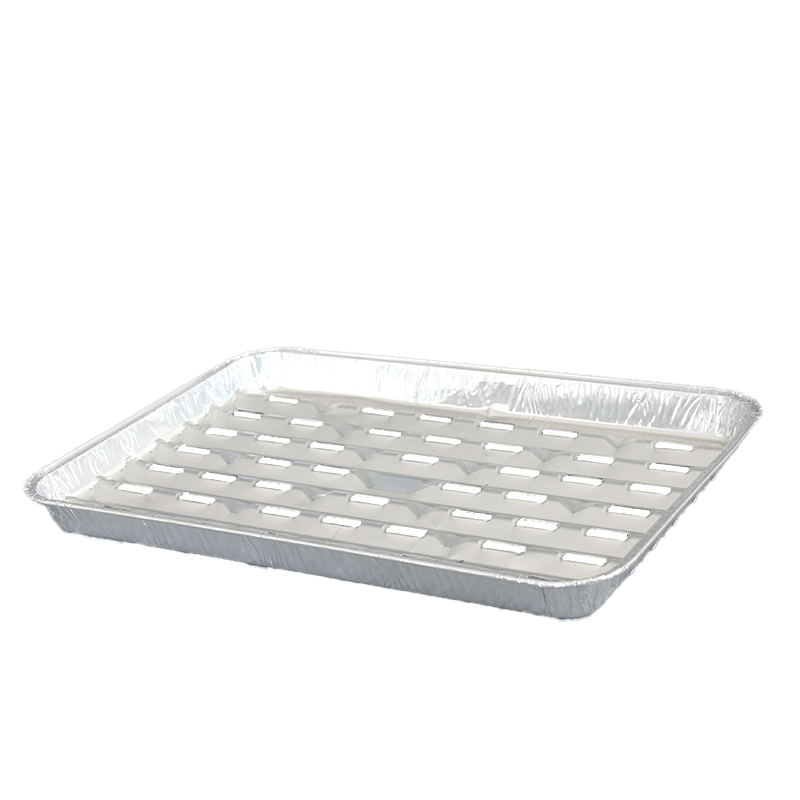
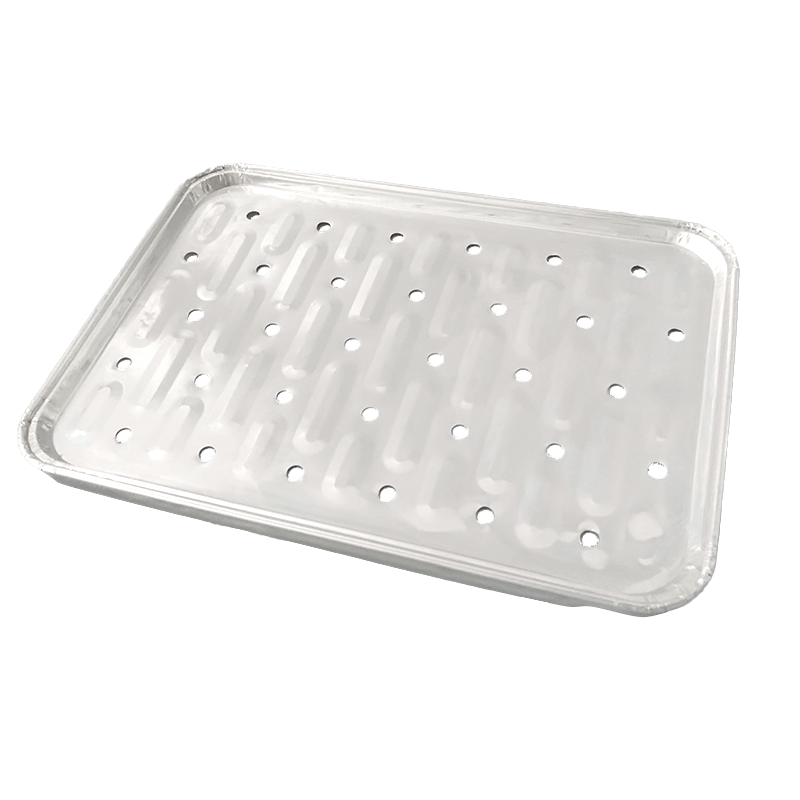
Cooking on aluminum foil on a grill is a beloved technique for everything from vegetables and fish to seasoned potatoes. Placing food in a formed aluminum foil pan or wrapping it in a foil packet keeps moisture and flavors locked in while protecting delicate foods from direct flame. Aluminum foil barbecue pans are designed to withstand the thermal demands of outdoor grilling without warping.
Catering, Aviation, and Meal Prep
Aviation aluminum foil containers are a specialized product category, engineered for the unique requirements of in-flight meal service. These containers must maintain structural integrity through freezing, reheating, and pressurized environments. Their hygienic, sealed design ensures food safety throughout the supply chain - a key advantage of aluminum foil tableware over reusable containers in high-volume food service.
Holiday and Large-Batch Cooking
Turkey pans and large-format aluminum foil roasters are particularly popular for holiday cooking. Their size and rigidity support heavy cuts of meat without buckling, and their disposable nature eliminates the post-holiday challenge of cleaning heavily soiled roasting pans. Using a full-size aluminum foil roasting pan for a 6-8 kg turkey is one of the most practical applications of aluminum foil tableware in home cooking.
Global Safety Standards and Regulatory Compliance
Aluminum foil used in food contact applications is subject to rigorous regulatory frameworks across major markets. Reputable manufacturers of aluminum foil containers and aluminum foil tableware comply with these standards to ensure consistent food safety. Key frameworks include:
- FDA 21 CFR (USA): The US Food and Drug Administration's Code of Federal Regulations Part 21 specifies permitted materials and migration limits for food contact substances, including aluminum.
- EU Regulation 10/2011: The European Union's Plastics Implementation Measure provides guidelines for food contact materials. Aluminum foil products for the EU market undergo compliance testing against specific migration limits.
- GB 4806.9-2016 (China): China's national food safety standard for metal materials in food contact, setting migration limits and hygiene requirements for aluminum products.
- LFGB (Germany) / BFSR standards: Additional testing protocols often required for export to European markets, covering overall migration and specific substance limits.
Purchasing aluminum foil tableware from manufacturers with verifiable compliance documentation provides an additional layer of assurance beyond the general safety data. Certifications and third-party test reports should be available on request from reputable suppliers.
About Ningbo Aikang Aluminum Foil Technology Co., Ltd.
Ningbo Aikang Aluminum Foil Technology Co., Ltd. is a professional manufacturer and factory of aluminum foil containers and aluminum foil tableware, headquartered in Haishu District, Ningbo - one of China's most strategically important port cities. The company is fully committed to the design, development, and production of environmentally responsible disposable aluminum foil products, offering practical and advanced packaging solutions that adapt to the dynamic needs of global markets.
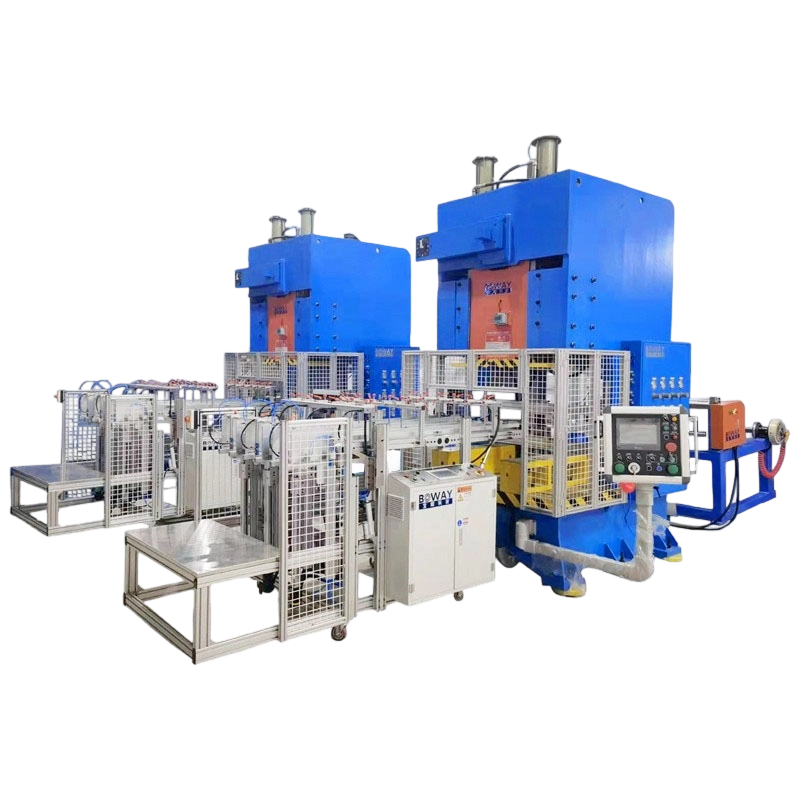
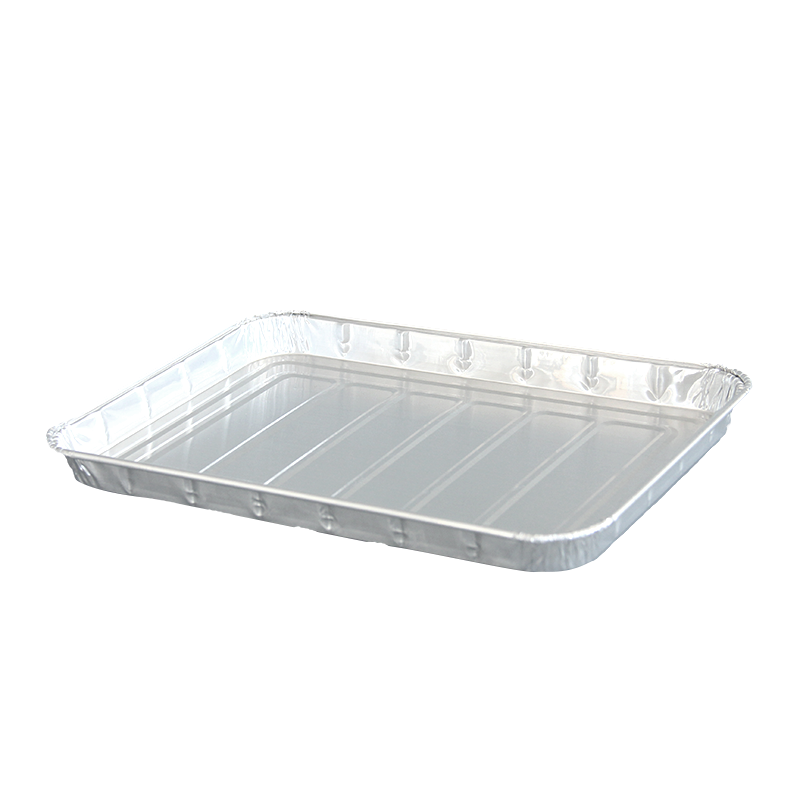
The core product range includes aviation aluminum foil containers, barbecue pans, Turkey pans, aluminum loaf pans, and a broad variety of customized aluminum foil containers. Aikang has invested in multiple automatic production lines and precision molds, ensuring consistent quality and product diversity at scale. With professional design capabilities, advanced manufacturing infrastructure, comprehensive quality systems, and a dedicated global sales and service team, Aikang has established itself as a leading enterprise in China's aluminum foil packaging industry.
Operating under the guiding principle of "sincerity and integrity," Aikang is committed to delivering the best products and services to customers both domestically and internationally - creating lasting, mutually beneficial partnerships with clients around the world.
Frequently Asked Questions
Below are the most common questions real customers ask about cooking with aluminum foil and aluminum foil tableware - answered clearly and concisely.
Q1. Is cooking with aluminum foil safe for everyday use?
Yes. Regulatory bodies including the FDA and EFSA confirm that aluminum migration during normal cooking remains well within safe weekly intake limits. Everyday use for baking, roasting, and grilling presents no established health risk for healthy adults.
Q2. Can you cook acidic foods like tomatoes in aluminum foil?
You can, though acidic foods do increase aluminum migration slightly. For occasional use, the amounts involved remain within safe thresholds. For regular cooking of highly acidic dishes, using a glass or ceramic container for the marinating stage and transferring to aluminum foil for cooking is a practical approach.
Q3. Can I put aluminum foil containers in the microwave?
Standard microwave ovens are not compatible with aluminum foil or metal containers, as this can cause arcing. Some combination microwave-convection ovens specifically support metal containers - always check the manufacturer's instructions before attempting to microwave aluminum foil tableware.
Q4. What temperature can aluminum foil withstand in the oven?
Aluminum foil has a melting point of around 660C, far above any domestic oven temperature. For practical use, most aluminum foil containers are engineered and tested for use up to approximately 220-230C (428-446F), covering the full range of standard baking and roasting temperatures.
Q5. Are aluminum foil containers recyclable?
Yes. Aluminum is one of the most recyclable materials available. Clean aluminum foil containers can typically be placed in household aluminum or metal recycling streams. Recycling aluminum uses approximately 95% less energy than producing primary aluminum, making this one of the most impactful recycling choices consumers can make.
Q6. Which side of aluminum foil should face the food?
Both sides of food-grade aluminum foil are safe for food contact. The shiny and matte sides result from the manufacturing rolling process and do not differ in food safety characteristics. For moisture retention when wrapping food, some cooks prefer the shiny side inward, but this has minimal practical impact on cooking outcomes.
Q7. Can aluminum foil be used on a gas grill or BBQ?
Yes. Aluminum foil and aluminum foil BBQ pans are well-suited to gas and charcoal grills. Placing a formed aluminum foil pan on the grill grate, or creating foil packets for vegetables and fish, is a widely used technique. The foil distributes heat evenly and contains juices, reducing flare-ups while keeping food moist and flavorful.
Q8. How do I choose the right aluminum foil container for baking?
Select a container that matches your recipe's volume requirements and the oven temperature you plan to use. Look for food-grade certification and adequate wall thickness for structural support. Loaf pans suit bread and meatloaf; flat sheet containers suit cookies and pastries; deep roasters suit poultry and casseroles. Always verify the container's rated temperature range on the packaging.
Choose AiKang for Top-Quality
Aluminum Foil Products
Explore Our
Featured Products

Ningbo Aikang Aluminum Foil Technology Co., Ltd, based in Ningbo, produces eco-friendly disposable aluminum foil products. They prioritize quality and customer satisfaction, serving the global market with innovative packaging solutions.


Quick Links
Contact
-
 No. 5 Yongxing East Road, Fengshan Street, Yuyao City, Zhejiang Province, China
-
 Tel: +86-15867468784
-
 E-mail: [email protected]
Send Us A Message
