
 English
 日本語
 عربى
 Español

-
 01
Aluminum Foil Containers Manufacturer: Specs, Tooling and Sourcing Guide
Industry News-Send the same drawing — an 850 ml oblong tray, 8011 alloy, 0.07 mm gauge — to three aluminum foil container manufacturers, and the unit prices you get back usually spread far wider than any metal price move of the past quarter. The aluminium is almost never the reason. The gap comes from tooling amortisation, temper choice, gauge tolerance, nesting depth and how many cartons actually fit into a 40-foot container.
So the practical answer first: choose a supplier on four things — the tolerance band on the drawing, who owns the mold, how the product nests for shipping, and whether the food-contact documentation arrives with the pallet. Everything else is negotiable. What follows is how those four items behave in real purchasing situations, and which checkpoints to put into your first order.
Content
- 1 The Four Numbers That Decide Whether a Container Performs
- 2 Gauge Tolerance Is the Specification Buyers Under-Specify
- 3 Matching Format to Application
- 4 Manufacturer, Converter, Trader: Why the Word Matters
- 5 When a Product Line and a Production Line Come From One Supplier
- 6 Documentation That Should Arrive Before the Container Does
- 7 Comparing Two Quotes Line by Line
- 8 Frequently Asked Questions
The Four Numbers That Decide Whether a Container Performs
A container drawing carries dozens of dimensions, but four of them determine whether a tray survives an oven cycle, a drop test and a stacked pallet.
- Alloy. 8011 is the workhorse of food-contact foil; 3003 appears where more strength is needed, typically large roasting pans and deep steam-table trays.
- Temper. H22 and H24 are strain-hardened and stabilised, which keeps the sidewall stiff under load. Fully annealed (O) material forms more easily around deep draws but sags when filled.
- Gauge, with a tolerance band. "0.07 mm" means nothing without a plus-or-minus figure attached to it. On a 0.07 mm tray, a ±0.005 mm band is ±7% of the metal content.
- Rim and corner geometry. The curled rim is a structural element, not a cosmetic detail — it resists ovalisation when the tray is carried one-handed.
Section through a typical oblong tray: where stiffness is built in.
Where the strength actually comes from
Buyers often assume thicker foil is the only lever. In practice the rim curl, the corner radius and the base emboss contribute as much as the gauge. A 0.06 mm tray with a well-formed double curl will out-perform a 0.07 mm tray with a shallow single curl, because the failure mode is almost always the sidewall bowing outward under a hot, dense load — not the base puncturing.
Gauge Tolerance Is the Specification Buyers Under-Specify
Gauge is the number everyone quotes and the number almost nobody audits. A 0.008 mm shortfall against a 0.07 mm nominal is roughly 11% less aluminium per tray, and it is about 11% less stiffness as well. The consequence does not show up in the warehouse; it shows up when a caterer lifts a loaded tray by one corner and the sidewall gives way.
Typical foil gauge by container type (mm)
Indicative commercial ranges. Confirm the exact gauge and tolerance on your approved drawing.
Two habits close this gap cheaply. First, write the tolerance band into the purchase order instead of the nominal figure alone. Second, ask for a micrometer reading sheet per production lot, taken at four points across the blank. A supplier who already records this will send it within a day; one who does not has told you something useful.
Matching Format to Application
Format decisions get made early and are expensive to reverse, because every format is a mold. The table below maps the common commercial shapes to their natural applications.
| Format | Capacity range | Typical application | What to verify |
|---|---|---|---|
| Oblong / rectangular | 150–1500 ml | Takeout entrees, meal prep, catering | Corner radius, nesting depth |
| Compartment tray (2–4) | 850–1000 ml | Plated meals, side dishes | Divider seal integrity |
| Round bowl or cup | 150–1450 ml | Soups, rice, desserts | Rim flatness for lidding |
| Round takeout | 700–1200 ml (7–9 inch) | Single servings, delivery | Rim diameter against lid stock |
| Roasting or turkey pan | 2200–5000 ml | Whole birds, batch roasting | Sidewall gauge, handle rigidity |
| Loaf / Danish tray | 400–1500 ml | Baking, bread, pastries | Base emboss, release behaviour |
One detail worth raising before the mold is cut: nesting depth. Two containers of identical capacity can differ by around 20% in carton volume depending on how deeply they stack. That difference travels straight into freight cost per unit, and it is fixed forever once the tooling exists.
Manufacturer, Converter, Trader: Why the Word Matters
The phrase "aluminum foil containers manufacturer" is used loosely. Three different businesses hide behind it. A primary producer rolls ingot into foil sheet. A converter buys that sheet and forms containers through press and mold. A trader sources from converters and handles documentation and consolidation. None is inherently better, but the answer changes who you call when a lot fails inspection.
Ask directly: who owns the mold, where does the foil come from, and can I see the press that will run my job? A converter answers all three in one sentence. If you are sourcing finished disposable aluminum foil containers at volume across several formats, working with the forming facility usually shortens both the sampling loop and the corrective-action loop.
When a Product Line and a Production Line Come From One Supplier
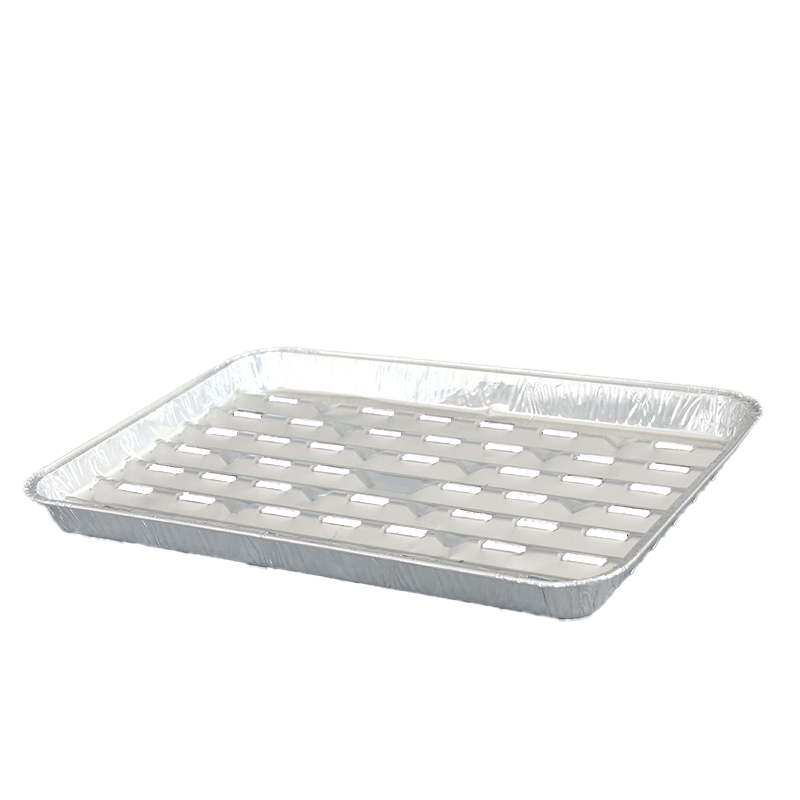
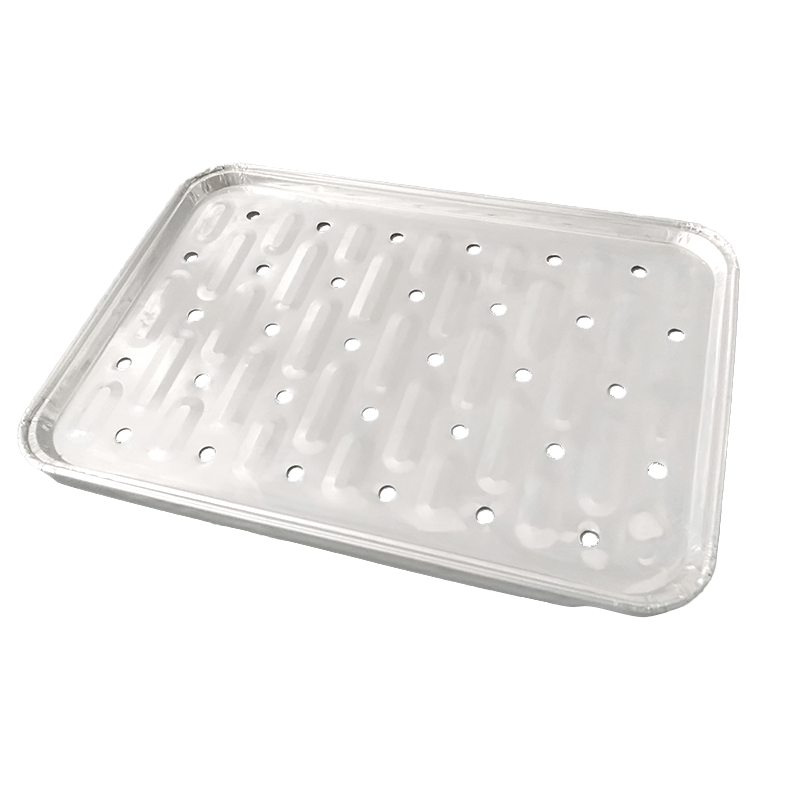
Ningbo Aikang Aluminum Foil Technology Co., Ltd is located in Haishu District, Ningbo, one of the most important port cities in China. The company is committed to the design, development, and production of environmentally disposable aluminum foil products and providing practical and advanced packaging solutions to meet the dynamic change of the market. The main products consist of aviation aluminum foil containers, barbecue pans, Turkey pans, aluminum loaf pans, and other varied aluminum foil containers. Moreover, the company has developed several automatic production lines and molds to fully ensure the quality and diversity of the products. Equipped with professional design, advanced manufacturing facilities, and molds, qualified products, and a dedicated sales and service team, Aikang has ranked itself the top-notch enterprise in China.
That combination matters at the specification stage. A supplier who also builds the forming equipment tends to talk about tooling life, stroke rate and scrap recovery in the same conversation as container dimensions — which is exactly the vocabulary a buyer needs when a mold has to last for millions of impressions.
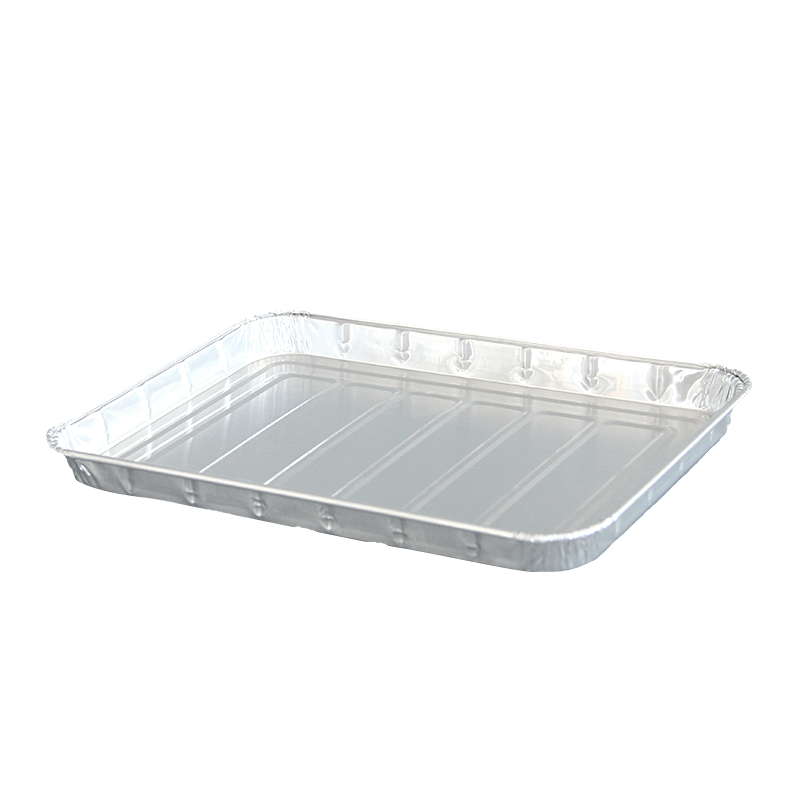
 850ml Oblong Disposable Aluminum Foil Food Container IK220SA custom rectangular container with 850 ml capacity, sealing and grease-resistant properties, and an optional PS lid for takeaway or baked foods.View Product →
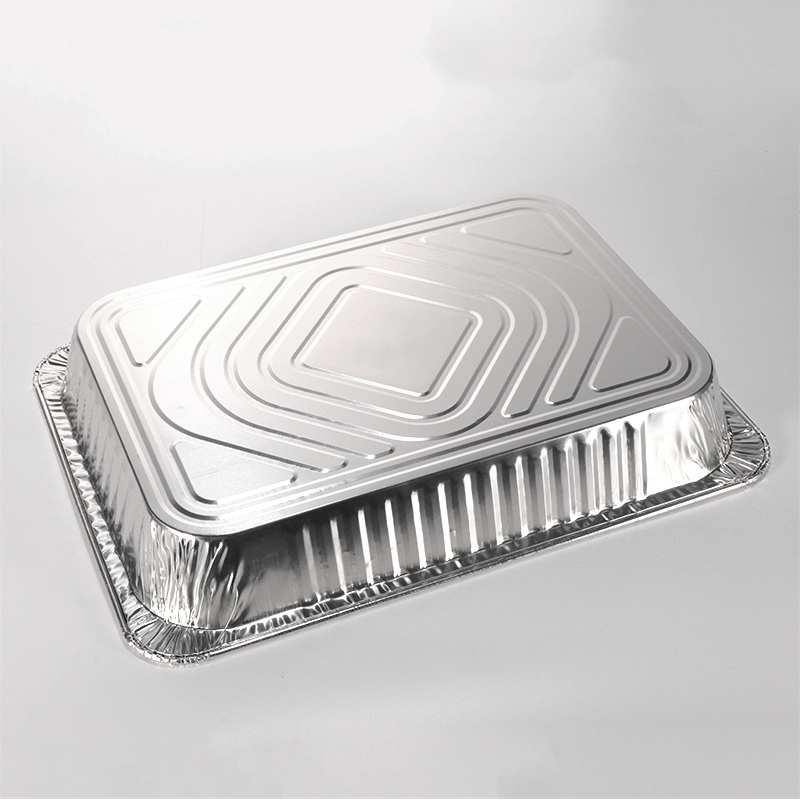 Large-Capacity 5000ml Oblong Aluminum Foil Pan IK410A 5000 ml disposable foil pan with thickened food-grade construction, full curl rim, and wide edge for carrying heavy banquet or catering portions.View Product →
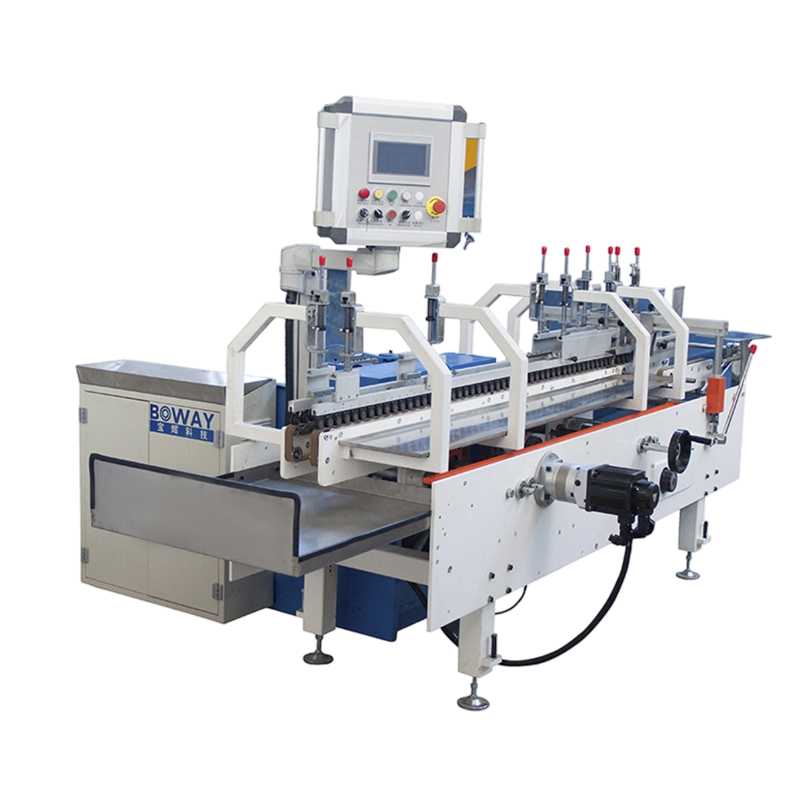
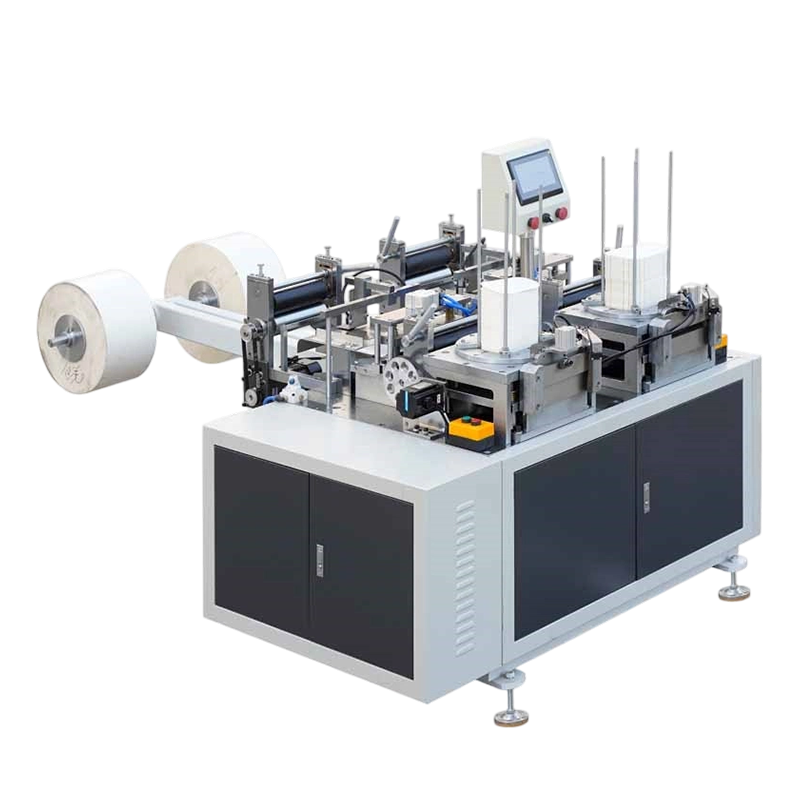
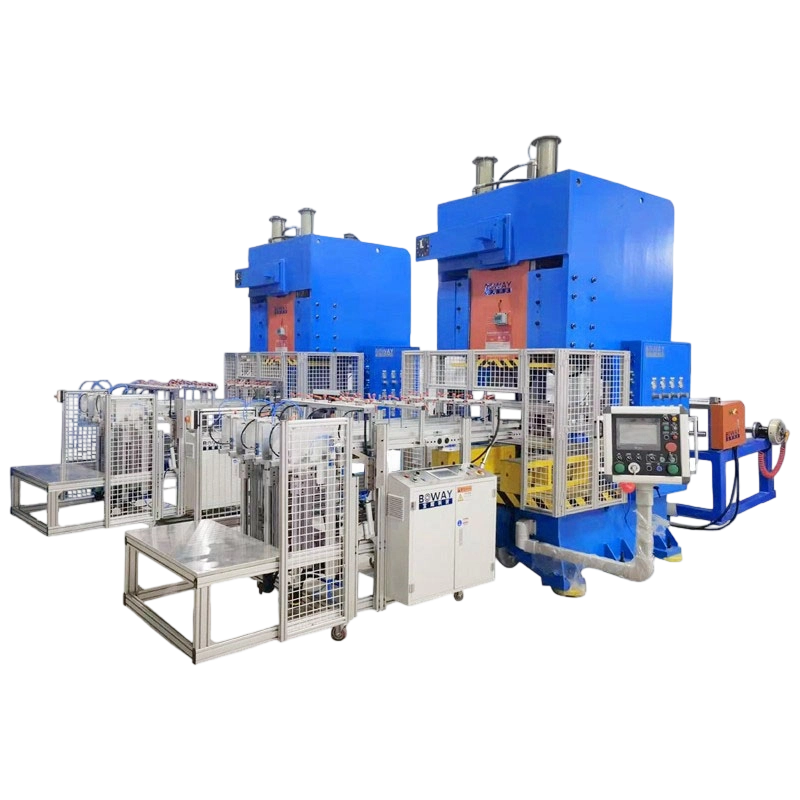
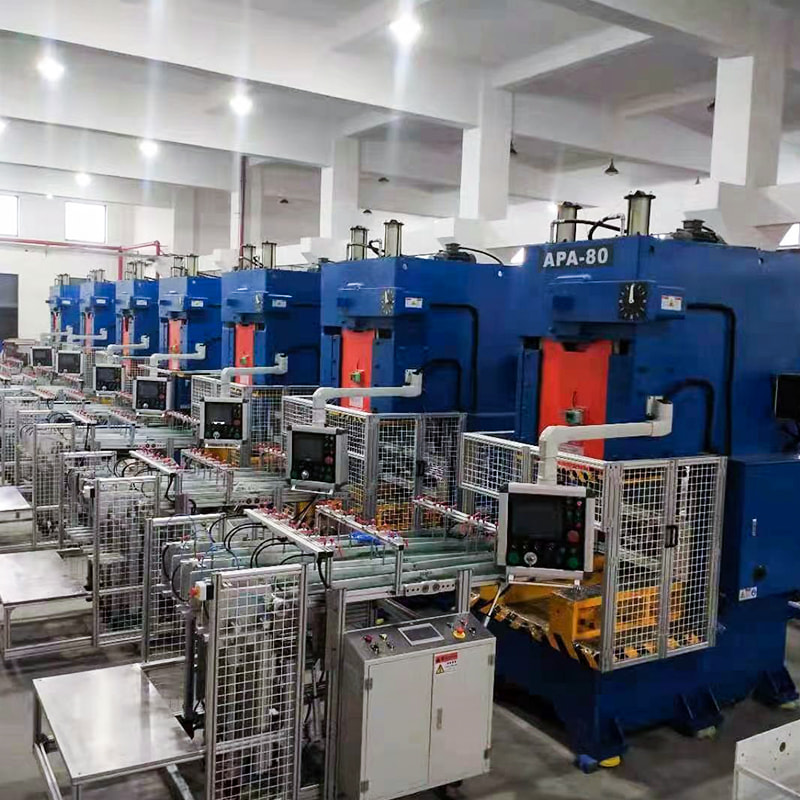 Complete Aluminum Foil Container Production LineA turnkey automated line integrating foil feeding, forming, stacking, scrap recycling, and packaging, with 80-ton or 200-ton press options and PLC control.View Product →
The company has and will always hold the principle of "sincerity and integrity" to provide the best products and service to the customers at home and abroad and finally create a double-win situation. Looking forward to your visit and the cooperation with your esteemed company.
Documentation That Should Arrive Before the Container Does
Food-contact paper is the part of a shipment that gets checked last and regretted first. A routine file for a foil container order contains the following:
- A declaration of compliance referencing EU 1935/2004 and the applicable national rules for aluminium in food contact.
- Migration test data from an accredited laboratory, with the test conditions stated — fatty, aqueous and acidic simulants behave very differently.
- A certificate of analysis per lot, covering alloy, temper, gauge and dimensional check.
- Coating or lacquer specification, where an internal coating is used, with the corresponding FDA 21 CFR 175.300 reference for US-bound goods.
- Recycling or environmental documentation, increasingly requested by retail and airline customers.
Requests for this pack are a useful filter in themselves. Suppliers who hold a current environmental certification and an organised compliance file usually answer within a working day; the others tend to send a brochure.
Comparing Two Quotes Line by Line
Once gauge, temper and format are normalised, the remaining spread between suppliers is genuinely labour, tooling amortisation and margin. Use this sequence to get there:
- Convert both quotes to a cost per 1,000 units, landed, including carton dimensions and units per carton.
- Separate the tooling fee from the unit price, and confirm who owns the mold and whether it transfers to you.
- Check the tolerance band, not just the nominal gauge, and ask for the measuring method.
- Confirm the temper designation in writing; H22 and O are not interchangeable at the same price.
- Request pre-production samples from your actual mold, then fill, heat and drop-test them.
- Agree the packing configuration — polybag, carton count, pallet pattern — because this is where freight surprises come from.
Frequently Asked Questions
Q1. What is the minimum order for a custom container?
Stock formats usually ship by the carton. A new mold is quoted separately, with the first-run quantity agreed case by case. Ask for the tooling fee, the mold ownership terms and the lead time in writing — the fee is the item that varies most between suppliers.
Q2. Are aluminum foil containers oven-safe and microwave-safe?
They handle normal baking and roasting temperatures without deforming, which is why they suit ovens and air fryers. In a microwave, keep to shallow trays, make sure food covers the base, and never let foil touch the cavity walls or use metal lids.
Q3. How can I check quality before placing a full order?
Request pre-production samples from the actual mold rather than from stock. Measure gauge at four points, fill the tray with hot water, and drop a loaded tray from about 40 cm. Those three checks expose most tooling problems before the container is ever shipped.
Q4. How many containers fit in a 40-foot container?
It depends on nesting depth and carton size more than on capacity. Two trays of the same volume can differ by roughly 20% in packed carton height. Ask for carton dimensions and units per carton before you compare landed cost.
Q5. Can containers be embossed or printed with our brand?
Embossing comes from the mold itself and is effectively free at volume. Printing on foil is a separate process with its own minimums and artwork requirements. Both decisions should be settled before the mold is cut.
Q6. Why are quotes from different manufacturers so far apart?
Usually four reasons: a different gauge, a different temper, tooling amortised over a different volume, and different packing density. Normalise those four items first — the remaining difference is labour and margin, and that is where negotiation actually works.
Choose AiKang for Top-Quality
Aluminum Foil Products
Explore Our
Featured Products

Ningbo Aikang Aluminum Foil Technology Co., Ltd, based in Ningbo, produces eco-friendly disposable aluminum foil products. They prioritize quality and customer satisfaction, serving the global market with innovative packaging solutions.


Quick Links
Contact
-
 No. 5 Yongxing East Road, Fengshan Street, Yuyao City, Zhejiang Province, China
-
 Tel: +86-15867468784
-
 E-mail: [email protected]
Send Us A Message
