
 English
 日本語
 عربى
 Español

-
 01
Aluminium Tray Sizes: The Complete Guide to Choosing the Right Foil Pan
Industry News-The most common foodservice mistake when buying aluminium trays is not about foil thickness or rim design — it is about size. Choose a full-size pan for an oven that only fits half-size trays, and you lose an entire production batch. Undersize a roasting tray for a large turkey, and juices spill over the rim before the bird is fully cooked. The fix is simple: aluminium tray sizes follow a standard system, and once you understand it, selecting the right tray for baking, catering, takeout, and storage becomes a straightforward calculation.
This guide explains the standard size classifications, what millilitre capacity ratings actually mean, how to choose between full-size and half-size trays, and what to verify before placing a bulk order.
Content
Standard Aluminium Tray Sizes at a Glance
The commercial kitchen sizing system is built around the full-size tray. Half, quarter, and sixth sizes divide that footprint into standard increments, which is why trays, steam table pans, and lids can work interchangeably across suppliers. Most manufacturers also use gastronorm (GN) designations: GN 1/1 equals a full-size tray, GN 1/2 is half-size, GN 1/4 is quarter-size, and GN 1/6 is sixth-size.
| Size name | Length × width (in) | Length × width (mm) | Typical use |
|---|---|---|---|
| Full-size (GN 1/1) | 20.75 × 12.75 | 527 × 324 | Large roasts, bulk baking, transport |
| Half-size (GN 1/2) | 10.375 × 12.75 | 264 × 324 | Most oven bakes, chafing dishes |
| Quarter-size (GN 1/4) | 10.375 × 6.375 | 264 × 162 | Individual casseroles, retail display |
| Sixth-size (GN 1/6) | 6.375 × 6.125 | 162 × 156 | Sides, sauces, small portions |
Depth is the second half of the sizing equation. A full-size shallow tray holds roughly 3 litres, while the deep version can hold more than twice that. Two trays with the same footprint can therefore serve completely different purposes — a shallow pan for brownies, a deep pan for a whole chicken. For standardised oblong and rectangular foil containers, you can compare the full range of footprints and depths on the category page at oblong and rectangular foil containers.
Capacity Ranges: What the Millilitre Rating Means
Most product listings label aluminium trays by volume rather than by footprint alone. The millilitre rating tells you how much food the tray will actually hold and makes portion planning much easier, especially when you are matching trays to a menu with fixed serving sizes.
Here is how the capacity bands typically map to real dishes:
- 150–250 ml — sauce cups, side portions, and small soup servings.
- 260–450 ml — single entrées and one-person portions of casseroles or pasta.
- 550–850 ml — individual bakes such as pot pies and medium side dishes.
- 1000–1500 ml — two-person casseroles, lasagne slices, and small sharers.
- 1900–3500 ml — family-size servings, large side dishes, and whole-chicken roasts.
- 4500–5000 ml — whole turkeys, large roasts, and high-volume catering trays.
As a rule of thumb, a 260–400 ml tray suits a single cut of meat or fish, while a 2200–3500 ml oblong tray handles a whole chicken with vegetables. If you buy for a catering operation, the millilitre rating matters more than the inch dimensions, because it translates directly into portions per tray.
Half-Size vs Full-Size: Which One to Standardise On
Start with the operational decision, not the dimensions. For most operators, the half-size tray is the better daily workhorse: it fits residential ovens, most countertop convection ovens, and standard steam table wells. Full-size trays are the right choice when batch throughput matters more than flexibility — for example, sheet baking in a large commercial deck oven or transporting finished dishes to an off-site venue.
The two sizes also behave differently in service:
- Full-size trays feed roughly 30–50 side-dish portions and require a rack that accommodates about 530 × 330 mm. They cost more per tray but less per portion.
- Half-size trays feed roughly 12–25 portions and are the most common pan in catering supply orders because they fit the widest range of ovens.
- Quarter-size and sixth-size trays are reserved for components such as sauces, sliced vegetables, and single portions — they are the building blocks of buffet lines.
In practice, kitchens standardise on half-size for cooking and holding, then bring in full-size deep trays only for roasting and large-batch transport. That combination covers most menus without requiring a storage room full of odd sizes.
Matching the Right Tray to Your Application
Roasting and Baking
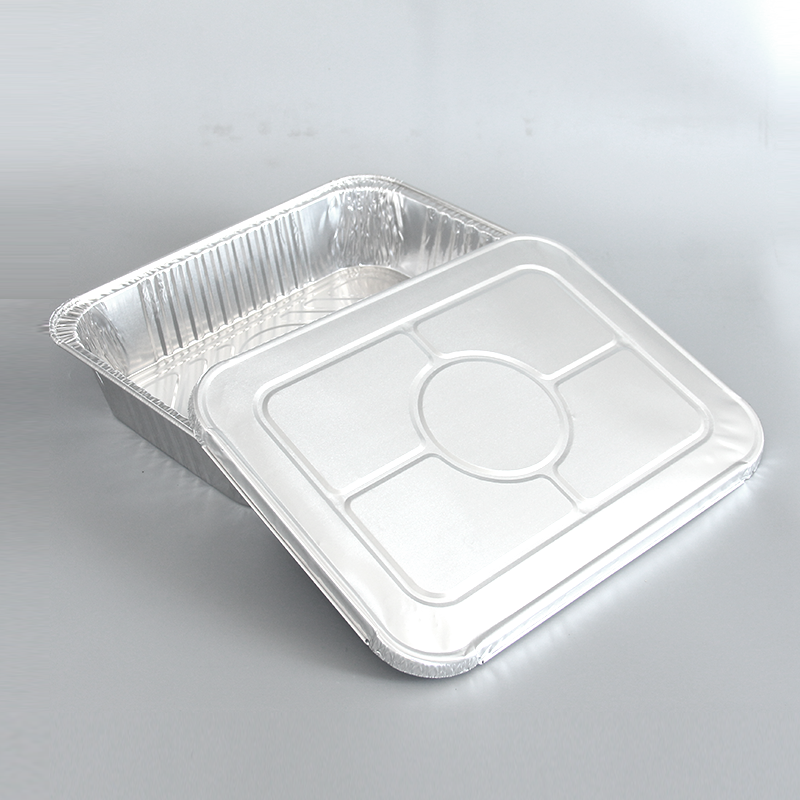 4500ml Oblong Aluminum Foil Pan for Large RoastsThis extra-large oblong foil pan suits big-batch roasting, with enough depth for a 5–6 kg turkey and vegetables, making it a practical choice for catering and food production.View Product →
For roasting, a deep full-size tray is hard to beat. A 4500 ml oblong foil pan gives enough depth for a 5–6 kg turkey plus a bed of vegetables, while the foil transfers heat quickly and evenly. For bread and loaf products, oblong trays around 400–550 ml are the typical choice for one-pound loaves. If you are developing a recipe in a domestic oven, the half-size deep tray behaves almost exactly like a full-size tray in a commercial oven, so conversions stay predictable.
Catering and Buffet Holding
 Half-Size Medium Deep Steam Table PanDesigned for standard GN 1/2 wells, this medium-depth foil pan holds hot entrees without overflow, ideal for steam tables and portion-controlled catering in busy service.View Product →
Chafing dishes and steam table wells are built around the half-size footprint. A half-size medium deep pan drops into a standard GN 1/2 well and holds hot entrées without boiling over. Because the depth is moderate, food stays above the water line and keeps its texture through a full service window.
Takeout and Delivery
 1000ml Oblong Aluminum Foil Takeout ContainerA large-capacity foil container for takeout and catering, suitable for entrees, sides, and soups, with stackable design for efficient storage and transport.View Product →
Takeout packaging favours volumes under 1000 ml. The 400 ml oblong container is one of the most common choices for single entrées, while 850 ml and 1000 ml sizes handle larger meals and small family orders. A sealed foil container holds temperature well during a 30–45-minute delivery window and is recyclable after cleaning.
Sourcing Checklist for Bulk Aluminium Tray Buyers
Before you place a large order, verify these five points — they are the difference between a smooth supply relationship and costly reorders.
- Measure the oven interior, not the label. A full-size tray needs roughly 530 × 330 mm of clear rack space plus headroom for the pan depth.
- Decide whether standard gauge is enough. Heavy-duty trays resist bending under dense foods and survive harsher handling in distribution.
- Count lids separately. Not every size has a matching board lid or foil lid available, so confirm lid supply before committing to a tray format.
- Ask about rim design. Rolled rims add rigidity at a modest price increase and make trays easier to carry when full.
- Verify food-contact compliance. For export orders, confirm that the trays meet the food-safety standards of the destination market, such as FDA or EU food-contact regulations.
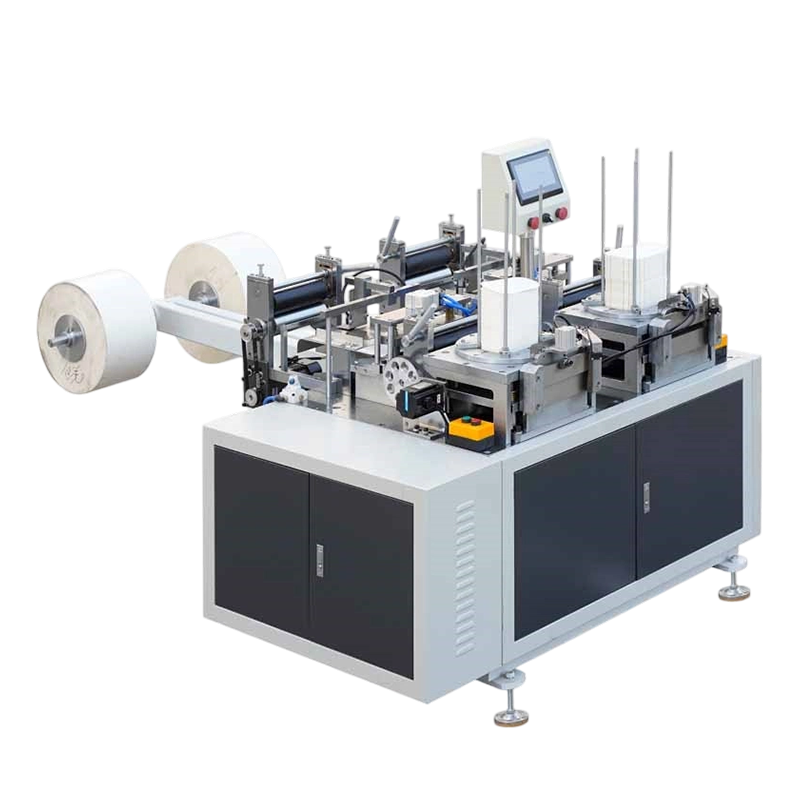
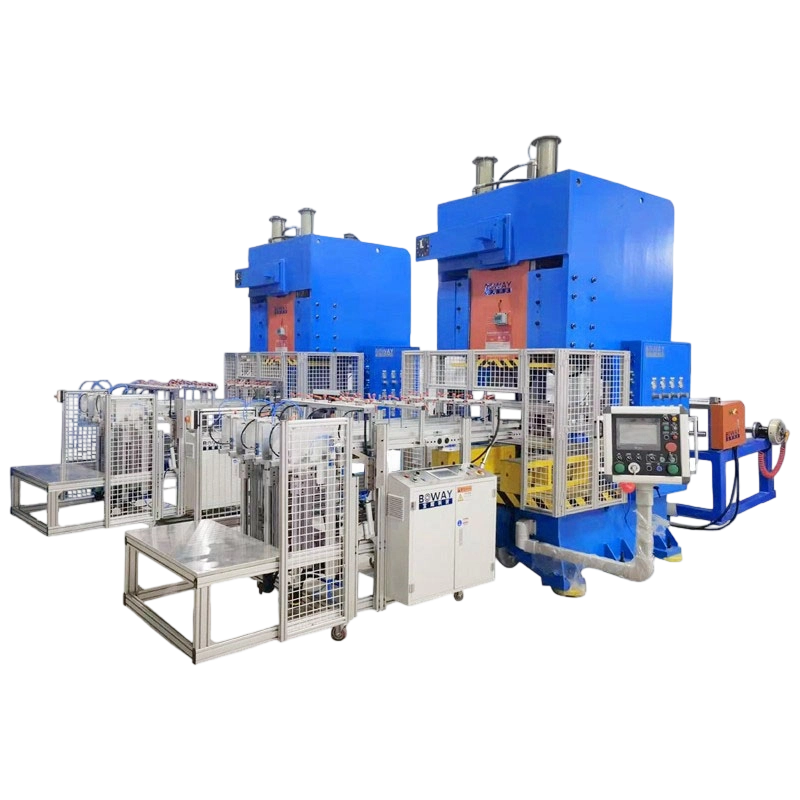
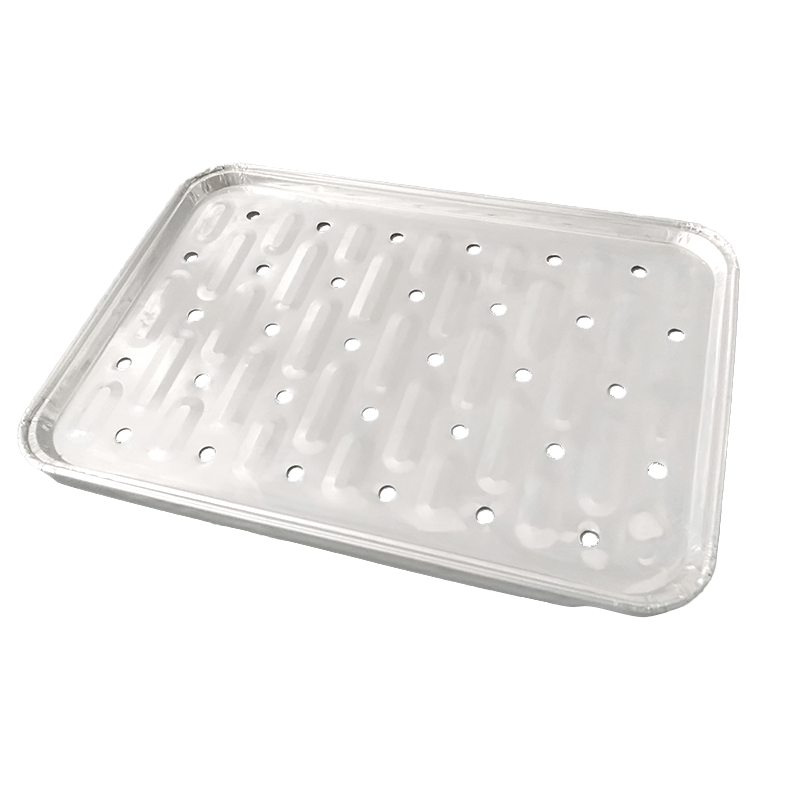
Working with a manufacturer that controls both product quality and tooling simplifies this process. Ningbo Aikang Aluminum Foil Technology Co., Ltd. is located in Haishu District, Ningbo, one of the most important port cities in China. The company is committed to the design, development, and production of environmentally disposable aluminum foil products and to providing practical, advanced packaging solutions that meet the dynamic changes of the market. Its main products include aviation aluminum foil containers, barbecue pans, turkey pans, aluminum loaf pans, and other varied aluminum foil containers. The company has also developed several automatic production lines and molds to fully ensure the quality and diversity of its products. Equipped with professional design, advanced manufacturing facilities and molds, qualified products, and a dedicated sales and service team, Aikang has ranked itself among the top enterprises in China. The company holds the principle of "sincerity and integrity" to provide the best products and service to customers at home and abroad, with the goal of creating a double-win situation. Buyers who want a deeper comparison of capacity options can also read the industry note on choosing the right aluminium foil container size before placing an order at aluminium foil container sizes: which one is right for you.
Frequently Asked Questions About Aluminium Tray Sizes
Q1. What is the most common aluminium tray size?
The half-size tray (around 264 × 324 mm) is the most widely used because it fits standard home ovens and most catering chafing dishes.
Q2. How many servings does a full-size aluminium tray hold?
A full-size tray holds roughly 30–50 side-dish servings, or 12–20 entrée portions, depending on its depth.
Q3. Can I put a full-size aluminium tray in a home oven?
Usually not. Most home ovens lack the width for a 20.75-inch tray; the half-size tray is the safe alternative.
Q4. How do I choose the right tray depth?
Match depth to the dish: shallow trays for sides and brownies, medium trays for entrées, and deep trays for roasts that release juices.
Choose AiKang for Top-Quality
Aluminum Foil Products
Explore Our
Featured Products

Ningbo Aikang Aluminum Foil Technology Co., Ltd, based in Ningbo, produces eco-friendly disposable aluminum foil products. They prioritize quality and customer satisfaction, serving the global market with innovative packaging solutions.


Quick Links
Contact
-
 No. 5 Yongxing East Road, Fengshan Street, Yuyao City, Zhejiang Province, China
-
 Tel: +86-15867468784
-
 E-mail: [email protected]
Send Us A Message
