
 English
 日本語
 عربى
 Español

-
 01
Oven Safe Aluminum Foil: Temperature Limits, Foil Trays, and Safe Kitchen Use
Industry News-A foil tray holding a 20 lb turkey at 350°F (177°C) is a normal oven job; a sheet of foil pressed against a 500°F (260°C) heating element is not. Oven safe aluminum foil is safe in ovens when it stays clear of exposed elements, is not used to line the oven floor, and is matched to the food, temperature, and container thickness.
That conclusion matters for home cooks and foodservice buyers because “oven safe” is not a single temperature stamped on every foil product. A thin roll, a disposable container, a lidded takeout tray, and a heavy roasting pan can behave differently at the same dial setting. The practical answer is to check three things: the foil format, the manufacturer’s temperature label, and the clearance around the food.
Content
- 1 What “Oven Safe” Means for Aluminum Foil
- 2 Temperature Limits and Real Oven Conditions
- 3 Choosing the Right Foil Container for Oven Use
- 4 Safe Oven Practices and Common Mistakes
- 5 Food Chemistry, Health, and What Actually Matters
- 6 Buying Checklist for Foodservice and Retail Buyers
- 7 Frequently Asked Questions
What “Oven Safe” Means for Aluminum Foil
Aluminum foil is made from thin aluminum sheet, a metal that reflects heat and tolerates typical cooking temperatures. The European Aluminium Foil Association notes that aluminum foil is not hazardous in normal kitchen use, while also advising that strongly acidic or very salty foods should not be stored or cooked in direct contact with foil for long periods as a precaution. That is a food-contact guidance point, not a reason to avoid foil trays for a roast dinner.
For oven use, “safe” depends on the whole package. A bare foil tray in a 400°F (204°C) oven is one situation. The same tray with a plastic film lid, a printed board lid, or a coated interior is another. The lid, coating, and gauge decide the real limit.
| Format | Typical oven use | Key watch-out |
|---|---|---|
| Standard household foil roll | Wrapping, covering, lining baking sheets | Keep away from heating elements; do not line the oven floor |
| Uncoated aluminum foil container | Baking, roasting, reheating, takeout | Support large filled trays; check gauge and shape |
| Foil tray with film or board lid | Oven use only after removing the lid unless labeled oven safe | Plastic lids and board lids can have much lower heat limits |
| Coated or colored foil | Follow the manufacturer’s label | Coating may reduce the maximum temperature |
If the product label gives a maximum temperature, that label wins over general advice. If there is no label, use the tray for moderate baking and reheating, support it well, and keep it away from exposed heating elements.
Temperature Limits and Real Oven Conditions
Most home ovens set between 325°F and 450°F (163°C to 232°C) for roasting, baking, and reheating. Disposable aluminum foil containers from reputable foodservice suppliers are commonly designed for these bands, but gauge and shape matter. A large tray filled with a heavy roast needs support; a thin tray can buckle when two hands lift it from a hot rack.
Two oven habits cause most problems. First, foil touches a heating element or is pressed against an oven wall, creating a hot spot. Second, foil is used to line the oven floor or cover racks completely, which can block airflow and trap heat. Neither habit is necessary for oven-safe foil containers.
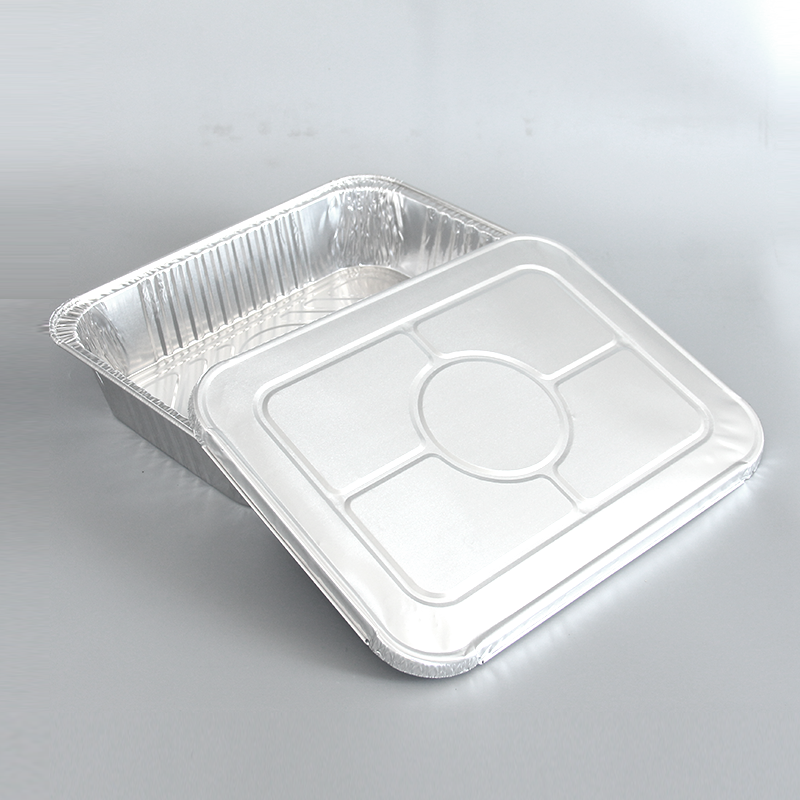 4500 ml Oblong Aluminum Foil Pan IK365Large-capacity foil pan for roasting, baking, storage and catering; its oblong shape and full-curl rim support large volumes when moving from oven to counter.View Product →
For large-format roasting, a 4500 ml oblong pan gives more surface support than a small takeout tray. That extra rigidity helps when the pan is full, hot, and moving from oven to counter.
Choosing the Right Foil Container for Oven Use
Match gauge and size to the load
Small bowls suit sauces and sides; large oblong pans suit roasts, casseroles, and batch baking. A tray that flexes in the hand before filling will flex more at 400°F with food inside. For catering and retail packaging, specify the filled weight, oven temperature, and handling method rather than asking only for “foil tray.”
Remove or confirm every lid
Clear film, plastic dome lids, and board lids are usually for transport or display, not oven heat. If a lid is described as oven safe, confirm the maximum temperature and whether venting is required. Otherwise, remove it before the tray goes into the oven.
Check coatings and separators
Some trays have a coating or a separator sheet for release. Those features can be useful, but they may reduce the maximum temperature. Ask for the food-contact declaration and oven-use instruction for the exact SKU.
 Half-Size Deep Aluminum Foil Steam Table Pan IK325DDeep half-size foil pan with 3200 ml capacity and full-curl rim, suited to buffets and steam tables where space-saving stacking and quick food distribution matter.View Product →
A half-size deep steam table pan is a practical example of shape doing real work: the deeper wall contains juices and keeps a hot dish stable during service.
Safe Oven Practices and Common Mistakes
- Keep foil at least a finger-width away from exposed heating elements and oven walls.
- Do not line the oven floor or cover the entire rack with foil; use a sheet pan or a foil tray instead.
- Support large filled trays from below when moving them, especially above 400°F.
- Remove plastic lids, films, and tags unless the label explicitly allows oven use.
- Vent covered dishes so steam can escape and pressure does not build up.
- Use a heat-safe surface after the tray leaves the oven; foil stays hot and transfers heat quickly.
For a fuller checklist on foil containers in ovens, see this oven-use guide for aluminum foil containers. It reinforces the same operational points: support, clearance, and label checks.
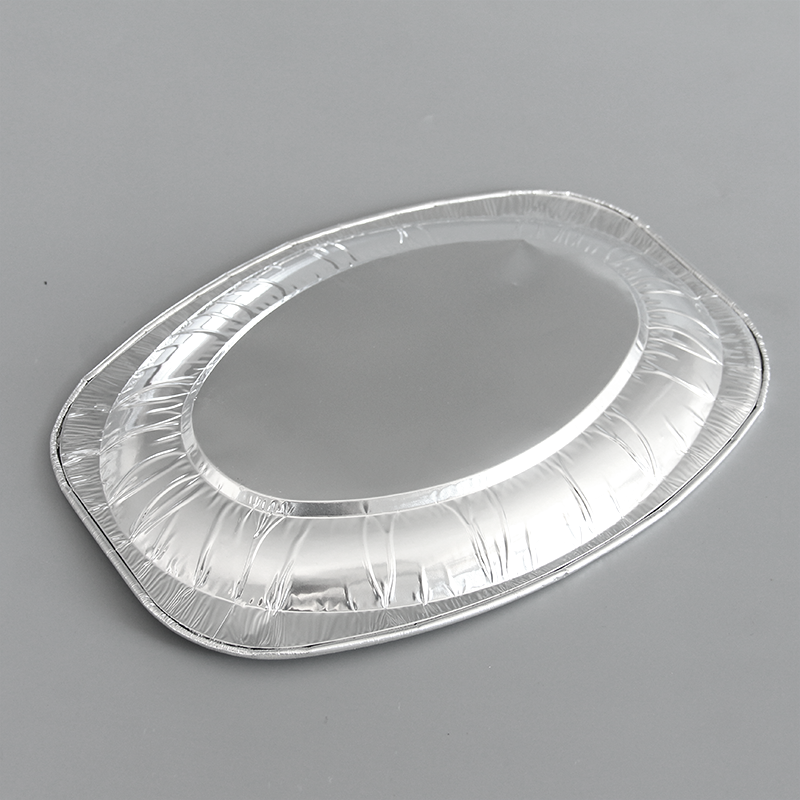 Large Oval Aluminum Foil Serving Tray IK550Oval foil tray for whole roasts, fish and banquet displays; its large surface and light weight help move food from oven to buffet service.View Product →
A large oval serving tray can go from oven to buffet line, but only if the service team knows the tray is hot, the table is heat-safe, and the lid has been removed.
Food Chemistry, Health, and What Actually Matters
Aluminum is naturally present in food and water, and the human body handles small amounts. The more useful question is not “Is foil toxic?” but “How much foil contact does this recipe create?” Long cooking of acidic tomatoes, vinegar-based marinades, or heavily salted foods in direct contact with bare foil can increase aluminum migration. The European Aluminium Foil Association’s precautionary advice is to avoid prolonged direct contact with strongly acidic or very salty foods. For a tray of roasted vegetables or a covered casserole, normal oven use is not the same as a long acid simmer.
Practical controls are simple: use a liner or parchment when a recipe is acidic and the cook time is long; avoid storing leftover acidic food in foil overnight; and choose food-grade trays with a clear product declaration. These steps do not require special equipment, and they keep the convenience of foil without turning a routine meal into a chemistry experiment.
Buying Checklist for Foodservice and Retail Buyers
For a buyer, “oven safe aluminum foil” should be a specification, not a slogan. Ask for the alloy and gauge, the recommended maximum temperature, the filled capacity, the lid type, and the food-contact documentation. Test a sample with the actual food load and oven profile. A tray that passes an empty oven test can still fail when it carries 3 kg of hot roast and juices.
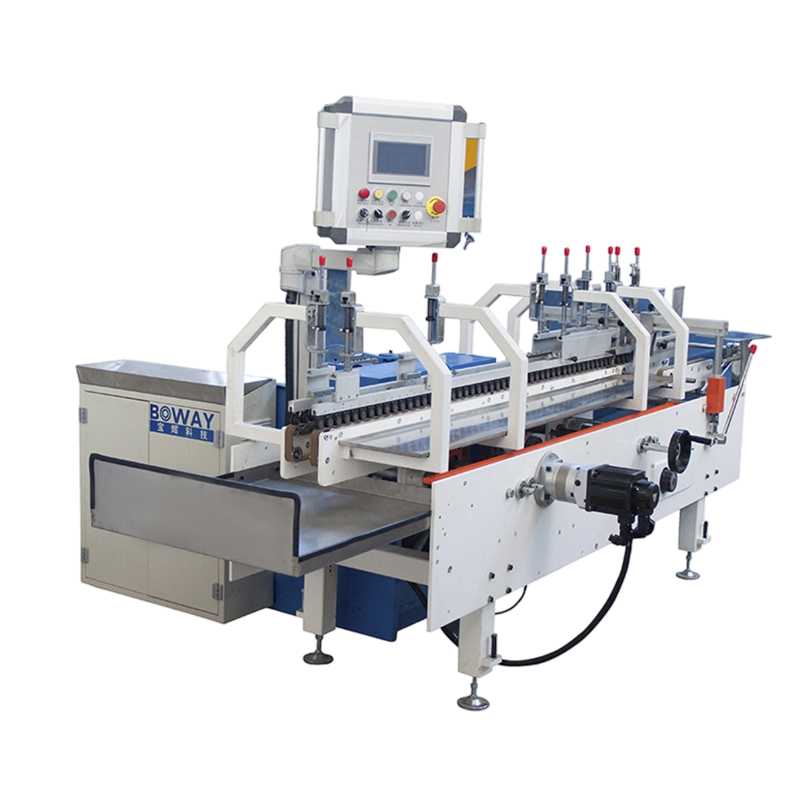
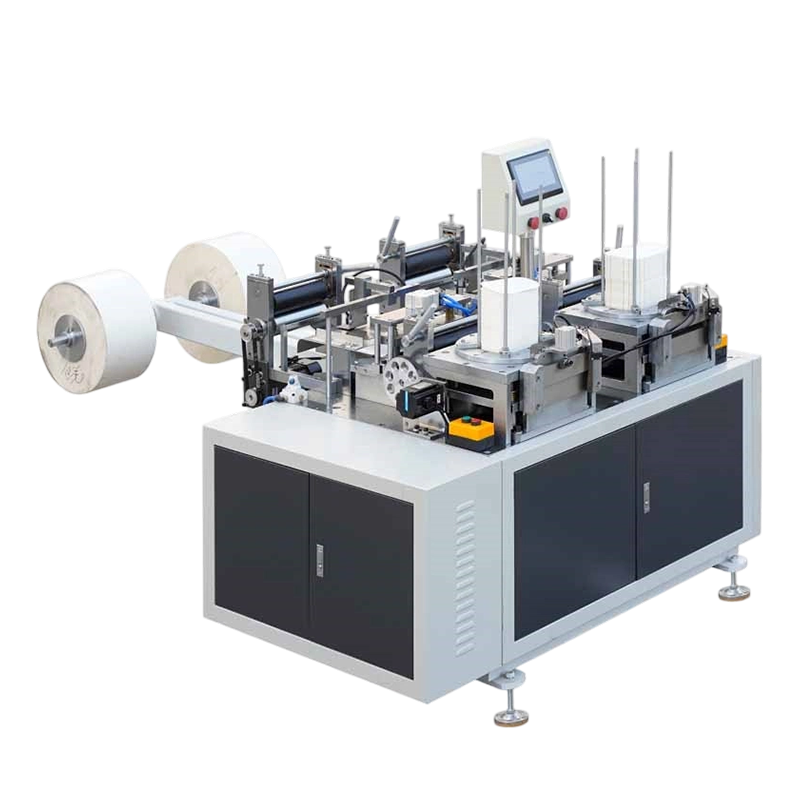
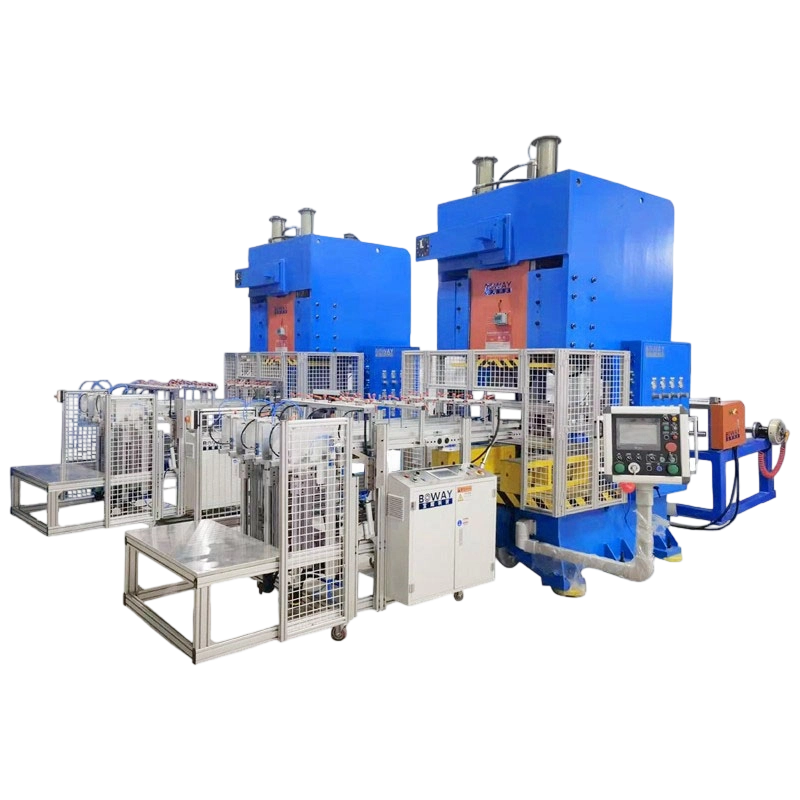
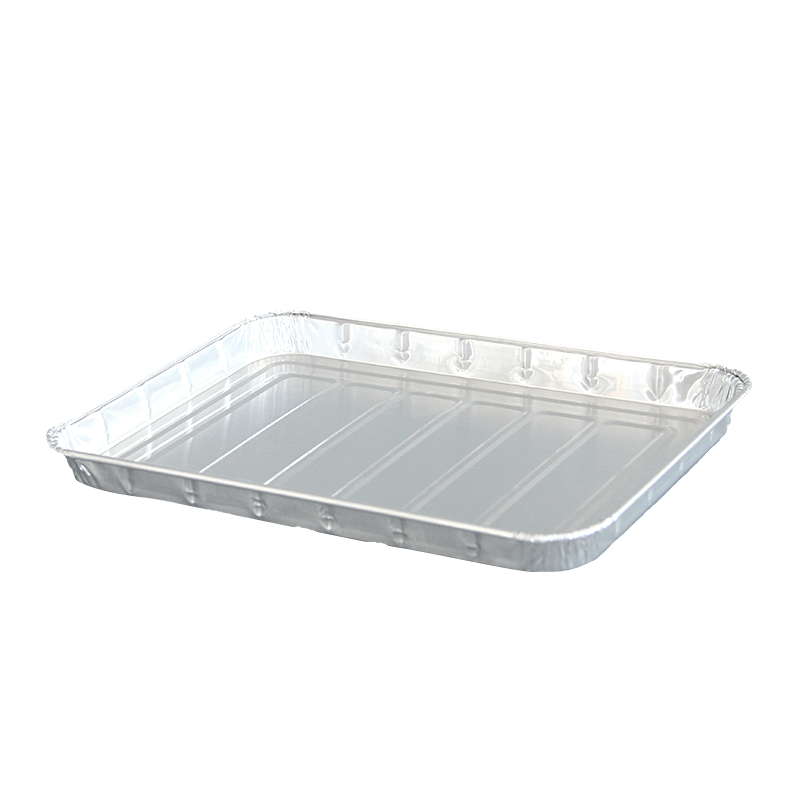
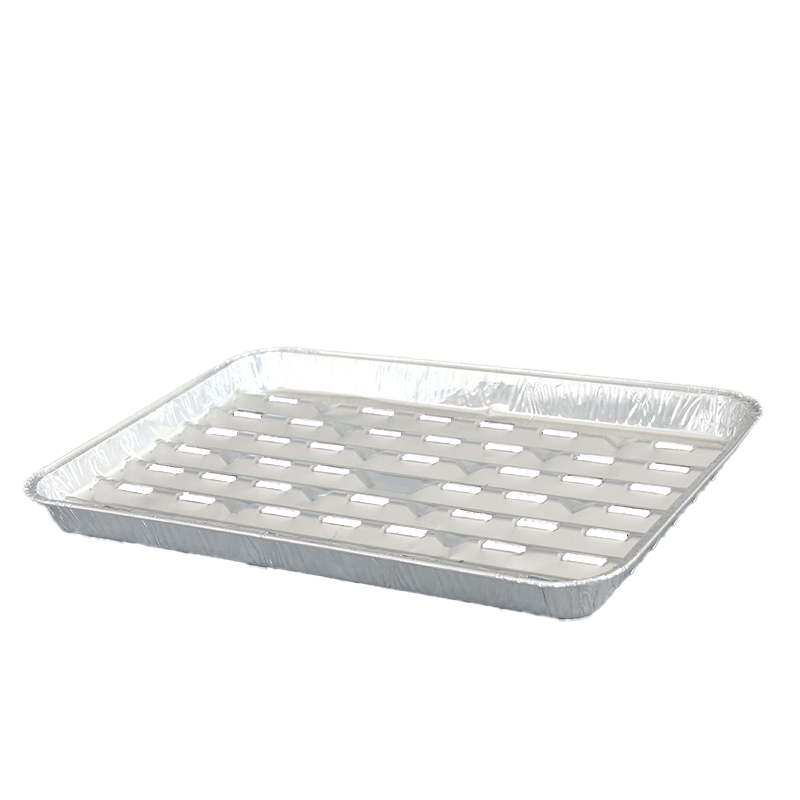
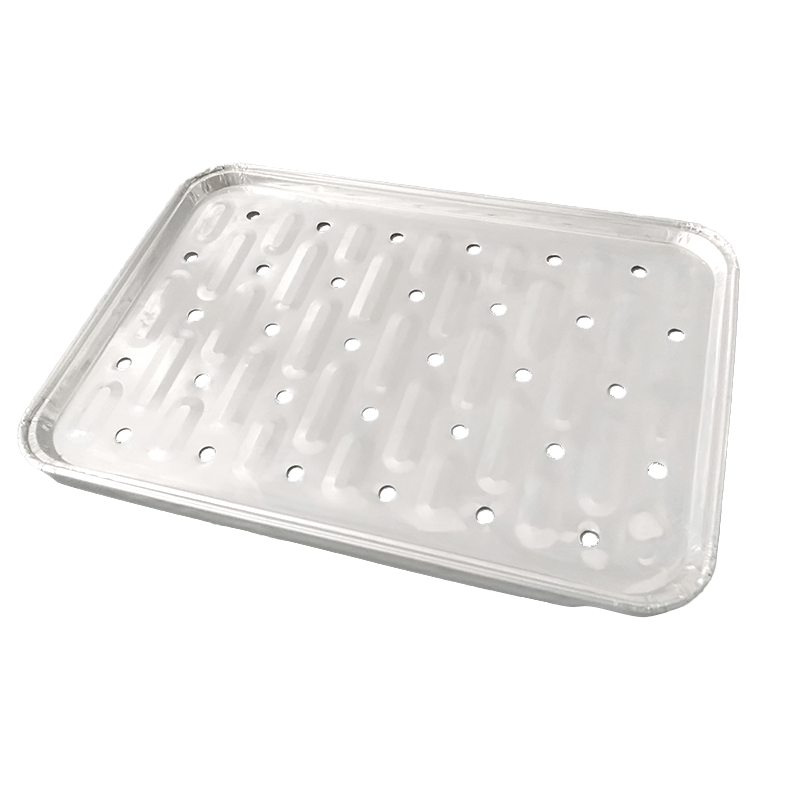
Ningbo Aikang Aluminum Foil Technology Co., Ltd is located in Haishu District, Ningbo, one of the most important port cities in China. The company is committed to the design, development, and production of environmentally disposable aluminum foil products and providing practical and advanced packaging solutions to meet the dynamic change of the market. The main products consist of aviation aluminum foil containers, barbecue pans, Turkey pans, aluminum loaf pans, and other varied aluminum foil containers. Moreover, the company has developed several automatic production lines and molds to fully ensure the quality and diversity of the products. Equipped with professional design, advanced manufacturing facilities, and molds, qualified products, and a dedicated sales and service team, Aikang has ranked itself the top-notch enterprise in China. The company has and will always hold the principle of "sincerity and integrity" to provide the best products and service to the customers at home and abroad and finally create a double-win situation. Looking forward to your visit and the cooperation with your esteemed company!
For food-grade tray options, review the food-grade aluminum foil trays range and confirm the oven-use label for each SKU. A supplier that can explain gauge, coating, lid compatibility, and packing is easier to audit than one that answers only with a price per carton.
Frequently Asked Questions
Q1. Can aluminum foil go directly on an oven rack?
It can, but it is not the best default. Foil can block airflow, slide, or catch drips unevenly. Use a sheet pan or a foil tray with support.
Q2. Can foil containers go in a 450°F oven?
Many foodservice foil containers are designed for that band, but check the label and support the filled tray. Thin trays can buckle when hot.
Q3. Is it safe to cover food with foil in the oven?
Yes, when the foil stays clear of heating elements and the dish is vented. Do not seal a container so tightly that steam cannot escape.
Q4. Can I use the plastic lid in the oven?
No, unless the lid is explicitly labeled oven safe. Film, dome lids, and board lids are usually for transport, display, or chilling.
Q5. Does acidic food react with aluminum foil?
Long contact with acidic or very salty food can increase aluminum migration. Use a liner for long cooks and avoid overnight storage in bare foil.
Q6. Can I line the oven floor with foil?
No. Foil can trap heat, damage the oven finish, and touch a heating element. Use a drip tray on a rack instead.
Choose AiKang for Top-Quality
Aluminum Foil Products
Explore Our
Featured Products

Ningbo Aikang Aluminum Foil Technology Co., Ltd, based in Ningbo, produces eco-friendly disposable aluminum foil products. They prioritize quality and customer satisfaction, serving the global market with innovative packaging solutions.


Quick Links
Contact
-
 No. 5 Yongxing East Road, Fengshan Street, Yuyao City, Zhejiang Province, China
-
 Tel: +86-15867468784
-
 E-mail: [email protected]
Send Us A Message
