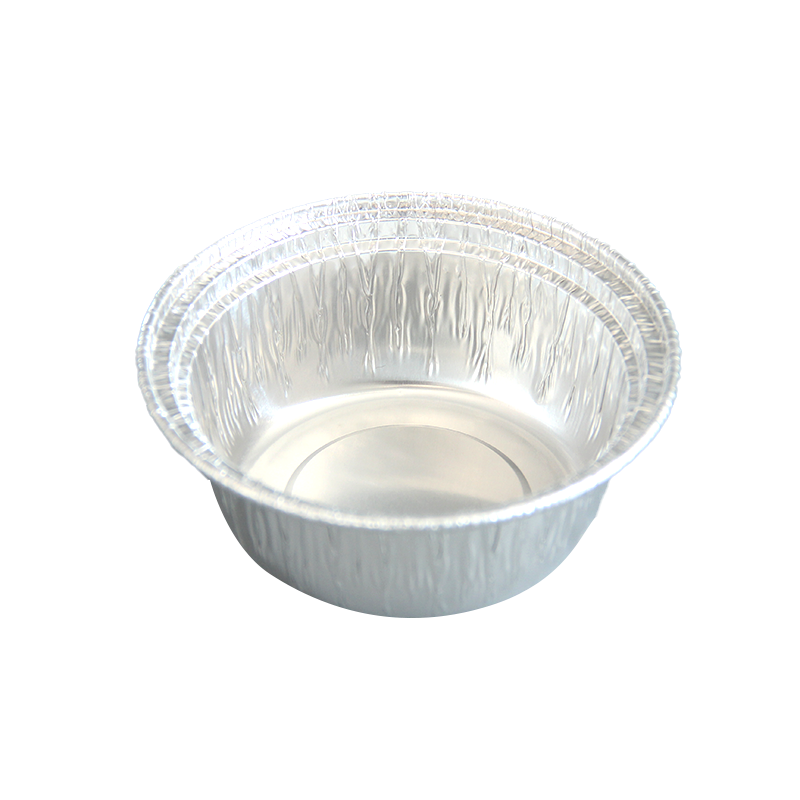
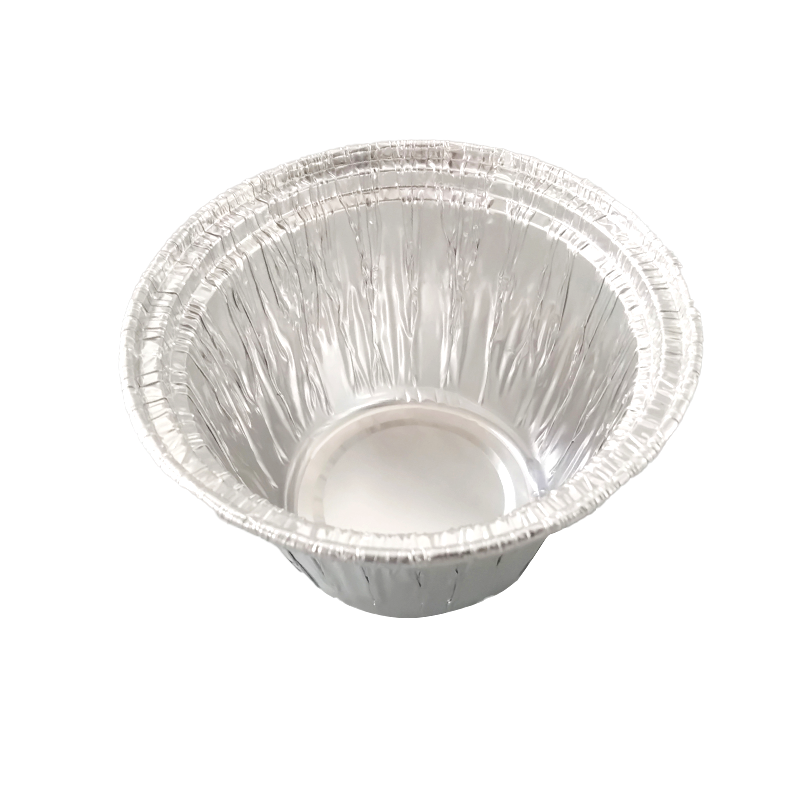
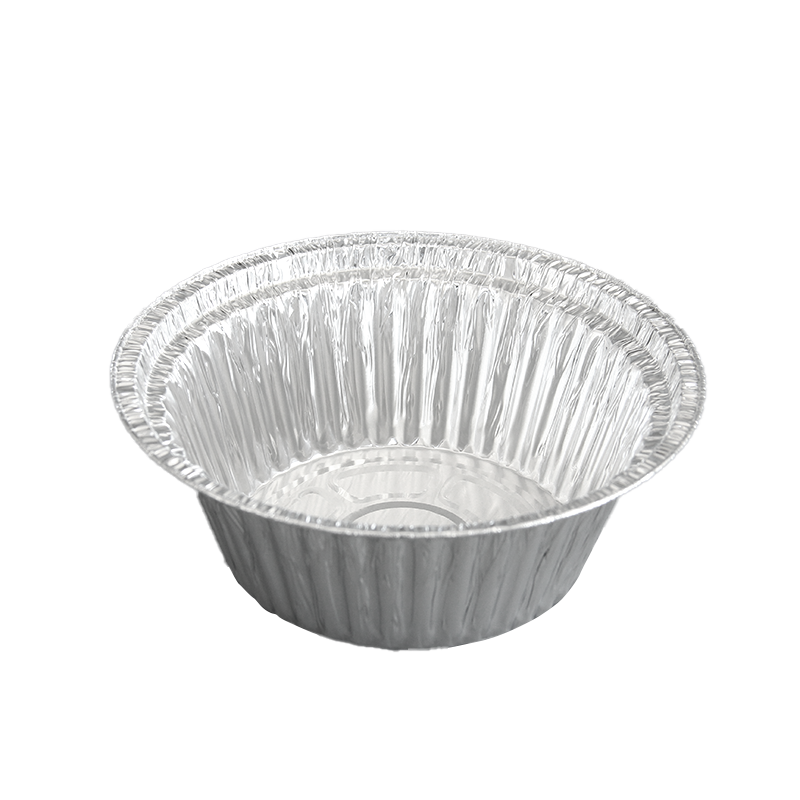
Product Overview
A meal container has a different job from a general food pack. It must hold a complete meal made up of several components, keep them from mixing, survive freezing or chilling, and then perform in an oven or a hot cabinet without warping. Aluminum foil meal containers are well suited to this because the material tolerates both very cold and very hot conditions, and the formed compartments can be tailored to portion size.
Aikang, based in Haishu District, Ningbo, manufactures aluminum foil containers for a range of meal applications, including aviation containers used in in-flight and institutional catering. Our experience with these tight-tolerance formats means we understand the demands of trolley systems, standardized oven racks and high-speed filling lines, where a few millimeters of variation can affect efficiency.
Meal containers are commonly offered as a single large well, as two compartments for main dish and side, or as three compartments for protein, starch and vegetables. Compartment walls keep sauces from flooding neighboring items and make portion control easier for kitchens that must meet nutrition or cost targets. Depth is selected according to the food: shallow for pasta and rice with limited sauce, deeper for stews, casseroles and layered dishes.
Lids are an important part of the specification. Board-backed foil lids are widely used for frozen and chilled ready meals because they can be crimped or clipped to the rim and carry printed product information. Flat aluminum lids offer a metallic finish and good barrier. Where a sealed film is required, we can discuss container rims and lidding materials suited to heat sealing so that the pack is tamper-evident and easy to open.
Procurement teams and food producers evaluating meal containers commonly focus on these areas:
- Freezer to oven performance. The container must not crack, split at the corners or lose shape during temperature changes.
- Compartment layout. Divider height and well size should match your recipes and filling method.
- Line compatibility. Outer dimensions and rim width must suit denesting, filling and lidding equipment.
- Trolley and oven fit. Sizes that match standard rack, trolley and oven tray dimensions.
- Labeling. Lids or sleeves that carry ingredients, allergens, barcodes and reheating instructions.
For ready meal producers, packaging consistency directly affects factory efficiency. A container that varies in height or rim shape can cause jams on a denester or poor lid seating. Because Aikang controls forming and finishing, we can work to tight internal standards and provide samples for line trials before you place a volume order. If your process needs a specific rim profile or a slightly different compartment layout, we can review whether existing molds can be adapted or whether new tooling is required.
Reheating instructions are another practical point. Because foil meal containers conduct heat quickly, cooking times are typically shorter than with thicker packaging, and the food heats from the edges toward the center. Producers usually run reheating tests with their own recipes to set clear time and temperature guidance for the label. Aikang can supply samples in the same gauge as production units so that these tests reflect real conditions, helping you avoid label corrections and customer complaints after launch.
Sustainability is also part of the conversation. Aluminum is widely accepted by recycling systems, and its light weight helps reduce transport emissions compared with heavier rigid packaging. For brands building a clear environmental message, a foil meal container gives a credible starting point.
Specification
| Parameter | Details |
| Material | Food-grade aluminum foil, 3003 or 8011 alloy, soft temper |
| Foil Thickness | Approx. 0.05 mm to 0.12 mm, depending on model |
| Compartments | Single, two-compartment and three-compartment formats |
| Capacity Range | Approx. 300 ml to 1500 ml per container |
| Shapes | Rectangular and square; airline formats on request |
| Lid Options | Board-backed foil lid, flat aluminum foil lid, heat-seal lidding film on suitable models |
| Rim Design | Flat or curled rim to suit lidding method |
| Temperature Range | Freezer to conventional oven; lids other than aluminum are removed before heating |
| Line Compatibility | Dimensions reviewed against denesting and filling equipment during sampling |
| Printing | Printed lids and sleeves on request |
| Packing | Nested in polybag, then export carton |
| MOQ and Samples | Confirmed per model; samples available for line trials |
Application
Aluminum foil meal containers support any operation that produces, stores and reheats complete meals. Common uses include:
- Ready meal manufacturers. Chilled and frozen dinners produced on automated filling lines.
- Airline and rail catering. Trolley-compatible meal packs that heat quickly in service ovens.
- Hospitals, care homes and schools. Portion-controlled meals prepared centrally and reheated on site.
- Corporate and event catering. Individual meal boxes for conferences, sports events and staff canteens.
- Meal prep and subscription brands. Weekly meal packs that customers store and reheat at home.
- Retail chilled counters. Grab-and-go meals sold with a printed lid and reheating instructions.
To keep meal packs performing consistently, we suggest the following practices:
- Fill within the rated capacity and leave headspace so that lids seat properly.
- Cool cooked food before chilling or freezing to protect texture and food safety.
- Reheat in a conventional oven and confirm the temperature with your food safety team.
- Remove non-aluminum lids before oven use.
- Use a tray to support the container when moving multiple meals in and out of an oven.



 English
 日本語
日本語 عربى
عربى Español