Product Overview
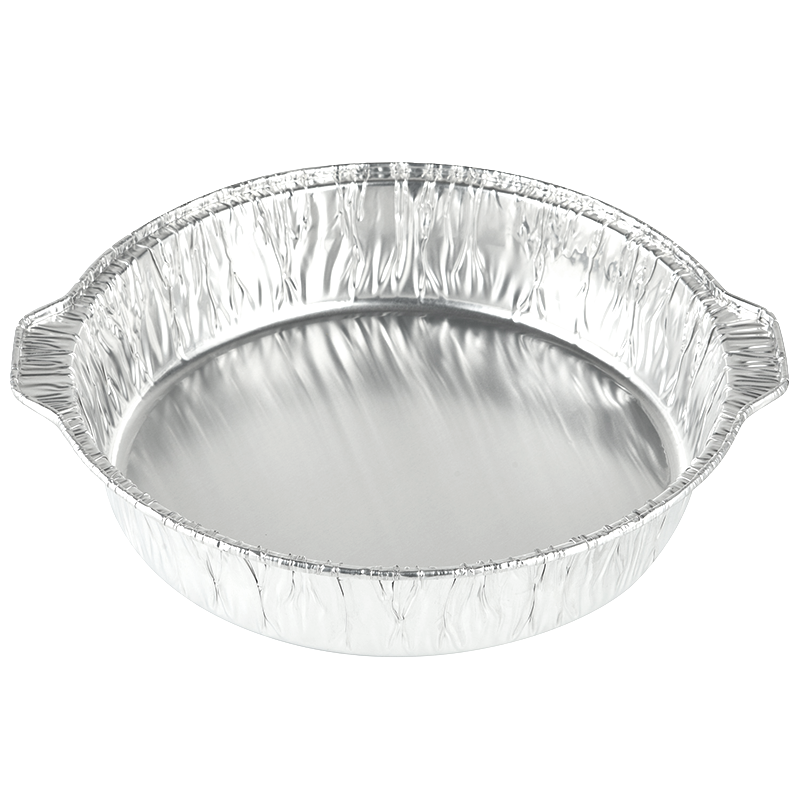
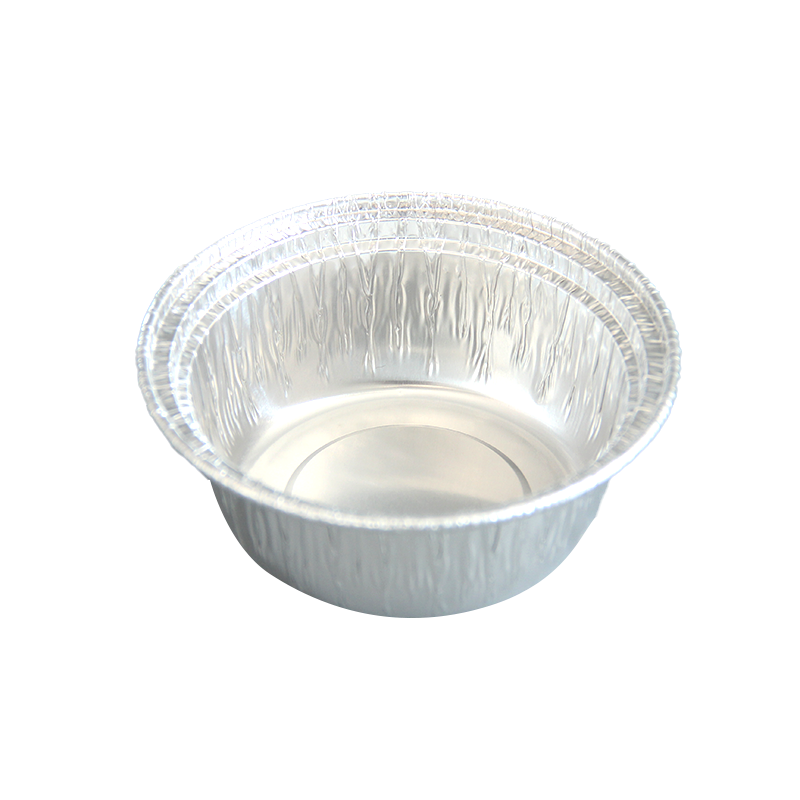
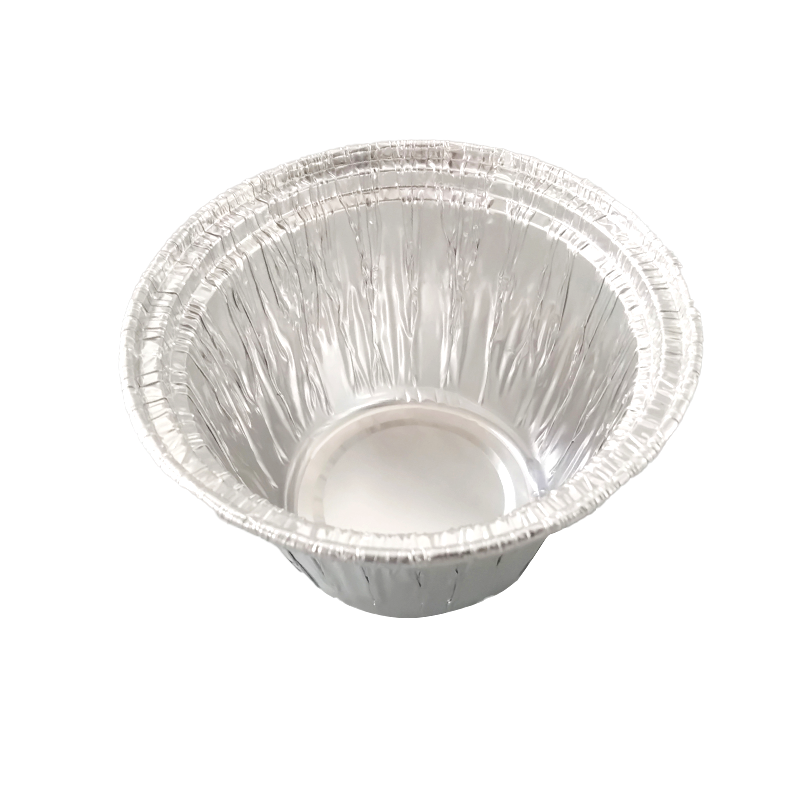
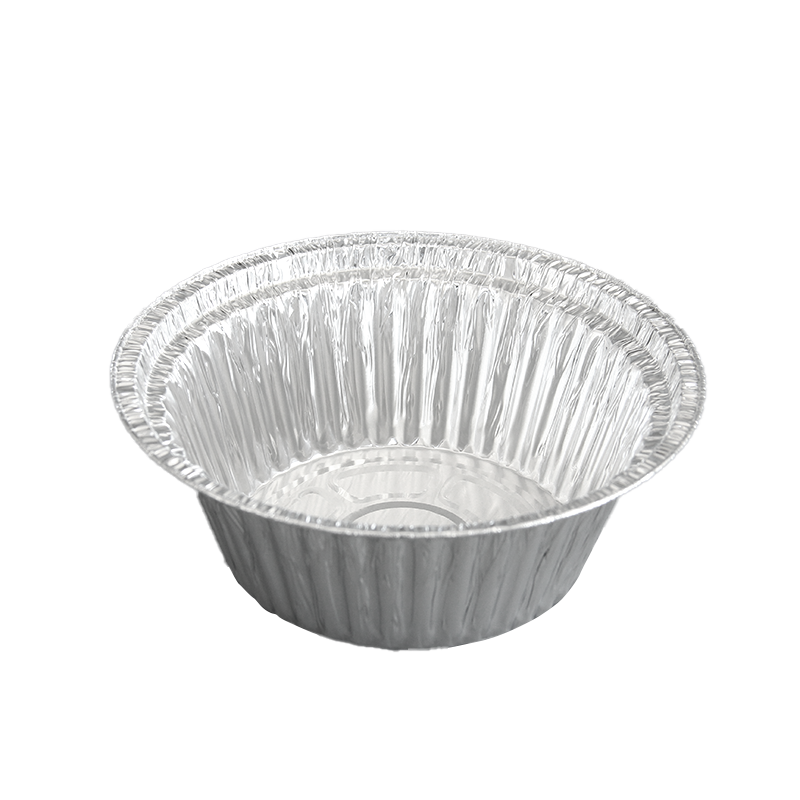
Food trays sit between a flat wrapper and a deep container. Their low sides make it easy to see, reach and portion the food, while the rigid foil body supports it during handling, chilling and heating. This balance is why aluminum foil food trays are so widely used for items such as baked pasta, roasted vegetables, savory pies, pastries, sliced meats, cheese boards and desserts. They are efficient to fill, fast to heat and simple to stack.
Aikang manufactures foil food trays in Haishu District, Ningbo, using food-grade aluminum foil and production lines supported by a large mold range. Trays are formed with clean edges and stable bases, so that they sit flat on shelves, oven racks and conveyors. Shape and depth options let buyers match the tray to the product rather than adapting the product to the tray.
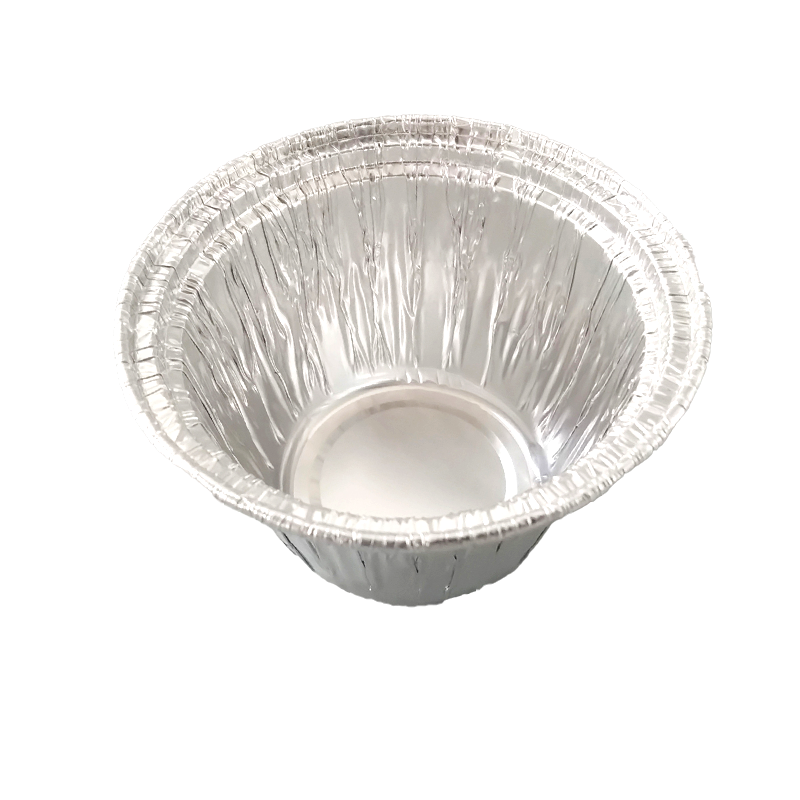
Shape selection is often driven by the product and the display. Rectangular trays fit typical portions of lasagna, roasted meats and sliced products and pack efficiently on shelves. Round trays suit pies, tarts and dishes that are cut into wedges. Square and oval trays give retailers additional ways to differentiate. Depth is a further decision: very shallow trays are ideal for pastries and flat baked goods, while slightly deeper trays hold sauces and layered dishes.
Lids can be added to protect the food and create a complete retail pack. Board-backed foil lids are common for take-home meals and bakery items. Clear dome lids show the product and are often used in supermarkets and delis. Aluminum foil lids give a metallic finish and a firm cover. Some tray formats can also be paired with sealing film where a sealed pack is required, which supports shelf life and tamper evidence for suitable products.
Food producers and retailers usually assess trays using the following criteria:
- Base flatness. A stable base for oven cooking, conveyor handling and shelf display.
- Edge quality. Smooth rims that are safe to handle and accept lids reliably.
- Portion accuracy. Consistent depth and volume so that filled weights are predictable.
- Lid range. Options that fit the same tray for different retail or foodservice uses.
- Oven and freezer performance. Trays that stay stable through temperature changes.
- Pack and pallet efficiency. Cartons that make full use of transport space.
Because trays are so widely used, many buyers order them in several sizes. Aikang can help you develop a compact range, for example a small, medium and large tray in the same shape family, so that stock and lids can be simplified. If your product needs a specific footprint, such as a set of dimensions to match a shelf or a case, we can check our existing molds first and advise whether a standard tray can meet the requirement.
Food safety at the point of sale is another reason retailers prefer foil trays. The surface is smooth, non-porous and easy to keep clean, and the tray can be filled, covered and labeled in a single motion. In self-service and counter environments, where staff handle many products in quick succession, that simplicity reduces handling time and error. When combined with a tight lid or film, the tray also helps protect the product from dust, moisture and accidental contact between filling and the customer's kitchen.
Trays also work well as part of a program that combines several foil packaging items. A bakery, for instance, might use shallow trays for cakes and pastries, food containers for meals and baking containers for pies. Purchasing them from a single manufacturer reduces the number of suppliers and helps keep quality and delivery coordinated.



 English
 日本語
日本語 عربى
عربى Español