Product Overview
Aluminum foil food containers are among the most widely used rigid packs in the prepared food supply chain. The metal shields food from light, oxygen, moisture and outside odors, spreads heat evenly when a dish is reheated, and nests tightly so that a full pallet carries a large number of units. For importers, private label brands, central kitchens and packaging wholesalers, the container is a cost line, a compliance item and a brand touchpoint all at once, so the way it is made matters as much as how it looks.
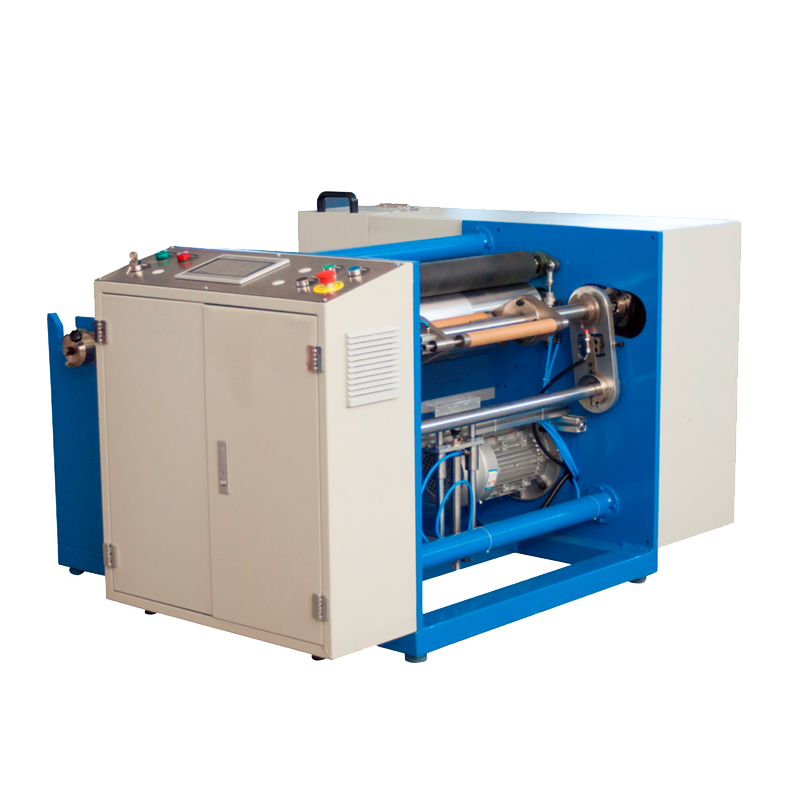
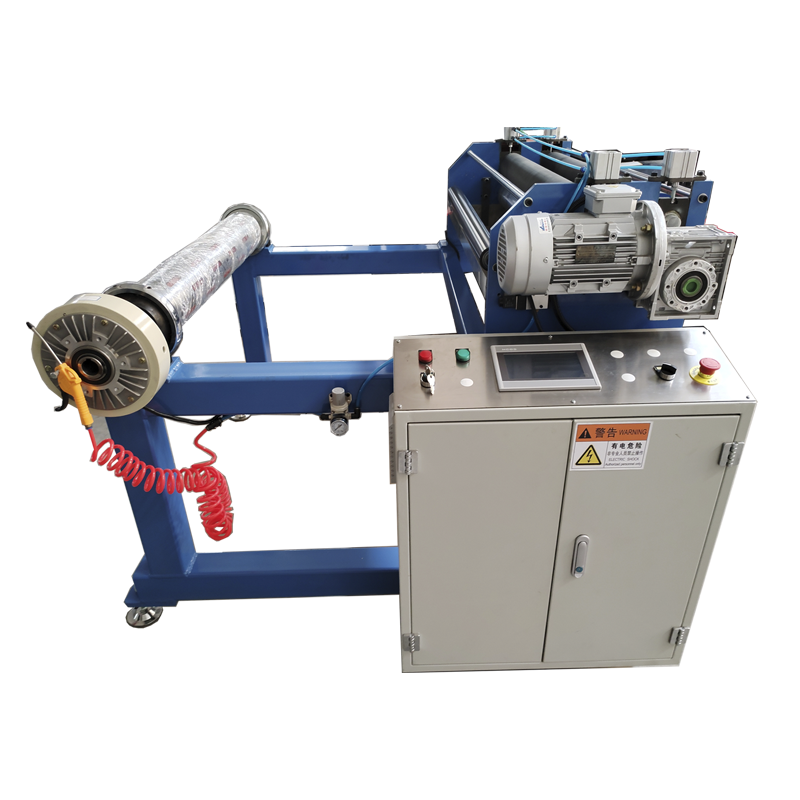
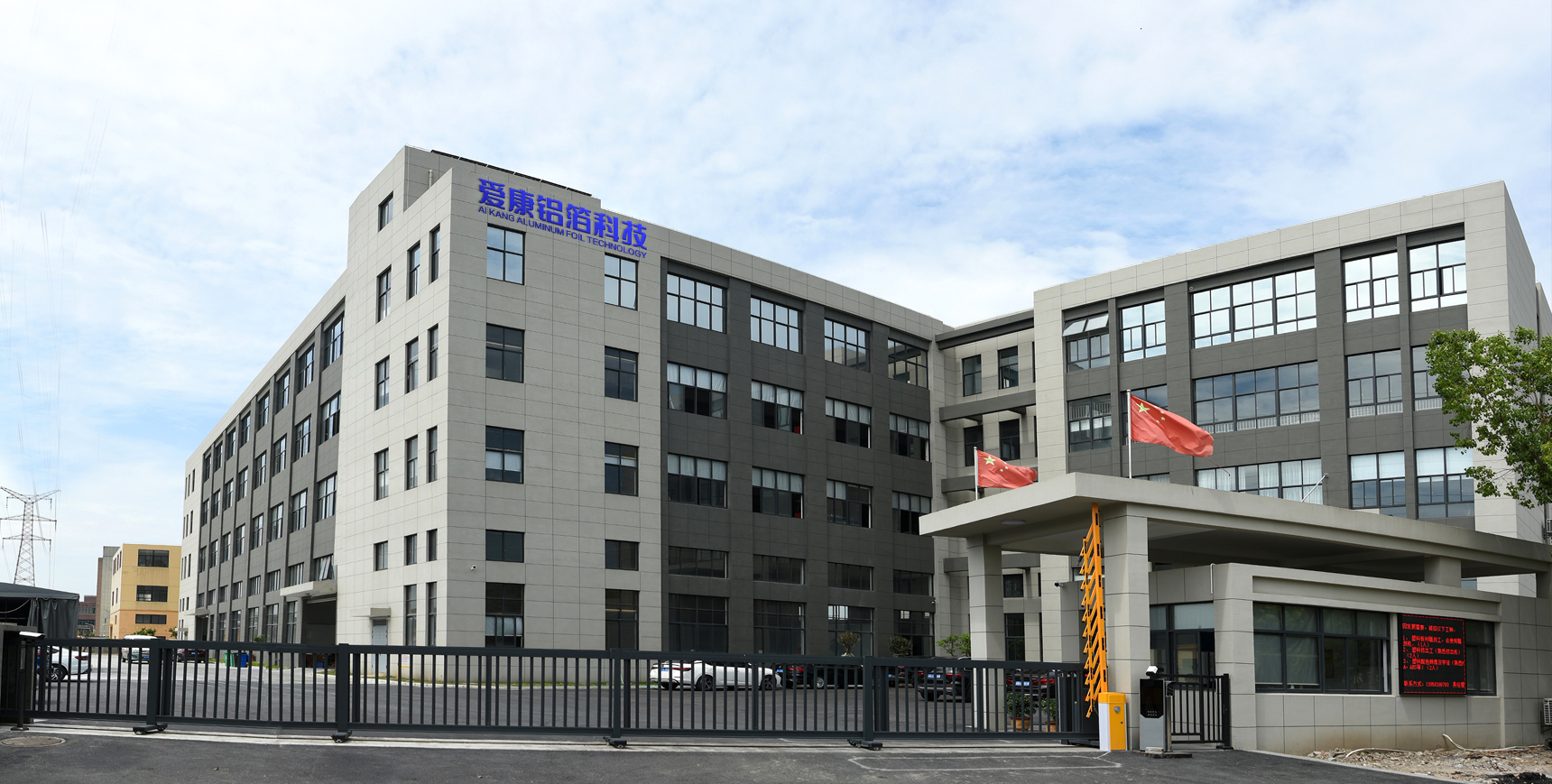
Ningbo Aikang Aluminum Foil Technology Co., Ltd. is a manufacturer based in Haishu District, Ningbo, focused on eco-friendly disposable aluminum foil products. Our containers are stamped from food-grade aluminum foil coil on production lines that are backed by a large range of molds. Because tooling already exists for many shapes and depths, buyers can often choose a proven size instead of funding new tooling, which shortens development time and keeps unit pricing predictable from the first order onward.
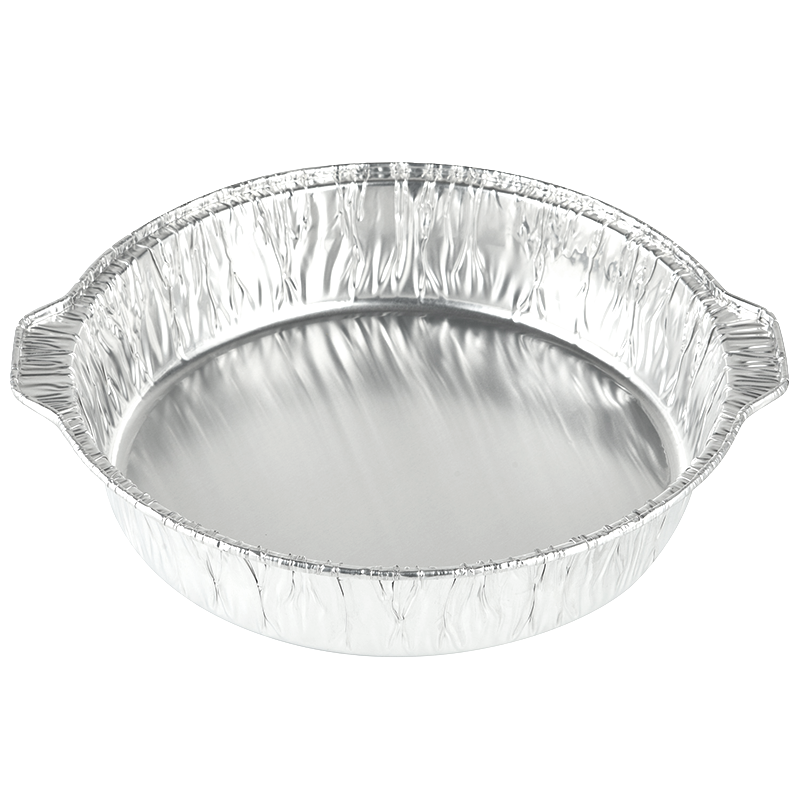
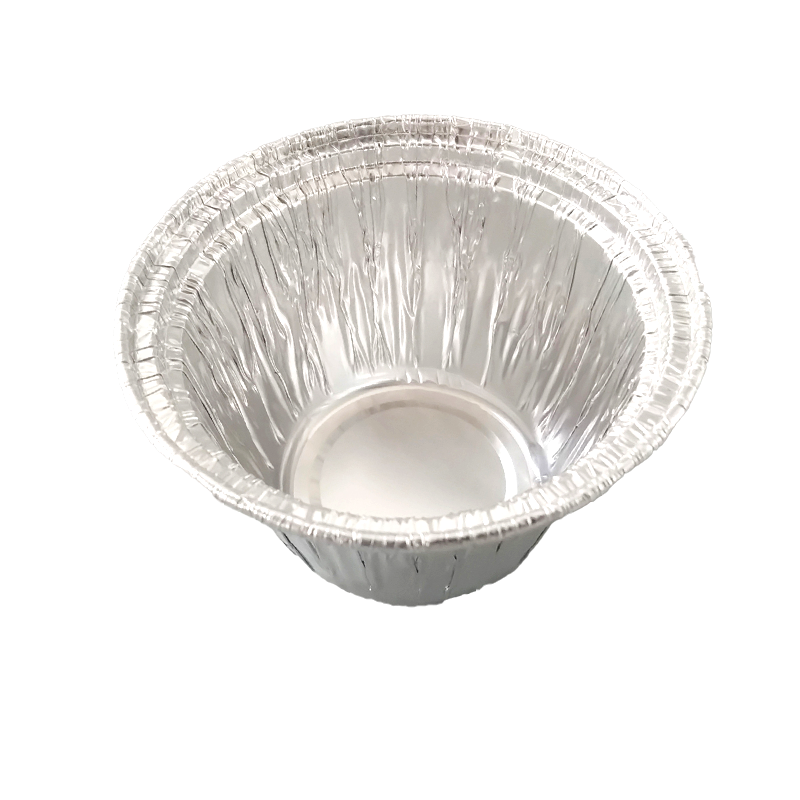
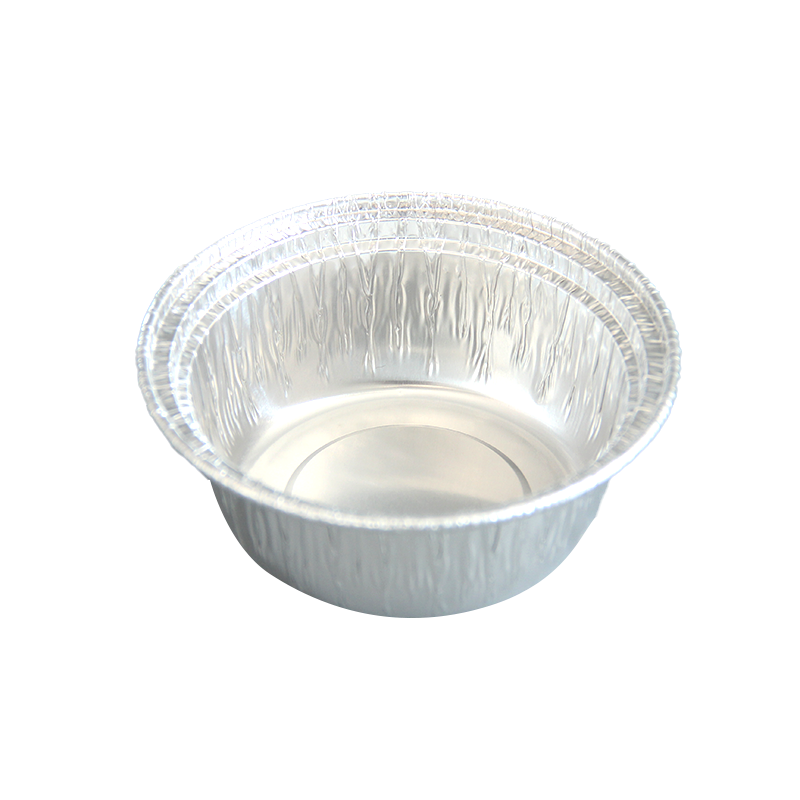
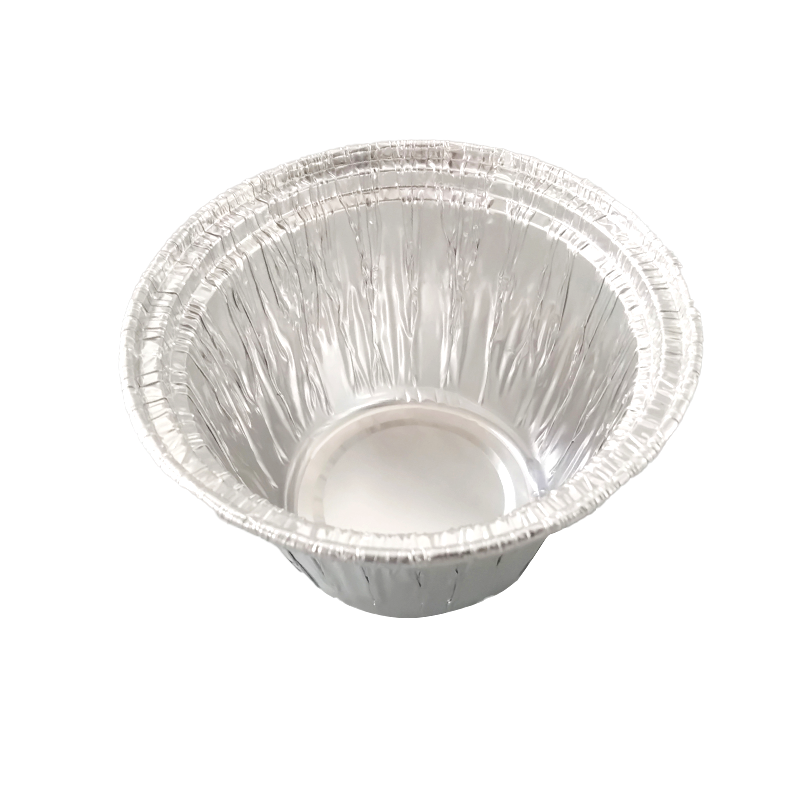
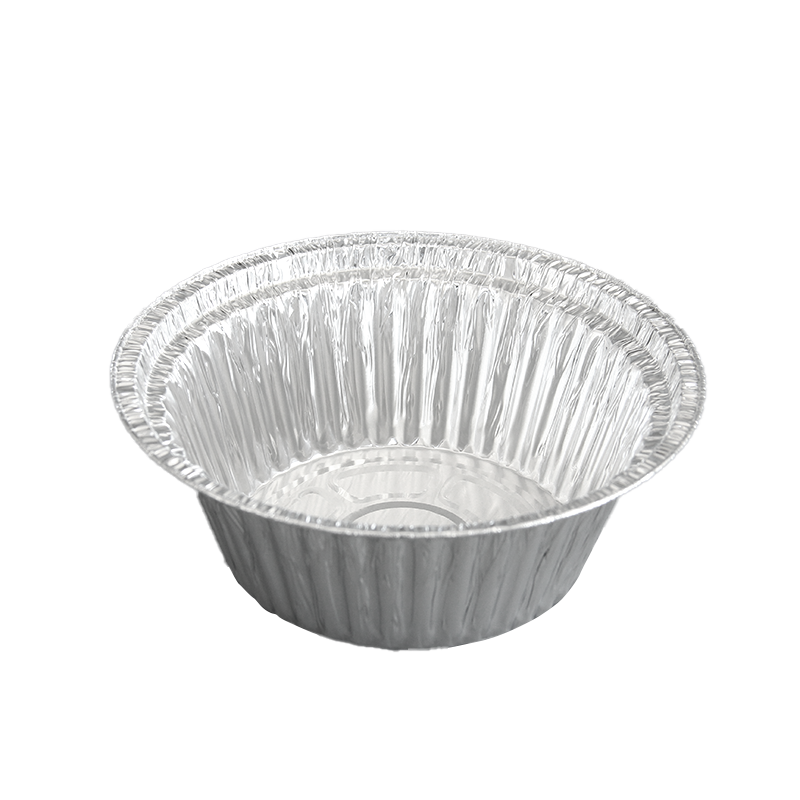
A typical foil container range covers several families. Rectangular containers run from single-portion sizes to full steam-table depth. Round containers suit pies, sauces, desserts and side dishes. Square and oval formats serve deli counters and roasting applications. Walls can be smooth for a clean embossed surface, or wrinkled to add stiffness without adding foil weight. Lids include flat aluminum foil lids, board-backed lids and clear domed lids for display, so one container body can serve chilled, frozen and hot-hold programs.
Material and thickness deserve attention at the specification stage. Most containers are made from food-contact aluminum foil in common 3003 or 8011 alloys, supplied in a soft temper for deep forming. The right gauge depends on size, fill weight and how the pack will be handled. A small dessert cup can use a light gauge, while a heavy casserole that is lifted by hand out of an oven needs a firmer sidewall and a stronger rim. Where foods are acidic or salty, a lacquered inner surface can be discussed to limit direct contact between the food and bare metal.
When buying aluminum foil food containers in volume, professional purchasers usually verify the following points before approving a supplier:
- Dimensional consistency. Length, width, depth and rim width are held within tolerance so lids fit and stacks nest cleanly.
- Wall and rim quality. Even forming, smooth rolled rims without burrs or splits, and no pinholes in the base.
- Cleanliness. Containers are packed free of oil residue, dust and loose foil particles.
- Carton and pallet planning. Units per carton and pallet patterns are arranged to make full use of the container load.
- Documentation. Food-contact compliance information for the destination market is available on request.
- Branding options. Embossed logos, printed lids and custom carton marks are available for private label programs.
Consistency is where a factory supplier earns trust. Buyers should be able to expect controlled foil selection, checked forming, clean rim finishing and tidy packing, and they should feel free to request reference samples from a production run and compare them with later shipments. That is a practical way to keep specifications steady over the long term. This discipline is especially valuable for chain customers whose outlets rely on the same container fitting the same lid every single time.
Aikang works with buyers from first inquiry to shipment. Samples can be arranged so you can test fit, sealing and reheating performance with your own products, and our team can suggest an alternative size if a slightly different footprint would improve pallet efficiency. If your project needs a shape that is not in the current catalog, we can review tooling options and give a realistic development schedule.
Specification
| Parameter | Details |
| Material | Food-grade aluminum foil, 3003 or 8011 alloy, soft temper |
| Foil Thickness | Approx. 0.04 mm to 0.20 mm, depending on model and size |
| Capacity Range | From about 100 ml to over 5000 ml |
| Shapes | Rectangular, round, square, oval |
| Wall Design | Smooth wall or wrinkle wall |
| Lid Options | Flat aluminum foil lid, board-backed lid, clear dome lid, plastic lid |
| Inner Surface | Natural aluminum, or lacquered on request |
| Temperature Range | Freezer to oven use; plastic and paper lids are not oven safe |
| Color and Finish | Natural silver; other finishes on request |
| Logo and Printing | Embossed logo on base, printed lid or printed carton on request |
| Packing | Nested in polybag, then export carton; palletized for shipping |
| MOQ and Samples | MOQ is confirmed per model; samples available on request |
Application
Aluminum foil food containers are used wherever prepared food must be kept safe, moved efficiently and reheated or served without extra handling. Typical buyers and scenarios include:
- Restaurants and takeaway kitchens. Hot dishes, grilled meats, pasta and rice packed for pickup or delivery.
- Central kitchens and food factories. Portion packs that are filled, sealed, chilled or frozen, then reheated by the end user.
- Supermarket delis and prepared food counters. Display-ready containers for salads, roast chicken sides and hot counter items.
- Institutional and airline catering. Standard sizes that fit trolleys, ovens and tray systems.
- Bakeries and dessert shops. Tarts, puddings and baked desserts sold in the same container they are baked in.
- Frozen and chilled ready meals. Packs that move straight from freezer to oven.
To get the best result from foil containers, we recommend that your customers follow these usage notes:
- Do not place aluminum in a microwave unless the specific model and the oven manufacturer permit it. Use a conventional oven or transfer the food.
- Set filled containers on a flat tray or baking sheet when moving them in and out of a hot oven.
- Avoid long storage of strongly acidic or salty foods in uncoated containers.
- Keep containers away from direct flame and avoid sharp tools that could puncture the base.
- Remove plastic or paper lids before oven heating.
- Empty and rinse used containers where possible so they can enter local aluminum recycling streams.



 English
 日本語
日本語 عربى
عربى Español