Product Overview
Baking is a process where heat distribution decides the result. A pan that heats unevenly can leave one side pale and the other over-browned, while a pan that is too heavy slows down production. Aluminum is prized in baking because it conducts heat quickly and evenly, and thin foil forms respond fast to oven temperature. For bakeries and food producers, that translates into consistent color, reliable timing and less waste.
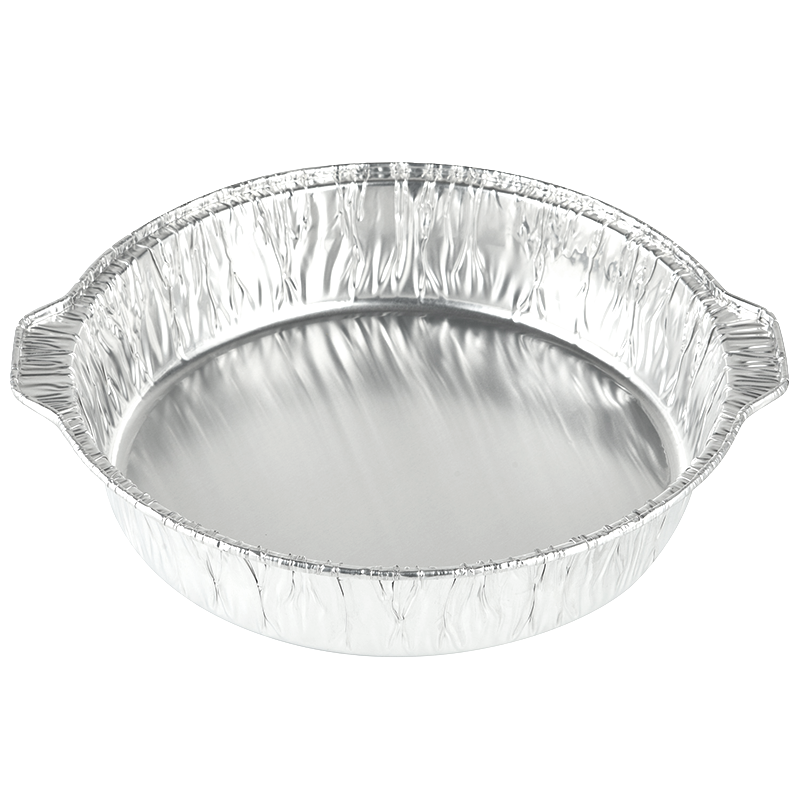
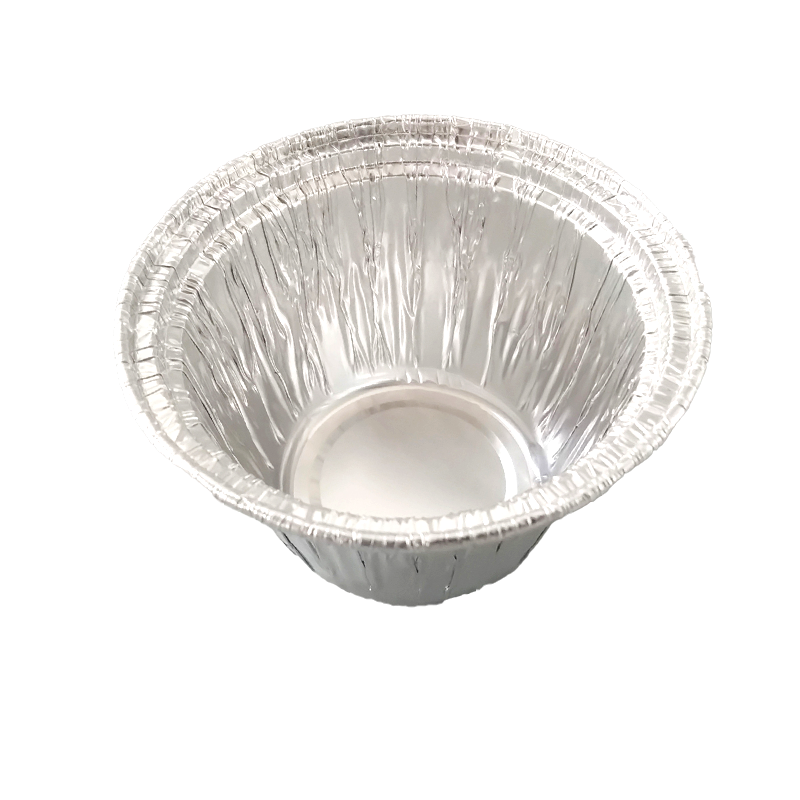
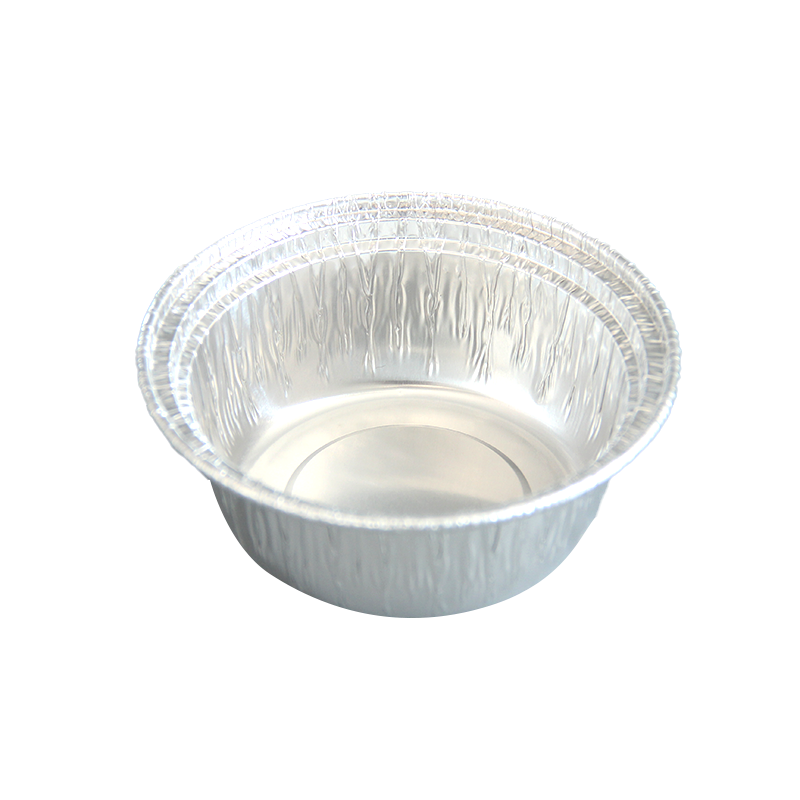
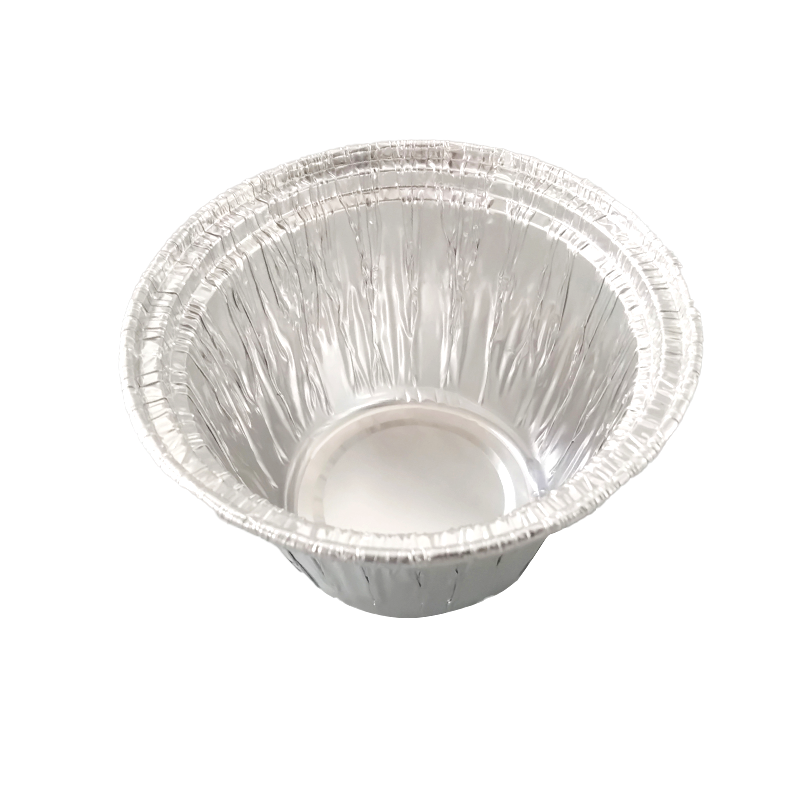
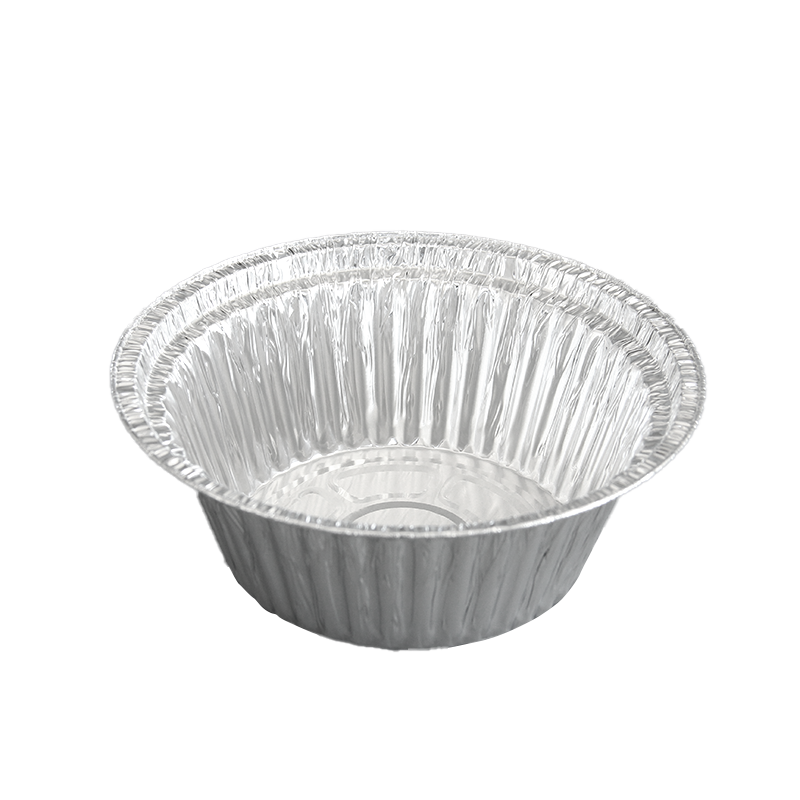
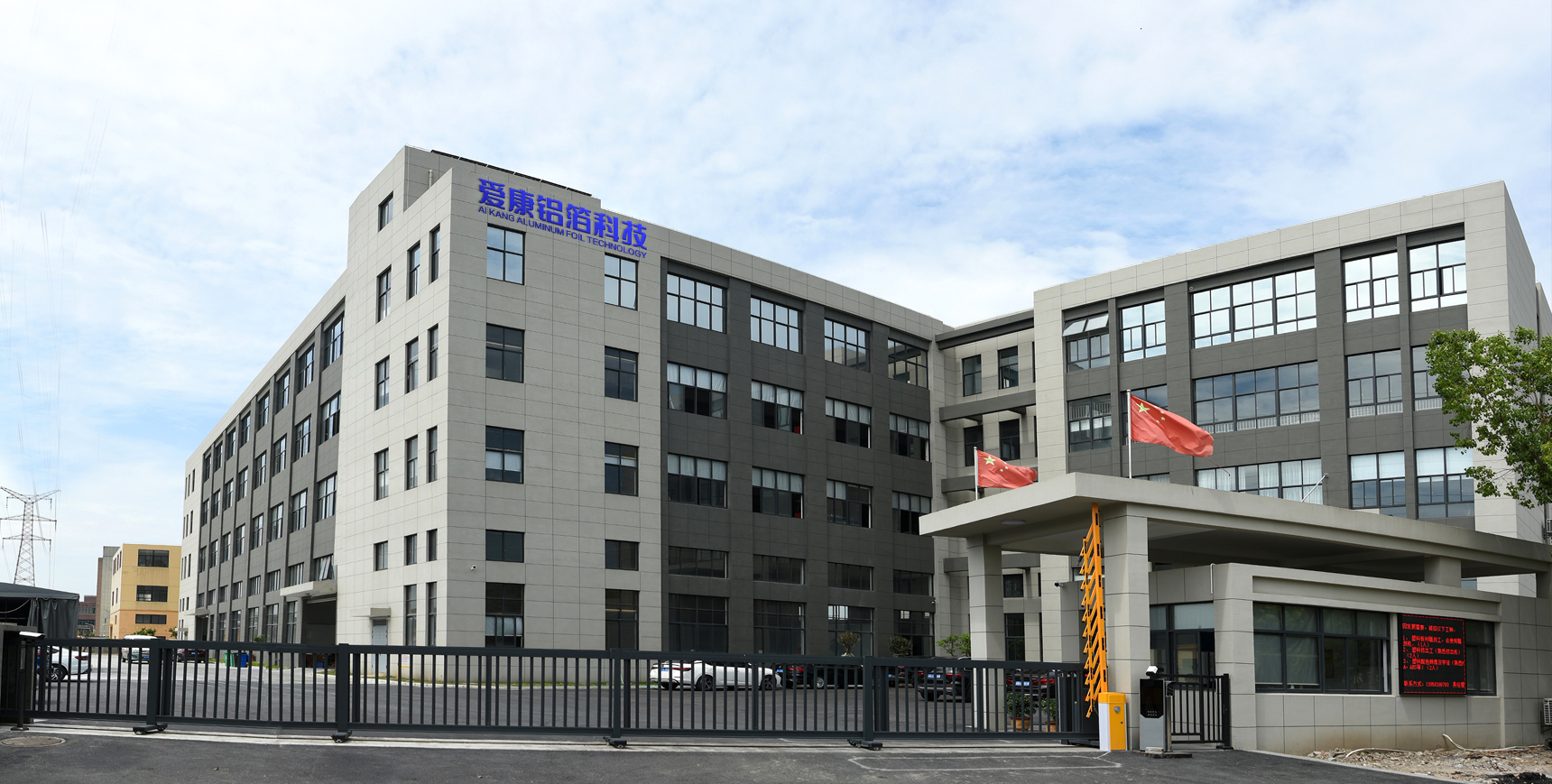
Aikang produces aluminum foil baking containers at its facility in Haishu District, Ningbo, using food-grade foil and precise forming tools. The range includes round pie and cake pans, rectangular loaf and slab pans, square brownie and tray-bake pans, and smaller cups and molds for individual desserts. Wall angles, depth and rim width are designed so that dough or batter rises properly and the finished product releases cleanly.
One of the strongest commercial reasons to use foil baking containers is that the pack is also the sales container. A bakery can bake an apple pie, cool it, add a lid and sell it without handling the product again. This protects delicate items such as custard tarts and cheesecakes, reduces breakage, and saves labor. For industrial producers, it also means that packaging lines can be simplified because the product moves from oven to lid to carton in one container.
Surface treatment is another consideration. Plain aluminum works well for many products, especially when the container is greased or lined. For sticky or delicate items, a coated or lacquered inner surface can improve release and make handling easier. Depending on the product, embossed bases and rolled rims give strength and a neat, finished appearance. Lids, including board-backed and clear dome types, protect the baked goods on shelves and in transit.
Bakery buyers commonly look at these factors when choosing baking containers:
- Heat response. Even browning and reliable bake times across the whole batch.
- Release performance. The ability to release the product cleanly, with or without a coated surface.
- Shape and volume. Dimensions that match recipes and portion weights.
- Rim and lid fit. A rim that supports lids for storage, display and transport.
- Stacking and denesting. Smooth separation for automated or manual filling lines.
- Cost and packing. Unit price and carton plan that suit high-volume production.
Baked goods often move through chilled or frozen distribution, so freezer performance matters as well. Foil containers handle deep-freezing and can go straight from the freezer to the oven, which is convenient for par-baked products, frozen desserts and heat-and-serve items. Home bakers value the same benefits and often buy multipacks for holidays and gifting.
Recipe development often depends on small container details. A slightly steeper wall changes how a cake rises, a wider rim can affect how a pie crust browns, and a deeper base alters baking time for custards. Our team can discuss these effects with your product developers and suggest alternative formats to test. Providing several samples at once allows your bakers to compare side by side and select the container that gives the best appearance, texture and yield for a particular recipe.
Aikang can supply baking containers in standard catalog sizes and can discuss adapted dimensions for larger programs. If you are unsure about the best gauge or shape for a new recipe, send us the product type, target weight and baking temperature. We can suggest an appropriate container and provide samples so that you can test bake performance in your own oven.



 English
 日本語
日本語 عربى
عربى Español