
 English
 日本語
日本語 عربى
عربى Español
-
 01
01
How to Choose Aluminum Foil Tableware for Food Packaging Business?
Industry News-Content
- 1 The Short Answer: What Really Matters When Choosing Aluminum Foil Tableware
- 2 Understanding Aluminum Foil Tableware and Its Role in Food Packaging
- 3 Material Grade and Food Safety Considerations for Aluminum Foil Containers
- 4 Thickness Standards and Heavy Duty Aluminum Foil Containers
- 5 Common Types of Aluminum Foil Tableware for Different Business Needs
- 6 How to Evaluate an Aluminum Foil Container Supplier
- 7 OEM and Custom Aluminum Foil Container Solutions
- 8 Choosing Aluminum Foil Tableware by Application
- 9 Sustainability and Recyclability of Aluminum Foil Packaging
- 10 Working with an Aluminum Foil Food Container Factory
- 11 Practical Checklist Before Placing a Bulk Order
- 12 Frequently Asked Questions About Aluminum Foil Tableware
The Short Answer: What Really Matters When Choosing Aluminum Foil Tableware
For most food packaging businesses, the right choice of aluminum foil tableware comes down to four practical factors: the material grade used in the aluminum foil container, the thickness matched to how the container will be used, the manufacturing consistency of the supplier, and the availability of custom sizing or printing when a brand identity is involved. Getting these four factors right from the start tends to save a business from repeated trial orders, inconsistent tray shapes, and containers that warp once they reach the kitchen.
- Confirm the aluminum grade is described as food grade aluminum foil tableware suited for direct food contact
- Match the thickness to the intended use, from light packaging up to heavy duty aluminum foil containers
- Check whether the container needs to withstand oven heat, refrigeration, or short reheating
- Ask whether the aluminum foil container supplier can produce custom sizes or OEM aluminum foil tray designs
- Review production tolerance, since even a small variation in rim size can affect how well a lid seals
Understanding Aluminum Foil Tableware and Its Role in Food Packaging
Aluminum foil tableware refers to containers, trays, and lids formed from rolled aluminum foil, shaped through a stamping process into cups, rectangular boxes, round trays, and deep catering pans. Because aluminum conducts and holds heat evenly, these containers are widely used across bakeries, catering companies, airline meal services, barbecue events, and takeaway restaurants that need a lightweight, stackable, and heat tolerant container.
Compared with some plastic or paperboard alternatives, disposable aluminum foil containers hold their shape under both hot and cold conditions, which is one reason many food packaging businesses continue to rely on them for oven ready meals, frozen food trays, and hot delivery boxes. A folded or curled rim also allows a matching lid, whether a board lid, a film lid, or a foil lid, to be sealed onto the container for transport.
For a business sourcing packaging at volume, understanding the basic construction of aluminum foil tableware, from coil thickness to rim design, is a useful starting point before comparing suppliers or requesting samples.
Material Grade and Food Safety Considerations for Aluminum Foil Containers
The starting point for any food grade aluminum foil tableware is the quality of the aluminum coil itself. A clean, controlled rolling process reduces surface residue and helps the finished aluminum foil container maintain a stable surface suited for direct contact with meals.
Alloy Composition and Coil Source
Most aluminum foil tableware is produced from soft, pliable aluminum coil that can be stamped into shape without cracking at the corners. A supplier that sources coil from a traceable rolling mill and keeps consistent alloy composition batch to batch tends to produce containers with more even thickness and fewer pinholes, which matters when the container will hold liquid based foods such as soups or sauces.
Surface Finish and Handling
Some aluminum foil containers are left with a smooth mill finish, while others receive a light textured or embossed pattern on the base and sidewalls. The embossed pattern is not only decorative, it also adds rigidity, which is one reason many heavy duty aluminum foil containers used for catering trays include a ribbed or diamond textured base. A clean surface finish, combined with careful stacking and packing during transport, helps the container arrive at the kitchen ready for direct use.
Thickness Standards and Heavy Duty Aluminum Foil Containers
Thickness is measured in microns and is one of the clearest indicators of how a container will perform. A thin container is lighter and more efficient for single serving takeaway meals, while a thicker gauge is better suited to catering trays, transport, or repeated handling. Heavy duty aluminum foil containers generally use a thicker gauge specifically to resist bending when filled with heavier foods such as roasted meat, casseroles, or large batches of catering food.
| Container Type | Typical Thickness Range | Common Use |
|---|---|---|
| Standard disposable container | 40 to 60 microns | Single serving takeaway meals |
| Heavy duty container | 70 to 100 microns | Catering, transport, repeated handling |
| Baking tray | 60 to 90 microns | Oven baking and roasting |
| BBQ tray | 70 to 110 microns | Outdoor grilling and high heat use |
When comparing suppliers, it helps to ask for the exact thickness range of each container line rather than relying on a general description such as thin or heavy, since even a small difference in gauge can noticeably change how a tray handles when full and hot.
Common Types of Aluminum Foil Tableware for Different Business Needs
Food packaging businesses rarely need only one container shape. A restaurant offering both dine in trays and delivery meals, for example, may need an aluminum foil lunch box for takeaway orders alongside a deeper aluminum foil meal tray for catering platters. The table below outlines some of the most common formats currently used across food service.
| Product Type | Typical Shape | Common Business Use |
|---|---|---|
| Aluminum foil lunch box | Rectangular with lid | Takeaway meals, food delivery |
| Aluminum foil meal tray | Rectangular or oval | Airline meals, catering services |
| Aluminum foil baking tray | Round or rectangular | Bakery items, roasting |
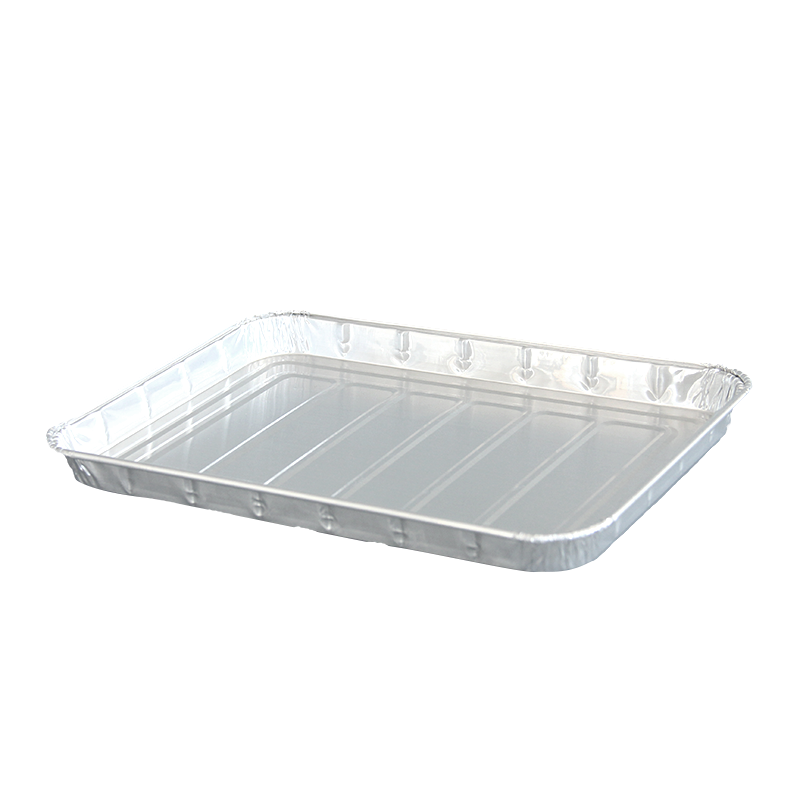
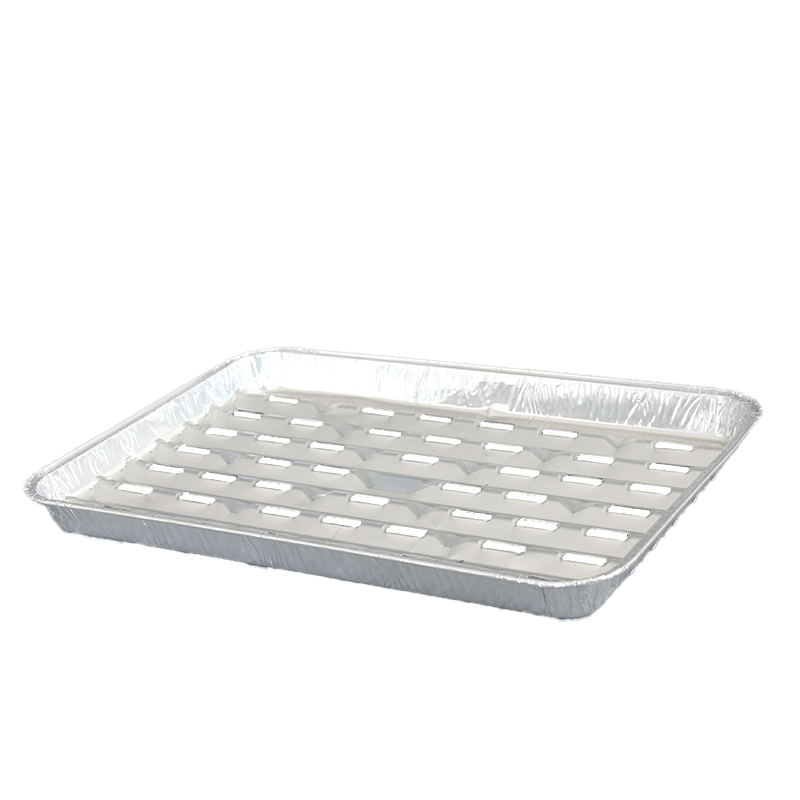
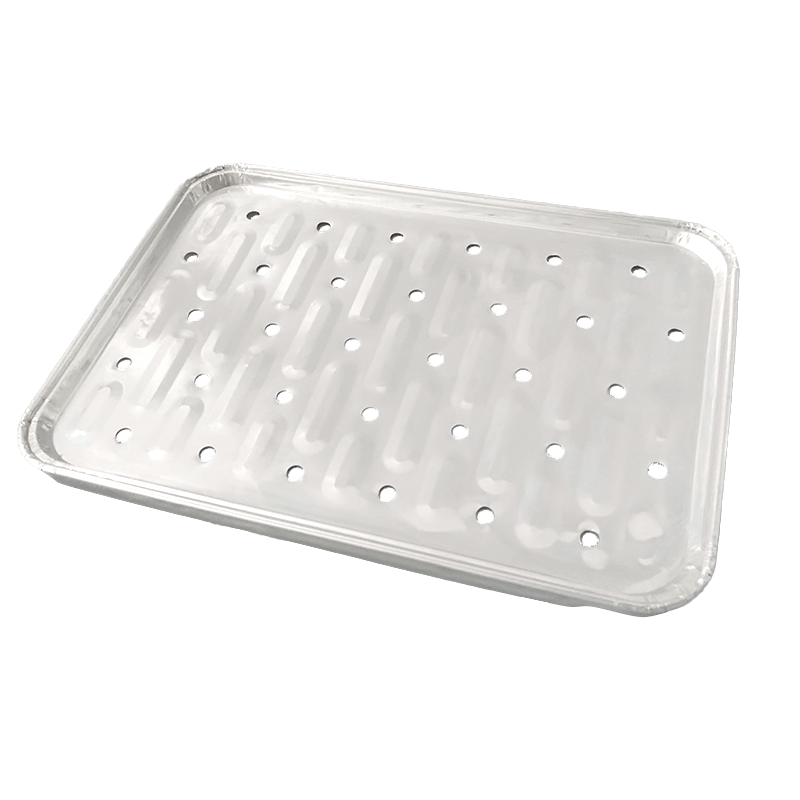
| Aluminum foil BBQ tray | Shallow rectangular | Outdoor grilling, barbecue events |
| Aluminum foil takeaway container | Round or square with lid | Restaurant takeout, food trucks |
| Aluminum foil catering tray | Deep rectangular, half or full size | Buffet and event catering |
Beyond these standard shapes, many aluminum foil food container factory operations can produce round cups, mini loaf pans, and multi compartment trays for meal prep businesses that need to separate proteins, vegetables, and starches within a single container.
How to Evaluate an Aluminum Foil Container Supplier
Choosing an aluminum foil container supplier is less about a single feature and more about how consistently a factory can repeat the same quality across every production run. A short trial order rarely reveals long term issues such as gradual mold wear or shifting thickness tolerance, so it helps to look at the following areas before committing to a larger order.
- Production capacity and how many container lines are actively running
- Mold and tooling capability for producing new shapes without long development delays
- In house checks applied during stamping, trimming, and packing stages
- Sample turnaround time from initial inquiry to a physical sample in hand
- Flexibility on order quantity for a business testing a new container line
- Packing method for shipment, since stacked containers can deform if boxed loosely
OEM and Custom Aluminum Foil Container Solutions
Many food brands eventually move from a generic container to a custom aluminum foil container once volume and brand recognition grow. Working directly with a factory on an OEM aluminum foil tray program allows a business to control both dimensions and appearance rather than adjusting a menu or packing process around a standard stock shape.
Custom Sizes and Shapes
A custom program typically starts with the internal dimensions a kitchen needs, such as the depth required for a stacked lasagna tray or the footprint needed to fit a specific delivery bag. From there, a factory can adjust the mold to match the requested length, width, and depth, along with a compatible board or film lid.
Custom Printing and Branding
Branding on aluminum foil tableware is usually applied through a printed board lid, a printed film seal, or a paper sleeve wrapped around the container, since printing directly on bare aluminum is less common for small to mid sized orders. This approach still allows a restaurant chain or catering company to present a recognizable container to the end customer without changing the core aluminum foil container itself.
Choosing Aluminum Foil Tableware by Application
Aluminum Foil BBQ Tray for Outdoor Cooking
An aluminum foil BBQ tray needs to withstand direct heat from a grill along with grease and marinade runoff. A slightly thicker gauge and a wide, shallow shape help the tray sit stably on a grill grate while still allowing heat to reach the food evenly.
Aluminum Foil Catering Trays for Events
Aluminum foil catering trays are usually produced in half size and full size formats to match standard chafing dish stands used at events. Depth matters here, since a shallow tray dries food out faster under a heat lamp, while a properly sized deep tray keeps food warm for longer serving periods.
Aluminum Foil Takeaway Container for Food Delivery
For delivery focused restaurants, an aluminum foil takeaway container with a securely fitting lid helps prevent spills during transport. A rim designed for a tight lid seal is often more important here than container depth, since delivery containers are frequently placed on their side inside a delivery bag.
Aluminum Foil Baking Tray Supplier Considerations
Bakeries and small food producers often need an aluminum foil baking tray that can go directly from a mixing station into an oven without transferring batter to a separate pan. Working with an aluminum foil baking tray supplier that offers consistent depth and a flat, even base helps baked goods cook evenly across every batch.
Sustainability and Recyclability of Aluminum Foil Packaging
Aluminum is a metal that can be recycled repeatedly without a significant loss of quality, which is one reason some food brands are shifting away from mixed material packaging toward single material aluminum foil tableware. A container made from a single recyclable material is generally simpler for a recycling facility to sort and process compared with packaging that combines several material layers.
Aluminum foil containers are also lightweight relative to their strength, which can help reduce the overall shipping weight of a packaging order compared with heavier alternatives. For food packaging businesses building sustainability messaging, highlighting the recyclable nature of aluminum foil tableware, alongside clear guidance for customers on rinsing and recycling used containers, is a straightforward way to support that goal without changing core packaging design.
Working with an Aluminum Foil Food Container Factory
Ningbo Aikang Aluminum Foil Technology Co., Ltd. operates as an aluminum foil container manufacturer and aluminum foil tableware factory based in Haishu District, Ningbo, a major port city in China well positioned for both domestic and export shipping. The company focuses on the design, development, and production of disposable aluminum foil containers, aiming to offer practical packaging solutions that keep pace with changing needs in the food packaging market.
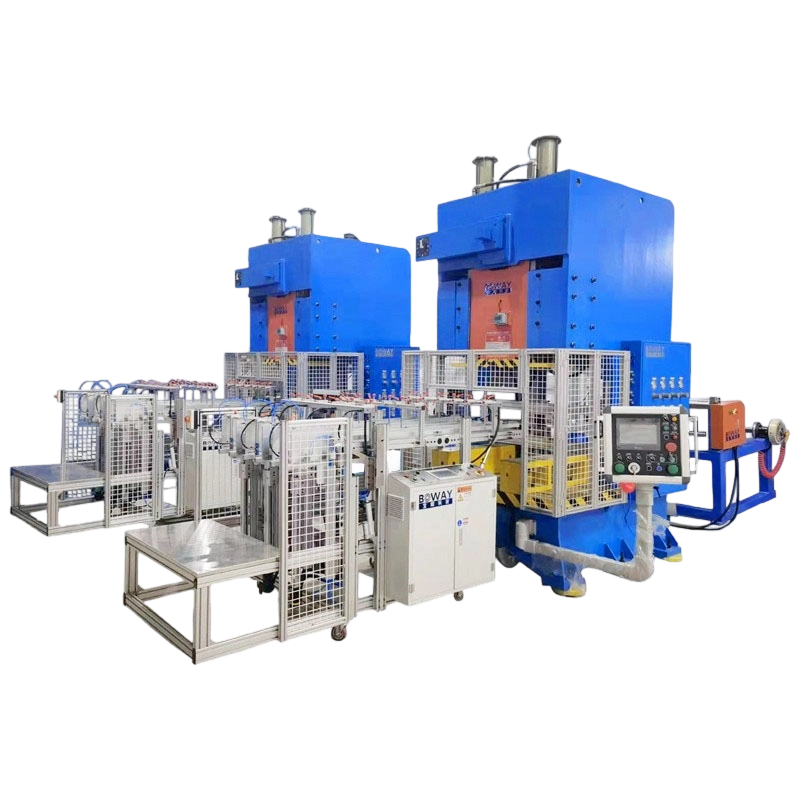
The product range produced at the factory includes aviation aluminum foil containers, barbecue pans, turkey pans, aluminum loaf pans, and a variety of other aluminum foil tableware formats. Several automatic production lines along with an in house mold making capability support both standard container lines and OEM aluminum foil tray requests, giving food packaging businesses more flexibility when a project calls for a shape that does not yet exist off the shelf.
With a design team, production equipment, and a dedicated sales and service group working together, the factory has built working relationships with customers both within China and internationally as an aluminum foil packaging manufacturer, guided by straightforward communication throughout the ordering process.
Practical Checklist Before Placing a Bulk Order
Once a business has narrowed down a preferred aluminum foil tableware manufacturer, a short internal checklist before the first bulk order can help prevent avoidable delays later in the process.
- Confirm the exact internal dimensions and depth needed for the intended food portion
- Request the material thickness specification in writing for the selected container line
- Ask for a physical sample tested under the actual food and temperature conditions it will face
- Clarify the outer carton configuration and how many pieces are packed per case
- Discuss any printing or branding requirements well before mold work begins
- Align on production lead time and the shipping method for the destination port or region
Frequently Asked Questions About Aluminum Foil Tableware
|
Q1. What is aluminum foil tableware? It is a category of disposable containers, trays, and lids formed from rolled aluminum foil, used for baking, storing, and transporting food. |
Q2. Is aluminum foil tableware safe for food contact? Food grade aluminum foil tableware is designed for direct food contact when produced from clean, controlled aluminum coil under proper handling. |
|
Q3. Can aluminum foil containers go in the oven? Yes, aluminum foil containers are commonly used for oven baking and roasting due to their heat tolerant material. |
Q4. Can aluminum foil trays go in the microwave? Placing foil trays directly in a microwave is generally not recommended, since metal can cause sparking. Transferring food to a microwave safe dish is a more suitable option. |
|
Q5. Can aluminum foil containers be customized? Yes, many factories offer OEM aluminum foil tray programs covering custom sizes, depths, and printed lids. |
Q6. What sizes are available? Sizes range from small individual portion cups to large full size catering trays, with custom dimensions available on request. |
|
Q7. Can I print my logo on aluminum foil tableware? Branding is typically applied through a printed board lid, printed film seal, or wrapped paper sleeve rather than printing on bare aluminum. |
Q8. What is the difference between standard and heavy duty containers? Heavy duty aluminum foil containers use a thicker gauge for added rigidity, while standard containers suit lighter, single serving use. |
Choose AiKang for Top-Quality
Aluminum Foil Products
Explore Our
Featured Products

Ningbo Aikang Aluminum Foil Technology Co., Ltd, based in Ningbo, produces eco-friendly disposable aluminum foil products. They prioritize quality and customer satisfaction, serving the global market with innovative packaging solutions.


Quick Links
Contact
-
 No. 5 Yongxing East Road, Fengshan Street, Yuyao City, Zhejiang Province, China
-
 Tel: +86-15867468784
-
 E-mail: [email protected]
Send Us A Message
