
 English
 日本語
日本語 عربى
عربى Español
-
 01
01
Is Aluminum Foil Tableware Safe for Food Storage?
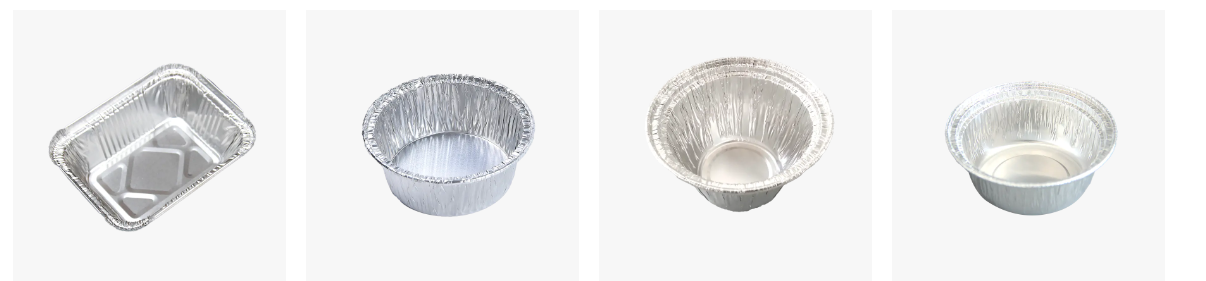
Industry News-Aluminum foil tableware is commonly used for cooking, serving, and storing food. Its convenience and versatility make it a popular choice for both households and businesses. However, a common question regarding food storage is: Is it safe to store food in aluminum foil tableware? Of course, with the correct usage, you can use it with confidence.
Content
- 1 Is Aluminum Foil Tableware Safe for Storing Food?
- 2 What Makes Aluminum Foil Safe for Food Storage?
- 3 What Are the Potential Concerns of Using Aluminum Foil for Food Storage?
- 4 What Are the Benefits of Using Aluminum Foil Tableware for Food Storage?
- 5 How to Properly Use Aluminum Foil Tableware for Food Storage?
- 6 Table: Best Practices for Using Aluminum Foil Tableware for Food Storage
- 7 FAQ: Frequently Asked Questions
- 8
Is Aluminum Foil Tableware Safe for Storing Food?
Yes, aluminum foil tableware is generally safe for food storage, provided it is used correctly. Aluminum foil is a non-toxic material, and it is widely used in the food industry for packaging and preserving food. It is highly resistant to heat, moisture, and air, making it an excellent choice for protecting food during storage. However, there are some important considerations to keep in mind to ensure its safe use for food storage, particularly regarding its interaction with certain foods and conditions.
What Makes Aluminum Foil Safe for Food Storage?
Aluminum foil’s safety in food storage can be attributed to its unique properties:
1. Moisture and Air Resistance
Aluminum foil provides an effective barrier against moisture, air, and light, which helps preserve food quality. By sealing food in aluminum foil, you can reduce exposure to oxygen, which causes spoilage and oxidation. This makes aluminum foil tableware especially useful for storing leftovers or wrapping food for freezing, extending shelf life significantly.
2. Non-Toxicity and Inert Nature
Aluminum is a naturally occurring metal and, when used in its pure form as foil, it is non-toxic. It does not leach harmful chemicals into food, making it safe for short-term food storage. Additionally, aluminum foil does not react with most food items, especially when it is not in direct contact with acidic foods like tomatoes or citrus, which can cause aluminum to corrode over time.
3. Heat Resistance
Aluminum foil can withstand high temperatures without breaking down, making it suitable for storing hot or cooked foods. It also helps retain heat, making it an excellent choice for keeping food warm or wrapping hot meals for transportation.
What Are the Potential Concerns of Using Aluminum Foil for Food Storage?
While aluminum foil is generally safe for food storage, there are some factors to be aware of:
1. Interaction with Acidic Foods
One of the main concerns when using aluminum foil for food storage is its reaction with acidic foods, such as tomatoes, citrus fruits, or vinegar-based dishes. When aluminum foil comes into direct contact with acidic foods, it can cause a reaction that may result in the foil breaking down and the food acquiring a metallic taste. In this case, it's advisable to use parchment paper or plastic wraps in between the food and aluminum foil for protection.
2. Leaching of Aluminum into Food
There has been some debate about whether aluminum can leach into food and cause health problems, particularly when food is stored or cooked in aluminum containers for extended periods. However, studies have shown that the amount of aluminum that leaches into food is negligible. Unless aluminum foil is exposed to very high temperatures or acidic foods for long periods, the risk of aluminum leaching remains minimal.
3. Risk of Overheating
While aluminum foil is heat-resistant, it can also cause food to overheat or cook unevenly in certain conditions, especially when used in the microwave. Aluminum foil should not be used in microwave ovens unless the specific product is designed for microwave use. It can lead to sparks or cause damage to the microwave, posing a safety hazard.
What Are the Benefits of Using Aluminum Foil Tableware for Food Storage?
Aluminum foil offers a variety of advantages when it comes to food storage:
1. Convenience
Aluminum foil is lightweight, flexible, and easy to use. It conforms to the shape of the food and the container, making it easy to wrap items and seal them tightly. It is especially convenient for storing leftovers or packing meals for travel or lunch.
2. Preservation of Freshness
By tightly wrapping food with aluminum foil, you can retain moisture and prevent the food from drying out. This helps preserve the texture, flavor, and nutritional value of the food, especially for items like meats, vegetables, and baked goods.
3. Easy to Store and Stack
Aluminum foil takes up minimal space in storage. You can easily stack wrapped items in the fridge, freezer, or pantry without worrying about space constraints. It is also a great option for storing food for long-term use in the freezer, as it helps prevent freezer burn.
How to Properly Use Aluminum Foil Tableware for Food Storage?
To maximize the safety and effectiveness of aluminum foil in food storage, follow these tips:
1. Avoid Contact with Acidic Foods
If you're storing acidic foods, it's best to place a layer of parchment paper or wax paper between the food and the foil to prevent any interaction between the acid and the aluminum. This will help avoid any metallic taste or degradation of the food’s quality.
2. Use for Short-Term Storage
Aluminum foil is best suited for short-term food storage, such as keeping leftovers or meals for a day or two. For long-term storage, particularly in the freezer, make sure to wrap the food tightly to prevent air from getting in. Consider double-wrapping or using a combination of aluminum foil and freezer bags for added protection against freezer burn.
3. Avoid High-Temperature Cooking
While aluminum foil can withstand high temperatures, avoid using it at extremely high heat for prolonged periods. If using aluminum foil for cooking or grilling, ensure that it doesn’t directly contact high-heat areas, as this could cause it to break down or affect the food quality.
Table: Best Practices for Using Aluminum Foil Tableware for Food Storage
| Tip | Reason |
| Avoid direct contact with acidic foods | To prevent corrosion of aluminum and metallic taste in food |
| Wrap food tightly | To preserve freshness and prevent air exposure |
| Use for short-term storage | For best results, especially when storing leftovers or meals for 1-2 days |
| Double-wrap for freezing | To prevent freezer burn and maintain food quality |
| Avoid using in microwave (unless designed for it) | To prevent sparks and potential damage to microwave |
FAQ: Frequently Asked Questions
Q1. Can aluminum foil be used for long-term food storage?
Aluminum foil is ideal for short-term food storage. For long-term storage, especially in the freezer, consider using double-wrapping or pairing it with freezer bags for added protection.
Q2. Is it safe to use aluminum foil in the microwave?
Aluminum foil should not be used in the microwave, as it can cause sparks and damage the appliance. Only microwave-safe aluminum products should be used.
Q3. Does aluminum foil cause food to taste metallic?
In most cases, aluminum foil does not impart a metallic taste to food. However, it may interact with acidic foods, leading to a metallic flavor. To avoid this, use parchment paper or wax paper as a barrier.
Q4. How can I prevent aluminum foil from reacting with food?
To prevent reactions, avoid using aluminum foil with highly acidic foods, such as tomatoes or citrus. A layer of parchment paper between the food and foil can prevent this issue.
Q5. Can aluminum foil be used to store cooked food?
Yes, aluminum foil is excellent for storing cooked food. It helps retain moisture and prevents the food from drying out, keeping it fresh for a longer period.
Aluminum foil tableware is safe for food storage, offering various benefits such as moisture resistance, non-toxicity, and heat resistance. By understanding how to use aluminum foil correctly and following the best practices, you can safely store food and preserve its freshness. However, it’s important to avoid using aluminum foil with acidic foods and in the microwave, as well as to follow proper storage guidelines to ensure optimal safety and food quality.

Choose AiKang for Top-Quality
Aluminum Foil Products
Explore Our
Featured Products

Ningbo Aikang Aluminum Foil Technology Co., Ltd, based in Ningbo, produces eco-friendly disposable aluminum foil products. They prioritize quality and customer satisfaction, serving the global market with innovative packaging solutions.


Quick Links
Contact
-
 No. 5 Yongxing East Road, Fengshan Street, Yuyao City, Zhejiang Province, China
-
 Tel: +86-15867468784
-
 E-mail: [email protected]
Send Us A Message
