
 English
 日本語
日本語 عربى
عربى Español
-
 01
01
Is Aluminum Foil Tableware Safe for Everyday Use? A Comprehensive Guide
Industry News-Content
- 1 Is Aluminum Foil Tableware Safe for Everyday Use? A Comprehensive Guide
- 2 1. What Is Aluminum Foil Tableware?
- 3 2. Safety Considerations of Aluminum Foil Tableware
- 4 3. How to Safely Use Aluminum Foil Tableware
- 5 4. Environmental Impact of Aluminum Foil Tableware
- 6 5. Alternatives to Aluminum Foil Tableware
- 7 Commonly Asked Questions
Is Aluminum Foil Tableware Safe for Everyday Use? A Comprehensive Guide
Yes, aluminum foil tableware is generally safe for everyday use, but there are some important considerations to keep in mind. While aluminum is a widely used material for cooking, storing, and serving food, it’s essential to understand its properties and how it interacts with heat, food, and other substances. This article will break down the safety of aluminum foil tableware, its potential risks, and how to use it correctly for safe, practical everyday use.
1. What Is Aluminum Foil Tableware?
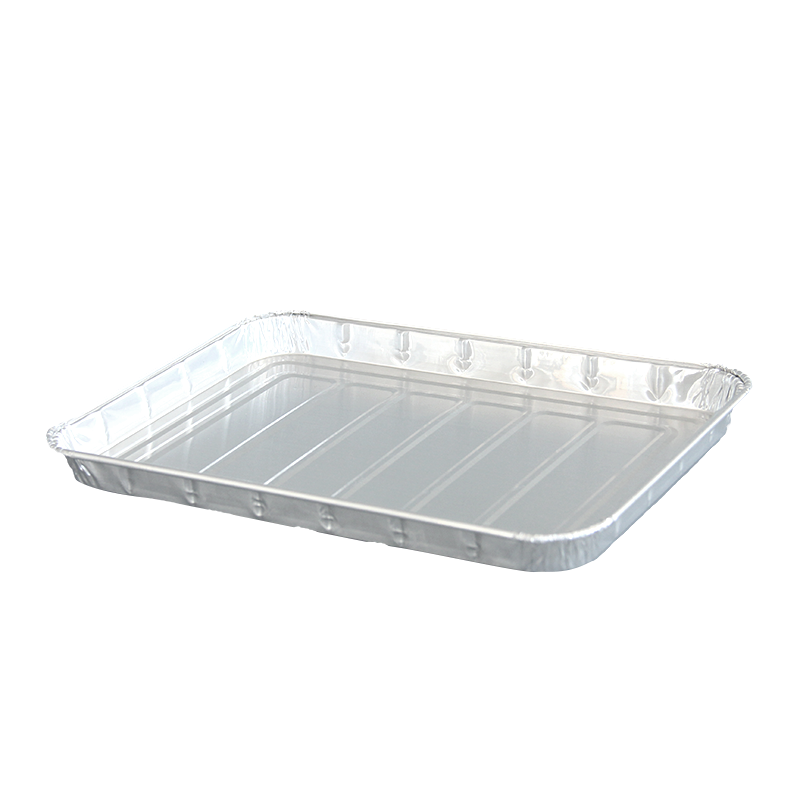
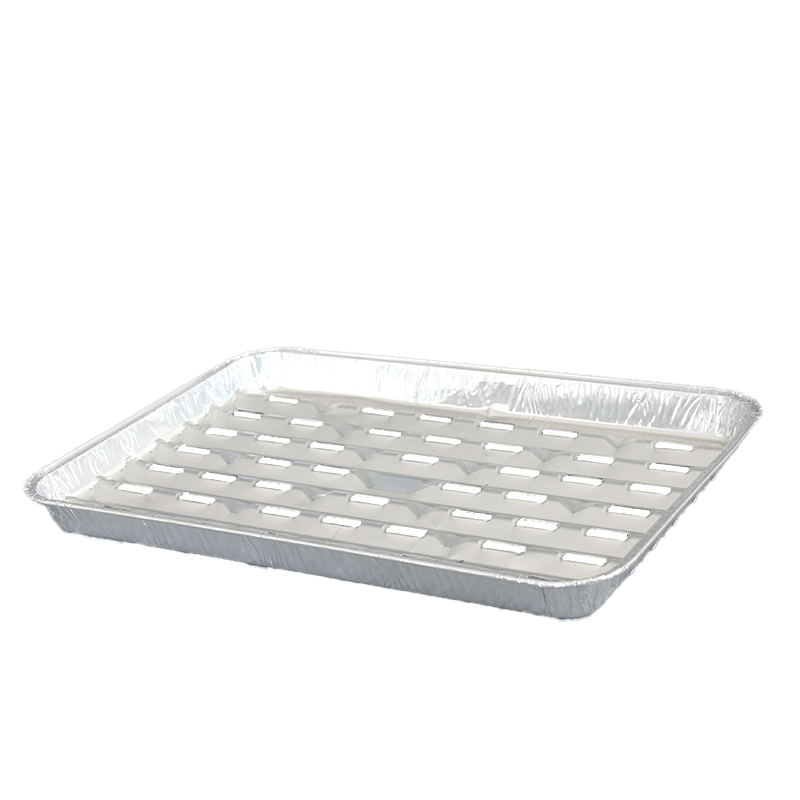
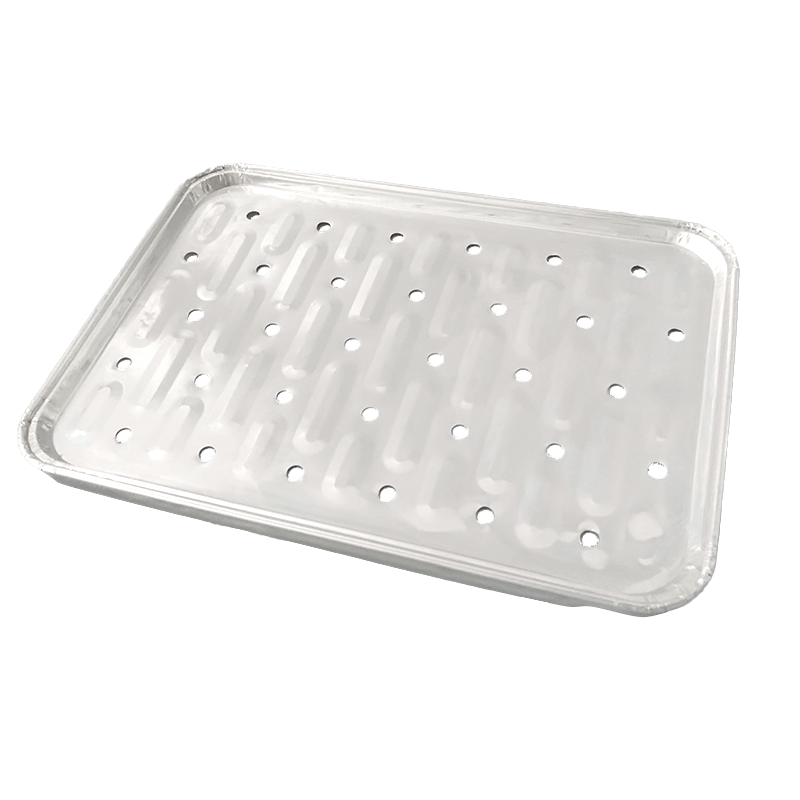
Aluminum foil tableware includes items like plates, trays, and containers made from thin sheets of aluminum. These products are lightweight, durable, and heat-resistant, making them ideal for a variety of uses, especially for takeout, outdoor events, and baking. Aluminum foil is also a great alternative to plastic, as it is recyclable and biodegradable, which makes it more environmentally friendly.
2. Safety Considerations of Aluminum Foil Tableware
When it comes to safety, the key factors to consider include the use of aluminum foil with acidic foods, exposure to high heat, and possible chemical reactions. Aluminum foil is generally safe when used correctly, but there are some potential risks to be aware of:
- Aluminum and acidic foods: When aluminum foil comes into contact with acidic foods (such as tomatoes or citrus), it may cause a chemical reaction that can affect both the flavor and safety of the food. The reaction can cause a metallic taste and could potentially result in the leaching of small amounts of aluminum into the food.
- Heat resistance: Aluminum foil is heat-resistant, but prolonged exposure to high temperatures (such as grilling or baking) can cause it to weaken, especially at thinner spots. This is why it’s important not to use aluminum foil when cooking at excessively high temperatures, as it can result in it breaking apart or leaching into the food.
- Potential for leaching: When aluminum foil is used in cooking, especially at high temperatures, some aluminum may leach into the food. However, the amount that leaches is minimal and typically not harmful, according to various health experts. Still, it’s recommended to use aluminum foil for short periods and avoid frequent use for high-acid or high-heat cooking.
3. How to Safely Use Aluminum Foil Tableware
To ensure that aluminum foil tableware is used safely, here are a few tips:
- Avoid using with acidic foods: To prevent unwanted reactions, it’s best to avoid using aluminum foil for acidic foods such as tomatoes, citrus, or vinegar-based dishes.
- Don’t expose to extreme heat for extended periods: Aluminum foil tableware is best used for short cooking times. For instance, avoid using aluminum foil in direct contact with an open flame, as this can cause it to burn or disintegrate.
- Recyclability: Always ensure that aluminum foil is disposed of properly and, where possible, recycle it. Aluminum is 100% recyclable, making it a more eco-friendly option compared to single-use plastics.
4. Environmental Impact of Aluminum Foil Tableware
Aluminum foil is a more sustainable alternative to plastic, but it still has an environmental impact. The production of aluminum requires significant energy, and excessive use of disposable aluminum products can contribute to waste if not properly recycled. However, the recyclability of aluminum makes it a more environmentally friendly option when compared to single-use plastic products.
5. Alternatives to Aluminum Foil Tableware
If you are concerned about the potential health risks or environmental impact of aluminum foil, there are several alternatives available:
- Glass or ceramic tableware: A great alternative for both serving and cooking. These materials are non-reactive and can withstand high temperatures without leaching any substances into the food.
- Stainless steel containers: Durable, reusable, and eco-friendly, stainless steel offers a long-lasting alternative to aluminum foil for storage and cooking.
- Bamboo or palm leaf plates: These eco-friendly, biodegradable options are perfect for serving food in an environmentally conscious way.
Commonly Asked Questions
- Q: Is aluminum foil tableware safe for cooking?
A: Yes, it is safe when used appropriately, but it should not be used with acidic foods or at excessively high temperatures for extended periods. - Q: Can aluminum foil leach into food?
A: While some aluminum can leach into food, the amount is typically minimal and considered safe for most uses. - Q: Can I recycle aluminum foil tableware?
A: Yes, aluminum foil is 100% recyclable. Just ensure it’s clean before recycling. - Q: Is aluminum foil harmful to the environment?
A: While aluminum foil is recyclable, its production process is energy-intensive. Recycling reduces its environmental impact. - Q: Can I use aluminum foil tableware in the microwave?
A: No, aluminum foil should not be used in the microwave as it can cause sparks and fire hazards.So, can aluminum foil be put in the oven? - Q: How should I dispose of aluminum foil tableware?
A: If not reusable, clean it and recycle it. Avoid throwing it away as regular waste to reduce its environmental impact.

Choose AiKang for Top-Quality
Aluminum Foil Products
Explore Our
Featured Products

Ningbo Aikang Aluminum Foil Technology Co., Ltd, based in Ningbo, produces eco-friendly disposable aluminum foil products. They prioritize quality and customer satisfaction, serving the global market with innovative packaging solutions.


Quick Links
Contact
-
 No. 5 Yongxing East Road, Fengshan Street, Yuyao City, Zhejiang Province, China
-
 Tel: +86-15867468784
-
 E-mail: [email protected]
Send Us A Message
