
 English
 日本語
日本語 عربى
عربى Español
-
 01
01
How to clean aluminum foil tableware? What is the correct way to dispose of it after use?
Industry News-Aluminum foil tableware is widely used in family gatherings, restaurant takeout, and picnics due to its lightweight, durability, and certain water and oil resistance. It not only keeps food warm but also helps retain its original flavor during cooking. However, how should we properly clean and dispose of aluminum foil tableware after use? How can we properly dispose of it to achieve both hygiene and environmental benefits?
1. Characteristics of Aluminum Foil Tableware
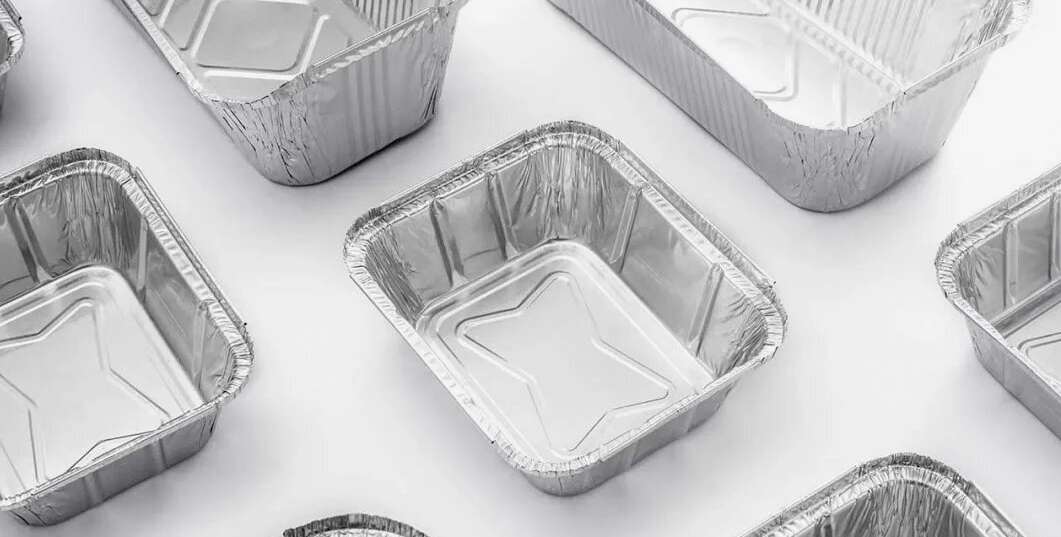
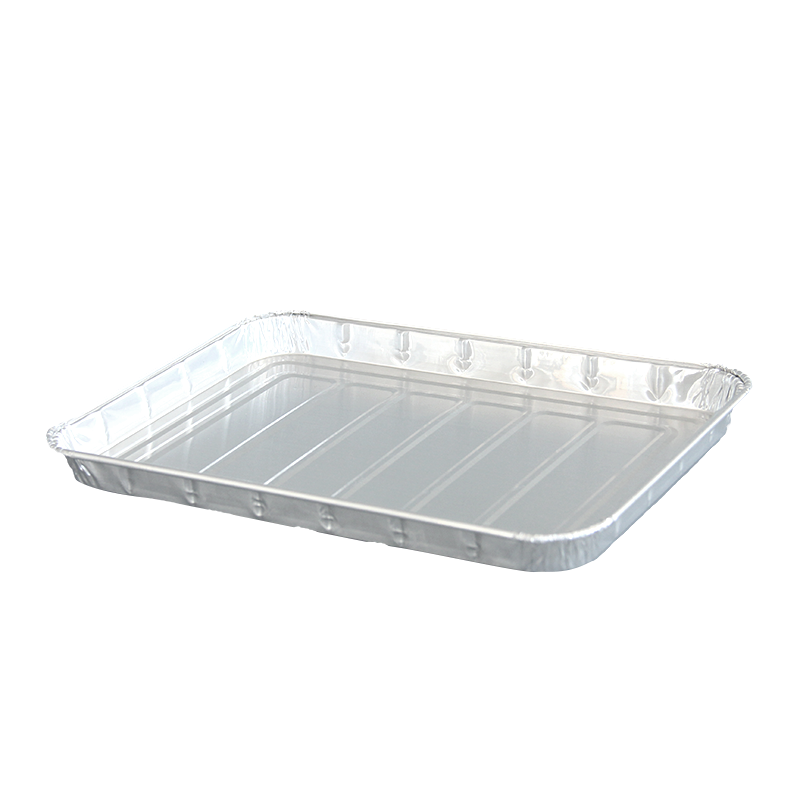
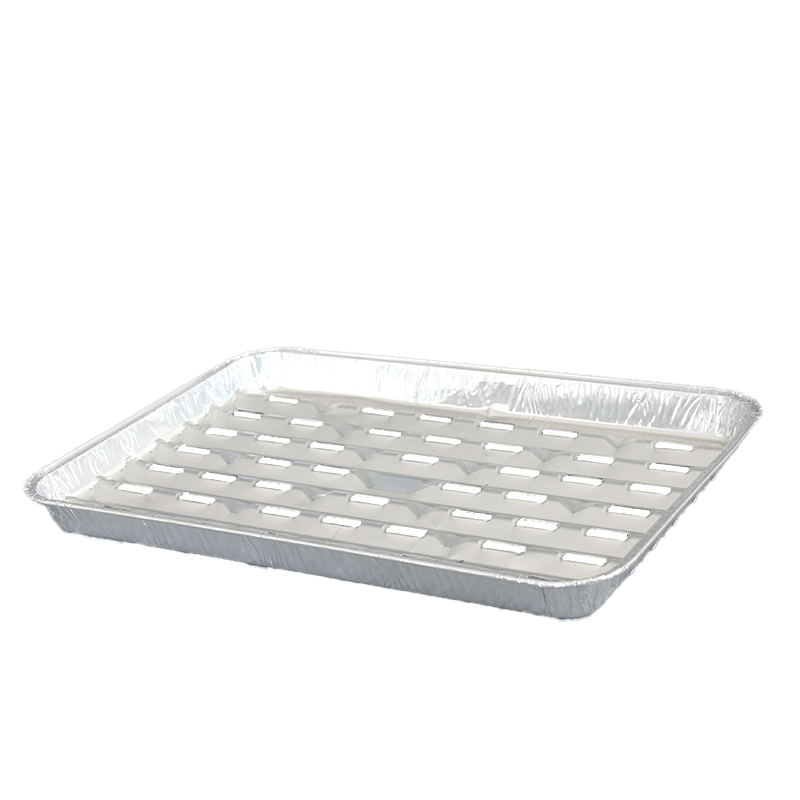
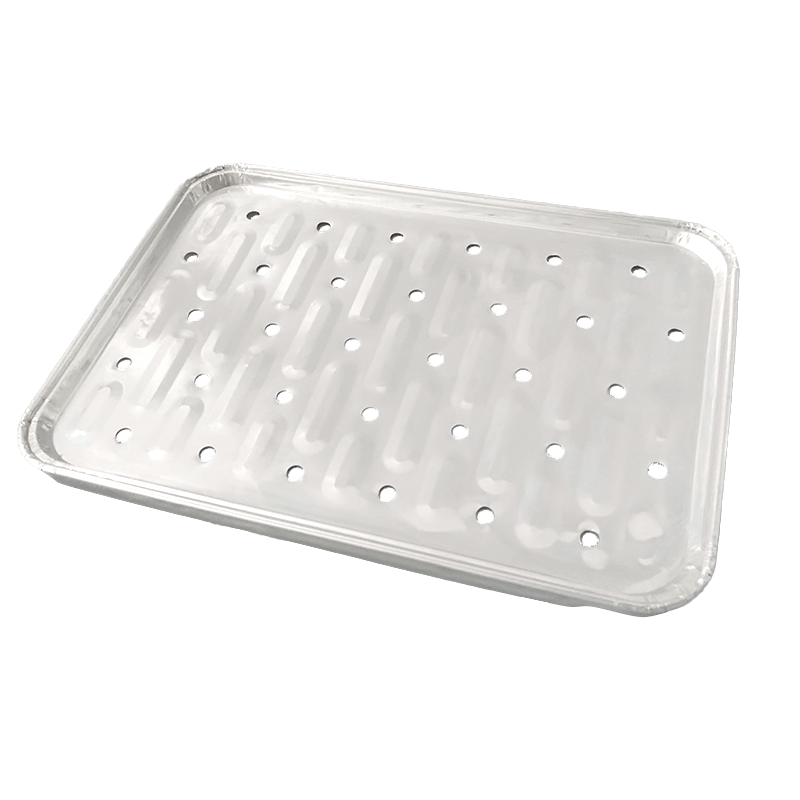
Aluminum foil tableware is usually made of thin sheets of aluminum foil, which has good thermal conductivity and strong corrosion resistance. Because aluminum foil is very thin and easily deformed, the durability and stability of aluminum foil tableware differ slightly compared to tableware made of other materials. It is commonly used for takeout tableware, convenient picnic tableware, and in certain baking and cooking processes. The advantage of aluminum foil tableware is that it effectively isolates food from contact with air, reducing food oxidation and maintaining its freshness.
However, due to the special properties of aluminum foil, extra care is needed when cleaning and handling it to avoid affecting its effectiveness or causing waste.
2. Methods for Cleaning Aluminum Foil Tableware
Cleaning aluminum foil tableware is not as simple as cleaning other metal or plastic tableware. Because aluminum foil is very thin and easily damaged, we need to pay special attention to the cleaning method to ensure that its structure is not damaged. Here are some common methods for cleaning aluminum foil tableware:
(1) Avoid using a dishwasher
While aluminum foil tableware can be rinsed with water, it is best not to use a dishwasher. The high temperature and strong water flow of a dishwasher may cause the aluminum foil to deform or even cause irreversible damage. Moreover, the reaction between the high-temperature water flow and detergent in a dishwasher may leave marks or cause corrosion on the aluminum foil surface.
(2) Clean with warm water and a soft sponge
If there is little food residue on the aluminum foil tableware, it can be cleaned with warm water and a small amount of neutral detergent. Gently scrub with a soft sponge, avoiding the use of steel wool or hard cleaning tools to prevent scratching the aluminum foil surface. Hard objects such as steel wool may damage the aluminum foil, affecting its subsequent use.
(3) Methods for removing grease stains
Aluminum foil tableware easily gets greasy during cooking. If the oil stains are stubborn, you can mix hot water and baking soda to create a mild degreasing solution. Use a soft sponge dipped in the solution to gently wipe the oil stains; this usually removes the grease. For particularly stubborn oil stains, try soaking them for a few minutes before washing.
(4) Cleaning Food Residue
For used aluminum foil tableware, if there is only a small amount of food residue on the surface, the simplest method is to wipe it away with a paper towel or cloth. You can rinse it with warm water and a small amount of dish soap, then gently wipe it with a soft sponge. Be careful to avoid excessive rubbing to prevent tearing the aluminum foil.
(5) Avoid Excessive Rubbing or Folding
When cleaning, try to avoid excessive rubbing or repeated folding of aluminum foil tableware. Although aluminum foil tableware can withstand a certain amount of pressure, frequent folding or rubbing can cause the aluminum foil to deform and break, and bacteria can easily grow in uncleaned areas.
(6) Drying Aluminum Foil Tableware
After cleaning the aluminum foil tableware, it should be thoroughly dried. You can gently wipe the surface of the tableware with a clean towel or let it air dry naturally. Avoid placing damp aluminum foil in humid environments, as aluminum is prone to oxidation in humid conditions, leading to blackening or corrosion.
3. Handling and Recycling of Aluminum Foil Tableware
After cleaning, proper handling of aluminum foil tableware is another important issue. Although aluminum foil is recyclable, not all aluminum foil tableware is suitable for recycling. Here are some suggestions for the proper handling of aluminum foil tableware:
(1) Is it recyclable?
Aluminum foil tableware is recyclable, provided it is not excessively contaminated with grease or food residue. If the aluminum foil tableware is heavily contaminated with grease or food residue after use, it is best not to throw it directly into the recycling bin, but to clean it properly before recycling.
(2) Cleaning before recycling
To recycle aluminum foil tableware, first ensure it is clean. Follow the cleaning steps mentioned above to remove food residue and grease from the tableware. To improve recycling efficiency, ensure that the aluminum foil tableware is free of other impurities.
(3) How to avoid waste
When using aluminum foil tableware, try to avoid using too much at once, especially during family gatherings or takeout meals. Consider reusing the same aluminum foil cutlery multiple times. Of course, this process requires careful cleaning and inspection of the cutlery for any damage. If the aluminum foil cutlery is damaged or deformed, it is best to discard it to avoid food contamination.
(4) Reuse of Aluminum Foil
Many people are unaware that aluminum foil cutlery can be reused. Properly cleaned aluminum foil cutlery can be used for food storage or as baking utensils. As long as it is not severely damaged or contaminated, aluminum foil cutlery can continue to serve its purpose.
(5) Environmental Protection
Although aluminum foil cutlery is recyclable, the production and recycling of aluminum consumes a significant amount of energy. To reduce the burden on the environment, avoid excessive use of disposable aluminum foil cutlery. Choose reusable cutlery, such as stainless steel, glass, or ceramic cutlery, which achieves both environmental protection and reduces waste generation.
Aluminum foil cutlery has become an indispensable part of modern life due to its convenience and efficiency. However, proper cleaning and disposal of these cutlery after use is crucial for ensuring their long-term use and reducing environmental pollution. Using proper cleaning methods, such as washing with warm water and a soft sponge, and avoiding high-temperature and high-pressure cleaning, can effectively extend the lifespan of aluminum foil cutlery. At the same time, ensuring the cleanliness of tableware for recycling and reuse also contributes to environmental protection.
When using aluminum foil tableware, keep it as clean and tidy as possible, avoid excessive use of disposable tableware, and promote sustainable and environmentally friendly disposal methods to reduce waste of resources and negative environmental impacts.

Choose AiKang for Top-Quality
Aluminum Foil Products
Explore Our
Featured Products

Ningbo Aikang Aluminum Foil Technology Co., Ltd, based in Ningbo, produces eco-friendly disposable aluminum foil products. They prioritize quality and customer satisfaction, serving the global market with innovative packaging solutions.


Quick Links
Contact
-
 No. 5 Yongxing East Road, Fengshan Street, Yuyao City, Zhejiang Province, China
-
 Tel: +86-15867468784
-
 E-mail: [email protected]
Send Us A Message
