
 English
 日本語
日本語 عربى
عربى Español
-
 01
01
AIKANG Heat Shrinking Machine: Innovator in Product Packaging Industry
Industry News-In the ever-evolving landscape of industrial packaging, the heat shrinking machine has established itself as a transformative force. By wrapping products with heat-shrinkable film and applying controlled heat to form a tight, custom-fitting seal, this equipment delivers a powerful combination of sealing protection and visual enhancement. As a result, it has become standard packaging equipment across the food, pharmaceutical, electronics, and consumer goods industries.
Content
Market Growth and Industry Significance
The heat shrinking machine market is experiencing robust expansion. The global heat shrink packaging machine market was valued at approximately $12 billion in 2024** and is projected to exceed **$15 billion in 2025, maintaining a compound annual growth rate (CAGR) of over 7%. The Chinese market alone reached 13.58 billion yuan in 2023, with year-on-year growth of 12.6%. This growth is driven by increasing demand for efficient, secure, and visually appealing packaging solutions—particularly in e-commerce and retail sectors.
Core Technology and Working Principle
The heat shrinking machine operates on the principle of polymer material thermoplasticity. When the film is heated to 120–180°C, molecular chains reorganize from a disordered state into a compact structure, achieving a shrinkage rate of 30% to 70% and tightly conforming to the product contour.
Taking PE film as an example, the memory effect formed during its biaxial stretching process enables rapid shrinking under infrared radiation from quartz tube or stainless steel heaters, perfectly fitting even irregularly shaped surfaces. The sealing layer formed after shrinkage effectively blocks water and oxygen penetration, extending pharmaceutical shelf life by 20%. For fragile items such as glass bottles, the cushioning performance can withstand a 1.5-meter drop impact.
Key Advantages of Heat Shrinking Machines
1. Significant Cost Reduction
Compared to traditional carton packaging, PE film costs are reduced by 40%. In beverage bottling applications, shrink film costs approximately $0.20 per 24-pack versus $0.90 for corrugated alternatives—a 77% material cost reduction. Automated production lines further reduce labor input by 60%, and optimized machine settings can yield operational savings of up to $24,000 per year per machine.
2. Enhanced Production Efficiency
Modern heat shrinking machines dramatically reduce processing times by combining sealing and shrinking in seconds. High-throughput models can process up to 300 products per hour. In one documented case, a prefabricated vegetable enterprise improved packaging efficiency from 1,200 to 1,800 units per hour while reducing labor costs by 35% after implementing an intelligent heat shrink line.
3. Superior Product Protection
The tightly conforming film creates a secure, tamper-evident seal that protects products from moisture, dust, and contamination. The cushioning effect of the shrink film provides impact resistance during shipping and handling, significantly reducing damage rates for fragile items.
4. Professional Presentation
The clear film tightly conforms to products, offering a professional finish and secure seal that enhances brand perception. The transparent packaging allows customers to view the product directly, building trust and improving the unboxing experience.
Technological Innovations Shaping the Future
Intelligent and Connected Systems
The industry is rapidly embracing Industry 4.0 technologies. Next-generation smart shrink wrapping machines feature IoT-enabled connectivity for real-time monitoring of performance, energy consumption, and film usage. Predictive maintenance systems equipped with smart sensors detect wear and tear early, minimizing costly downtime. Machine-to-machine communication and industrial IoT platforms deliver predictive maintenance alerts and drive continuous improvement.
Energy Efficiency
New shrink tunnel designs have achieved energy consumption reductions of at least 20% while substantially improving shrink-wrap quality. Energy-efficient heat tunnels are now optimized for reduced electricity consumption without compromising pack quality.
Advanced Temperature Control
Innovations in temperature control include zone-based model predictive control (MPC) strategies that steer oven temperatures toward fixed or adaptive ranges, ensuring optimal temperature uniformity. Disturbance-rejection-oriented controllers account for perturbations caused by product insertion, maintaining consistent shrink quality.
Sustainability Focus
The industry is shifting toward low-gauge films and sustainable materials. Thinner sealing jaws result in narrower seals, yielding small material reductions per pack. High-toughness films as thin as 16μm provide equivalent protection to traditional 18μm films, saving over 13% in packaging costs per 10,000 cartons.
Applications Across Industries
Heat shrinking machines serve a diverse range of industries:
-
Food and Beverage: Multipacks, fresh produce, frozen foods, and ready meals
-
Pharmaceuticals: Tamper-evident seals for medicines and medical devices
-
Electronics: Protective wrapping for components and finished goods
-
Consumer Goods: Retail-ready packaging for cosmetics, household items, and more
-
Conclusion
The heat shrinking machine has evolved from a simple packaging tool into a sophisticated, intelligent system that drives efficiency, reduces costs, and enhances product presentation. With the global market projected to reach $15 billion in 2025 and technological innovations accelerating, this equipment remains at the forefront of packaging industry transformation. For manufacturers seeking to improve packaging quality, reduce operational costs, and meet sustainability goals, investing in modern heat shrinking technology is not just an option—it is a strategic imperative
- Choose aikang company's Heat Shrinking Machine.
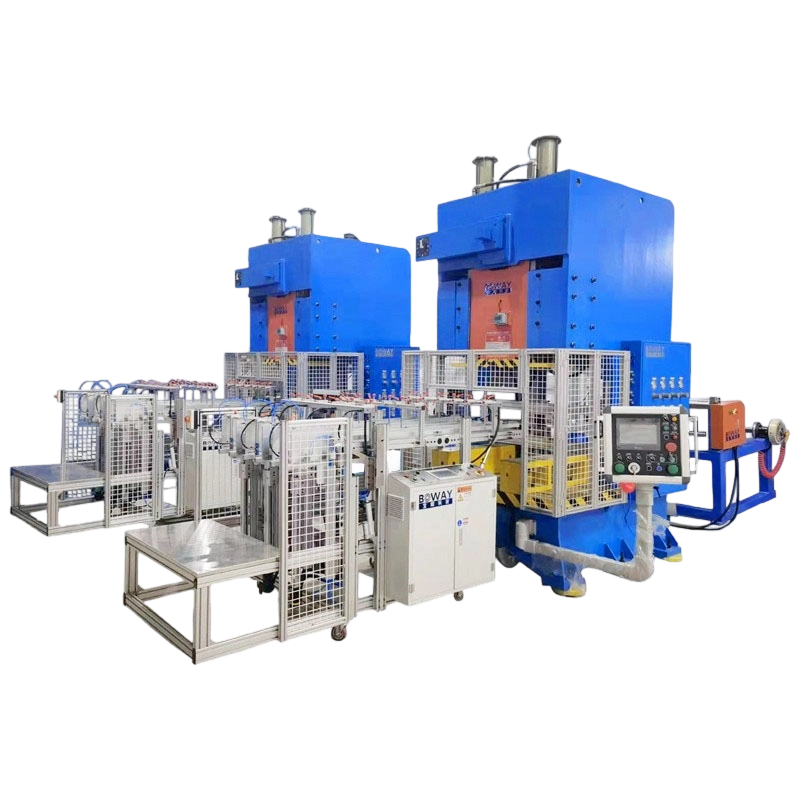
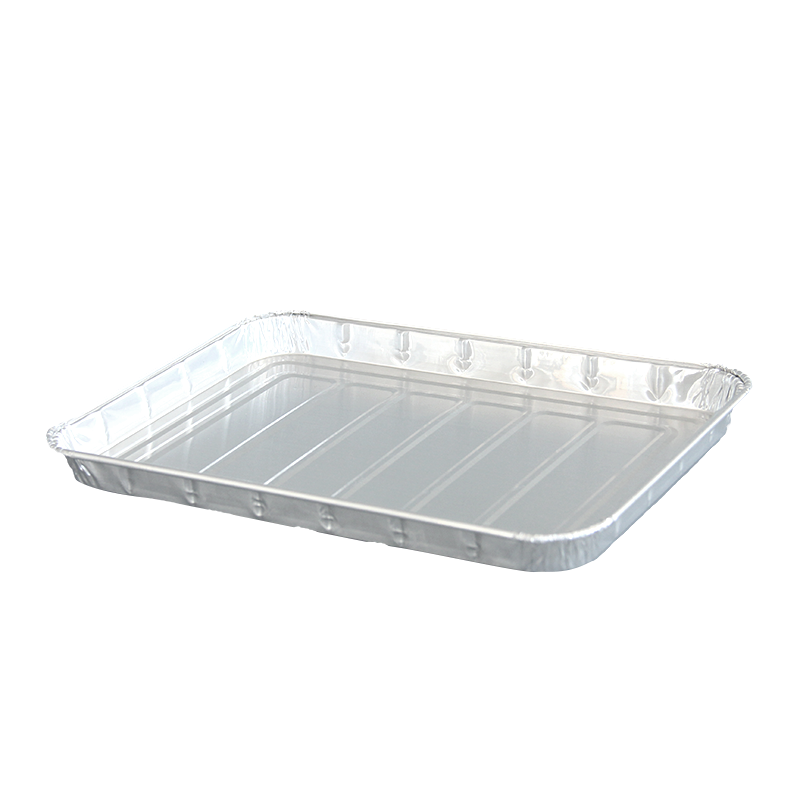
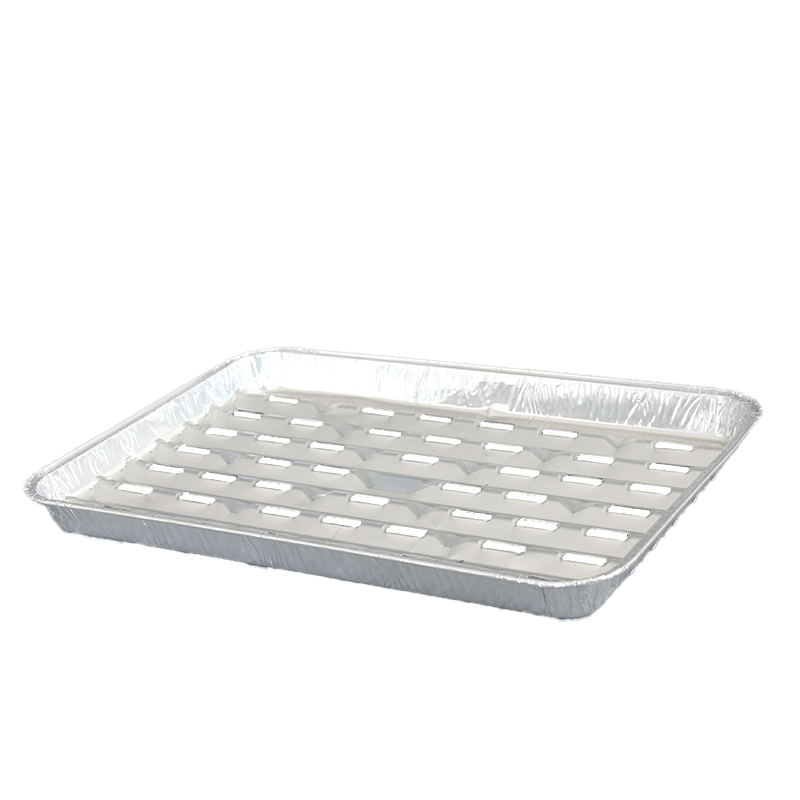
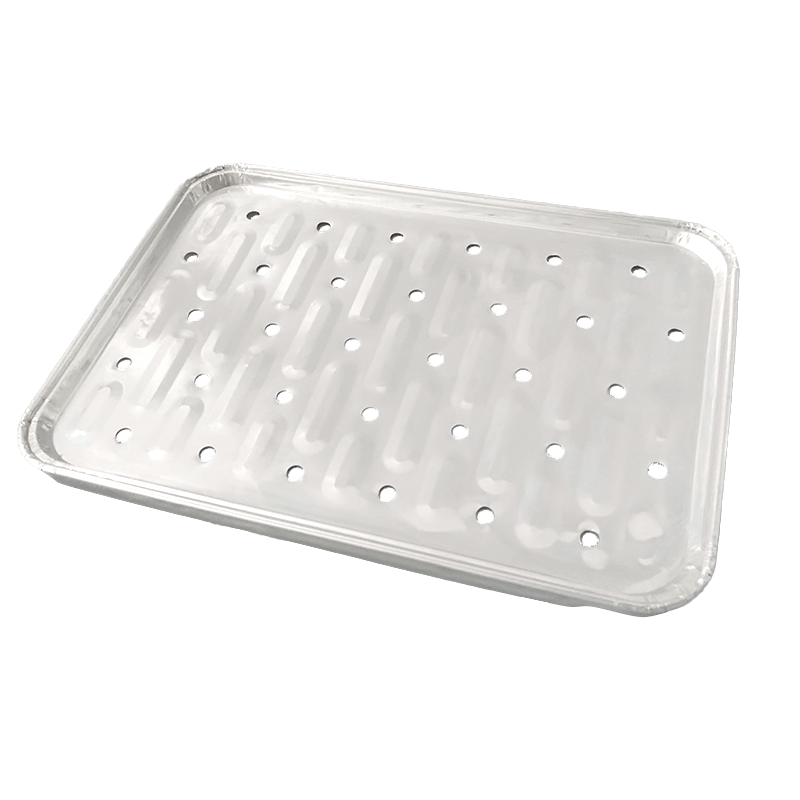
Choose AiKang for Top-Quality
Aluminum Foil Products
Explore Our
Featured Products
Ningbo Aikang Aluminum Foil Technology Co., Ltd, based in Ningbo, produces eco-friendly disposable aluminum foil products. They prioritize quality and customer satisfaction, serving the global market with innovative packaging solutions.


Quick Links
Contact
-
 No. 5 Yongxing East Road, Fengshan Street, Yuyao City, Zhejiang Province, China
-
 Tel: +86-15867468784
-
 E-mail: [email protected]
Send Us A Message
