
 English
 日本語
日本語 عربى
عربى Español
-
 01
01
Do you know the correct way to use aluminum foil tableware?
Industry News-In modern catering and home dining, aluminum foil tableware has gradually become a popular choice due to its convenience, light weight, and environmental friendliness. Whether for takeout containers, picnic supplies, or baking tools, the versatility of aluminum foil tableware makes it widely used in various dining scenarios. However, many people are unaware of how to use aluminum foil tableware correctly.
This article will provide a detailed explanation of the correct way to use aluminum foil tableware, helping you to fully utilize and understand this efficient and environmentally friendly tableware.
Content
1. What is aluminum foil tableware?
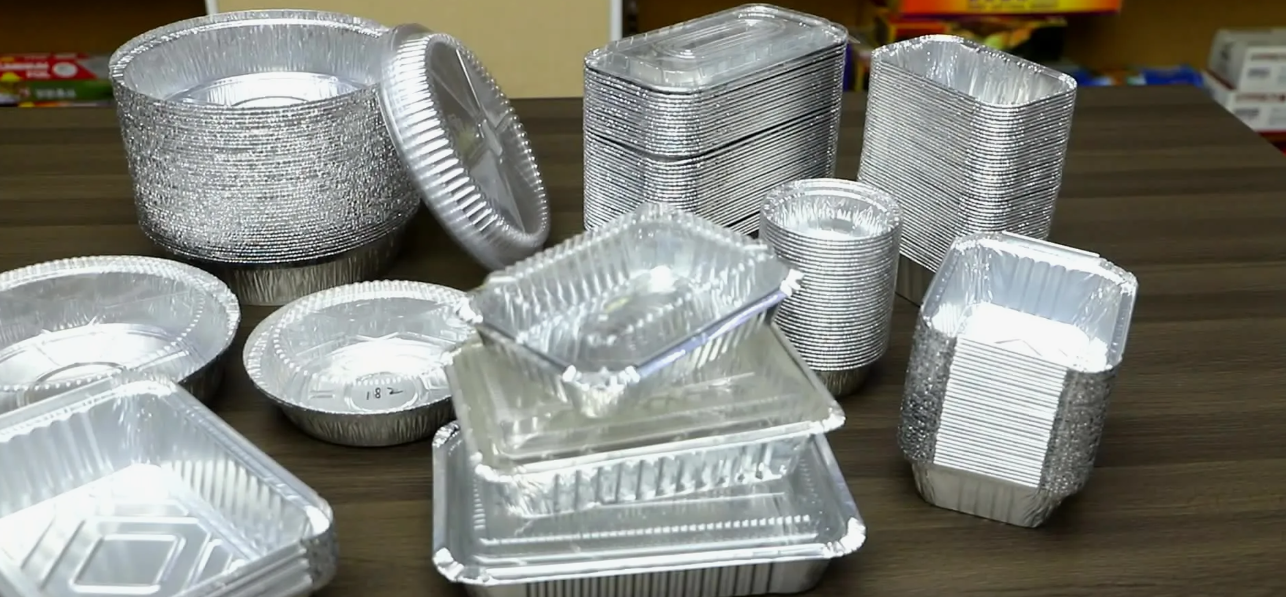
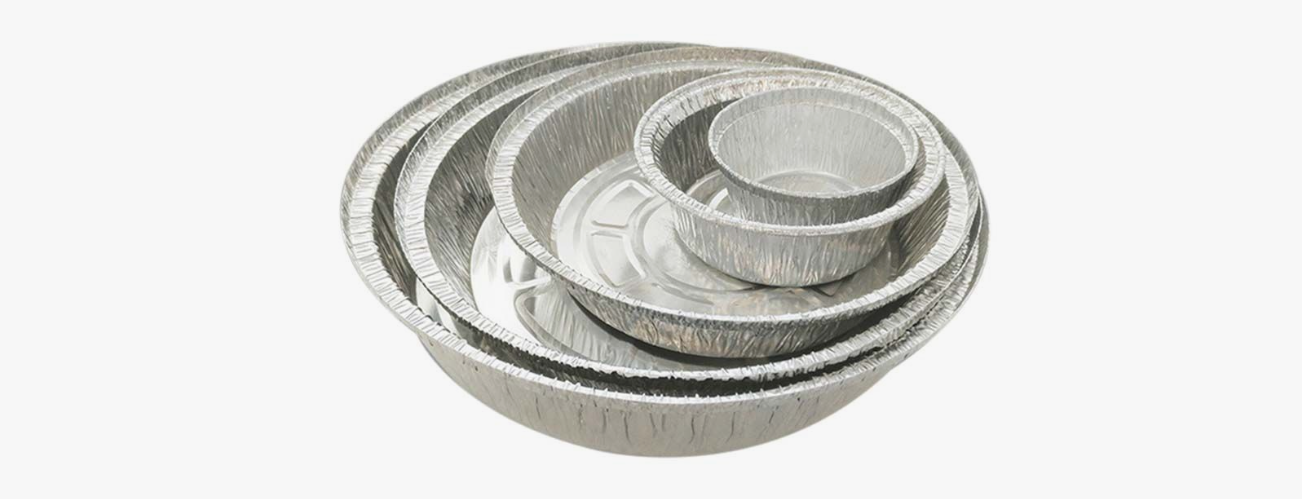
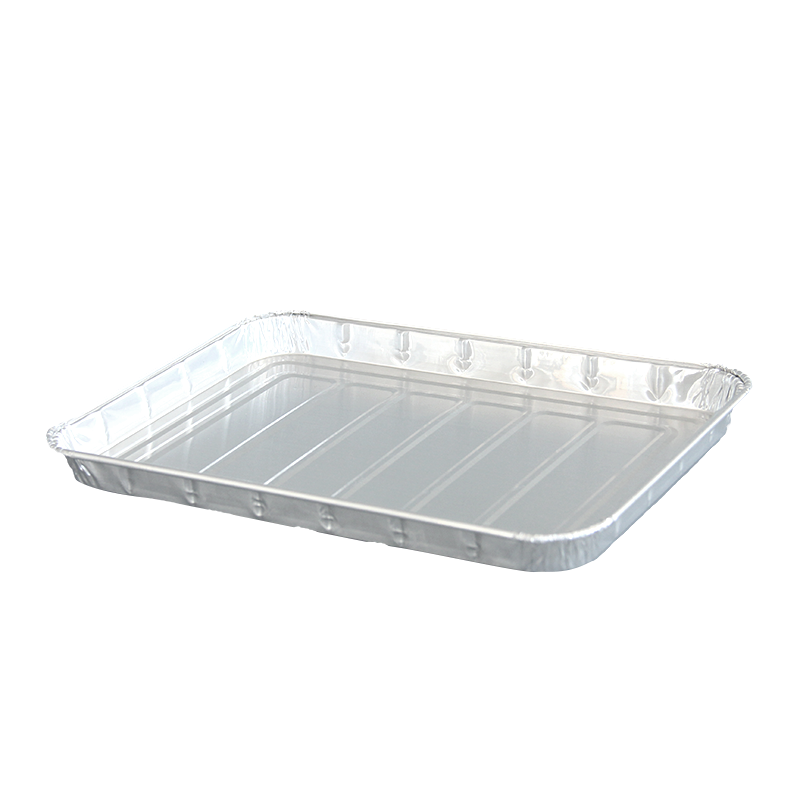
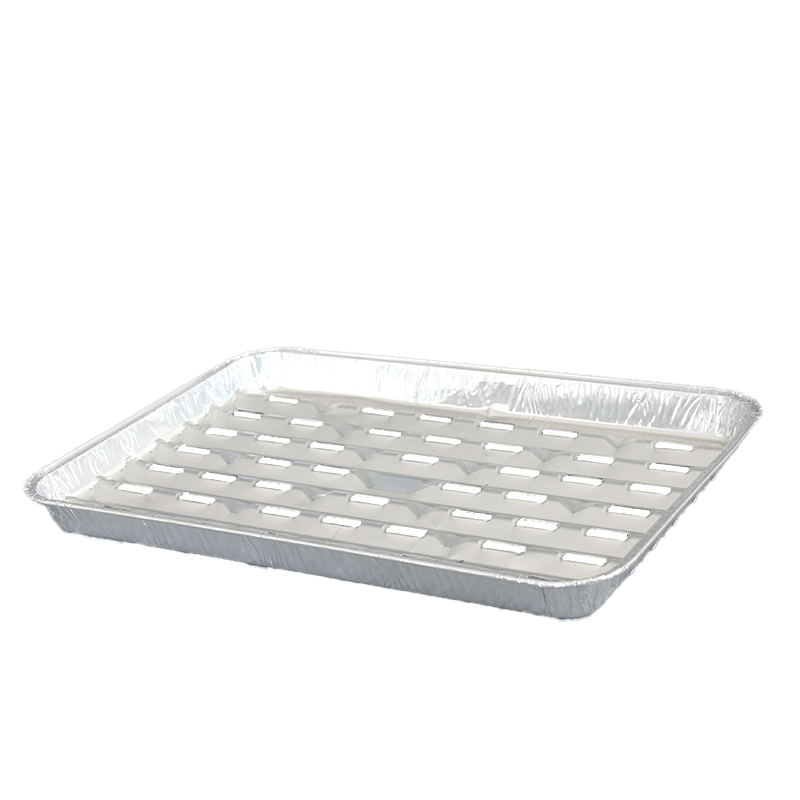
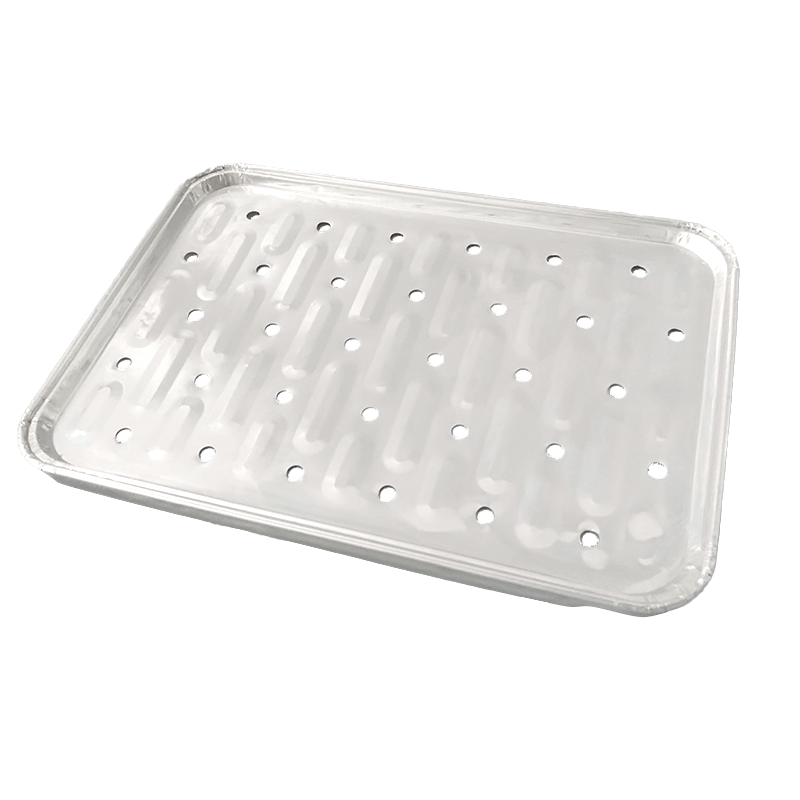
Aluminum foil tableware is a lightweight and disposable tableware made from aluminum foil. It can be manufactured into various shapes and sizes of containers, such as food containers, plates, bowls, and lids, through rolling, stamping, or molding techniques. The main advantages of aluminum foil lie in its excellent thermal conductivity, strength, and corrosion resistance, making it very practical for food preservation, heating, and baking. In addition, aluminum foil tableware has excellent sealing properties, effectively preventing food leakage and maintaining food temperature and freshness.
2. Correct use of aluminum foil tableware
(1) Appropriate heating and usage temperature
Aluminum foil tableware has strong heat resistance, but it cannot withstand unlimited high temperatures. When using aluminum foil tableware, especially when heating food in an oven or microwave, understanding the appropriate usage temperature is crucial.
Oven use: Aluminum foil tableware is very suitable for use in ovens. Due to its excellent thermal conductivity, it can heat food evenly. Generally, aluminum foil tableware can withstand temperatures up to approximately 250℃, but when using it, avoid exposing the aluminum foil directly to open flames to prevent fire.
Microwave use: Although aluminum foil has good heat resistance, special care is needed when using aluminum foil tableware in a microwave oven. Aluminum foil can reflect microwaves, potentially causing sparks or arcing, leading to equipment damage or fire. Therefore, when using aluminum foil tableware in a microwave oven, avoid direct contact between the aluminum foil and the microwave oven walls, and ensure that the tableware is placed stably.
(2) Proper Sealing and Packaging of Food
The airtightness of aluminum foil containers makes them very effective in maintaining food freshness. When storing food or taking it away, properly sealing aluminum foil containers can effectively prevent food from being exposed to the air and slow down spoilage. Here are some sealing techniques when using aluminum foil containers:
Sealing Lids: Many aluminum foil containers come with matching aluminum foil lids. When using them, ensure the lid completely covers the container to prevent air and moisture from entering.
Wrapping with Aluminum Foil: For aluminum foil containers without lids, an extra layer of aluminum foil can be used to wrap the food, ensuring that the food does not emit odors or leak liquids.
(3) Avoid Long-Term Storage of Acidic Foods
Although aluminum foil containers have strong corrosion resistance, prolonged contact with acidic foods (such as tomatoes, lemons, vinegar, etc.) may cause the aluminum foil to react with the acidic substances, affecting the taste and quality of the food. To avoid this, it is recommended to avoid prolonged contact when storing acidic foods in aluminum foil containers, or to use plastic or glass containers for storing acidic foods.
(4) Avoid Excessive Stacking and Compression
Although aluminum foil containers are very lightweight, they are also relatively fragile. Avoid stacking aluminum foil containers too high or applying excessive pressure, especially during storage or transportation. Excessive compression and stacking can cause the containers to deform, crack, or even affect the quality and appearance of the food.
(5) Avoid Using with High-Fat Foods
Aluminum foil containers are very suitable for heating most foods, but for high-fat foods (such as fried foods, roasted meats, etc.), care should be taken to avoid storing or heating them in aluminum foil containers for extended periods. The grease may penetrate the aluminum foil, causing the container to soften or crack, affecting the quality and safety of the food.
3. Advantages of Aluminum Foil Containers
(1) Environmental Friendliness
With increasing environmental awareness, aluminum foil containers are gradually becoming a preferred material for sustainable development. Aluminum foil itself is recyclable and can be recycled and reused after use, reducing resource waste. Compared to traditional plastic tableware, aluminum foil containers have a lower environmental burden and are a more environmentally friendly option.
(2) Thermal Insulation Performance
Aluminum foil has strong thermal insulation properties, effectively maintaining food temperature. Especially in takeout and food delivery, aluminum foil containers can effectively retain heat, ensuring that customers receive warm and delicious food.
(3) Convenience
Aluminum foil tableware is lightweight and easy to carry, making it an ideal choice for dining out, picnics, takeout, and buffets. The malleability of aluminum foil allows it to be molded into various shapes, adapting to different food needs.
(4) Durability
Aluminum foil tableware is not only lightweight but also durable, able to withstand high temperatures and pressure without easily breaking. Its corrosion resistance and waterproof properties also make it an ideal choice for food storage and heating.
| Advantages | Description | Usage Precautions |
| Eco-friendliness | Aluminum containers are recyclable, reducing resource waste compared to plastic containers. | Ensure proper recycling after use, making sure no food residue is left to enhance recycling efficiency. |
| Insulation | Aluminum has excellent heat retention properties, making it ideal for takeaway and delivery services. | Avoid prolonged exposure to high temperatures to prevent container deformation or damage. |
| Convenience | Lightweight, easy to carry, and adaptable to various food needs, perfect for picnics, takeaways, and buffets. | Ensure the container is undamaged to prevent food leakage. |
| Durability | Aluminum containers are durable, can withstand high temperatures and pressures, and are resistant to corrosion and water. | Avoid direct exposure to open flames, and check for cracks or deformations before use. |
4. Cleaning and Recycling of Aluminum Foil Tableware
Although most aluminum foil tableware is for single use, some aluminum foil containers can be cleaned and recycled if not excessively contaminated (e.g., with excessive grease or food residue). During cleaning, use warm water and a soft cloth to gently wipe the aluminum foil surface, avoiding the use of overly hard cleaning tools to prevent damage to the aluminum foil structure.
Furthermore, the recyclability of aluminum foil tableware makes it an environmentally friendly option. Many cities and regions have aluminum foil recycling programs, allowing users to place used aluminum foil tableware in designated recycling bins, helping to reduce waste and promote resource recycling.
5. Common Questions about Aluminum Foil Tableware
(1) Can aluminum foil tableware be heated in a microwave oven?
Aluminum foil tableware can be used in a microwave oven, but with extreme caution. Aluminum foil can reflect microwaves, leading to sparks or arcing, which could cause a fire or damage the microwave oven. Generally, it is recommended to avoid placing aluminum foil tableware directly in the microwave, especially aluminum foil containers with sharp edges.
If you must use it, ensure the aluminum foil tableware does not directly touch the microwave walls and check the manufacturer's instructions to ensure it is suitable for microwave heating.
(2) Can aluminum foil tableware be used in an oven?
Aluminum foil tableware is very suitable for use in ovens. Due to its excellent thermal conductivity, it can heat food evenly and is heat-resistant, typically withstanding temperatures up to approximately 250°C. When using it, ensure the aluminum foil tableware is not directly exposed to a flame and avoid using damaged tableware.
(3) Can aluminum foil tableware be reused?
Most aluminum foil tableware is disposable, but some aluminum foil containers can be cleaned and reused if they are not severely contaminated or damaged. Ensure thorough cleaning and removal of food residue to maintain hygiene and integrity. However, after multiple uses, the strength and sealing of aluminum foil tableware may decrease, so frequent reuse is not recommended.
(4) Can aluminum foil tableware be used to store acidic foods?
Although aluminum foil tableware has strong corrosion resistance, caution is needed when storing acidic foods (such as tomatoes, lemons, vinegar, etc.). Prolonged contact with acidic substances may cause corrosion of the aluminum foil tableware, affecting the taste and quality of the food. To avoid this, it is recommended not to store acidic foods in aluminum foil containers for extended periods.
(5) Does heating food with aluminum foil tableware release harmful substances?
Aluminum foil tableware is safe under normal use conditions. As long as the instructions for use are followed, aluminum foil will not release harmful substances. Avoiding contact with high-temperature open flames or prolonged storage of highly acidic foods can reduce potential risks. When used correctly, aluminum foil tableware is non-toxic and safe.
Choose AiKang for Top-Quality
Aluminum Foil Products
Explore Our
Featured Products

Ningbo Aikang Aluminum Foil Technology Co., Ltd, based in Ningbo, produces eco-friendly disposable aluminum foil products. They prioritize quality and customer satisfaction, serving the global market with innovative packaging solutions.


Quick Links
Contact
-
 No. 5 Yongxing East Road, Fengshan Street, Yuyao City, Zhejiang Province, China
-
 Tel: +86-15867468784
-
 E-mail: [email protected]
Send Us A Message
