
 English
 日本語
日本語 عربى
عربى Español
-
 01
01
can you put aluminum foil in an air fryer?
Industry News-Content
- 1 How Air Fryers Work: Why Airflow Matters
- 2 Is Aluminum Foil Safe in an Air Fryer?
- 3 When to Use Aluminum Foil (and When Not To)
- 4 How to Use Aluminum Foil Safely: 3 Key Rules
- 5 Health Considerations: Should You Be Concerned?
- 6 Better Alternatives to Aluminum Foil
- 7 Quick FAQ: Your Top Questions Answered
- 8 Final Tips: Best Practices Summary
- 9 Conclusion
Is It Safe to Use Aluminum Foil in an Air Fryer? A Complete Guide
Air fryers have revolutionized home cooking by delivering crispy, golden results with little to no oil. But as users explore creative ways to simplify cleanup or enhance flavor, a common question arises: Can you safely use aluminum foil in an air fryer?
The short answer: Yes—but only if used correctly. This guide breaks down everything you need to know about using aluminum foil in your air fryer, including safety tips, best practices, ideal foods, and safer alternatives.
How Air Fryers Work: Why Airflow Matters
Before using any accessory in your air fryer, it’s essential to understand how it operates. Air fryers cook food by circulating superheated air around it using a powerful fan and a top-mounted heating element. This rapid airflow creates a Maillard reaction—giving food that satisfying crisp—without deep frying.
Key components:
- Heating element: Generates high heat.
- Fan: Circulates hot air evenly.
- Perforated basket: Allows air to flow around food from all sides.
Because unobstructed airflow is critical, anything that blocks circulation—like a sheet of foil covering the entire basket—can lead to uneven cooking, longer cook times, or even appliance damage.
Is Aluminum Foil Safe in an Air Fryer?
Yes—With Precautions
Most major brands (including Philips and GoWISE USA) allow aluminum foil use, provided it doesn’t interfere with airflow or touch heating elements. Always check your user manual first, as some models may prohibit it entirely.
Potential Risks to Avoid
- Fire hazard: Loose or crumpled foil can blow into the heating coil, causing sparks or melting.
- Poor cooking results: Blocking airflow = soggy fries, unevenly cooked chicken.
- Health concerns: Aluminum can leach into food when exposed to acidic or salty ingredients (e.g., tomatoes, lemon juice, vinegar).
Expert tip: “Aluminum foil can be safe in an air fryer if used properly—but never let it cover the entire basket or come near the heating element.” — Air Fryer Safety Guide
When to Use Aluminum Foil (and When Not To)
Best Uses for Aluminum Foil
Foods to Avoid with Foil
- Acidic foods: Tomatoes, citrus, vinegar-based sauces → risk of aluminum leaching.
- Foods needing crispiness: French fries, chicken wings, spring rolls → foil blocks airflow, ruining texture.
- Small or lightweight items: Peas, shrimp, or breadcrumbs → foil may shift and cause hazards.
How to Use Aluminum Foil Safely: 3 Key Rules
Follow these best practices to enjoy the benefits of foil without compromising safety or performance.
1. Never Cover the Entire Basket
Only line the center or bottom portion—leave at least 50% of the basket uncovered to allow air to circulate freely.
2. Secure the Foil
- Fold edges over the rim of the basket.
- Or place a small piece of food on top to weigh it down.
- Avoid crumpling—smooth sheets stay in place better.
3. Keep Foil Away from Heating Elements
Ensure the foil lies flat and doesn’t touch the top or sides of the air fryer chamber. If it lifts during cooking, stop immediately.
Health Considerations: Should You Be Concerned?
While occasional use of aluminum foil is generally considered safe, studies show that high heat + acidic or salty foods can cause small amounts of aluminum to transfer into your meal.
Though the WHO states that normal dietary aluminum intake is not harmful for most people, those with kidney conditions or concerns about long-term exposure may prefer to minimize use.
Recommendation: Reserve foil for neutral or dry foods (like baked potatoes or plain chicken), and avoid it with tomato sauce, lemon marinades, or soy-based glazes.
Better Alternatives to Aluminum Foil
If you want easy cleanup without the risks, consider these safer, reusable options:
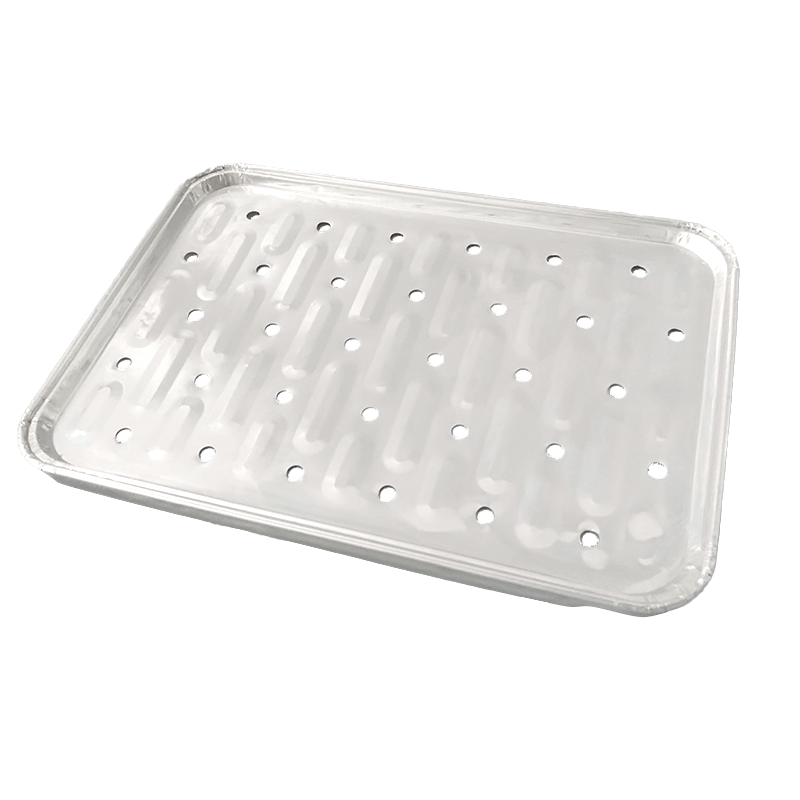
Perforated Parchment Paper Liners
- Designed specifically for air fryers.
- Heat-resistant (up to 425°F/220°C).
- Allow airflow through pre-cut holes.
- Great for fish, eggs, or delicate pastries.
Food-Grade Silicone Mats or Liners
- Reusable, non-stick, and dishwasher-safe.
- Flexible enough to fit most basket shapes.
- Ideal for baking cookies, reheating pizza, or roasting veggies.
Air Fryer-Specific Accessories
- Grill pans, skewers, baking cups, and racks.
- Expand your cooking versatility without blocking airflow.
These alternatives offer easier cleanup, consistent results, and zero metal exposure—making them excellent long-term choices.
Quick FAQ: Your Top Questions Answered
Q: Can I line the whole basket with foil?
A: No. It blocks airflow and can cause overheating or uneven cooking.
Q: Will foil ruin my air fryer?
A: Only if it touches the heating element or fan. Used properly, it’s safe.
Q: Does foil affect cooking time?
A: Yes—foods wrapped in foil may take slightly longer to cook, as heat transfer is slower.
Q: Can I reuse aluminum foil in my air fryer?
A: Technically yes, but it’s not recommended. Crinkled or torn foil is more likely to shift during cooking.
Q: Are parchment liners as effective as foil?
A: For most tasks—yes! They’re safer, eco-friendlier, and just as effective for non-stick needs.
Final Tips: Best Practices Summary
Do:
- Check your air fryer’s manual.
- Use small, smooth pieces of foil.
- Secure it to prevent movement.
- Pair with moist or marinated foods that benefit from steaming.
Don’t:
- Cover the entire basket.
- Use with acidic or high-salt dishes.
- Let foil touch heating elements.
- Ignore warning signs (sparks, smoke, odd smells).
Conclusion
Aluminum foil can be a helpful tool in your air fryer—if used wisely. It simplifies cleanup, retains moisture, and enhances flavor for certain dishes. But because air fryers rely on precise airflow, improper foil use can compromise both safety and results.
For everyday cooking, consider switching to perforated parchment paper or silicone liners—they offer the same convenience with fewer risks.
By following these guidelines, you’ll get the most out of your air fryer while keeping your kitchen safe, efficient, and delicious.
Choose AiKang for Top-Quality
Aluminum Foil Products
Explore Our
Featured Products

Ningbo Aikang Aluminum Foil Technology Co., Ltd, based in Ningbo, produces eco-friendly disposable aluminum foil products. They prioritize quality and customer satisfaction, serving the global market with innovative packaging solutions.


Quick Links
Contact
-
 No. 5 Yongxing East Road, Fengshan Street, Yuyao City, Zhejiang Province, China
-
 Tel: +86-15867468784
-
 E-mail: [email protected]
Send Us A Message
