
 English
 日本語
日本語 عربى
عربى Español
-
 01
01
5 Mistakes to Avoid When Using Foil Containers
Industry News-Aluminum foil containers are among the most versatile, widely used, and genuinely sustainable food packaging formats available today — yet a surprising number of households, caterers, and food businesses use them incorrectly, reducing their performance and in some cases creating unnecessary safety concerns. Whether you are using oven safe foil containers for baking, takeaway foil containers for food delivery, or meal prep foil containers for weekly batch cooking, avoiding five common mistakes will give you better results, safer food handling, and a more sustainable packaging outcome.
This guide addresses each mistake directly, then provides the practical corrective action. It also covers the key sustainability and safety questions that consumers and buyers most frequently ask about aluminum food packaging — including the important comparison between aluminum and plastic containers, safe oven temperature use, and recyclability guidance.
| # | Mistake | Common Consequence | Simple Fix |
|---|---|---|---|
| 1 | Using the wrong container size | Uneven cooking, spills | Match container depth to food volume |
| 2 | Storing acidic or salty foods too long | Pitting, flavour transfer | Transfer to glass/ceramic for storage over 24 hours |
| 3 | Placing in a microwave | Arcing, fire risk, uneven heating | Use microwave-safe dishes for reheating |
| 4 | Discarding without rinsing for recycling | Contamination rejection at recycling facility | Rinse lightly and place in metal recycling |
| 5 | Choosing generic trays for specialist uses | Structural failure, poor presentation | Select purpose-made catering or BBQ trays |
Content
- 1 Mistake 1: Choosing the Wrong Container Size for the Application
- 2 Mistake 2: Storing Acidic or Highly Salted Foods for Extended Periods
- 3 Mistake 3: Putting Aluminum Foil Containers in the Microwave
- 4 Mistake 4: Discarding Foil Containers Without Preparing Them for Recycling
- 5 Mistake 5: Using General-Purpose Trays for Specialist Applications
- 6 Sustainable Food Packaging Trends: Why Aluminum Continues to Lead
- 7 About Ningbo Aikang Aluminum Foil Technology Co., Ltd.
- 8 Frequently Asked Questions About Aluminum Foil Containers
- 8.1 Q1: Are aluminum foil containers safe to use in the oven?
- 8.2 Q2: Can I freeze food in aluminum foil containers?
- 8.3 Q3: Are aluminum foil containers recyclable everywhere?
- 8.4 Q4: What is the difference between standard foil trays and catering-grade containers?
- 8.5 Q5: How do I choose the right takeaway foil container for a food delivery business?
Mistake 1: Choosing the Wrong Container Size for the Application
One of the most overlooked aspects of using foil food containers effectively is matching container dimensions to the food being prepared. Many users reach for the nearest available tray without considering depth, base area, or wall gauge — and then wonder why their lasagne is over-browned on the edges but undercooked in the centre, or why their roasting juices spill onto the oven floor. The physics of heat distribution in metal containers are directly affected by how full the container is and how close the food surface sits to the container rim.
For oven safe foil containers, the general guidance is to fill the container to no more than 80% of its depth when cooking liquids or semi-liquid foods such as casseroles, gratins, or braised dishes. This headspace allows steam to circulate without boiling over and prevents the container from being structurally compromised by liquid weight if it needs to be lifted. For dry foods such as baked goods, bread, or roasted vegetables, filling to 90% is acceptable because the material contracts slightly during cooking rather than expanding as liquids do.
Meal prep foil containers used for portion-controlled weekly cooking benefit from standardised sizing — typically 500 ml to 900 ml single-serve containers — which also optimises freezer stacking efficiency. Using oversized containers for small portions is wasteful of both material and freezer space, while undersized containers for generous portions create lid-sealing problems and potential contamination during transport.
The chart above shows the recommended capacity range for different application categories of aluminum foil containers. Single meal prep and takeaway entree containers cluster in the 600–750 ml range, reflecting standard adult portion sizes for prepared meals. Catering and roasting applications call for larger formats, with turkey and whole-bird roasting requiring specialist extra-deep trays that can accommodate both the bird and the cooking juices safely. Understanding these ranges before purchasing in bulk prevents the common frustration of having the wrong format for the task at hand, which drives both waste and quality problems.
Mistake 2: Storing Acidic or Highly Salted Foods for Extended Periods
Are aluminum foil containers safe for all food types and storage durations? The short answer is: yes for cooking and short-term storage, with some important caveats for prolonged contact with high-acid or high-salt foods. Aluminum is a reactive metal that can be slowly dissolved by acidic environments — specifically foods with a pH below approximately 4.5 — including tomato-based sauces, citrus marinades, vinegar-heavy dressings, rhubarb, and fermented products. Similarly, highly salted foods such as brined meats or preserved fish can initiate pitting corrosion on the container surface when stored in direct contact for more than 24–48 hours.
It is important to place this in context: the quantities of aluminum that migrate into food under typical cooking conditions are well within the safety thresholds established by food safety authorities including the European Food Safety Authority (EFSA) and the World Health Organization (WHO), which set a tolerable weekly intake of 1 mg per kilogram of body weight. Short-duration cooking of acidic foods in oven safe foil containers does not present a meaningful dietary risk. However, storing a tomato ragù in a foil tray in the refrigerator for three to five days is a different matter — the extended contact time, combined with the acidic pH, can cause visible pitting of the container surface and a perceptible metallic taste in the food.
The practical guidance is straightforward: use foil food containers for cooking and immediate serving or short-term transport. For refrigerated storage beyond 24 hours, particularly with acidic or high-salt recipes, transfer the food to a glass, ceramic, or food-grade plastic container. For meal prep foil containers used in weekly batch cooking, foods such as grains, roasted vegetables, chicken, and fish are excellent candidates for foil storage, while tomato-based pasta sauces and citrus-marinated dishes are better stored in an alternative container.
The pH reference chart above illustrates why certain foods are more prone to interacting with aluminum surfaces during extended storage. Foods with a pH below 4.5 — particularly vinegar, citrus juices, and tomato products — fall in the reactive zone where prolonged contact with aluminum can cause surface pitting and minor metallic taste transfer. Neutral-to-alkaline foods such as cooked rice, chicken, roasted vegetables, and eggs are well within the safe range for both cooking and short-to-medium-term refrigerated storage in aluminum food packaging. This distinction helps users make informed decisions about which foods to prep and store in foil versus alternative containers, without avoiding foil packaging entirely based on exaggerated concern.
Mistake 3: Putting Aluminum Foil Containers in the Microwave
This is perhaps the most commonly misunderstood rule about aluminum foil containers: they must not be used in a conventional microwave oven. Microwaves heat food by exciting water molecules using electromagnetic radiation at 2.45 GHz. Metal surfaces reflect these waves rather than absorbing them, which causes electromagnetic energy to concentrate at sharp edges and corners of the container, generating electrical arcing that can damage the microwave's interior, create sparks, and in some cases ignite flammable residues. This is not a brand-specific issue — it applies to all metal containers, regardless of gauge or alloy.
The correct approach for reheating food from takeaway foil containers or meal prep foil containers is to transfer the food to a microwave-safe dish, heat it, and return it to the foil container if needed for serving or transport. Alternatively, foil containers are excellent candidates for conventional oven reheating, where their thermal conductivity is an advantage rather than a limitation. A lidded foil container can go directly from the refrigerator or freezer into a preheated oven at 180°C (350°F), with the lid left slightly open to allow steam to escape, delivering evenly reheated food in 20–30 minutes depending on portion depth.
It is also worth noting that some commercial microwave ovens designed for food service operations — specifically those used in airline catering and hospital food delivery — do accommodate metallic containers as part of purpose-designed regeneration systems. These are specialist systems with modified electromagnetic shielding and are not representative of domestic or standard commercial microwave ovens. Unless your equipment is explicitly rated for metallic container use, the standard rule applies: no foil in the microwave.
| Heating Method | Compatible? | Notes |
|---|---|---|
| Conventional Oven | Yes | Up to 220°C / 430°F; do not exceed container's rated temperature |
| Convection Oven | Yes | Excellent for browning; slightly faster cooking than static oven |
| Gas Grill / BBQ | Yes | Use thicker gauge BBQ foil trays; avoid direct flame contact with base |
| Microwave Oven | No | Risk of arcing; transfer food to microwave-safe dish for reheating |
| Air Fryer | Check Model | Some air fryers accommodate foil containers; check manufacturer guidance |
| Freezer Storage | Yes | Excellent barrier properties; seal with lid or foil wrap before freezing |
Mistake 4: Discarding Foil Containers Without Preparing Them for Recycling
One of the most compelling environmental advantages of recyclable food containers made from aluminum is that aluminum can be recycled indefinitely without any degradation in material quality. Recycling aluminum uses approximately 95% less energy than producing primary aluminum from bauxite ore — a staggering figure that makes the difference between recycling and landfilling an aluminum foil container genuinely significant from a carbon footprint perspective. Yet this advantage is routinely lost when contaminated containers are rejected by recycling facilities.
The most common reason recyclable aluminum packaging is rejected at recycling facilities is food residue contamination. When food-soiled foil containers are placed in recycling streams, they can contaminate other materials in the same collection batch, causing entire loads to be diverted to landfill. The solution is simple: a brief cold-water rinse to remove visible food residue before placing the container in the metal or mixed recycling bin. The container does not need to be spotlessly clean — a quick rinse that removes bulk food is sufficient for most recycling systems.
For catering foil containers used in large-scale food service operations, establishing a rinse station near the waste point and labelling bins clearly for aluminum foil can dramatically increase the proportion of containers that successfully enter the recycling stream. Some commercial catering operations have implemented closed-loop aluminum collection programmes where used containers are compacted and returned to an aluminum processor, further improving the recycling rate and reducing collection costs over time.
The trend line above shows the estimated global recycling rate for aluminum food packaging growing steadily from around 42% in 2015 toward a projected 68% by 2025, driven by expanded collection infrastructure, increased consumer awareness of aluminum's recyclability credentials, and legislative pressure on food service operators to manage packaging waste more responsibly. This upward trajectory reflects the broader shift in sustainable food packaging trends, where aluminum is increasingly positioned as a material of preference over single-use plastics due to its closed-loop recycling potential. Each percentage point increase in recycling rate represents a meaningful reduction in primary aluminum production and the associated energy and carbon footprint.
The radar comparison between aluminum and plastic food containers reveals a clear performance differentiation across six key criteria. Aluminum foil containers score significantly higher on recyclability, heat resistance for oven and BBQ applications, and barrier properties that protect food from light, oxygen, and moisture during storage. Plastic containers hold advantages in microwave compatibility and stackability, particularly in formats where rigidity is important. This comparison helps buyers understand that the choice between aluminum and plastic is application-dependent — and that for oven cooking, catering service, barbecue use, and sustainable takeaway packaging, aluminum offers a compelling combination of performance and end-of-life recyclability that plastic cannot match.
Mistake 5: Using General-Purpose Trays for Specialist Applications
Not all disposable aluminum trays are created equal, and using a standard thin-gauge household foil tray for a high-load catering application or a high-heat barbecue session is a recipe for structural failure, spills, and customer complaints. Foil containers vary significantly in gauge thickness (measured in microns), alloy composition, base reinforcement, and lid availability — and these differences directly determine which applications they are suitable for.
BBQ Foil Trays Require Thicker Gauge and Heat-Resistant Design
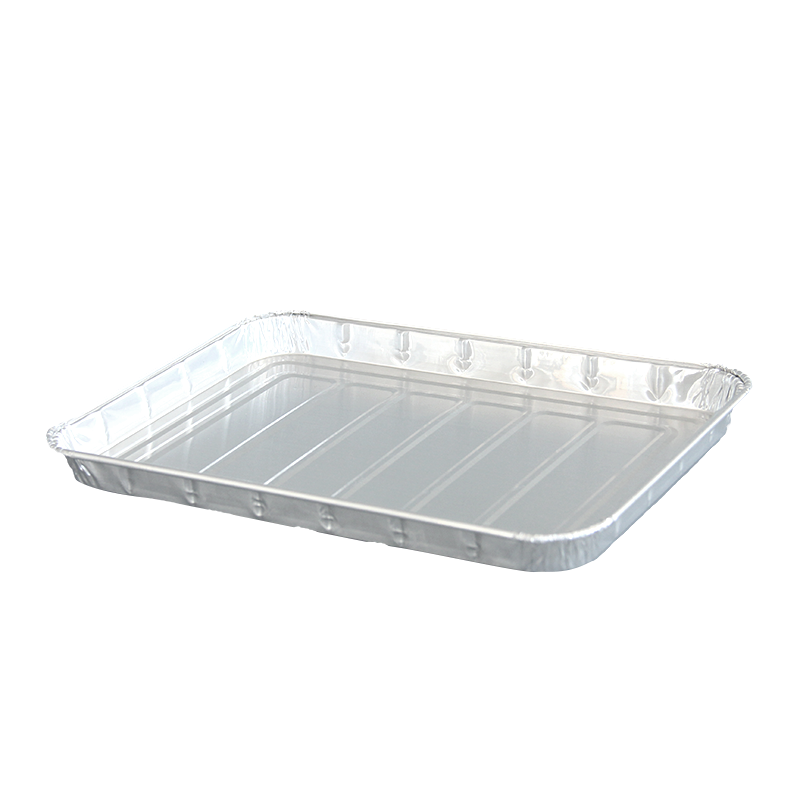
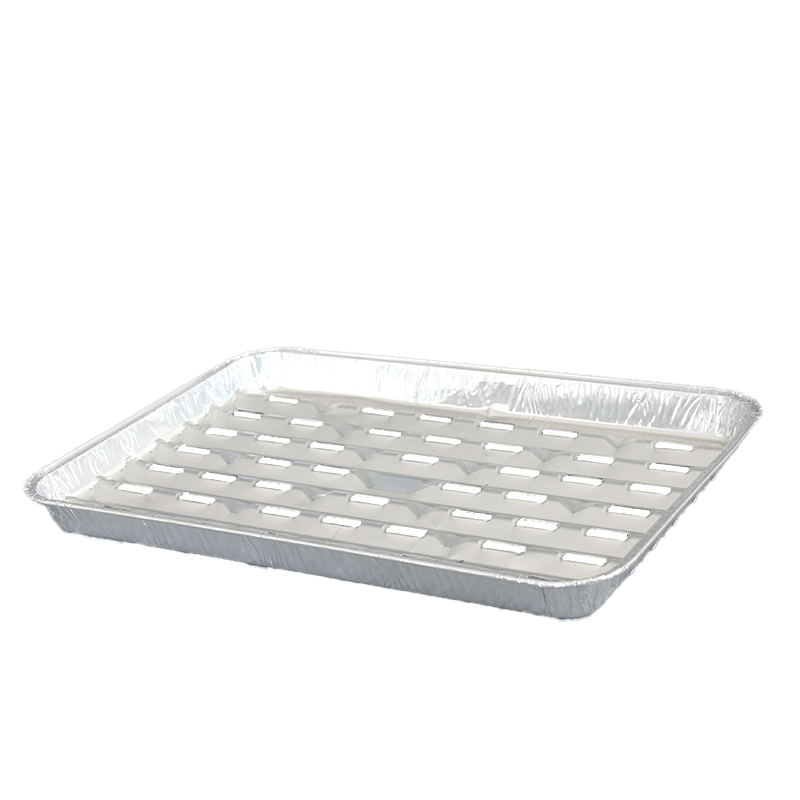
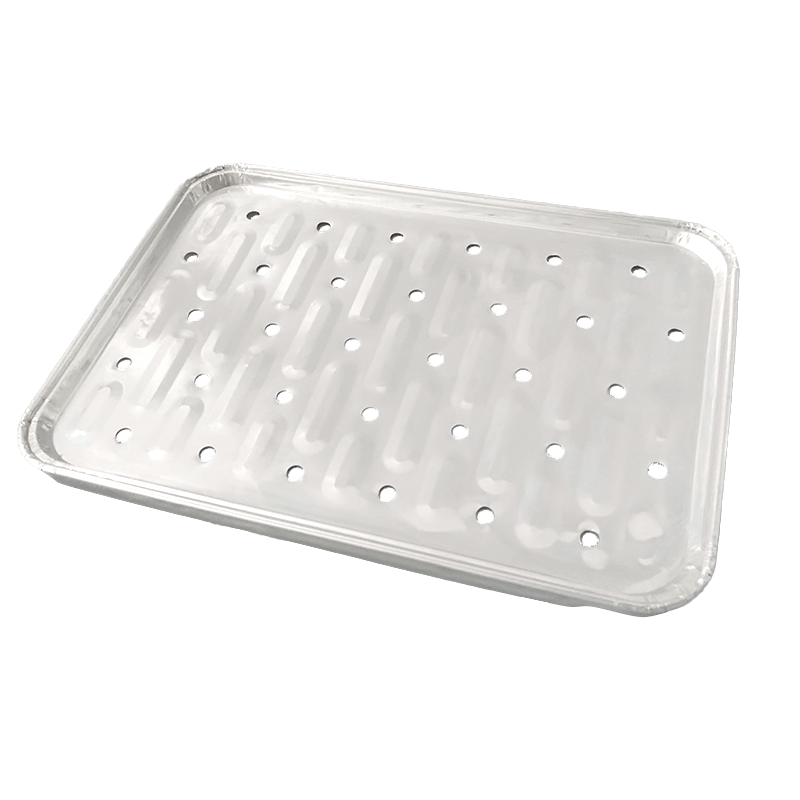
BBQ foil trays need to withstand direct radiant and convective heat from a grill, often while carrying the weight of multiple portions of meat, vegetables, or seafood. A standard household foil container at 30–40 microns gauge will deform and potentially split under these conditions. Purpose-made BBQ foil trays are typically manufactured at 70–100 microns, with reinforced corrugated bases and upturned edges that provide structural rigidity even when carried one-handed over a hot grill. They are also deeper than standard containers to accommodate the basting juices and marinades that are central to barbecue cooking without spillage risk.
Catering Foil Containers Must Support Display, Transport, and Serving
Catering foil containers used in buffet service, event catering, or airline meal preparation serve multiple functions simultaneously: cooking vessel, serving dish, transport container, and waste receptacle. A container that performs all four functions well must have a smooth, professional appearance, a flat base that sits stably on a chafing dish frame, a tight-fitting lid that maintains temperature during transport, and sufficient gauge to support its own weight when full without bowing. Aviation-grade aluminum foil containers — the thinnest and most dimensionally precise in the product category — are a particularly demanding specification because they must pass automated tray-loading systems while maintaining food quality and presentation throughout a flight.
The column chart illustrates how aluminum foil container gauge thickness increases significantly from household multipurpose trays (around 30 microns) through meal prep and takeaway containers (50–75 microns) up to BBQ trays and professional catering containers (100–120 microns). This progression reflects the increasing mechanical and thermal demands of each application. Using a 30-micron household tray as a substitute for a 100-micron BBQ tray is not simply suboptimal — it creates a genuine risk of the tray folding when lifted, spilling hot contents and potentially causing burns. Selecting the right container format from the outset, rather than defaulting to whatever is in the cupboard, is a key element of safe and effective use of aluminum food packaging.
Sustainable Food Packaging Trends: Why Aluminum Continues to Lead
The food packaging industry is undergoing a fundamental shift driven by legislative pressure, consumer demand for reduced plastic waste, and the financial incentives of circular economy models. Within this landscape, recyclable food containers made from aluminum occupy a uniquely advantaged position. Unlike most plastics, which can typically only be recycled once or twice before quality degradation makes them unusable, aluminum food packaging retains its full material properties through unlimited recycling cycles. This means that every disposable aluminum tray that enters the recycling stream has the potential to become a new container, a car part, or a construction material — displacing the production of new primary aluminum and its associated energy footprint.
The oven-to-table serving capability of foil containers also addresses a distinct sustainability benefit: they eliminate the need for a separate serving dish, reducing dishwashing water and energy consumption in both home and commercial kitchen settings. In high-volume catering foil containers applications — including airline catering, hospital meal services, and large-scale event catering — this operational efficiency is a meaningful cost and resource saving in addition to its environmental benefit.
As packaging regulations tighten in the EU, UK, and increasingly in export markets across Asia and North America, food businesses are actively seeking takeaway packaging solutions that meet both performance requirements and sustainability criteria. Aluminum foil containers, when correctly recycled, offer a demonstrable lifecycle advantage over expanded polystyrene, single-use plastic trays, and coated paperboard — making them a practical and forward-looking choice for operators planning their packaging strategy in a changing regulatory environment.
About Ningbo Aikang Aluminum Foil Technology Co., Ltd.
Ningbo Aikang Aluminum Foil Technology Co., Ltd. is a professional manufacturer of aluminum foil containers and aluminum foil tableware, located in Haishu District, Ningbo — one of China's most important port cities. The company is committed to the design, development, and production of environmentally responsible disposable aluminum foil products, providing practical and advanced packaging solutions that respond to the dynamic demands of global markets.
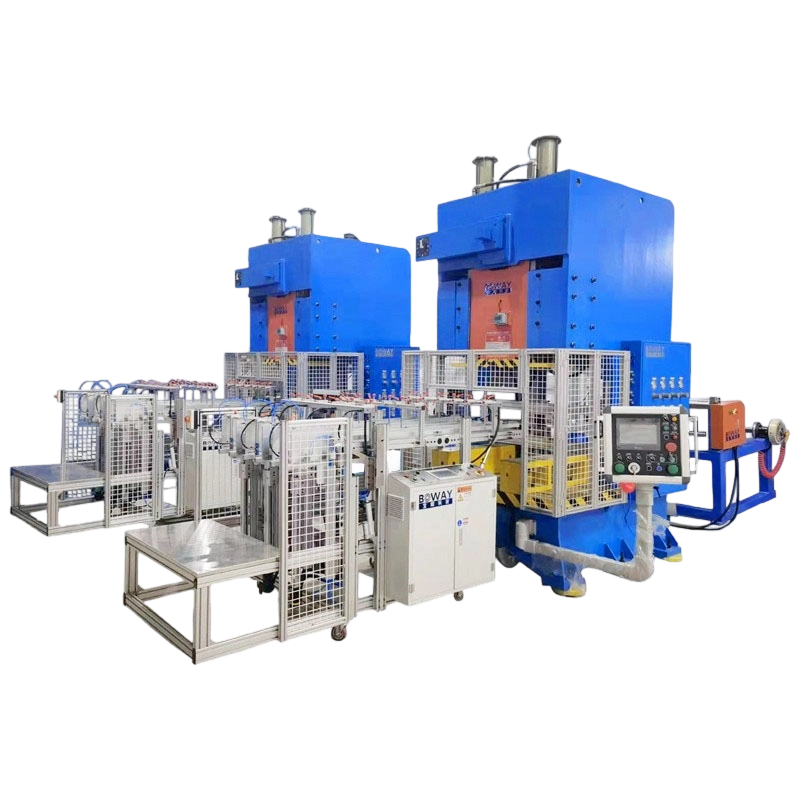
Aikang's product range includes aviation-grade aluminum food packaging containers, BBQ foil trays, turkey pans, aluminum loaf pans, and a wide variety of catering foil containers and meal prep foil containers for domestic and international food service markets. The company has developed multiple automatic production lines and precision molds to ensure consistent quality and product diversity across its full catalogue. With professional design capability, advanced manufacturing equipment, and a dedicated sales and after-sales service team, Aikang has established itself as a leading enterprise in China's aluminum foil container manufacturing sector.
Operating on the principle of sincerity and integrity, Aikang provides ODM and OEM customisation services for buyers seeking tailored formats, gauges, or branded packaging solutions. The company welcomes enquiries from food service operators, catering businesses, airline caterers, supermarket buyers, and packaging distributors seeking a reliable, experienced supplier of high-quality foil food containers.
Frequently Asked Questions About Aluminum Foil Containers
Q1: Are aluminum foil containers safe to use in the oven?
Oven safe foil containers can typically withstand temperatures up to 220°C (430°F) in a conventional or convection oven, making them suitable for roasting, baking, reheating, and cooking a wide range of foods. The key precaution is to avoid exceeding the container's rated temperature and to use a baking tray underneath thinner-gauge containers when they are filled with liquid-heavy recipes, as this provides additional base support and prevents the container from bowing. Always check that the specific product you are using is labelled as oven-safe, as product lines vary in gauge and construction.
Q2: Can I freeze food in aluminum foil containers?
Yes — meal prep foil containers are excellent for freezer storage. Aluminum has outstanding barrier properties against moisture, light, and oxygen, which helps maintain food quality during extended freezer storage. Seal the container with its fitted lid or with a layer of foil wrap pressed tightly against the food surface to minimise freezer burn. Label the container with the contents and freeze date, and use within the recommended period for the specific food type (typically one to three months for most cooked dishes). When reheating from frozen, place the sealed container directly in a preheated oven rather than a microwave.
Q3: Are aluminum foil containers recyclable everywhere?
Recyclable food containers made from aluminum are accepted in the metal recycling stream in most developed markets, but collection infrastructure varies by municipality and country. In the UK, EU, Australia, and much of North America, clean aluminum foil containers can be placed in kerbside metal or mixed recycling bins. The critical step is to rinse off visible food residue before recycling — heavily soiled containers may be rejected. In markets where kerbside collection of foil containers is not available, many supermarkets and recycling centres operate dedicated aluminum collection points. Checking your local authority's recycling guidance for the most accurate instructions for your area is recommended.
Q4: What is the difference between standard foil trays and catering-grade containers?
Catering foil containers are manufactured to a higher specification than standard household foil trays in several important respects: gauge thickness (typically 80–120 microns versus 30–50 microns for household trays), dimensional precision for compatibility with chafing dish frames and automated tray-loading systems, tighter tolerances on flatness and rim geometry for reliable lid sealing, and surface finish standards that meet food contact material regulations for commercial use. They are also produced with more consistent quality control, as they are used in food service operations where dimensional uniformity directly affects production line efficiency. For home BBQ or occasional meal prep, a standard household tray is adequate; for professional catering, airline service, or high-volume food production, investing in catering-grade containers pays back in fewer handling problems and a more professional serving presentation.
Q5: How do I choose the right takeaway foil container for a food delivery business?
Selecting the right takeaway foil containers for a food delivery operation involves evaluating five criteria: container volume matched to your portion sizes, lid type (smooth dome for pasta and rice dishes, flat lid for stackable containers in delivery bags), gauge thickness for the journey distance and handling intensity, compatibility with your oven or reheating process if food is packed hot, and the environmental credentials of the packaging for customer communication. Aluminum food packaging with tight-fitting lids maintains food temperature during delivery better than paperboard alternatives due to aluminum's superior thermal properties, and its recyclable credentials are increasingly valued by environmentally conscious consumers. Working with a manufacturer who offers OEM customisation allows branded or printed lids that reinforce your business identity at no structural compromise to the container's performance.
Choose AiKang for Top-Quality
Aluminum Foil Products
Explore Our
Featured Products

Ningbo Aikang Aluminum Foil Technology Co., Ltd, based in Ningbo, produces eco-friendly disposable aluminum foil products. They prioritize quality and customer satisfaction, serving the global market with innovative packaging solutions.


Quick Links
Contact
-
 No. 5 Yongxing East Road, Fengshan Street, Yuyao City, Zhejiang Province, China
-
 Tel: +86-15867468784
-
 E-mail: [email protected]
Send Us A Message
